What an Anti-Material-Buildup Idler Does
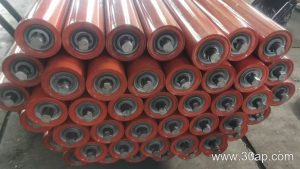
An anti-material-buildup idler is a conveyor roller designed to keep sticky, wet, or fibrous material from wrapping around the shell and jamming the belt line. On a standard idler roller, fines and moisture can adhere to the surface, gradually forming a sleeve that changes the roll diameter and pulls the conveyor belt off track. The anti-material-buildup version addresses this problem through surface geometry and, in some designs, specialized roller coverings that shed material before it can accumulate.
This idler is not a drive pulley, tail pulley, or bend pulley. Those are conveyor pulleys that transmit power or change belt direction. The anti-material-buildup idler is a carrying or return roller that supports the belt and resists fouling along the running length.
How the Design Discourages Buildup
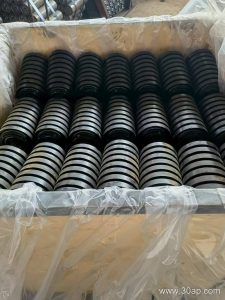
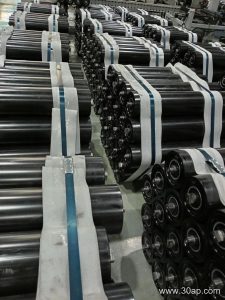
Several construction details work together to keep the shell clean. A common approach is a spiral or helical pattern formed on the roller surface. As the belt moves, the spiral edges continuously wipe and guide material toward the edges of the belt, preventing a uniform layer from forming. The roller may use a steel tube shell, a nylon shell, or a rubber-covered surface depending on the application. Rubber rings or ceramic lagging can also be applied to improve grip and release properties.
Sealing is equally important. Fine particles that reach the bearing housing can mix with grease and cause premature failure. Better anti-material-buildup idlers use labyrinth seals, contact seals, or a combination of both to keep dust and moisture away from the bearings. Common bearing sizes for this class of idler include 6204, 6205, 6305, 6306, 6308, and 6310, though the correct bearing depends on the load, speed, and roller diameter rather than on belt width alone.
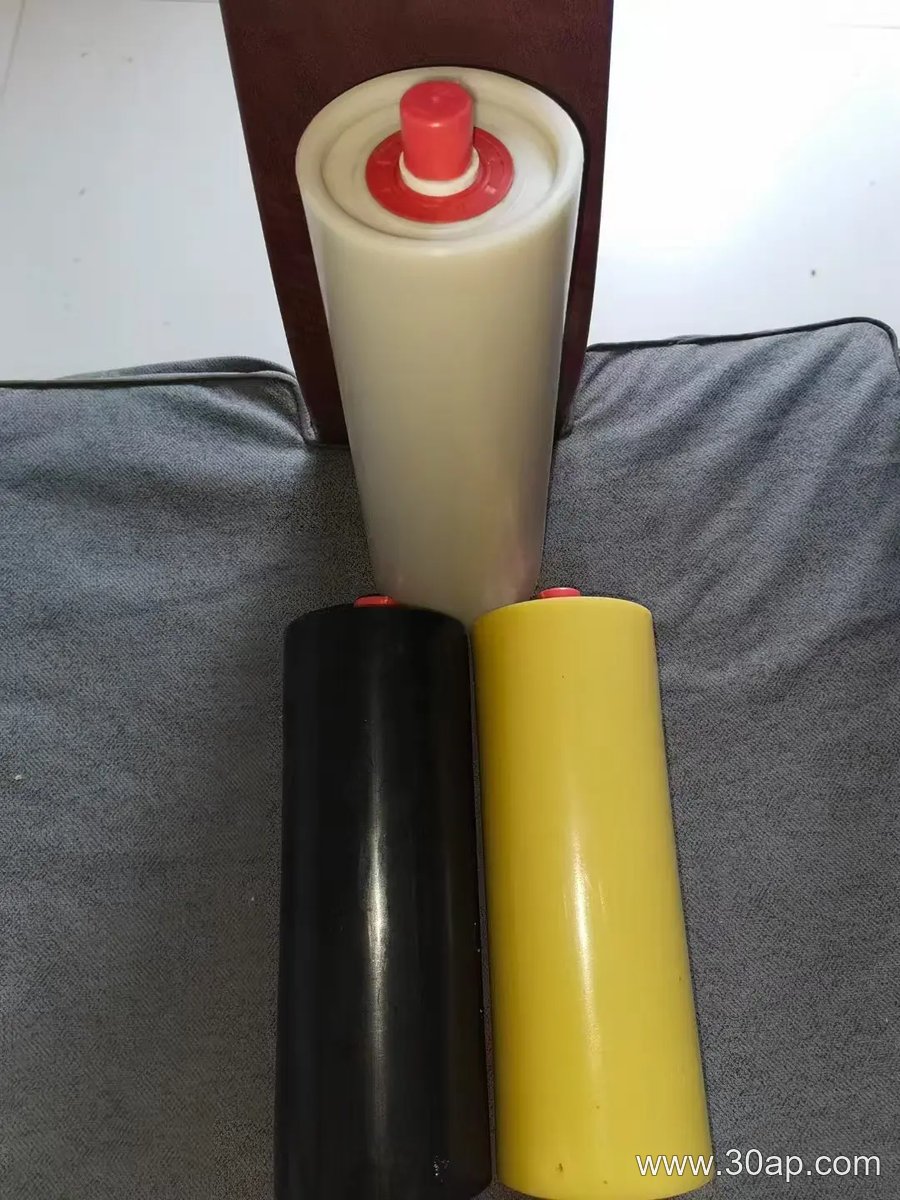
Roller diameter is selected to match belt speed and load. Typical diameters range from Ø63 mm up to Ø219 mm. Smaller diameters suit light-duty or slow-moving belts, while larger diameters handle higher loads and faster belts. The shell length changes with belt width, trough angle, and idler arrangement. For example, a three-roll troughing set might use a center roll of about 200 mm for a B500 belt, 315 mm for B800, or 465 mm for B1200. Side rolls can differ, and these values are common references, not fixed pairings.
Where It Fits on the Conveyor
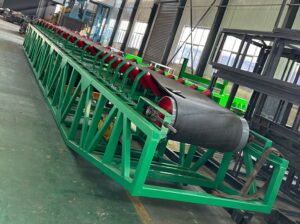
Anti-material-buildup idlers are most useful in the carrying section, especially where the conveyed material is damp or contains clay, coal fines, limestone dust, or mineral concentrate. In a coal preparation plant, for instance, the belt often carries wet coal that clings to a plain steel roller. A spiral return idler or a rubber-ringed troughing idler helps shed that layer before it hardens.
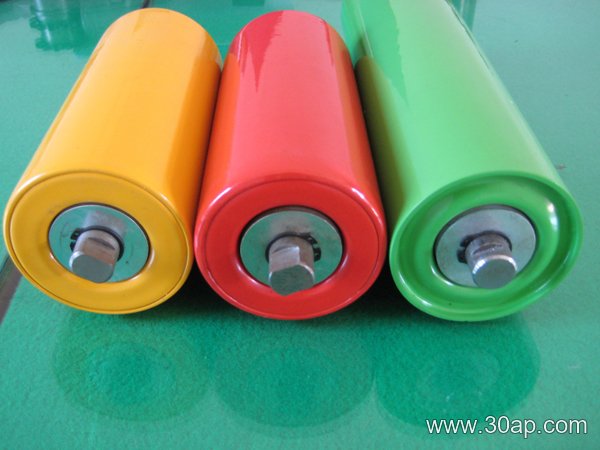
They also appear in aggregate crushing and screening circuits, where stone dust and moisture combine to coat standard rollers. In a tunnel boring operation, the muck can be sticky and abrasive, so an anti-buildup surface reduces downtime for cleaning. The same principle applies in fertilizer handling and in some food or grain applications where residue accumulates.
On the return run, a V-shaped return idler or a spiral return roller is often chosen for the same reason. These are subtypes of the anti-material-buildup family, not replacements for a troughing idler on the carrying side. The two positions serve different purposes and should not be interchanged.
Selection and Maintenance Notes for Buyers
When specifying an anti-material-buildup idler, start with the belt width, trough angle, and the actual material condition. A 20-degree or 30-degree troughing set may be sufficient for a free-flowing load, while a 35-degree or 45-degree angle can help contain a wetter, bulkier material. The idler group can be a single roll, two rolls, or three rolls. The choice depends on belt capacity and the desired trough profile.
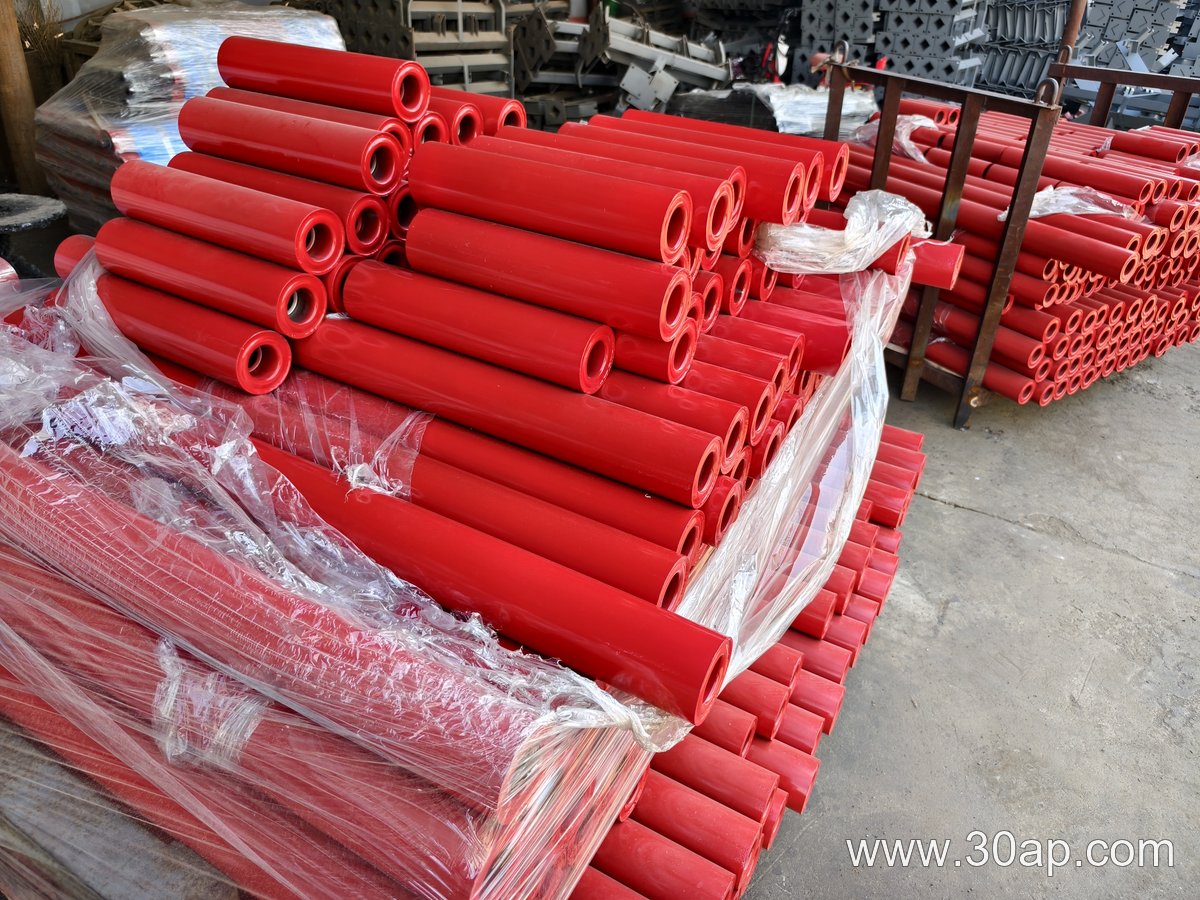
Consider the roller surface carefully. A plain steel tube is economical but offers no release advantage. A nylon or rubber-covered shell can reduce adhesion. Ceramic or rubber rings provide extra grip and wear resistance in abrasive service. None of these is universally best; the decision should follow the material being conveyed and the cleaning method already in use.
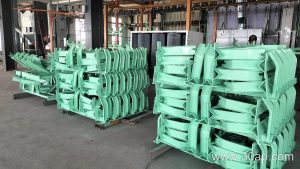
Check the conveyor bracket and mounting dimensions to ensure the replacement idler fits the existing frame. The bracket style, shaft ends, and fixing method must match. A mismatched bracket can cause the roller to sit at the wrong height or angle.
Finally, keep in mind that no idler eliminates buildup entirely if the belt is overloaded with wet fines. Proper belt cleaning, adequate drainage, and correct belt training remain part of the solution. The anti-material-buildup idler reduces the rate of accumulation and extends the interval between manual cleanings, but it works best as part of a well-maintained conveyor system.