What the V-Type Idler Bracket Does
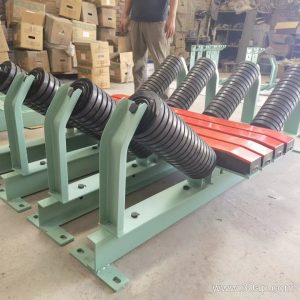
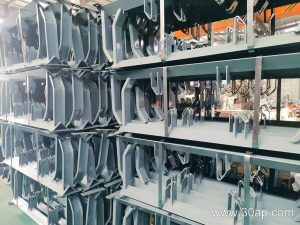
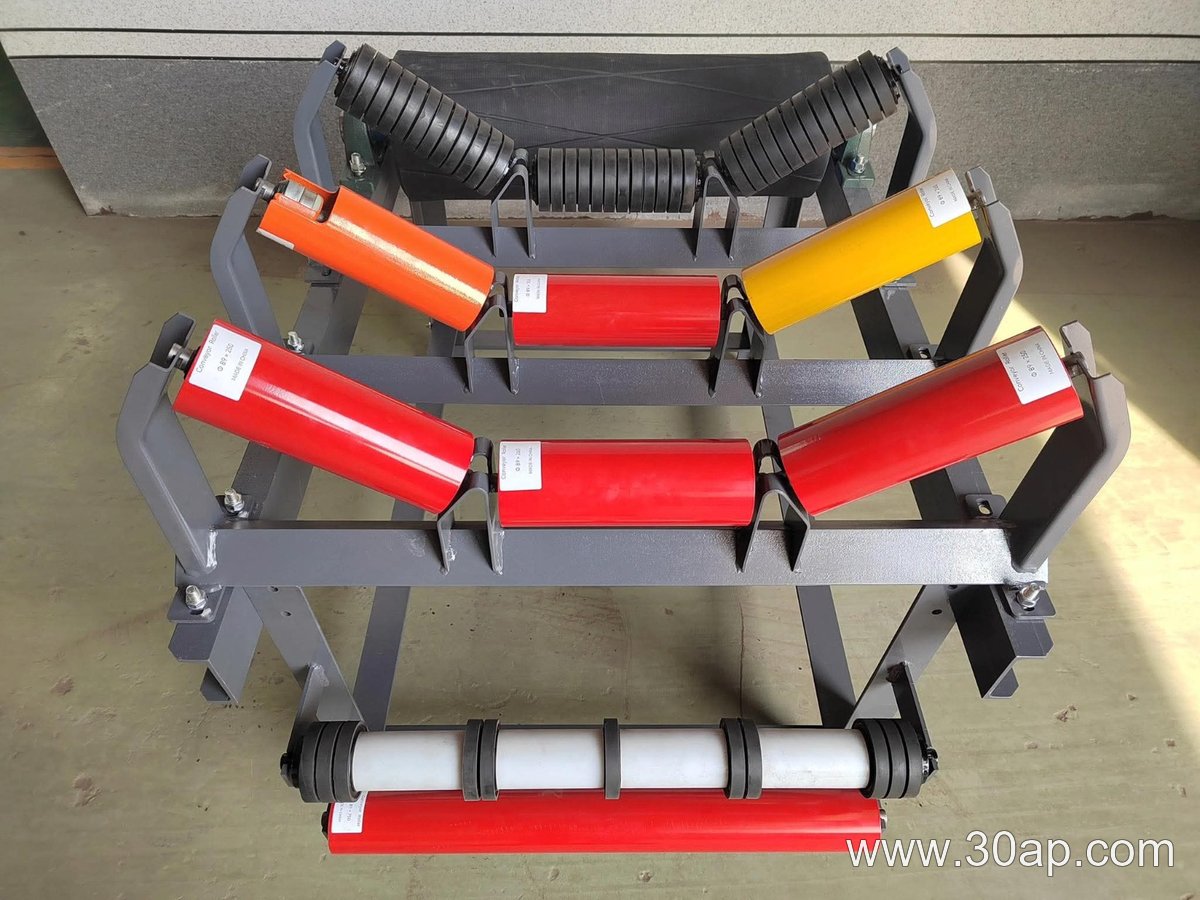
The V-Type Idler Bracket is a support frame that holds two idler rollers in a V-shaped trough, usually under the return strand of a conveyor belt. Instead of letting the belt run flat after it leaves the head pulley, this bracket tilts the rollers so the belt sits in a shallow valley. That shape helps the belt track in the center, sheds loose material, and reduces the chance of misalignment on long runs. The same component is also called a V-return bracket or a V-type return idler support, and those names describe the same assembly.
It is not the same as a troughing bracket on the carrying side, nor is it a drive pulley, tail pulley, or bend pulley. Those are different parts of a conveyor system with different jobs. The V-type bracket belongs to the return side, where it works with idler rollers and the conveyor belt to keep the empty run stable.
Construction and Mounting
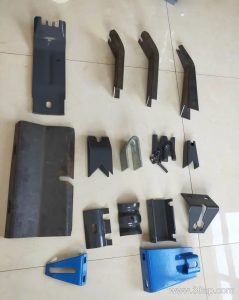
Most V-type brackets are fabricated from angle steel, channel steel, or folded steel plate. Two inclined arms meet at a low point, and each arm carries a mounting pad or slot for an idler roller. The angle between the arms is what creates the V shape; common return V angles are modest, often around 10 to 20 degrees from horizontal, but the exact geometry is set by the conveyor designer.
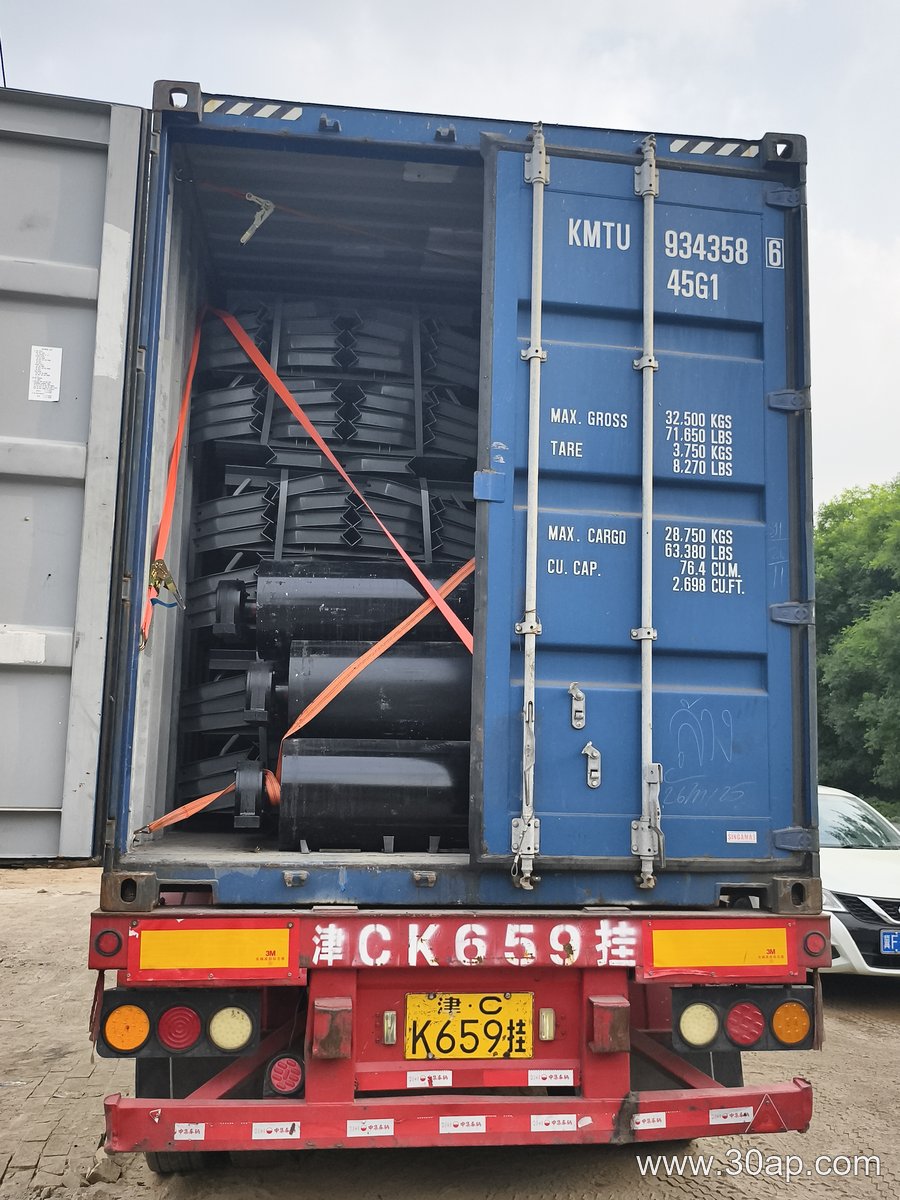
Mounting is typically on the conveyor stringer or frame, using bolts through pre-drilled holes. The bracket must line up with the return idler rollers so the belt makes even contact. On some conveyors, the bracket also supports a small amount of side guide force, which is why the frame connection should be rigid and square.
Common Build Details
- Material: angle steel, channel steel, or folded plate
- Surface: painted, galvanized, or left bare depending on the environment
- Roller seats: fixed or adjustable, depending on the design
- Mounting: bolt-on to the conveyor frame
Where It Fits in a Conveyor
You will see this bracket in mines, coal preparation plants, cement works, power station coal handling, sand and gravel lines, and crushing and screening circuits. In a quarry or iron ore plant, the return strand often carries sticky fines, and the V shape helps the belt shed those fines before they build up on the return rollers. In a cement plant or a coal yard, the same bracket helps keep the belt centered on long inclined runs.
A V-type bracket is not a substitute for a troughing idler bracket on the carrying side. The two work at different points along the conveyor and have different angles. It also should not be confused with a drive pulley, tail pulley, or bend pulley, which are drums that transmit power or change belt direction rather than support the belt.
Sizes and Selection Notes
V-type brackets are made to match the conveyor belt width and the return idler roller diameter. Common belt widths include B500, B650, B800, B1000, B1200, B1400, B1600, B1800, B2000, and B2200. Common return roller diameters include Ø89, Ø108, Ø133, Ø159, and Ø194. A bracket for a B800 belt with Ø108 rollers is a different assembly from one for a B1400 belt with Ø133 rollers, so the mounting hole spacing and crossbeam length should be confirmed against the conveyor frame.
| Belt Width | Typical Return Roller Diameter | Typical Use |
|---|---|---|
| B500 | Ø89 | Small aggregate or light material lines |
| B650 | Ø89 or Ø108 | Sand and gravel, small crushing circuits |
| B800 | Ø108 | Quarry, cement, general bulk handling |
| B1000 | Ø108 or Ø133 | Coal, ore, power plant coal feed |
| B1200 | Ø133 | Heavy mining and port conveyors |
| B1400 | Ø133 or Ø159 | High-capacity bulk transport |
| B1600 | Ø159 | Large mines and steel plants |
| B1800 | Ø159 or Ø194 | Very high tonnage systems |
| B2000 | Ø194 | Heavy-duty primary conveyors |
| B2200 | Ø194 | Special large-scale installations |
These combinations are common references, not fixed rules. A B1000 belt can run with more than one roller diameter depending on load, speed, and frame design. The bracket itself should be selected with the roller supplier and conveyor designer so that the return idler rollers sit correctly and the belt does not pinch or lift.
What a Buyer Should Check
- Belt width and return roller diameter
- Mounting hole spacing and frame hole pattern
- V angle and roller seat position
- Material thickness and surface treatment for the site environment
- Whether a fixed or adjustable bracket is needed for future alignment changes
On a coal handling line or a limestone crushing plant, a correctly matched V-Type Idler Bracket keeps the return belt centered and reduces wear on the conveyor belt and idler rollers. It is a small part, but it has a direct effect on how smoothly the whole conveyor runs.