What a Three-Roll Trough Idler Does on a Conveyor
A three-roll trough idler is a carrying idler assembly built from three separate rolls mounted on a common frame. The two side rolls angle upward while the centre roll sits roughly horizontal, forming a trough that supports the loaded conveyor belt. This three-roll troughing idler is one of the most common upper carrying arrangements in bulk material handling, and it is often simply called a troughing idler or three-roll idler set.
The trough shape matters because a flat belt tends to spill material at the edges. By lifting the belt edges, the idler set keeps coal, ore, aggregate, or cement clinker centred on the belt. The same three-roll troughing idler also helps the belt run with less edge damage and reduces the chance of material rolling off on curves or gradients.
How the Assembly Is Put Together
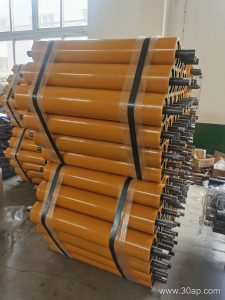
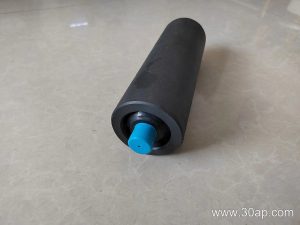
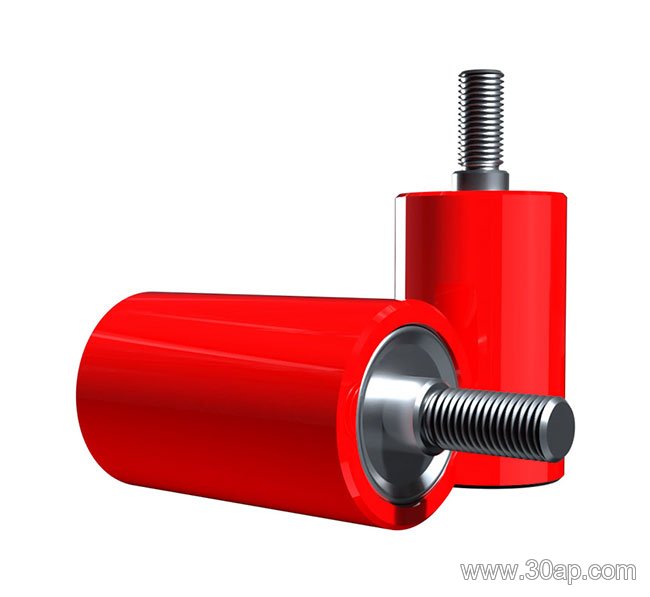
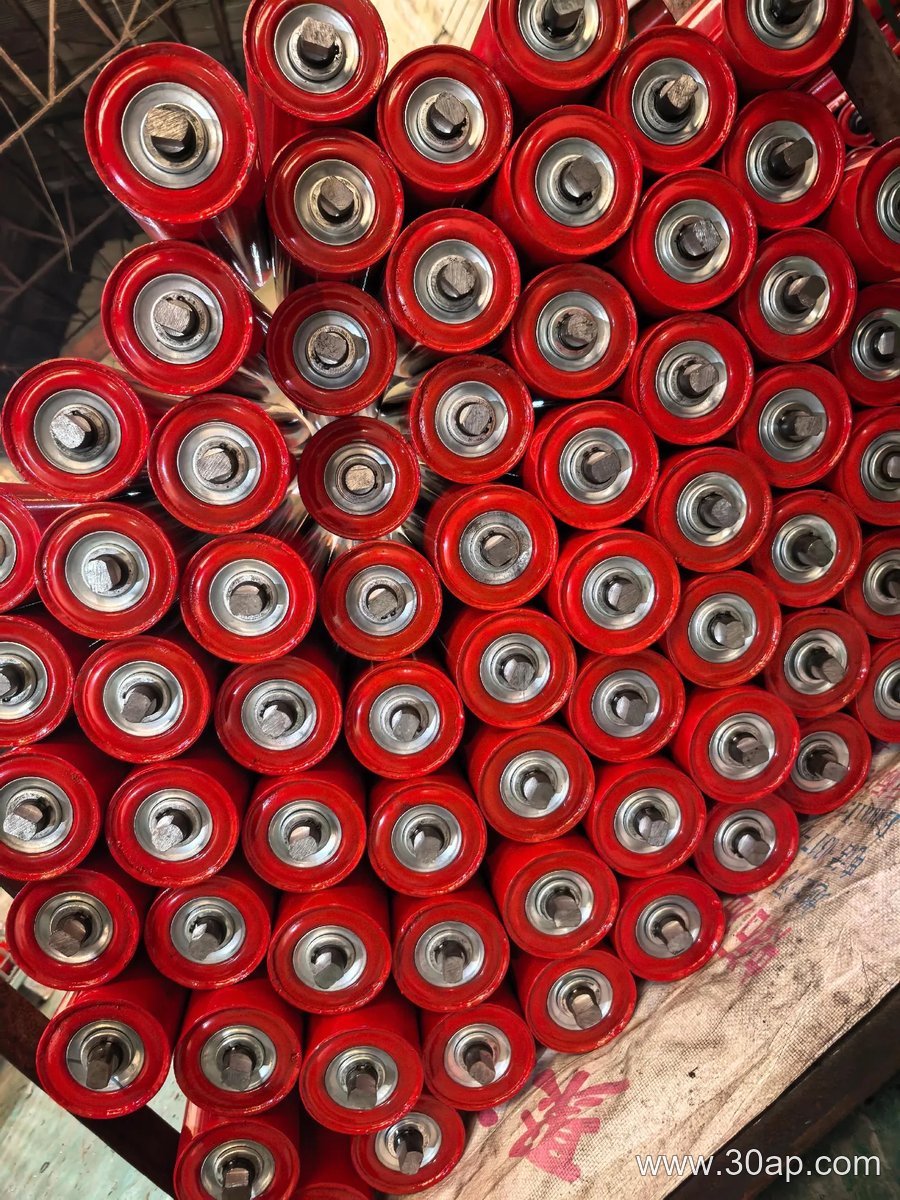
A typical three-roll trough idler set includes three idler rollers, a steel or fabricated bracket frame, and shaft ends that locate in the frame. Each roll has a shell, bearing housing, shaft, and seal. The rolls are usually connected to the frame through slots or brackets so the trough angle can be set during installation. A conveyor bracket that is properly aligned keeps all three rolls in the same plane and at the correct angle to the belt.
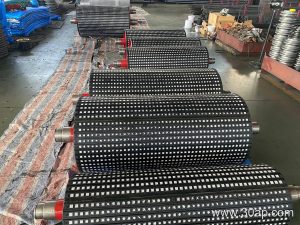
Common roll diameters for troughing idlers include Ø89, Ø108, Ø127, Ø133, Ø159, and Ø178. Larger diameters are often chosen for wider belts, higher loads, or longer conveyors. Roll shell materials vary: steel tube is standard, while nylon, rubber rings, or ceramic coatings may be used in abrasive or sticky service. Bearings such as 6204, 6205, 6305, 6306, 6308, and 6310 are common, but the bearing size should match the roll design and load rating, not just the belt width.
Typical Sizes and Trough Angles
Three-roll trough idlers are made in several belt width ranges. The table below gives common examples; actual roll length and centre roll dimensions depend on the belt width, trough angle, and frame design.
| Belt width | Common side roll length | Typical trough angle |
|---|---|---|
| B500 | Approx. 200 mm | 20°, 30°, 35° |
| B650 | Approx. 250 mm | 20°, 30°, 35° |
| B800 | Approx. 315 mm | 30°, 35°, 45° |
| B1000 | Approx. 380 mm | 30°, 35°, 45° |
| B1200 | Approx. 465 mm | 30°, 35°, 45° |
| B1400 | Approx. 530 mm | 35°, 45° |
| B1600 | Approx. 600 mm | 35°, 45° |
| B1800 | Approx. 670 mm | 35°, 45° |
Trough angles of 20°, 30°, 35°, and 45° are widely used. A deeper trough, such as 45°, holds more material and suits higher capacities, but it also increases belt bending stress and may require a transition idler near the head or tail. Forward tilt of about 1.5° to 2° is sometimes used on training idlers, not on every troughing roll.
Where Three-Roll Trough Idlers Are Used
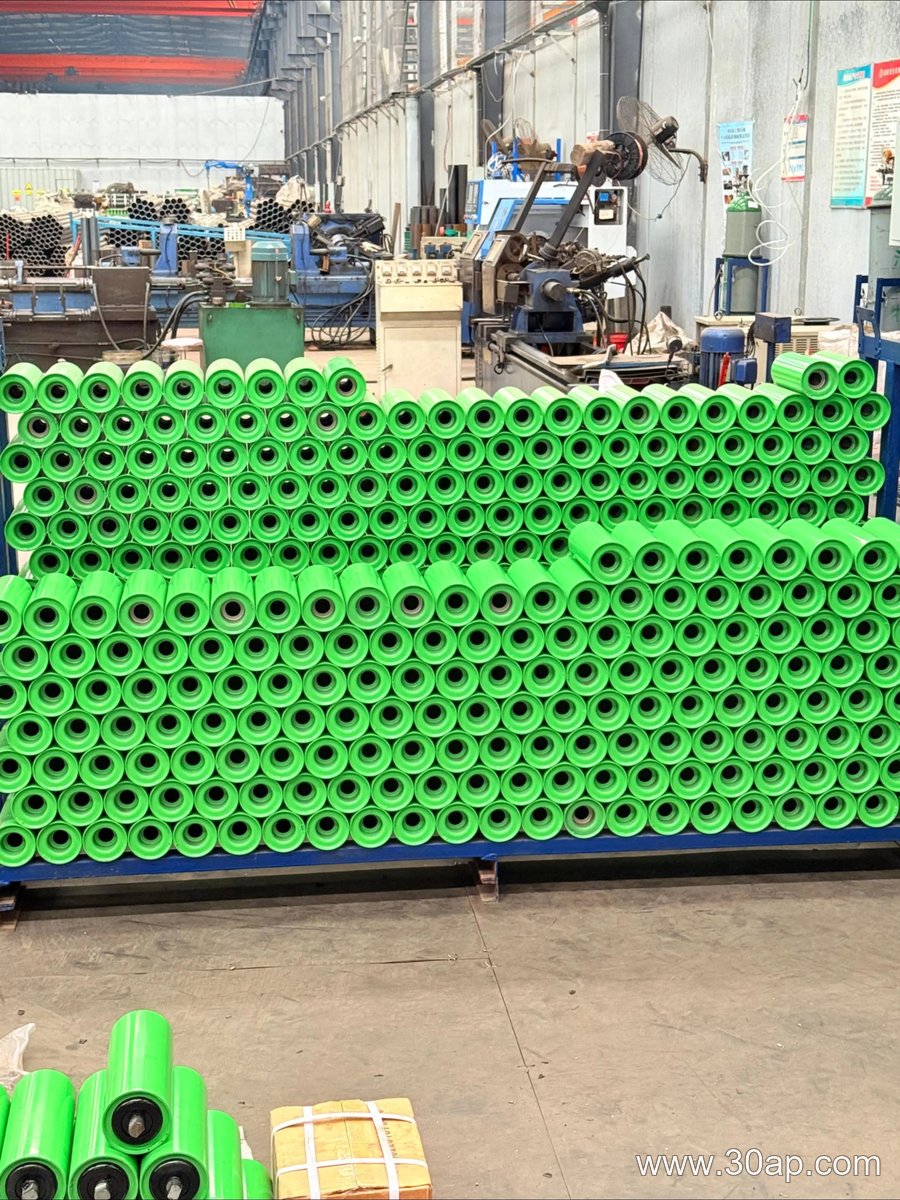
These idler sets appear in many bulk handling plants. In a coal yard or power plant coal handling system, they carry the conveyor belt through bunkers and transfer towers. In a limestone quarry or sand and gravel line, they support crushed stone and screened aggregate. Cement plants use them on clinker and raw material conveyors. Iron ore, copper ore, and sinter plants also rely on troughing idlers in heavy-duty sections. The same three-roll arrangement is common in port bulk terminals, steel mills, and tunnel muck removal lines.
For sticky or wet material, a rubber ring or spiral roll may be used on the troughing idler to reduce build-up. For impact zones, a buffer idler with rubber rings is often placed under the loading chute instead of a standard three-roll trough idler, because the impact forces are different. That is a comparison, not a replacement: the three-roll trough idler remains the normal carrying idler along the conveyor.
Buyer Checklist
- Confirm belt width, trough angle, and roll diameter before ordering.
- Check the shaft and bearing size against the actual load, not just belt width.
- Decide on roll surface: steel, nylon, rubber ring, or ceramic, based on material abrasiveness and moisture.
- Match the frame bracket to the existing conveyor bracket spacing and bolt holes.
- Ask for the seal type, since dust and fine particles are a common cause of early bearing failure.
- Keep spare rolls and brackets for high-wear sections such as loading points and curves.
A three-roll trough idler is a simple assembly, but the details of roll diameter, trough angle, bearing, and seal determine how long it lasts. Buyers should treat the size table as a starting point and confirm dimensions against the actual conveyor design.