What a 600mm Conveyor Belt Is
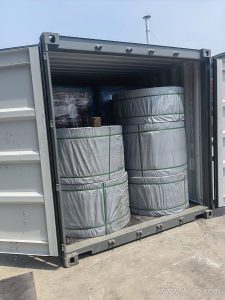
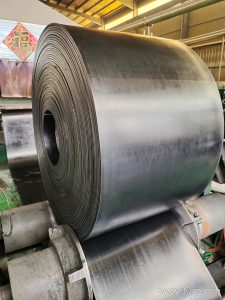
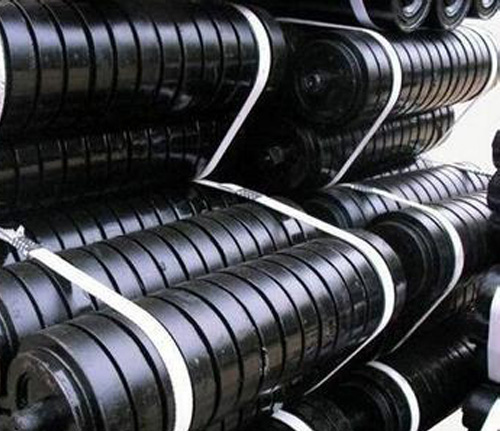
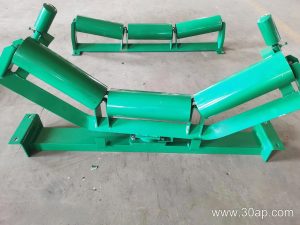
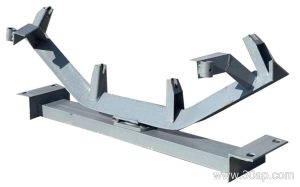
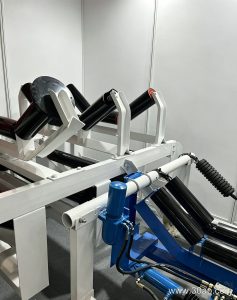
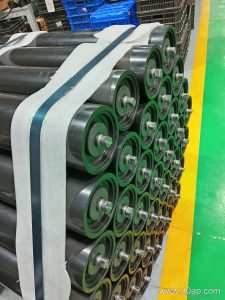
A 600mm conveyor belt is a belt with a nominal width of 600 millimeters, often written as B600 in technical documents. It sits in the mid range of bulk handling belt widths, wider than narrow package-handling belts but narrower than the large belts used on long overland systems. In practice, a 600mm conveyor belt is the belt itself, while the complete machine also needs idler rollers, conveyor pulleys, and a sturdy conveyor bracket system to keep the belt tracking and supported.
The exact construction depends on the duty. A light sand and gravel line may use a two-ply fabric belt, while a cement plant feeding clinker or a coal mine transfer point may need a heavier carcass with thicker covers.
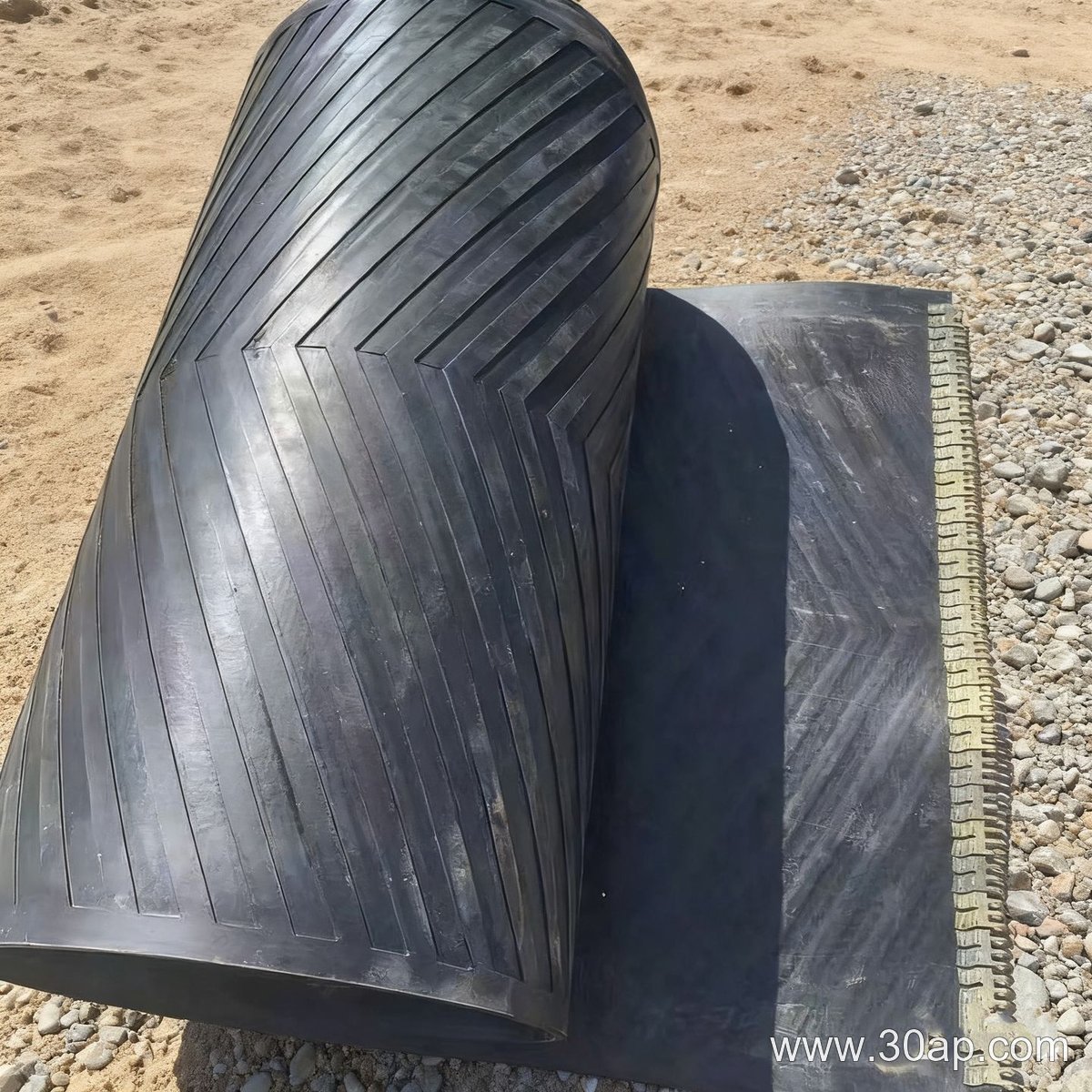
Construction and Common Specifications
Most 600mm belts combine a fabric or steel carcass with rubber or PVC covers. Fabric types include EP (polyester-cotton) and NN (nylon-nylon), while steel cord is chosen for high tension and long distances. Cover grade follows the material: abrasion-resistant for crushed stone, heat-resistant for clinker, oil-resistant for some industrial feeds, and flame-retardant or antistatic grades for coal mines and other enclosed areas.
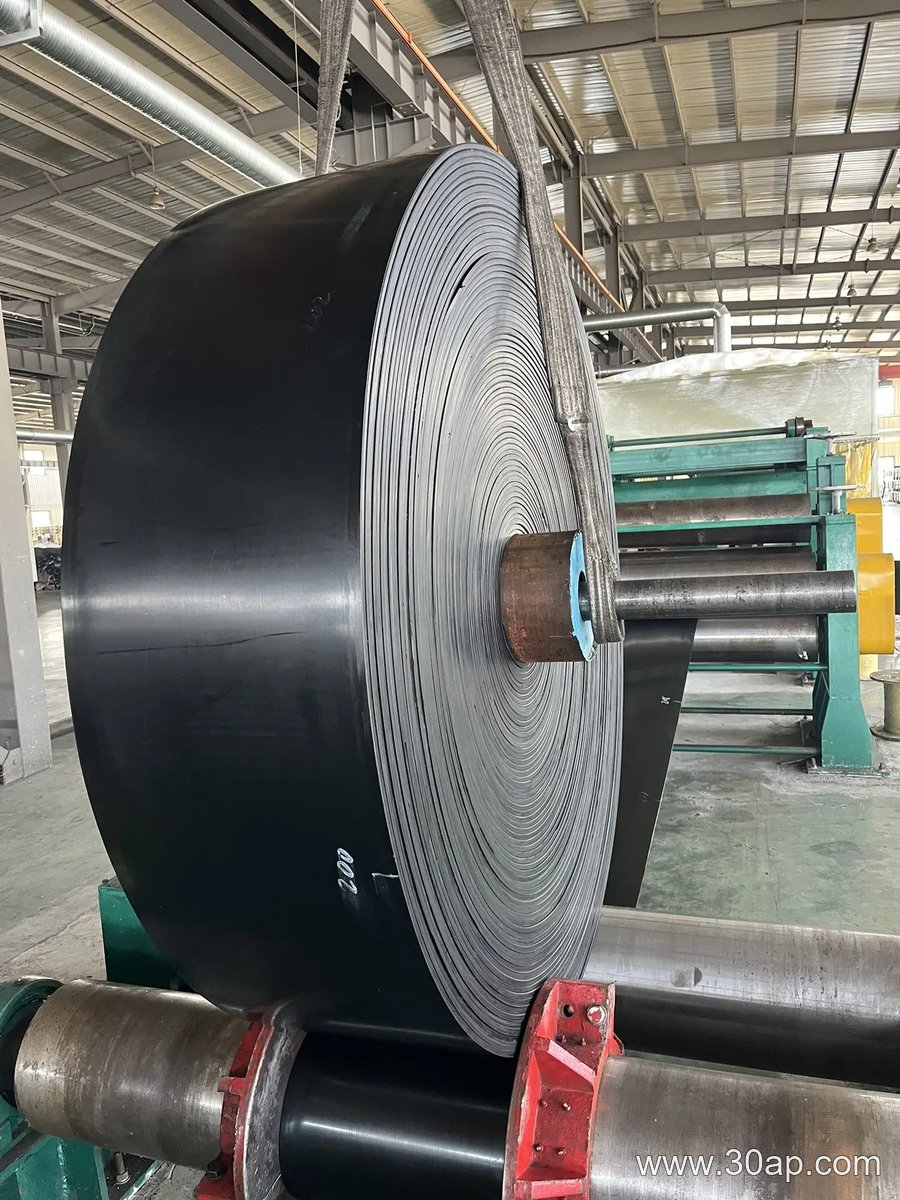
Typical reference values are listed below. These are common ranges, not fixed supply promises, and final selection is made by the system designer.
- Belt width: B500, B650, B800, B1000, B1200, B1400, B1600, B1800, B2000
- Fabric strength grades: EP200, EP315, EP400, EP500, EP630, EP800, EP1000, EP1250, EP1600, EP2000
- Cover thickness: 3+1.5 mm, 4+2 mm, 5+2 mm, 6+2 mm, 8+3 mm
- Carcass plies: usually 2 to 6 layers for fabric belts
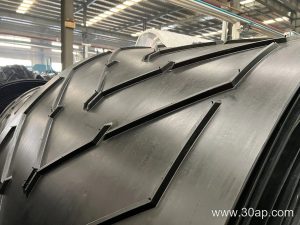
Surface forms such as smooth, patterned, chevron, or corrugated sidewall can be added when the incline is steep or the material tends to slip. A 600mm chevron belt, for example, is still a 600mm belt, but the raised profile changes how it handles wet or loose material.
Where This Belt Width Fits
At 600 millimeters, the belt is a practical choice for medium-capacity lines. You will see it on mobile crushers, screening plants, stockyard conveyors, and short transfer belts in a sand and gravel yard. In a cement plant it may carry limestone, gypsum, or additives. In a coal mine it can serve as a gathering or panel belt when the tonnage and lump size suit the width. Power plants use it for coal and ash handling, and many bulk terminals use it for loading and unloading smaller streams.
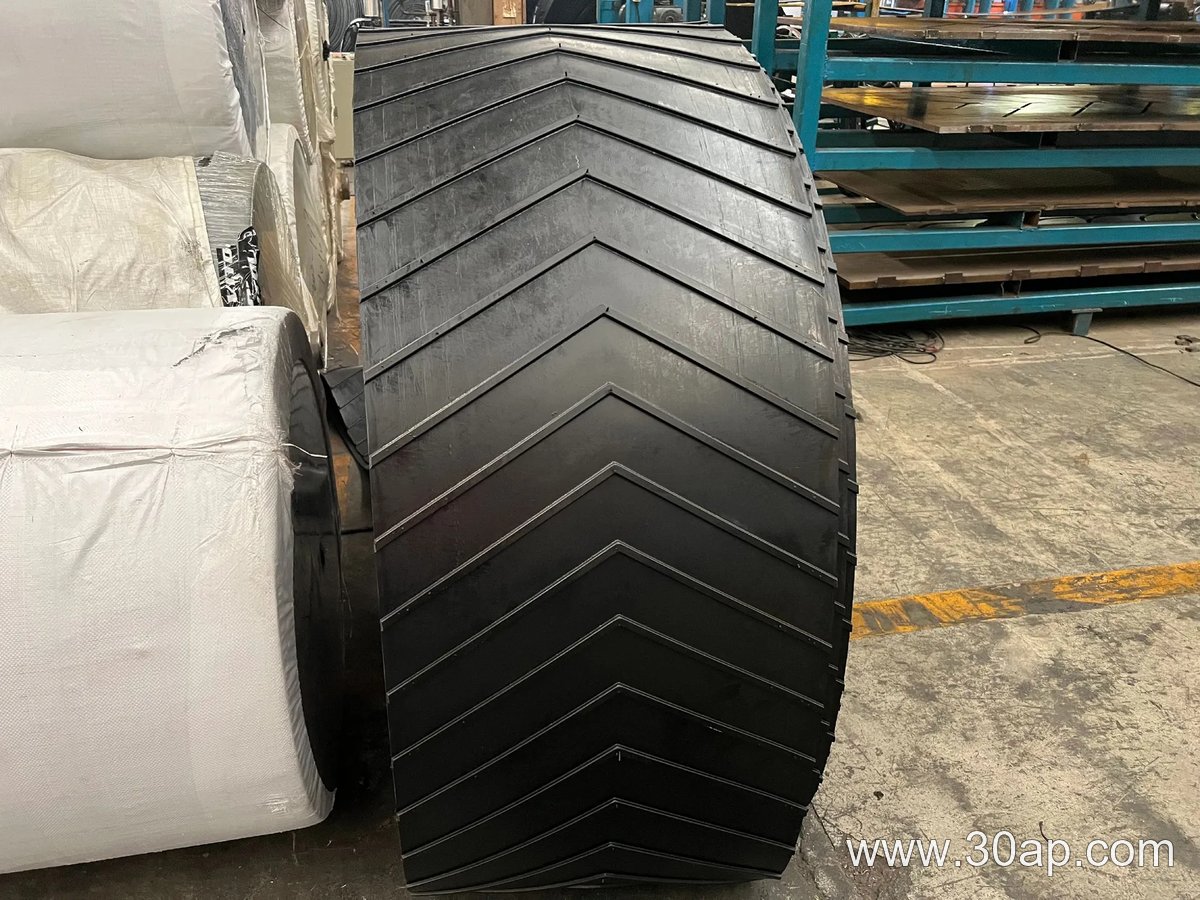
The width should match the material. A 600mm belt handles fine and medium lump sizes well. Very large lumps, high tonnage, or long spans usually call for a wider belt, while a 600mm unit may be more than enough for a low-capacity feeder. Matching the belt to the idler roller spacing and pulley face is part of keeping the belt centered and avoiding edge damage.
Selection Points for Buyers
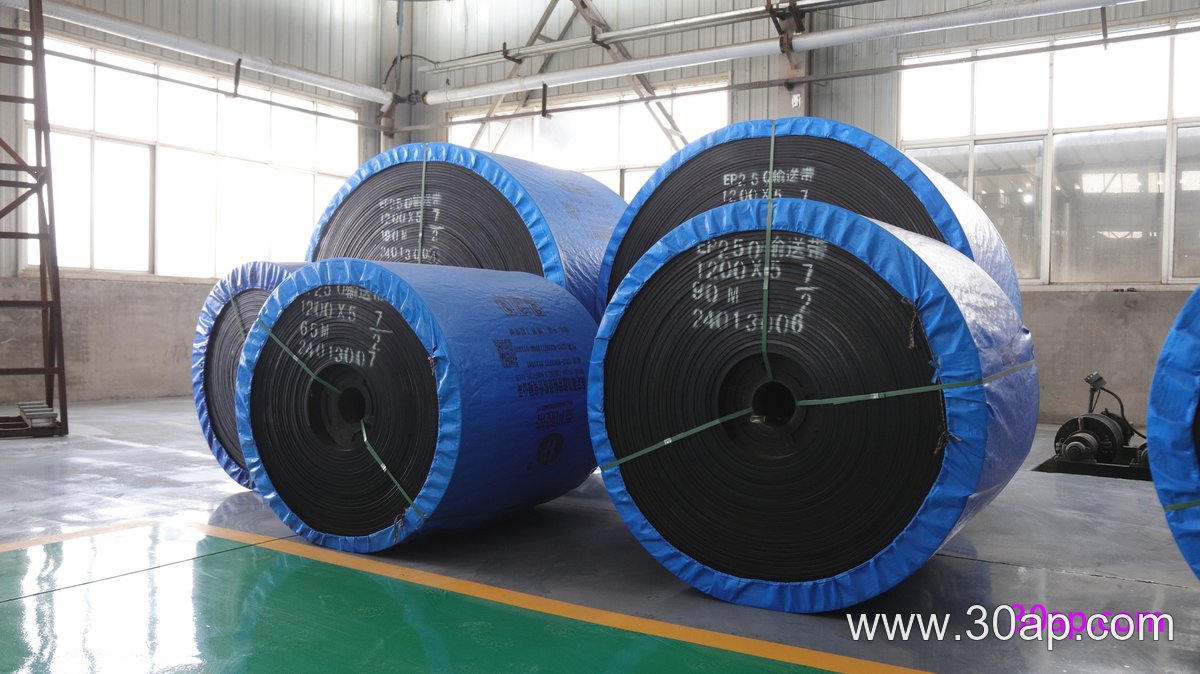
Before ordering, confirm the actual belt width, carcass type and ply count, cover grade and thickness, and whether the edges need protection. Check the pulley diameters and shaft sizes from the conveyor design, since belt width alone does not fix these values. A 600mm belt can run on different pulley diameters depending on tension, speed, and space.
Ask about the splice method, because a vulcanized joint and a mechanical fastener behave differently under load. For a coal mine or cement plant, also confirm the flame-retardant and antistatic requirements in the project specification. Finally, keep spare idler rollers and a spare conveyor pulley in the maintenance plan, and inspect the conveyor bracket and frame for alignment. Correct tracking, clean pulleys, and proper tension extend belt life far more than any single specification.
Used with the right drive, tail, and bend pulleys, a 600mm conveyor belt can serve reliably in mining, cement, power, and aggregate operations when the grade, width, and splice all match the duty.