What Is a Ø133 Return Idler
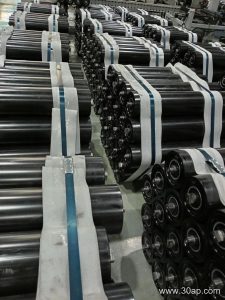
A Ø133 return idler is a specific type of idler roller used on the return side of a conveyor belt. The “Ø133” refers to the roller diameter of 133 mm, a common size in bulk material handling. This idler supports the empty belt on its way back to the tail pulley after discharging cargo. In industries such as coal mining, cement plants, and aggregate quarries, these return rollers help maintain belt alignment and reduce sag, which extends belt life and lowers energy consumption.
Unlike a conveyor pulley, which drives or redirects the belt at the ends, a return idler is a free-rolling component placed along the carrying and return strands. The Ø133 return idler is typically a single flat roller, though it may also be part of a V-shaped or spiral return set. It is not a drive pulley or a bend pulley; those are entirely different components with distinct functions.
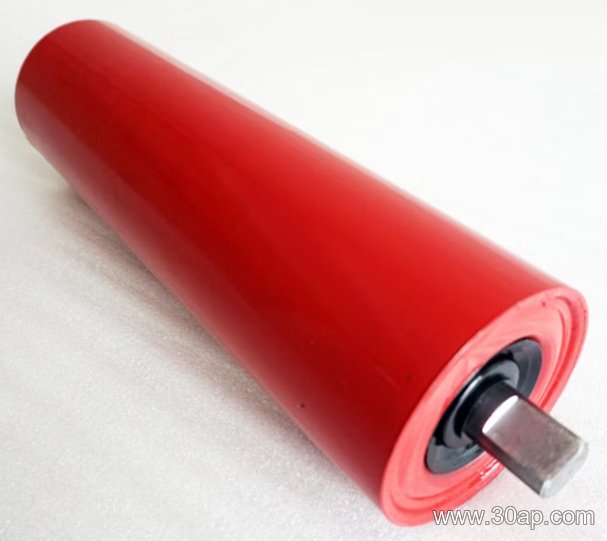
Construction and Key Components
A typical Ø133 return idler consists of a steel tube shell, bearing housings, a shaft, and seals. The roller surface may be plain steel, nylon, or rubber-covered depending on the application. For dusty or abrasive environments like coal handling or limestone crushing, sealed bearings are essential to prevent premature failure.
Common bearing sizes used in this diameter include 6205, 6305, and 6306, but the choice depends on load and speed, not on the roller diameter alone. The shaft diameter is determined by the bracket design and the required load capacity, not simply by the belt width. Manufacturers often offer different shaft ends, such as flat or threaded, to fit various conveyor brackets.
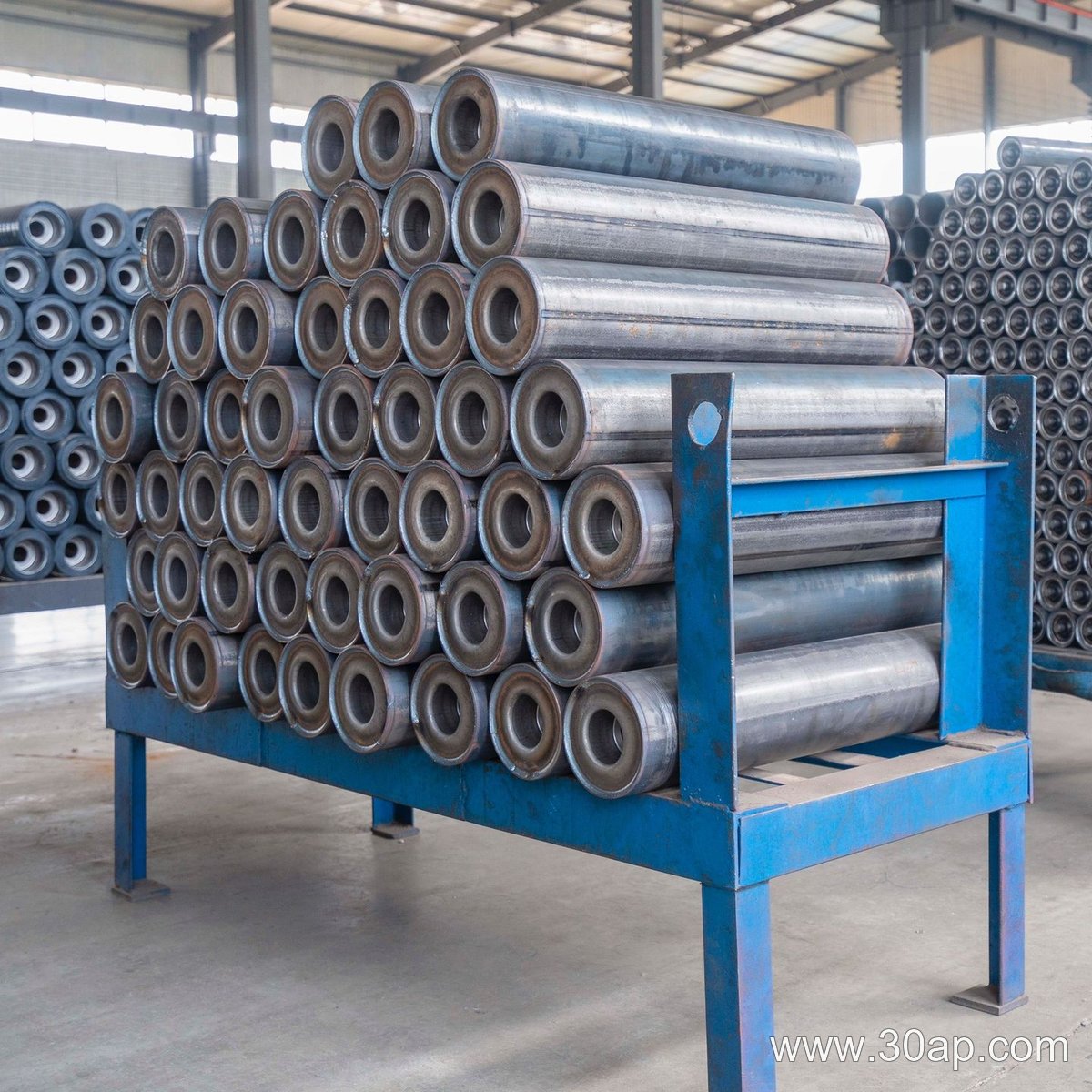
The roller length varies with belt width and the return idler configuration. For a flat return idler, the roller length is usually slightly longer than the belt width to ensure full support. For a V-return set, two rollers are inclined to center the belt. Below are typical reference dimensions for return idlers, but these are examples only and should be confirmed with the actual conveyor design.
| Belt Width (mm) | Typical Roller Length (mm) | Common Return Idler Type |
|---|---|---|
| B500 | 200 | Flat or V-return |
| B650 | 250 | Flat or V-return |
| B800 | 315 | Flat or V-return |
| B1000 | 380 | Flat or V-return |
| B1200 | 465 | Flat or V-return |
| B1400 | 530 | Flat or V-return |
| B1600 | 600 | Flat or V-return |
Note that side rollers in a V-return set may have different lengths than the central roller. Always refer to the conveyor manufacturer’s drawing for exact dimensions.
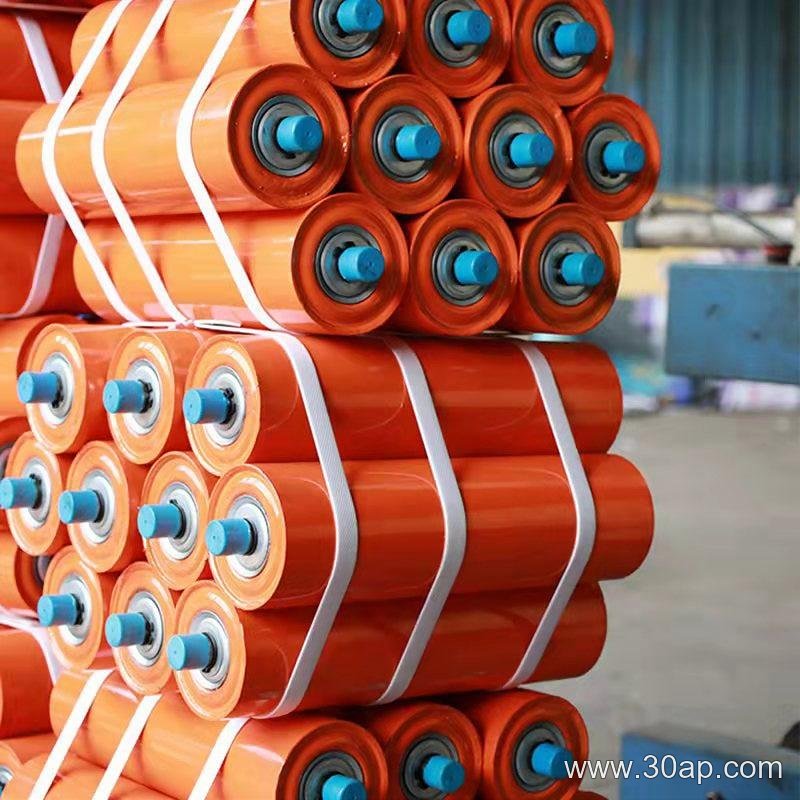
Where Ø133 Return Idlers Are Used
These idlers are found in many bulk material handling operations. In a coal-fired power plant, they support the return strand of the conveyor belt that feeds coal to the bunkers. In a sand and gravel pit, they help keep the belt tracking straight on long overland conveyors. Cement plants use them on clinker and raw material transport lines. Other applications include iron ore mines, fertilizer plants, and port loading facilities.
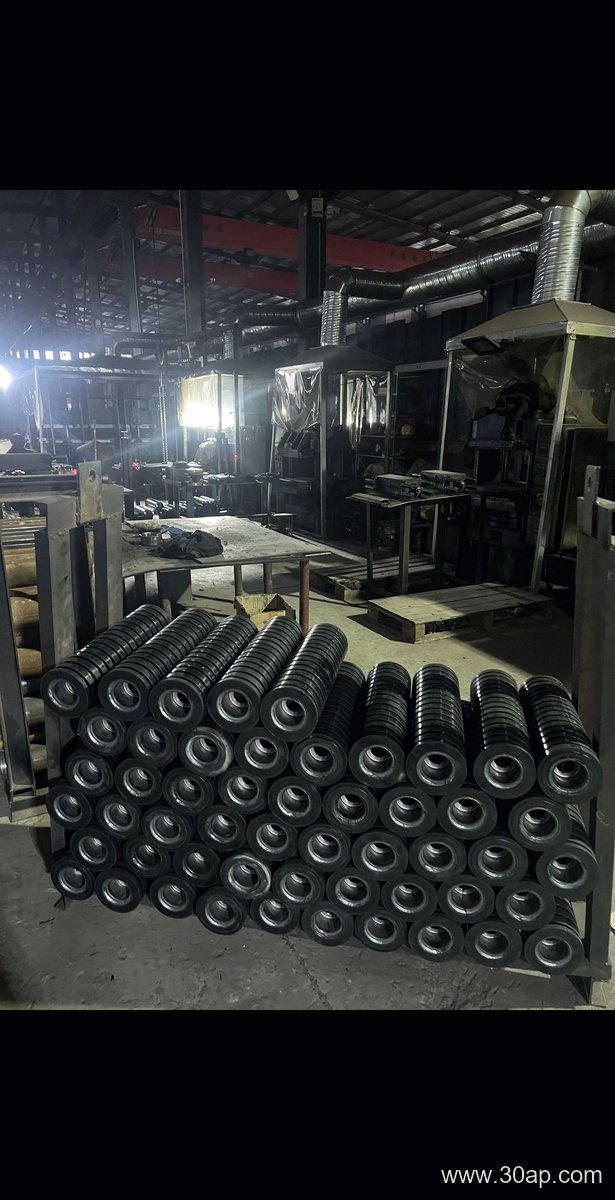
Because the return side carries no material, the load on a return idler is lower than on a carrying idler. However, the belt itself still has weight, and misalignment or frozen rollers can cause belt edge damage and excessive power draw. Therefore, choosing the right return idler—whether flat, V-shaped, or spiral—is important for reliable operation.
Selection and Maintenance Tips for Buyers
When specifying a Ø133 return idler, consider the following:
- Belt width and speed: The roller length must match the belt width, and the bearing must handle the rotational speed.
- Environment: For dusty or wet conditions, choose sealed bearings and corrosion-resistant coatings.
- Roller surface: Steel is standard; nylon or rubber may reduce noise and belt wear in some cases.
- Mounting: Check that the shaft ends fit your existing conveyor brackets. Adapters are available but add cost.
- Maintenance: Inspect for seized bearings, worn shells, and material buildup. Replace any idler that does not spin freely.
Do not assume that a Ø133 return idler is interchangeable with a carrying idler or a transition idler. Each position on the conveyor has specific requirements. For example, a transition idler near the head pulley is designed to gradually trough the belt, while a return idler simply supports the flat return belt. Similarly, a impact idler under the loading zone uses rubber rings to absorb shock, which a standard return idler does not.
Finally, remember that the Ø133 dimension is just one of many available diameters, such as Ø127, Ø159, or Ø178. The right choice depends on the belt width, load, and conveyor layout. Always consult the conveyor design manual or an experienced engineer before ordering.