What a 6204 Bearing Idler Is
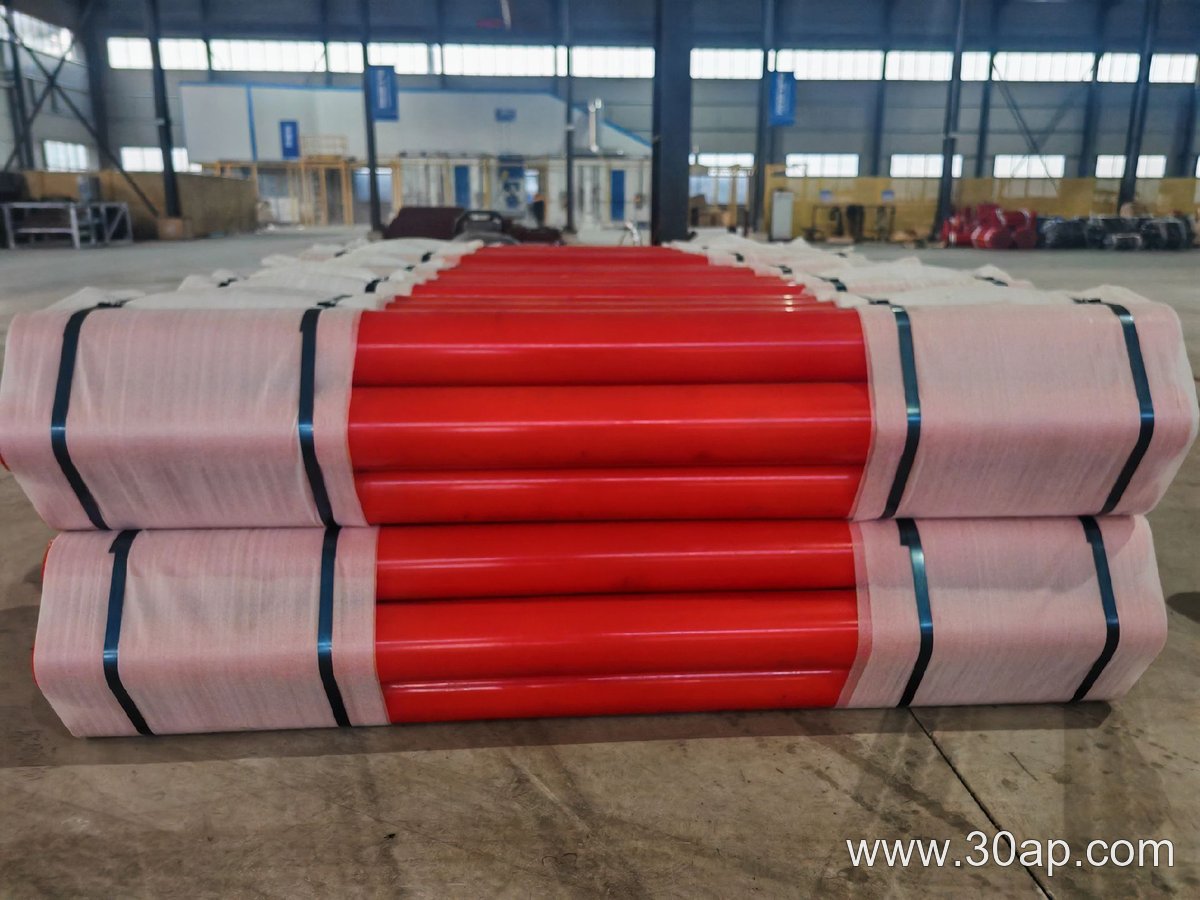
A 6204 bearing idler is a conveyor idler roller built around the 6204 deep groove ball bearing. It is one of the smaller bearing sizes commonly used in idler rollers for light to medium duty conveyors, and it appears frequently in aggregate, cement, and crushing circuits where belt widths are moderate and loads stay within a predictable range. The idler roller itself is the rotating cylinder that supports the conveyor belt and the material riding on it.
Because the bearing sits inside the roller, the quality of the bearing, the sealing arrangement, and the concentricity of the tube all matter as much as the bearing number. A 6204 bearing idler is not simply a tube with a bearing pressed in. It is a small assembly in which the bearing housing, the shaft, the labyrinth seal, and the roller shell work together.
How the Idler Is Built
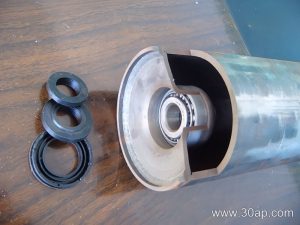
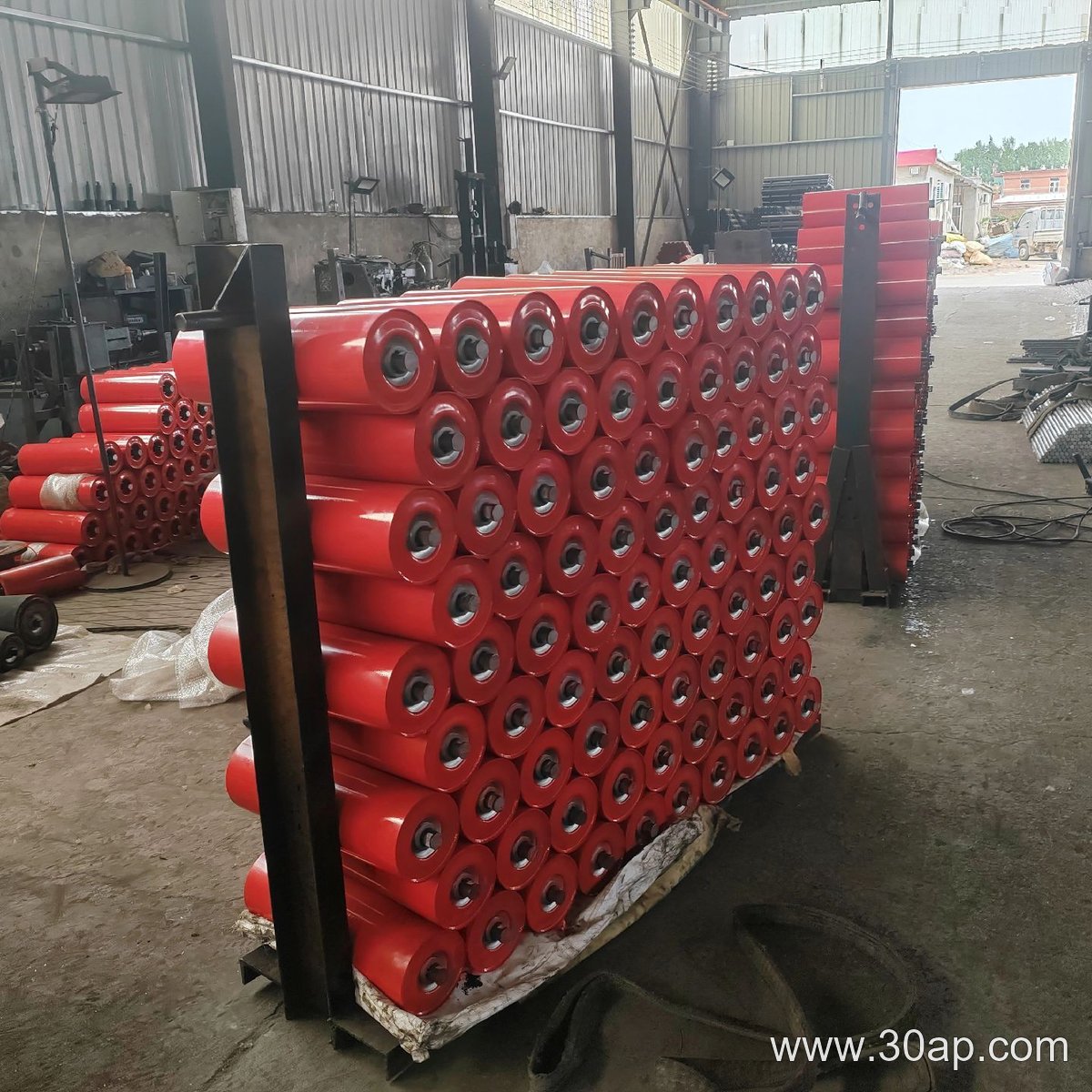
The typical construction starts with a steel tube that forms the roller shell. End caps are welded or pressed into both ends, and each end cap holds a bearing seat. The shaft passes through the center, and the 6204 bearing supports the rotating tube on that shaft. Seals sit outboard of the bearing to keep dust, water, and fine material out of the bearing cavity.
- Roller shell: often a steel tube, sometimes nylon or ceramic coated on the surface for special duty
- Bearing: 6204 deep groove ball bearing, one at each end in most designs
- Shaft: fixed to the conveyor bracket or frame, not rotating with the tube
- Seals: labyrinth or contact seals depending on the dust and moisture level
- End caps: stamped or machined, welded or press fitted to the tube
Grease is usually packed into the bearing cavity during assembly. A well-made 6204 bearing idler will hold that grease for a long service interval if the seal is effective.
Where It Fits on a Conveyor
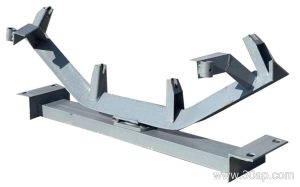
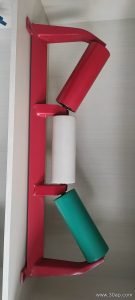
The 6204 bearing idler is most often found in the carrying side or the return side of smaller conveyors. In a three-roll troughing set, it may act as a side roller or a center roller, depending on the belt width and the trough angle. In a two-roll set, it can serve as a side roller on narrower belts. Return idlers and flat lower idlers sometimes use the same bearing size when the belt is light and the spacing is close.
Common industries include sand and gravel lines, cement plants, coal handling, and crushing and screening plants. In a quarry or a limestone mine, the idler roller must survive fine abrasive dust. In a cement plant, it may also see heat and fine powder. In a coal yard or power plant coal handling line, moisture and fines can challenge the seal. The 6204 bearing idler is not the right choice for every one of these duties, but it is a practical option when the load and belt width are moderate.
Bearing Size and Roller Diameter
Bearing number and roller diameter are related in design, but they are not locked into a single combination. A 6204 bearing can be used in more than one roller diameter, and a given roller diameter can be built with different bearings. The table below shows common roller diameters and belt width examples, not fixed pairings.
| Roller diameter | Common belt width examples | Troughing roll length example |
|---|---|---|
| Ø63 mm | B400, B500 | 200 mm for B500 three-roll set |
| Ø76 mm | B500, B650 | 250 mm for B650 three-roll set |
| Ø89 mm | B650, B800 | 315 mm for B800 three-roll set |
| Ø102 mm | B800, B1000 | 380 mm for B1000 three-roll set |
| Ø108 mm | B1000, B1200 | 465 mm for B1200 three-roll set |
These values are typical references. Side rollers and center rollers can have different lengths in the same troughing set, and the actual roller length should follow the belt width, trough angle, and frame design. Do not assume that one belt width can only match one pulley diameter, and do not assume that a belt width alone fixes the shaft diameter. The shaft is determined by the load, the bracket, and the bearing housing design.
What a Buyer Should Check
When specifying a 6204 bearing idler, ask about the bearing brand or grade, the seal type, the tube wall thickness, and the shaft material. For dusty locations such as a coal yard or a sand and gravel line, a labyrinth seal is often preferred over a simple contact seal. For wet or washdown areas, the seal and the grease choice matter even more.
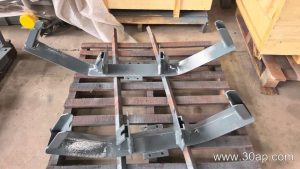
Also confirm the mounting details. The conveyor bracket must match the shaft end shape, whether it is a flat, a notch, or a threaded end. A mismatch here can stop a project more effectively than any bearing issue.
Maintenance Notes
Idlers do not usually need routine greasing if they are sealed for life. The practical maintenance check is rotation: a seized or rough-turning idler roller should be replaced before it wears through the belt cover. In a crushing or screening plant, keep an eye on idlers near the feed point, where impact and dust are heaviest. A 6204 bearing idler in a clean, moderate-duty position can last a long time, while the same idler in a poorly sealed, abrasive location may fail early. The difference is usually in the seal and the installation, not in the bearing number alone.