What a Conveyor Bracket Does on a Belt System
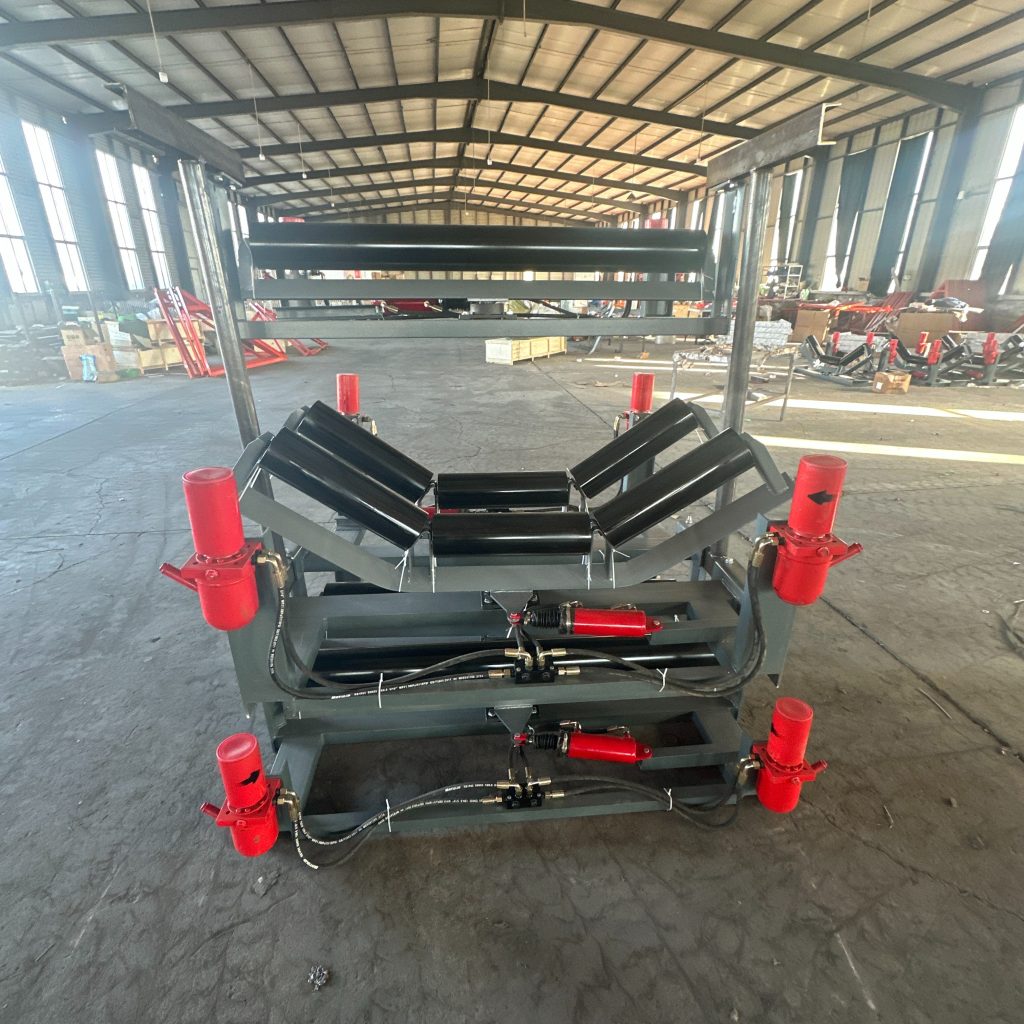
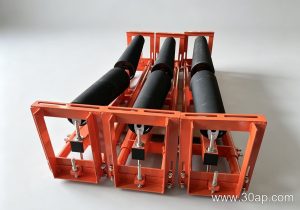
A conveyor bracket is the structural support that holds idler rollers in position along a conveyor frame. In a quarry, coal preparation plant or cement kiln feed line, the bracket carries the weight of the conveyor belt, the material load and the roller assembly itself. It also sets the trough angle, which shapes the belt into a curved profile so bulk material stays centred during transport.
You may see this component called a conveyor support bracket or roller mounting bracket. These are equivalent names for the same product family. The bracket is not a pulley, and it does not drive or redirect the belt. Drive pulleys, tail pulleys and bend pulleys are separate assemblies with different functions and mounting arrangements.
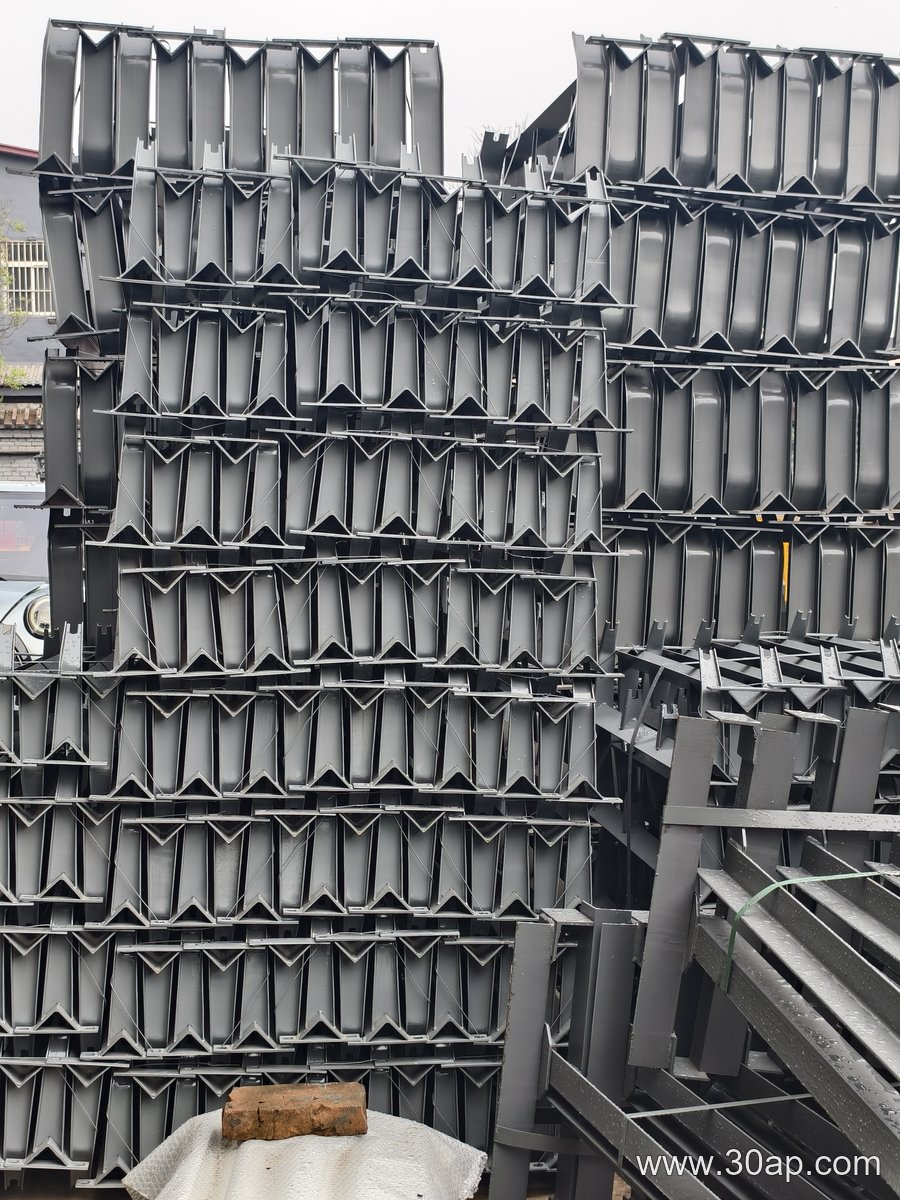
Common Types and Where They Sit
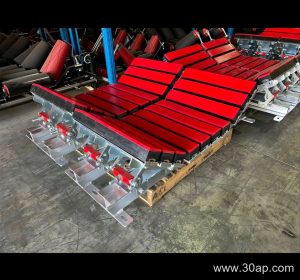
The position on the conveyor line decides which bracket type is used. A troughing bracket sits on the carrying side and holds three rollers in a trough shape. A return bracket supports the belt on the empty side, often with a single flat roller or a V-shaped return set. A transition bracket is placed near a pulley, where the belt changes from troughed to flat. Impact brackets are used under loading chutes, and self-aligning brackets help correct belt tracking.
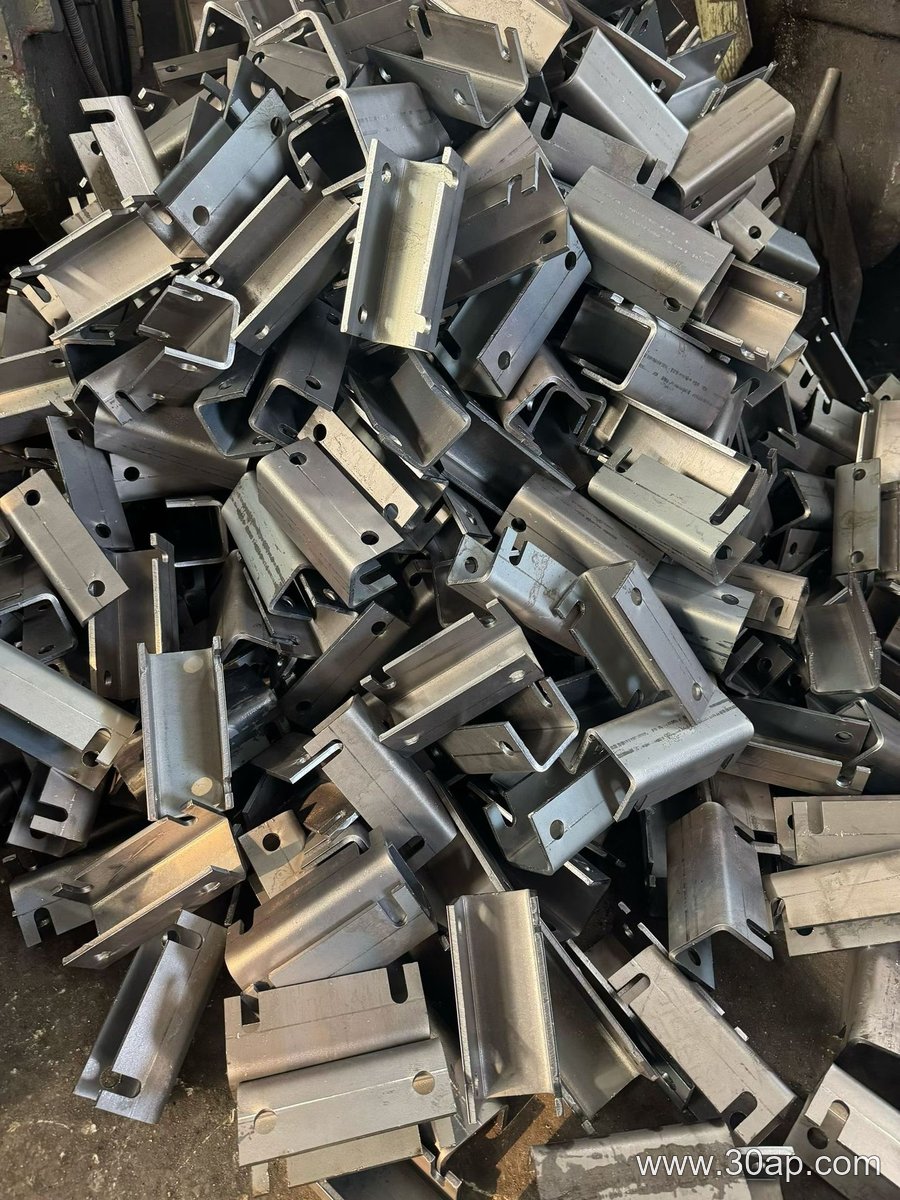
- Troughing bracket: carrying side, three-roller arrangement
- Return bracket: empty side, flat or V-shaped roller support
- Transition bracket: near pulleys, gradual trough change
- Impact bracket: below the loading point, cushioning the belt
- Self-aligning bracket: tracking correction on long runs
Adjustable brackets allow the trough angle to be changed between common settings such as 20, 30, 35 and 45 degrees. This is useful when a plant handles different materials or when the belt needs fine tuning after installation.
Construction and Typical Parameters
Most brackets are made from angle steel, channel steel or folded steel plate. The frame must resist bending under the roller load and stay square so the rollers sit at the correct height. Bolt holes and crossbeam length are usually determined by belt width and trough angle, so they vary from one design to another.
| Parameter | Common range |
|---|---|
| Belt width | B500, B650, B800, B1000, B1200, B1400, B1600, B1800, B2000, B2200 |
| Trough angle | 20, 30, 35, 45 degrees |
| Roller diameter | Ø89, Ø108, Ø133, Ø159, Ø194 |
| Forward tilt | about 1.5 to 2 degrees |
| Material | angle steel, channel steel, folded plate |
A combination such as B800 with 35 degrees and Ø108 rollers is common, but it is not the only valid match. A B1200 conveyor may use 45 degrees and Ø133 rollers, or another arrangement depending on the material and belt speed. Belt width, roller diameter and trough angle are selected together, not as fixed pairs.
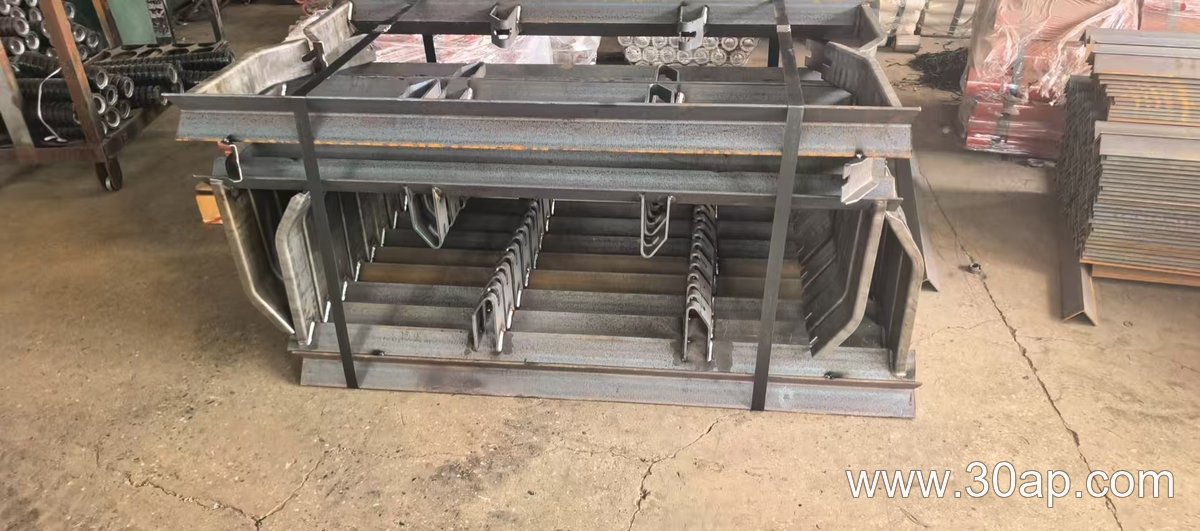
How It Works With the Belt and Rollers
The bracket, the idler roller and the conveyor belt form a working set. If the bracket is misaligned, the rollers sit unevenly and the belt may drift to one side. If the bracket is too weak, it can deflect under load and cause roller vibration. Correct spacing between brackets also matters, because it affects belt sag between support points.
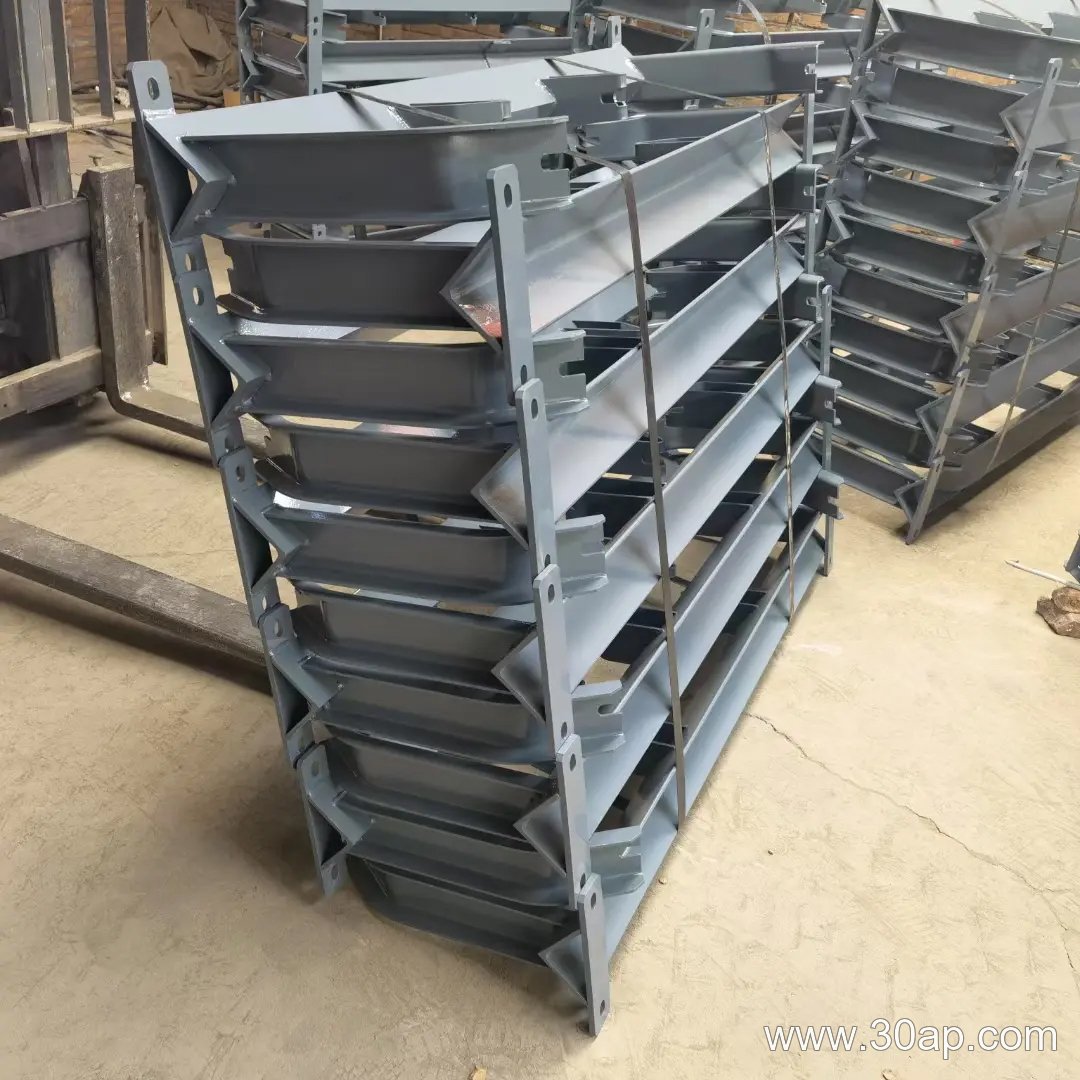
At a transfer point, a buffer bracket with rubber or spring cushioning reduces impact from falling material. On the return side, a V-shaped bracket helps remove clinging material and keeps the belt centred. Near a drive pulley or bend pulley, a transition bracket supports the belt as it opens from the trough profile into a flat shape.
Buyer Checklist
Before ordering, confirm the belt width, the required trough angle and the roller diameter. Check the mounting hole spacing and the crossbeam length against the existing conveyor frame, because these dimensions follow the design rather than a single universal standard. Ask whether the bracket is fixed or adjustable, and whether it is intended for carrying, return, impact or transition service.
Also consider the working environment. In a sand and gravel line, dust and abrasion are normal. In a fertilizer or grain silo, corrosion resistance may matter more. The bracket material and surface treatment should suit the site, but no single finish is mandatory for every conveyor. Matching the bracket to the actual roller and belt combination is the most reliable way to keep a conveyor running smoothly.