Idler Roller: The Backbone of Efficient Bulk Material Handling
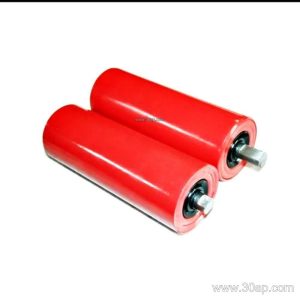
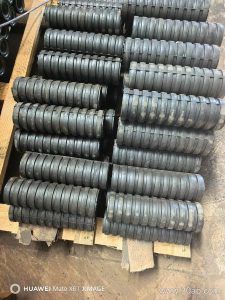
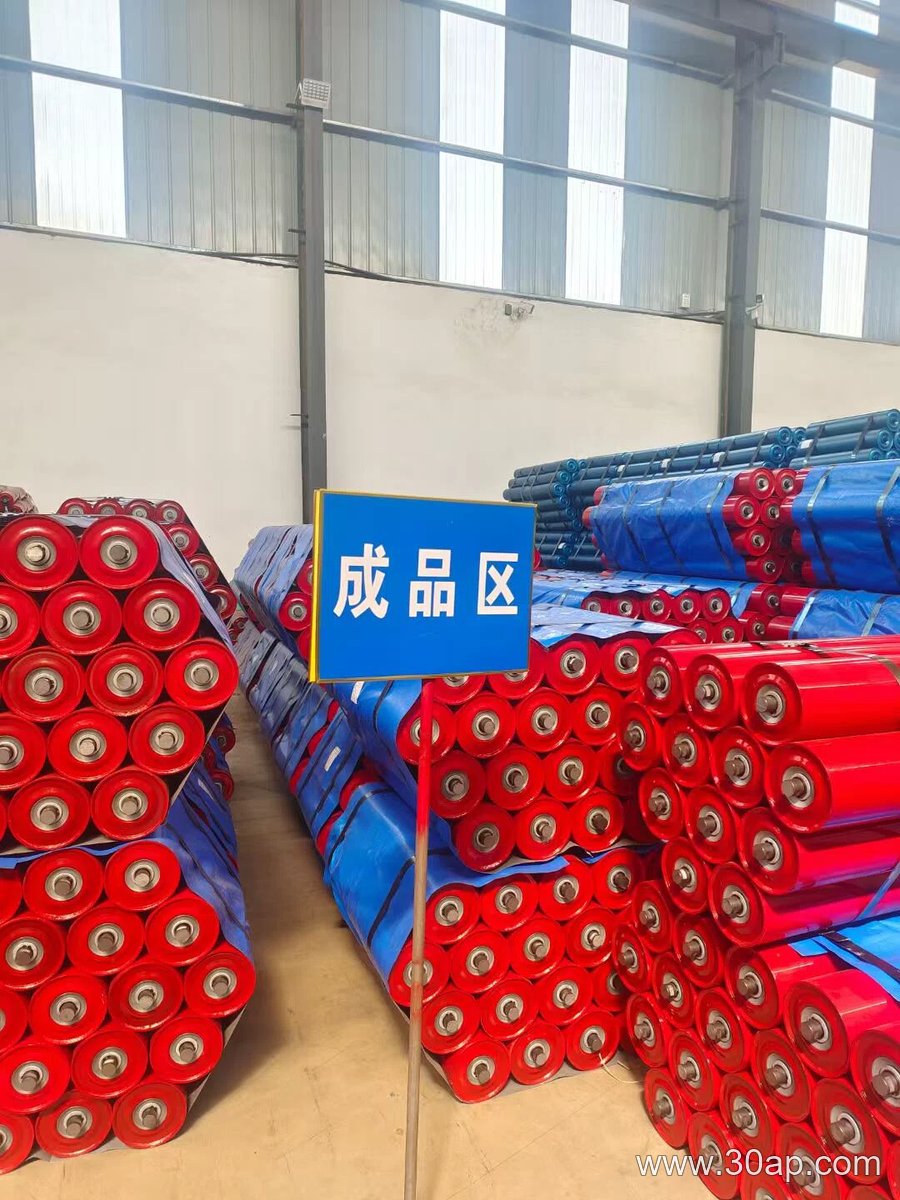
An idler roller is more than a rotating cylinder—it is the critical support structure that shapes the conveyor belt, absorbs impact, and ensures smooth, low-friction movement of materials. Choosing the wrong idler roller leads to belt misalignment, premature wear, and costly downtime.
Key Selection Criteria for Industrial Idler Rollers
- Load rating: Match the roller’s dynamic load capacity to your maximum belt load, including surge peaks.
- Roller diameter: Larger diameters (e.g., 159mm or 194mm) reduce belt sag and improve impact resistance for heavy aggregates.
- Sealing system: Opt for labyrinth or triple-lip seals in dusty or wet environments to prolong bearing life.
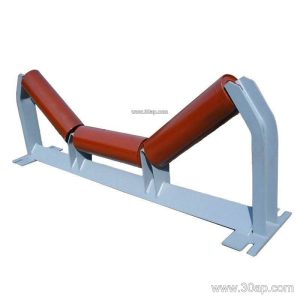
- Trough angle: Standard 20°, 35°, or 45° troughing idlers must align with your belt’s carrying capacity and material repose angle.
- Shell material: Steel is cost-effective; rubber-coated or HDPE shells reduce material build-up and noise.
Purchasing and Maintenance Advice
Always verify the idler roller’s runout tolerance (≤0.7mm) and bearing clearance to prevent vibration. Request samples for on-site testing—especially for high-speed or high-temperature applications. For replacements, measure the existing roller’s shaft diameter, overall length, and mounting bracket type before ordering. Schedule monthly inspections for shell wear and seal integrity; rotating rollers every 6 months can extend service life by up to 30%.
Why the Conveyor Pulley Demands First Attention
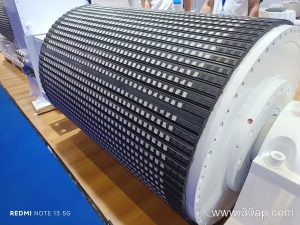
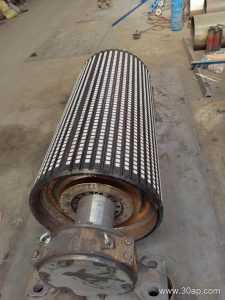
The conveyor pulley is not a passive roller; it is the mechanical heart of any belt system. It transmits drive torque, maintains belt tension, and dictates tracking accuracy. A poorly chosen pulley causes slippage, misalignment, and premature belt failure.
Key Specifications for Purchasing
- Belt width and speed: Determine face length and minimum diameter to prevent shell flexing.
- Shaft load rating: Calculate from belt tension, wrap angle, and material weight—never guess.
- Lagging type: Rubber for drive pulleys, ceramic for high-grip or wet conditions, and plain steel for tail or bend pulleys.
- Bearing and hub design: Choose self-aligning bearings for long centers, and taper-lock hubs for easy maintenance.
Practical Selection Advice
Always specify the pulley crown profile for the head (drive) and tail pulleys. A 0.5–1 mm crown per meter of face width improves belt self-centering. For abrasive environments, request thicker shell walls and vulcanized lagging—avoid bolt-on covers that trap debris. Finally, verify dynamic balancing if operating above 300 m/min, as imbalance accelerates bearing wear and vibration.
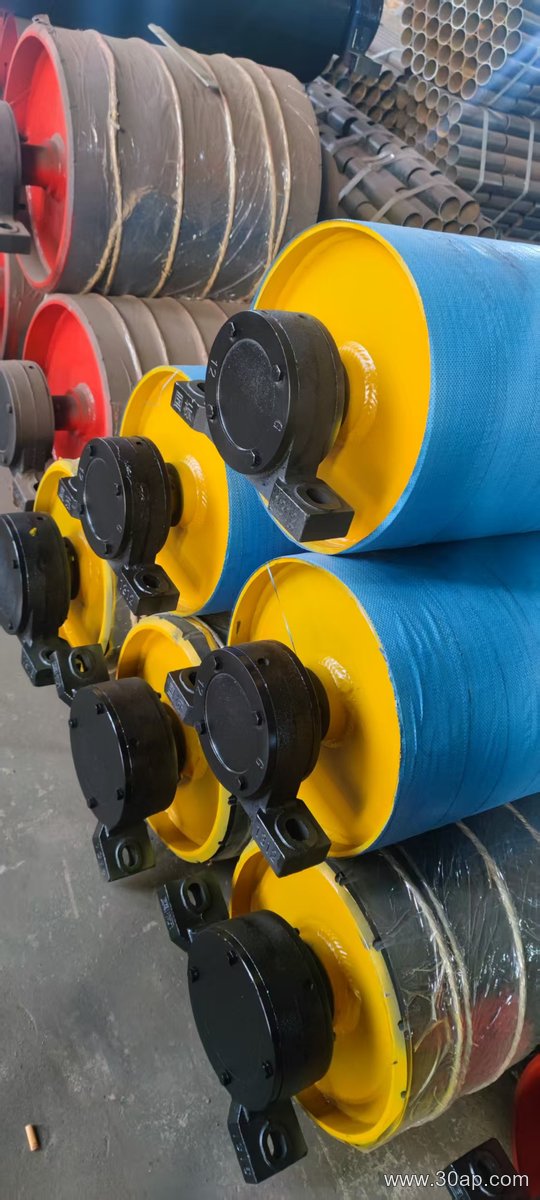
Request a full datasheet with weld inspection reports and shaft deflection calculations. Test the pulley with a dummy load before shipment to confirm concentricity. A robust conveyor pulley pays for itself through reduced downtime and energy savings over the belt’s life.
Why the Conveyor Bracket Matters More Than You Think
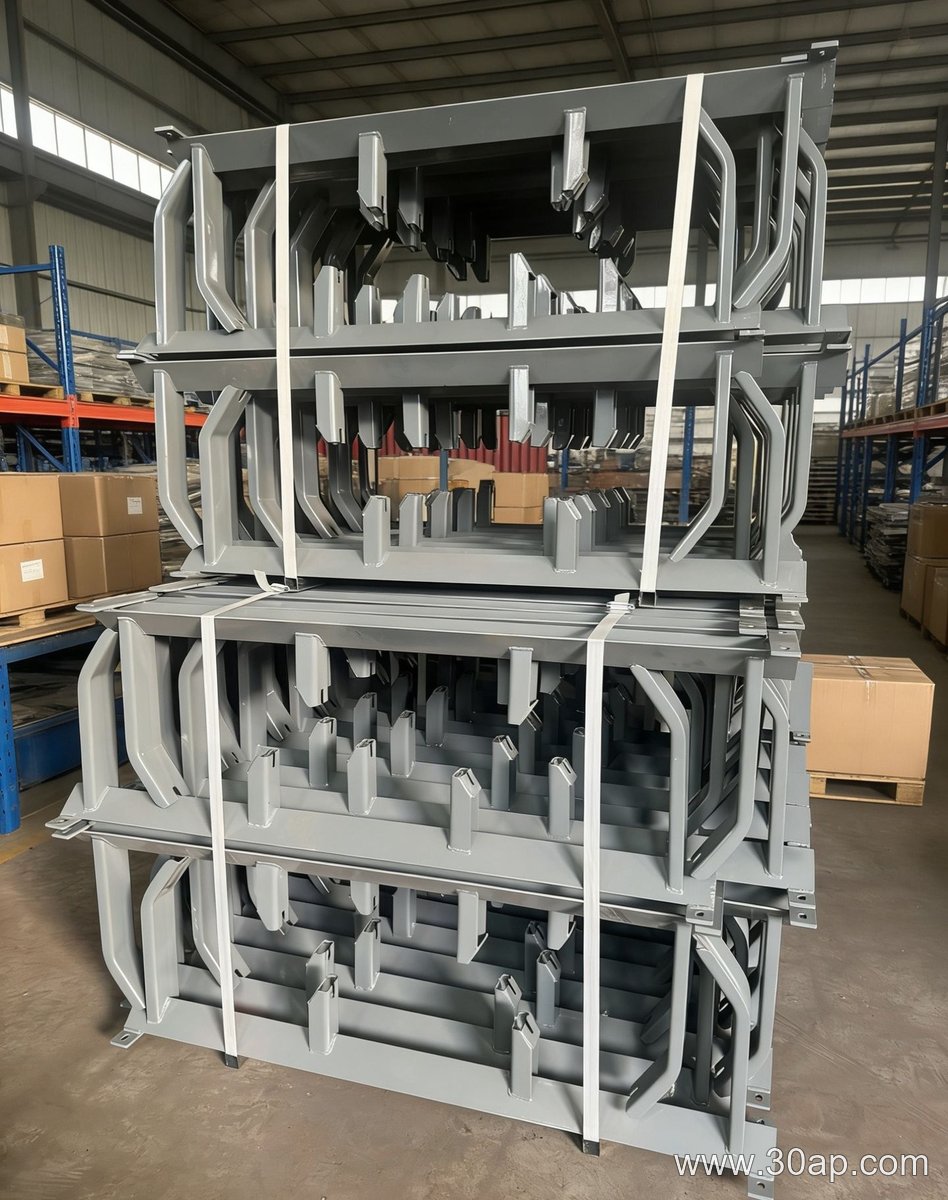
The conveyor bracket is the unsung hero of any bulk handling system. It anchors idlers, absorbs dynamic loads, and maintains belt alignment. A poorly chosen bracket leads to vibration, belt mistracking, and premature component failure.
Key Material and Coating Choices
Steel brackets offer maximum strength for heavy-duty lines. For corrosive or washdown environments, specify stainless steel or hot-dip galvanized finishes. Always verify load ratings against your actual belt speed and tonnage.
Mounting and Adjustment Features
Look for slotted bolt holes that allow precise idler alignment. Angled or adjustable brackets help fine-tune trough angles. Quick-release designs reduce downtime during maintenance.
Purchasing Checklist
- Confirm belt width and idler roll diameter compatibility.
- Check bracket gauge thickness—minimum 6 mm for moderate loads.
- Request vibration damping pads or rubber inserts.
- Verify weld integrity and edge deburring.
- Buy from suppliers offering replacement wear plates.
Invest in the right conveyor bracket once, and you cut long-term operating costs. Prioritize stiffness, corrosion resistance, and easy service access in your specification.
Why the Conveyor Belt Remains the Backbone of Material Handling
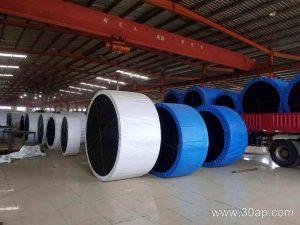
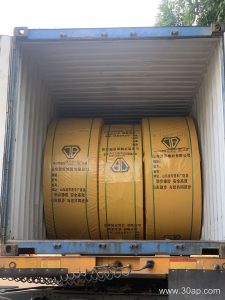
The conveyor belt is not just a moving surface; it is the engineered core of any bulk or unit-load transport system. Its choice directly impacts throughput, maintenance costs, and workplace safety.
Key Selection Criteria
- Material compatibility: Match the belt cover to the product (e.g., oil-resistant rubber for food processing, heat-resistant compounds for foundries).
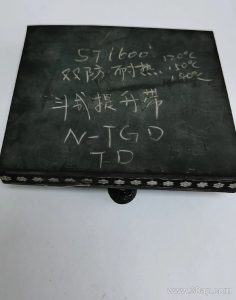
- Tensile strength and carcass: Choose polyester/nylon or steel-cord construction based on load weight and distance.
- Surface profile: Cleats or chevrons prevent slippage on inclined paths; smooth belts suit scanning or sorting lines.
Purchasing and Maintenance Advice
Always verify the belt’s splice method (mechanical vs. vulcanized) with your supplier, as it affects downtime for repairs. Request a trial run under peak load conditions before full installation. Additionally, invest in a belt tracking sensor to reduce edge wear and misalignment.
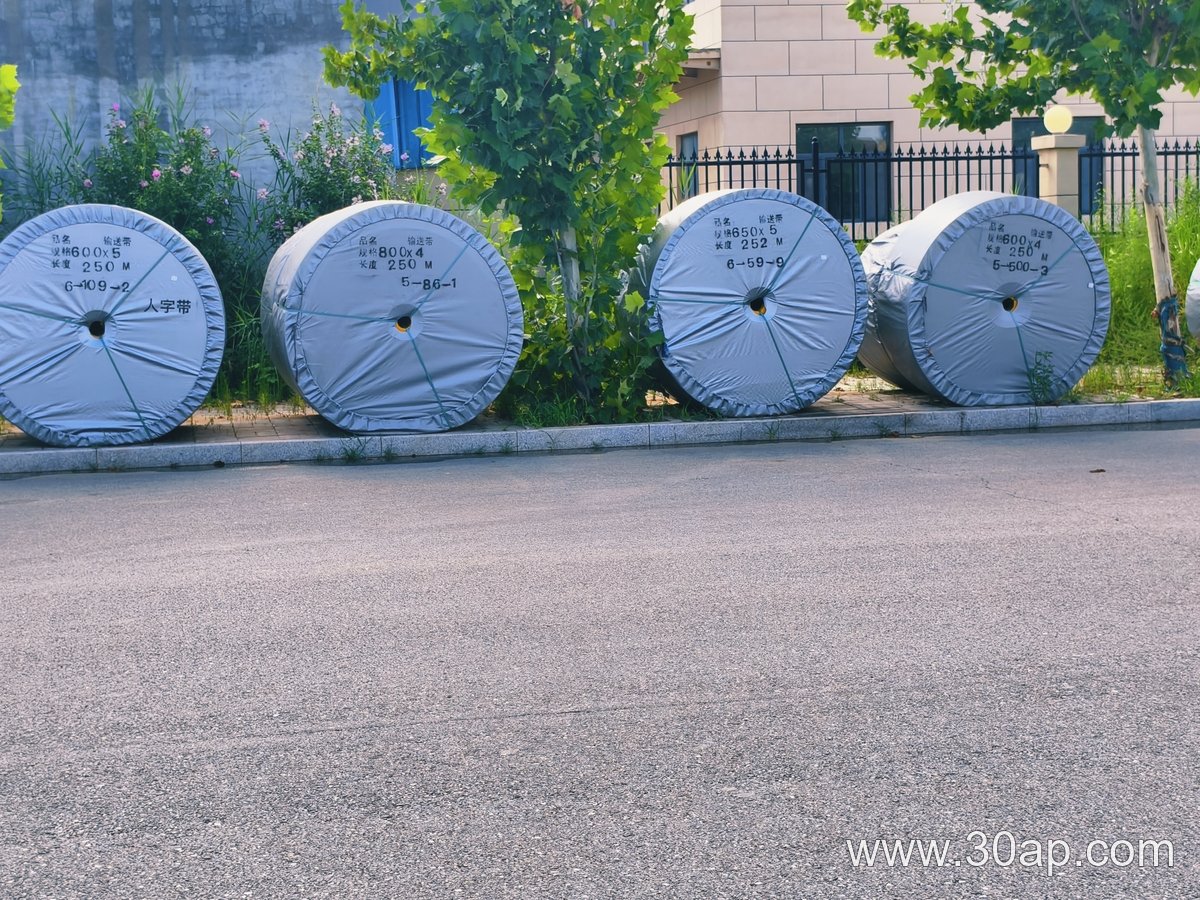
By prioritizing these factors, you ensure your conveyor belt delivers long-term, low-friction performance that justifies its upfront cost.