What an Acid Resistant Conveyor Belt Is
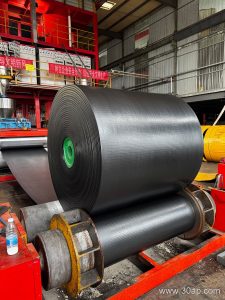
An acid resistant conveyor belt is a rubber or polymer conveyor belt whose covers and carcass are chosen to resist chemical attack from acidic materials, vapors, and occasional spillage. It is the same product many suppliers list as an acid and alkali resistant conveyor belt, because in practice the compounds are formulated to handle both acidic and alkaline exposure. That does not make it a universal belt for every chemical; the concentration, temperature, and contact time still decide whether a given compound is suitable.
The belt sits on the carrying side of a conveyor and moves bulk material such as fertilizer, phosphates, mineral slurries, some food processing residues, and other acidic or caustic loads. It is a subtype of the general conveyor belt family, not a replacement for heat resistant, oil resistant, or flame retardant belts, although a single cover compound can sometimes combine two of those properties.
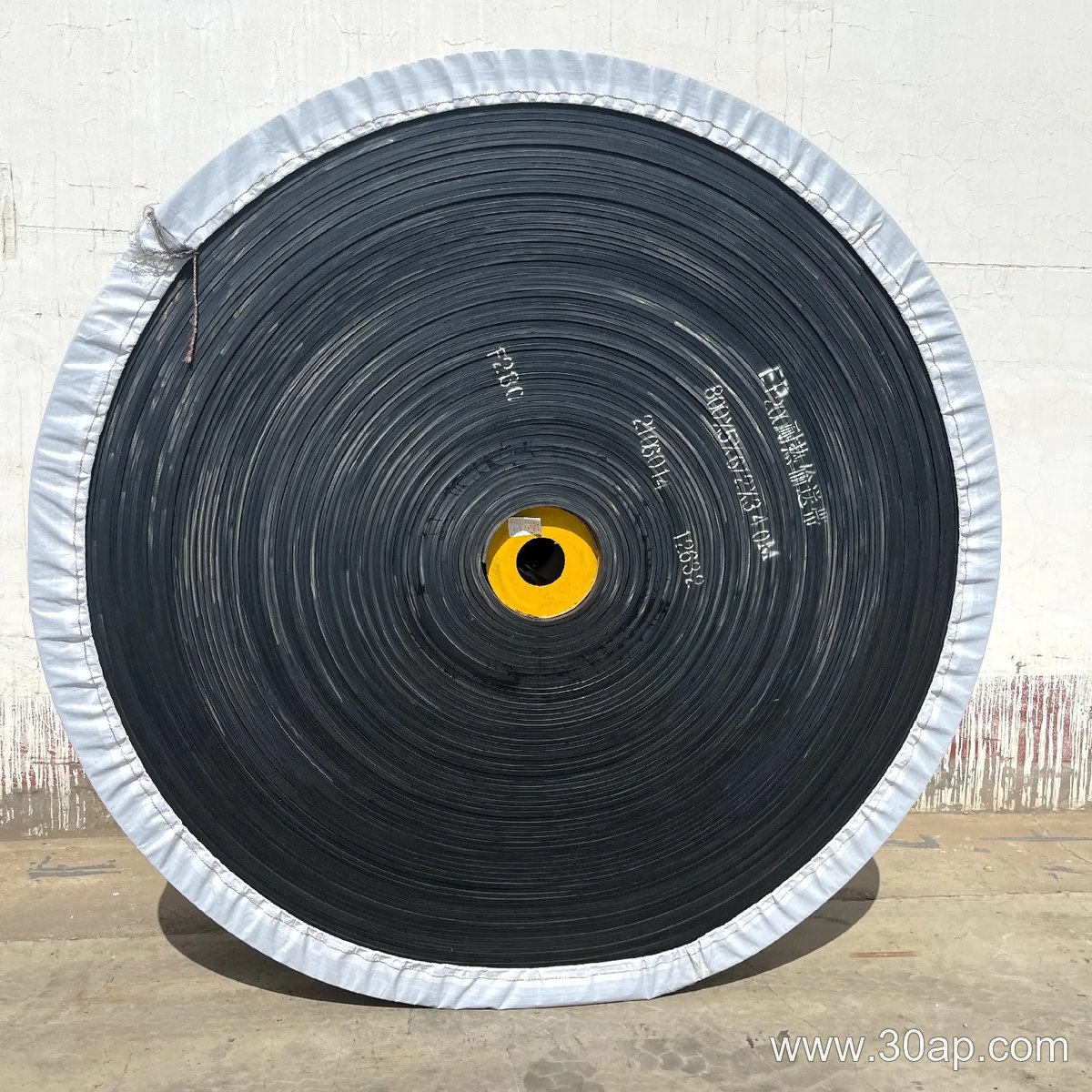
How the Belt Is Built
The construction follows the usual layered pattern. A tension-carrying carcass sits in the middle, and protective covers are bonded to the top and bottom. For acid resistance, the cover compound usually avoids ingredients that would be attacked quickly by acids, and the carcass is selected so that moisture and chemical vapors do not reach the cords or fabric.
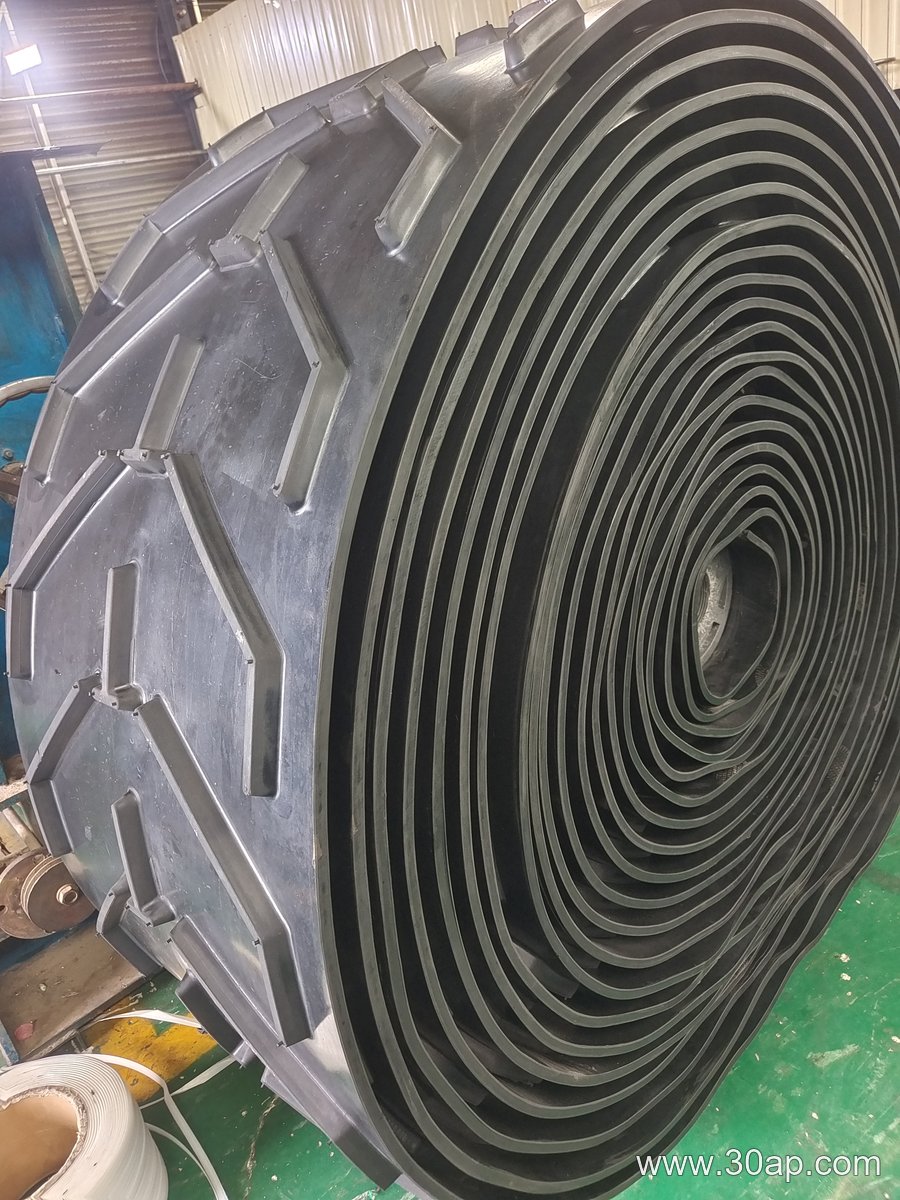
- Carcass options commonly include EP (polyester and nylon) and NN nylon fabric plies, usually two to six layers depending on the required strength.
- Rubber covers are typically specified in thickness pairs such as 3+1.5, 4+2, 5+2, 6+2, or 8+3 mm, where the first figure is the top cover and the second is the bottom cover.
- Belt strength grades such as EP200, EP400, EP630, or EP1000 are chosen from the calculated tension, not from the belt width alone.
- For lighter or different duties, PVC and PVG belts exist, but they are separate product types and are only relevant here when a comparison is genuinely useful.
The exact compound, ply count, and cover thickness are set by the belt manufacturer and confirmed against the actual chemical exposure. Two belts with the same strength grade can behave very differently in an acid environment if their cover compounds differ.
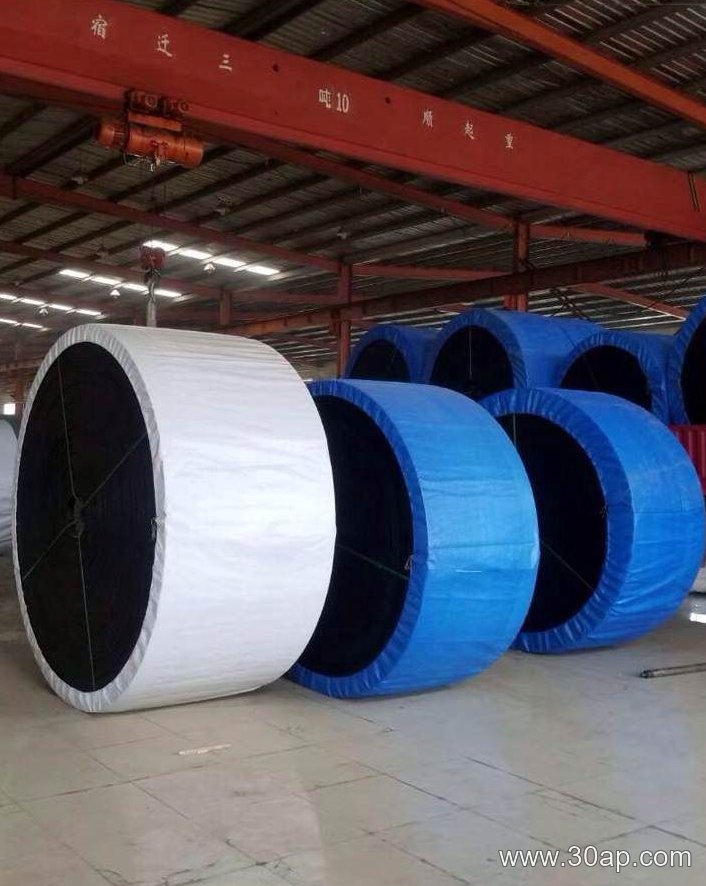
Where It Fits in a Conveying System
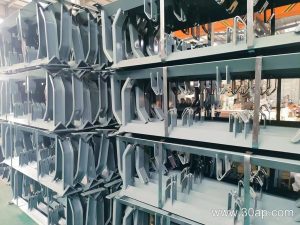
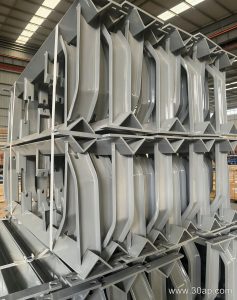
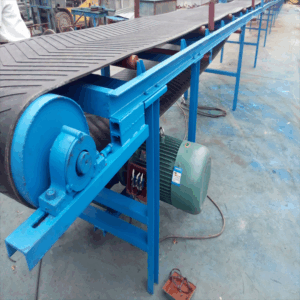
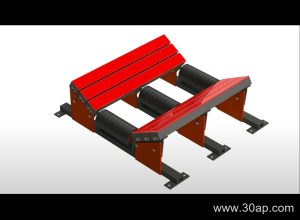
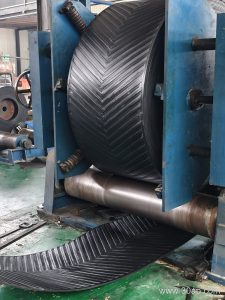
An acid resistant belt is one part of a larger installation. The belt runs over a conveyor pulley at the head and tail, is supported by idler rollers along the carrying run, and is held in line by the frame and conveyor brackets. Drive, tail, and bend pulleys each have their own job, and they are not interchangeable. The belt itself must be compatible with the pulley diameters used on the conveyor, but there is no fixed rule that ties one belt width to one pulley diameter; the correct match comes from the conveyor design.
Common belt widths include B500, B650, B800, B1000, B1200, and wider sizes up to B2000, though a given plant will use only the widths that suit its equipment. Wider belts need more support and more careful alignment, which is why idler spacing and pulley geometry matter as much as the belt specification.
Selection Points for Buyers
Before ordering, gather the details that actually affect service life.
- Identify the chemical: which acid, what concentration, and whether it is liquid, damp, or dry.
- Note the temperature of the material and the ambient conditions, since heat accelerates chemical attack.
- Confirm the required tensile strength from the conveyor calculation, then choose an EP or NN carcass grade that meets it.
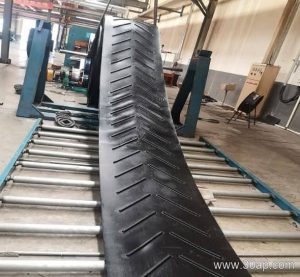
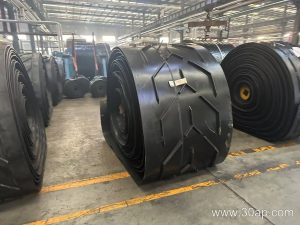
- Decide the cover thickness and surface form. A smooth cover is typical for chemical resistance, while a patterned or chevron surface is used when the load tends to slip.
- Check the pulley diameters, idler roller type, and bracket layout so the belt runs without edge damage or excessive stress.
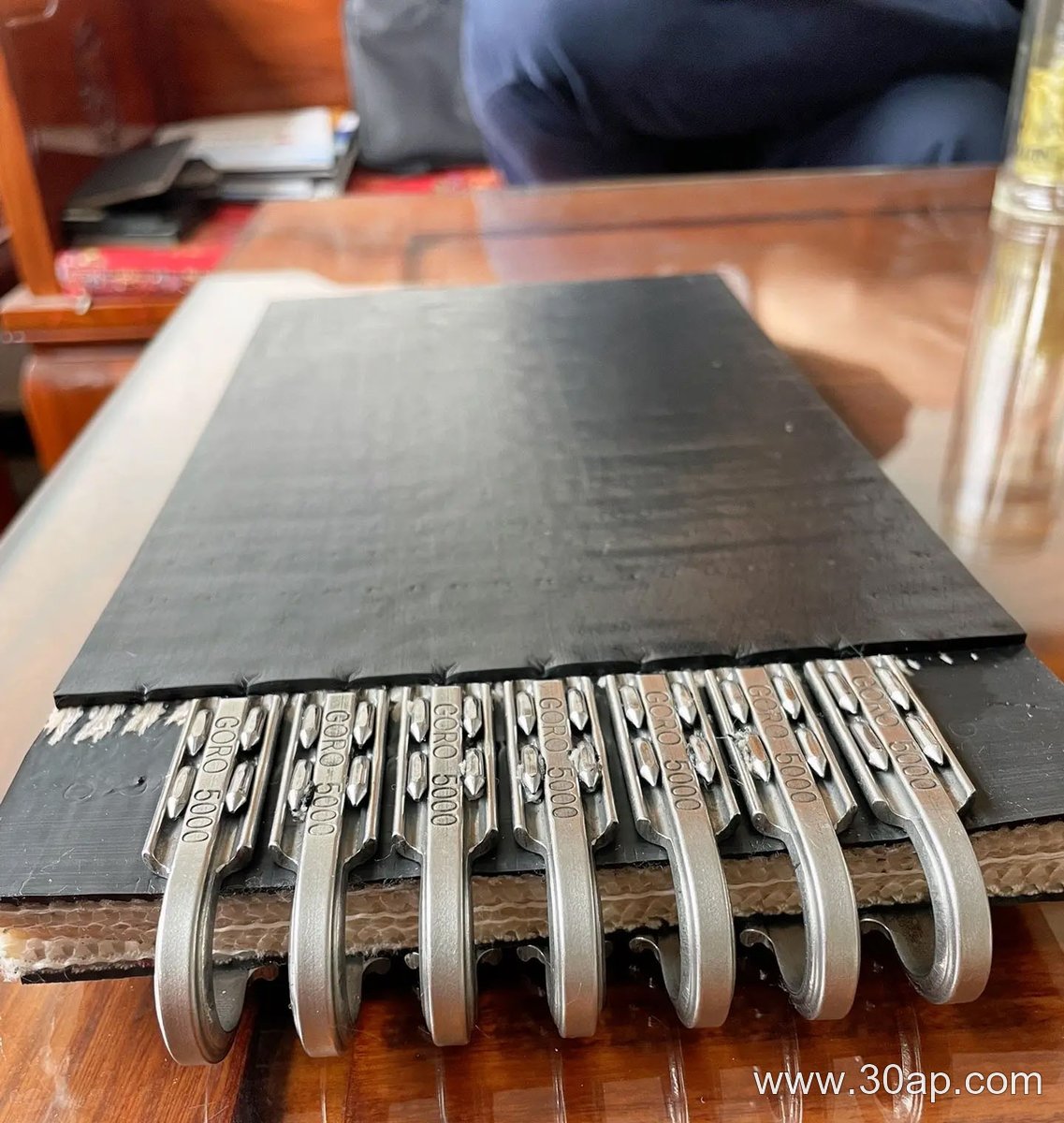
Maintenance also matters. Acid resistant covers still wear, and small cuts or exposed fabric can let chemicals reach the carcass. Regular inspection of the belt surface, splices, and pulley contact areas helps catch problems early. Cleaning spillage promptly reduces prolonged contact that would shorten belt life.
Practical Summary
Choosing an acid resistant conveyor belt is a matter of matching the compound and carcass to the chemical duty, then confirming that the belt fits the conveyor hardware around it. The belt width, strength grade, cover thickness, and pulley arrangement should all come from the application data. Where the exposure is severe, a supplier can recommend a specific compound rather than a generic acid resistant label.