Idler Roller Essentials for Industrial Conveyors
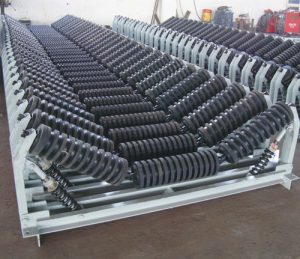
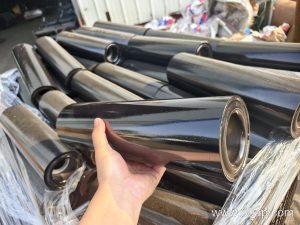
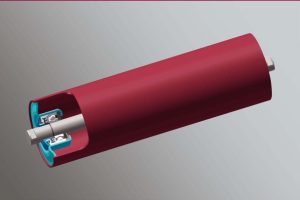
An idler roller supports the belt without driving it, reducing friction and extending conveyor life. Export buyers should match roller diameter, shaft type, and bearing seal to the actual load and environment.
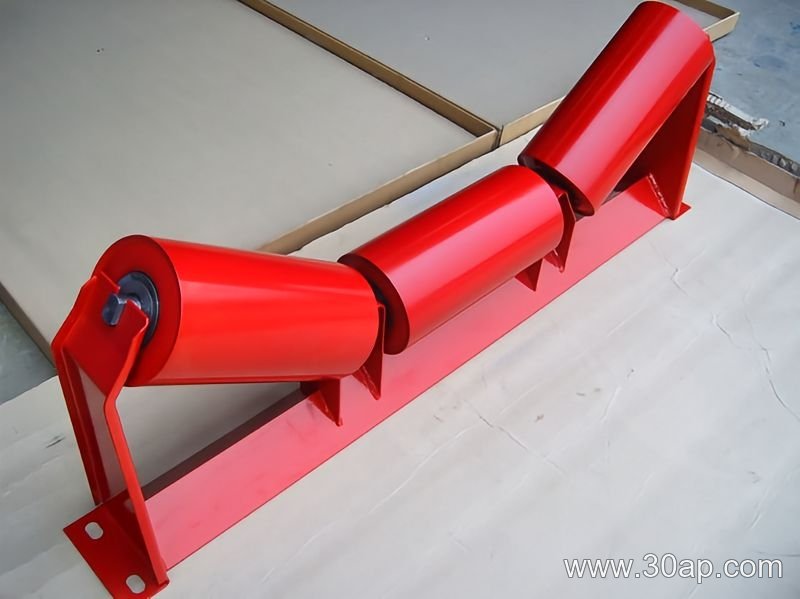
Key Selection Factors
- Load capacity and belt speed
- Bearing type: sealed vs. open
- Material: steel, stainless, or polymer
- Mounting: fixed, adjustable, or spring
Purchasing Advice
Request test reports for radial play and water resistance. Confirm roller concentricity and dynamic balance, especially for high-speed lines. For dusty or wet sites, choose labyrinth seals and stainless shafts. Order samples before bulk export to verify fit and service life.
Conveyor Pulley: Selection and Purchasing Guide
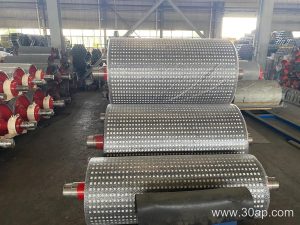
A conveyor pulley drives or redirects the belt, directly affecting system reliability. Choose the right one to reduce downtime and energy costs.
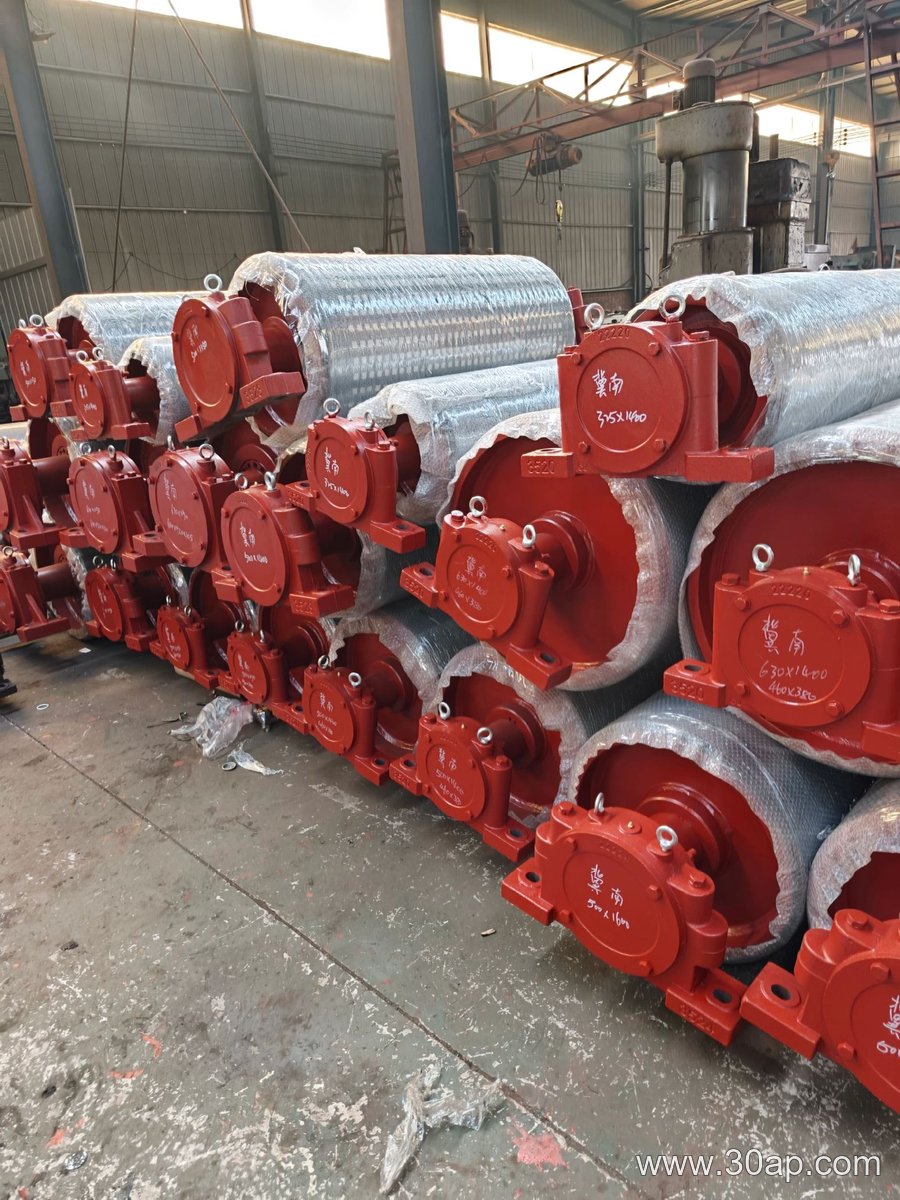
Key Selection Factors
- Calculate belt tension and radial load.
- Match pulley diameter to belt type and speed.
- Select lagging for grip; consider crown for tracking.
- Verify shaft, bearing, and hub fit.
Purchasing Advice
Request load calculations, material certificates, and dynamic balance reports. Prefer welded or forged designs with proven fatigue life. Compare lead times and after-sales support, not price alone.
Conveyor Bracket Selection and Purchasing Guide
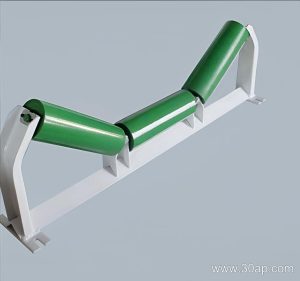
A conveyor bracket is the structural component that mounts rollers, idlers, and pulleys to your conveyor frame. Choosing the right one ensures alignment, load capacity, and long service life.
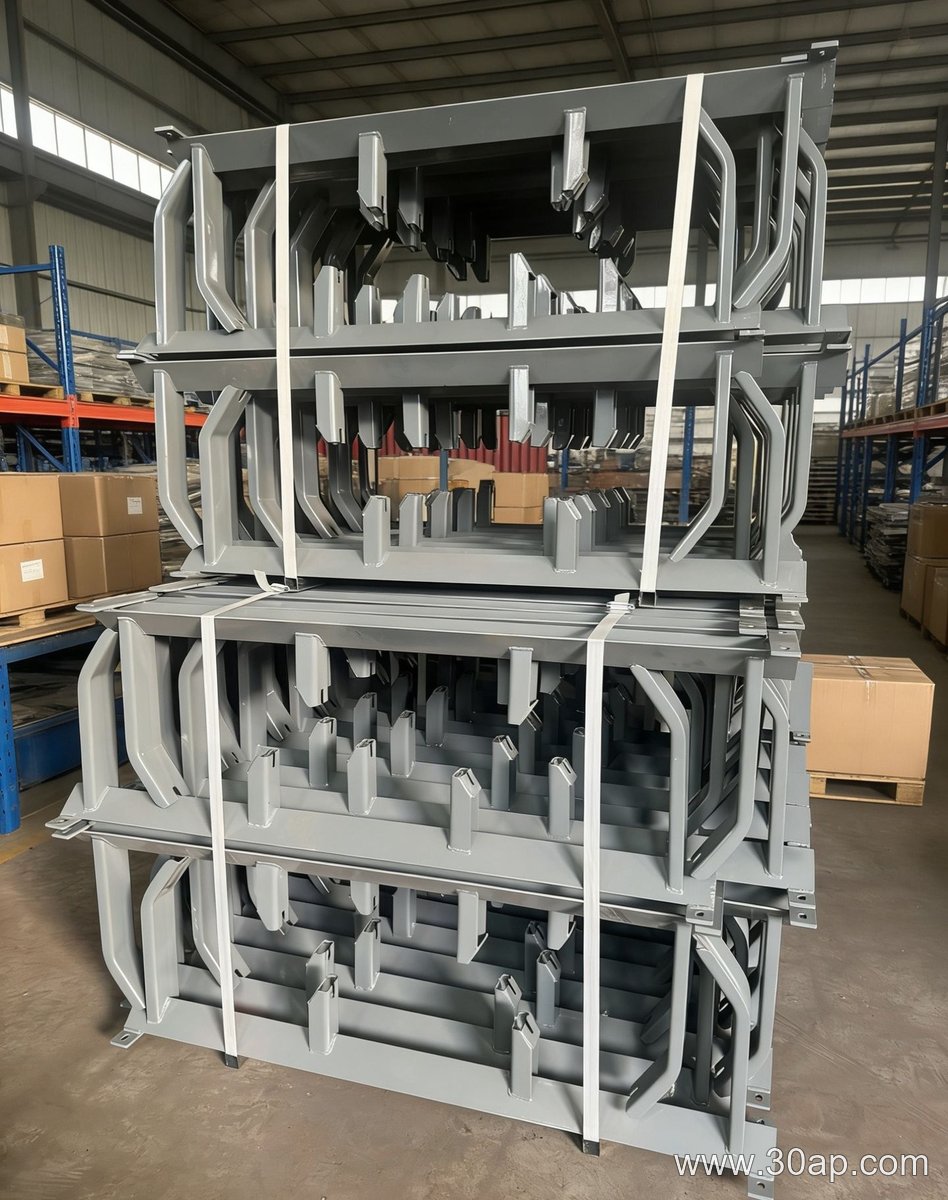
Key Selection Factors
- Match bracket material to your environment: mild steel for dry indoor use, stainless steel for washdown or corrosive areas.
- Confirm mounting hole pattern and shaft diameter fit your existing rollers and frame.
- Check load rating per bracket; undersized brackets cause vibration and premature bearing failure.
- Choose adjustable designs if you need belt tracking or tension control.
Purchasing Advice
Buy from suppliers who publish dimensions, material grades, and load ratings. Order a sample to verify fit before bulk purchasing. Standardize on one bracket style across your line to simplify maintenance and spare parts inventory.
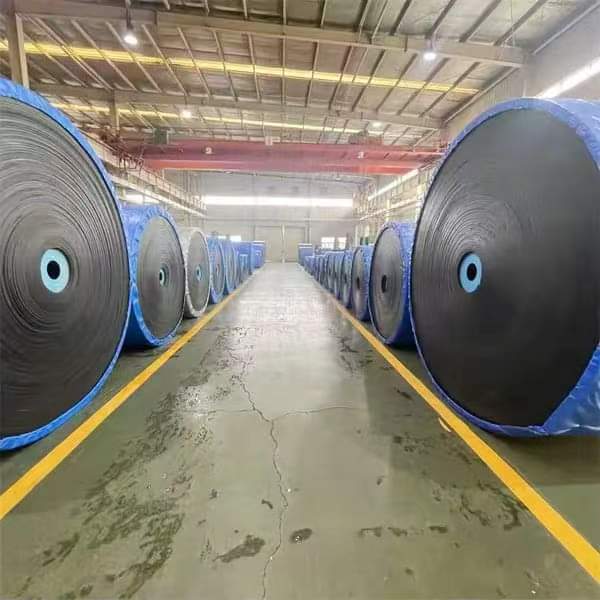
Conveyor Belt Selection and Purchasing Guide
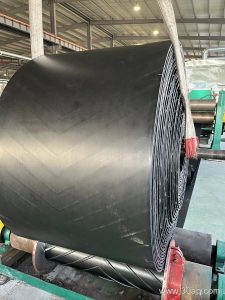
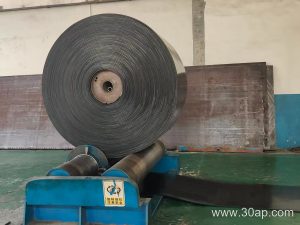
A conveyor belt is the core of many bulk handling systems. Match carcass, cover, and cleat profile to your load, speed, and environment before purchase.
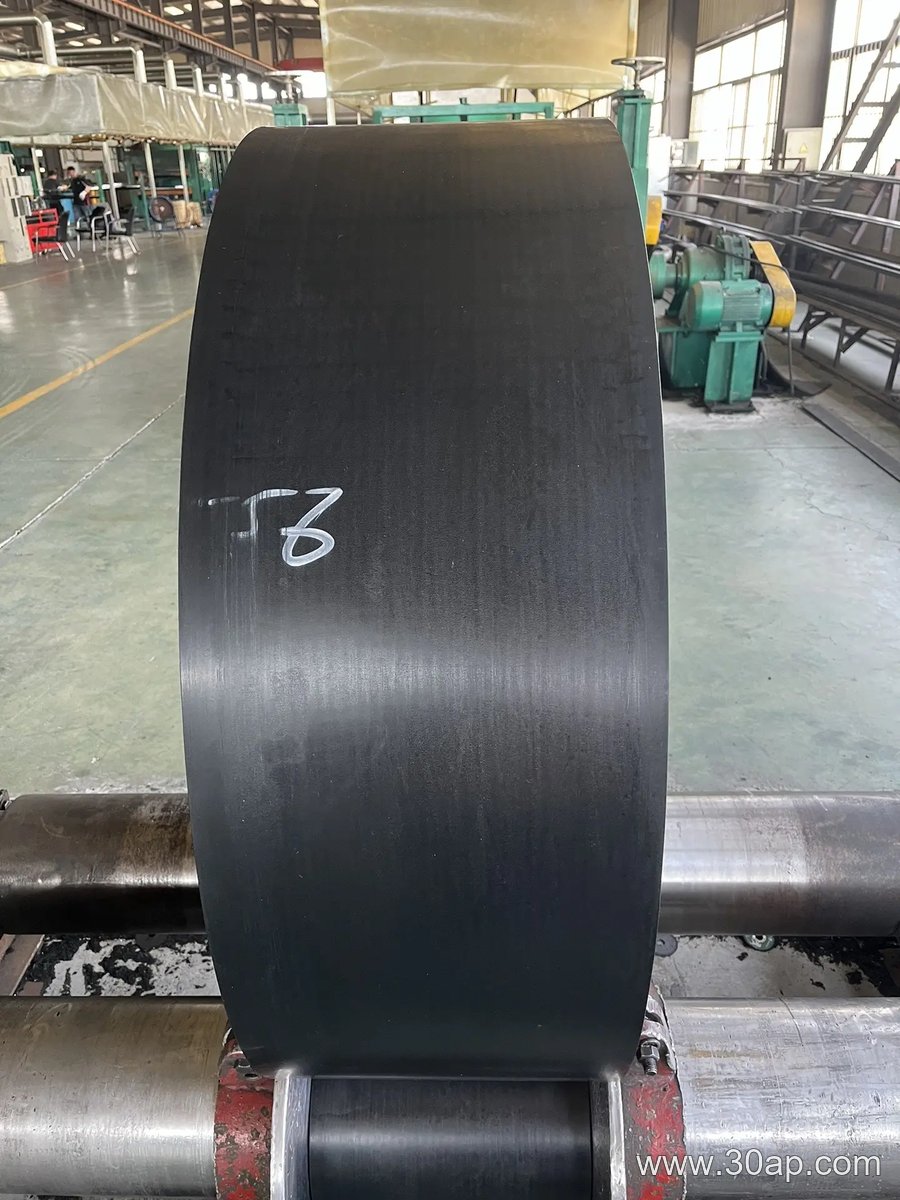
Key selection factors
- Material: abrasion, oil, heat, or fire resistance
- Tension: EP, steel cord, or fabric ply
- Dimensions: width, length, and troughability
Purchasing advice
Request test reports, confirm splice compatibility, and compare lead times. Buy from suppliers offering warranty and technical support.