What a High Impact Resistant Idler Does
A high impact resistant idler is a conveyor idler roller built to survive the moment material hits the belt. At a transfer point, ore, crushed stone, or coal does not land gently. It drops with speed and weight, driving the belt down against the rollers beneath it. A standard idler roller can dent, crack a bearing seat, or lose its seal under that repeated pounding. The impact resistant version absorbs the blow instead, keeping the belt supported and the idler rotating freely.
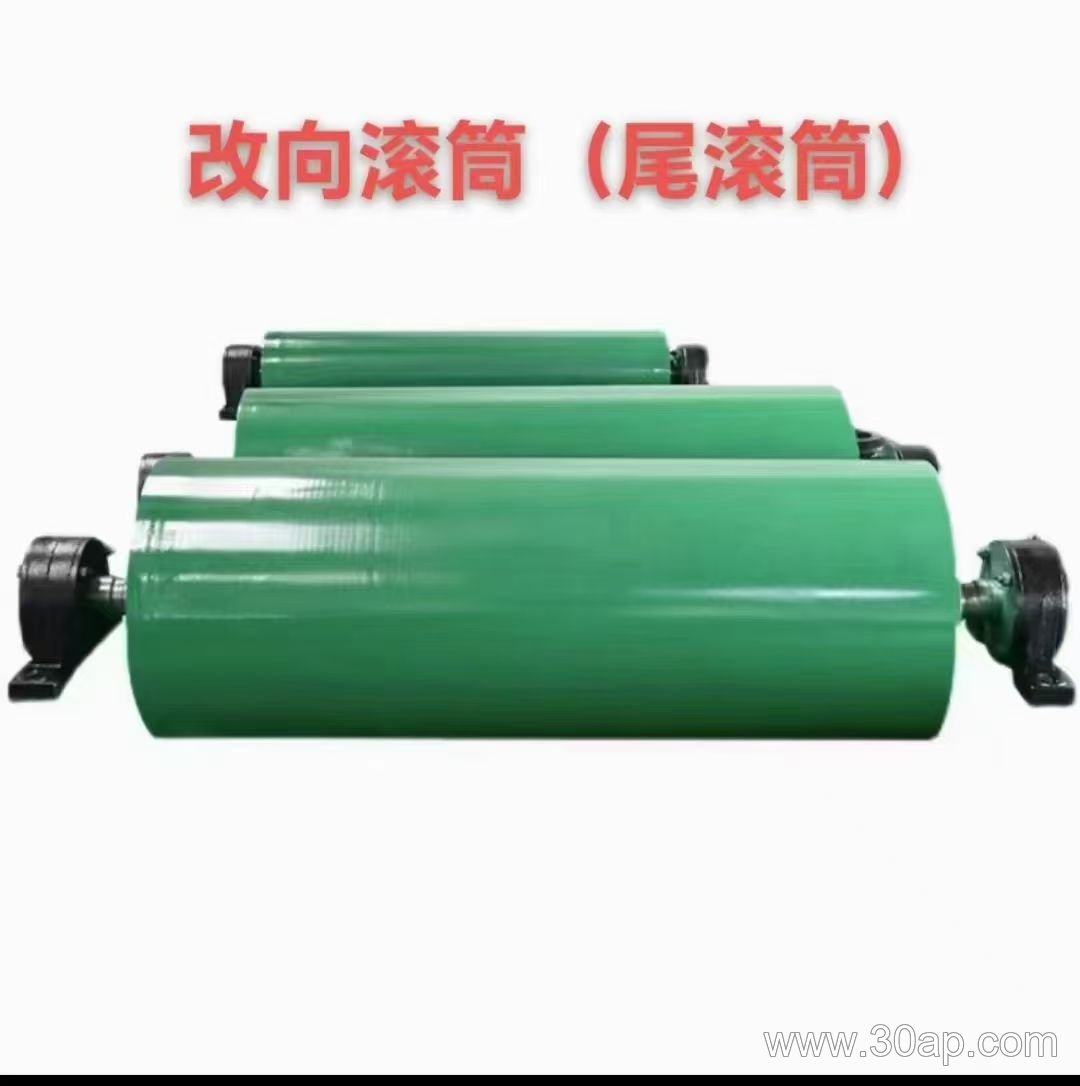
This is not a different product category from a normal carrying idler. It is the same component, engineered for the toughest position on the line. The accurate equivalent name used across the industry is impact idler roller, and it belongs to the buffer idler family. Drive pulleys, tail pulleys, and bend pulleys are separate components at the ends and corners of the conveyor, and they are not interchangeable with it.
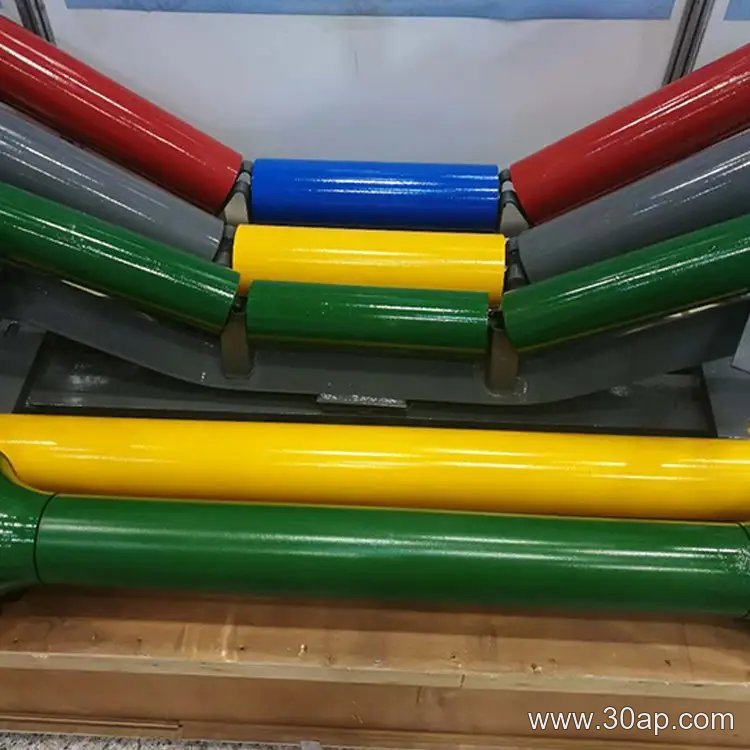
How the Buffer Roller Is Built
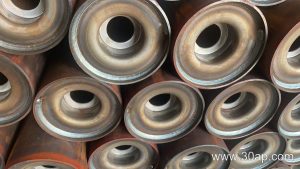
The core difference is the roller surface and the way it is mounted. A rubber ring impact idler uses a steel tube body fitted with a series of thick rubber discs or rings. Those rings compress under a falling load and spring back, spreading the force over a wider area and a longer time. Rubber also grips the belt slightly, which reduces slippage when the belt is heavily loaded.
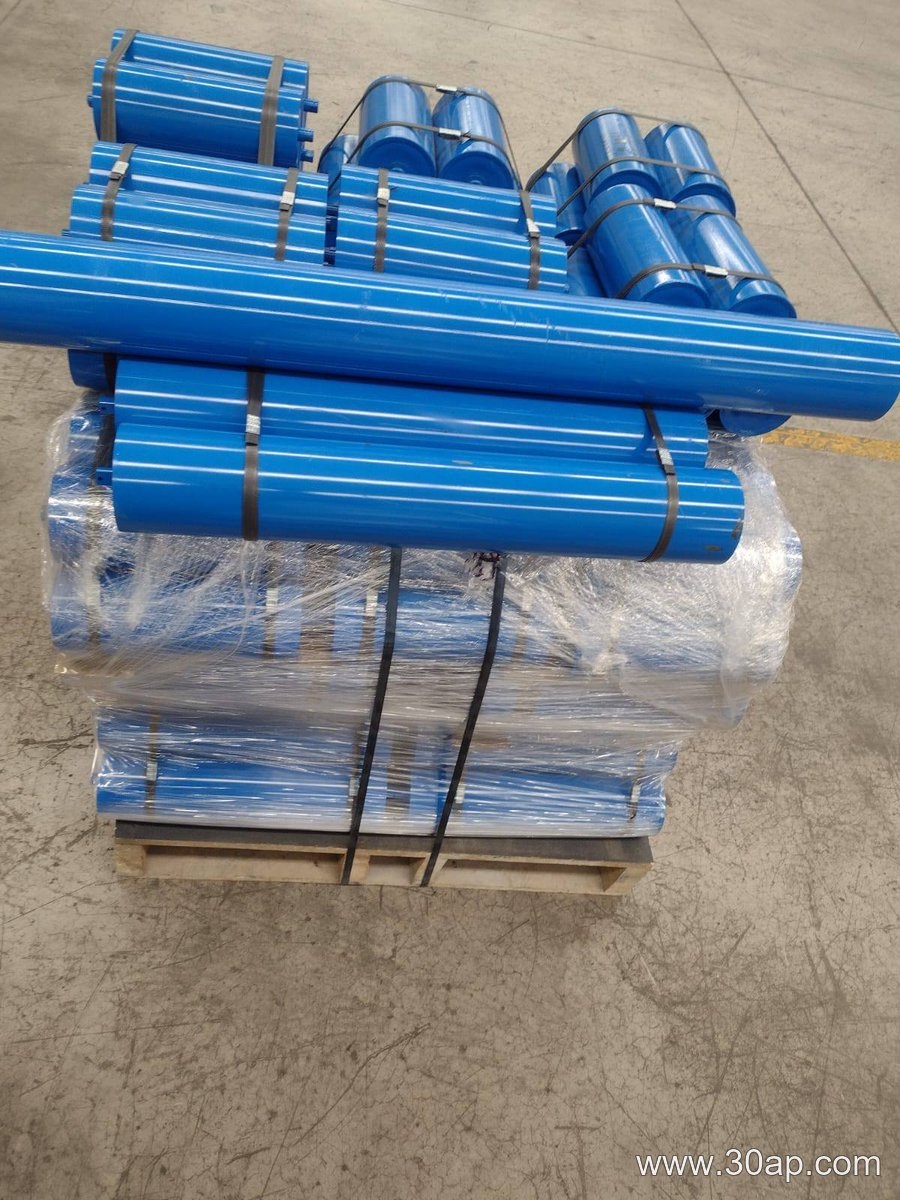
Behind the rings, the shaft and bearing housing are usually reinforced. Common bearing sizes for conveyor idlers include 6205, 6305, and 6306, though the right choice depends on the load and the roller diameter, not on the belt width alone. Seals matter just as much at a loading point, because dust and fine material are worst there. A labyrinth or contact seal keeps grit out of the bearing cavity.
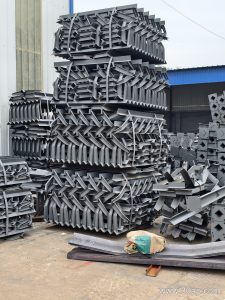
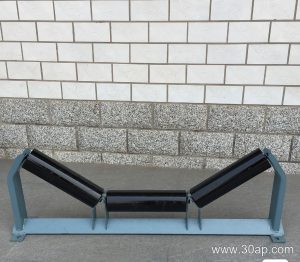
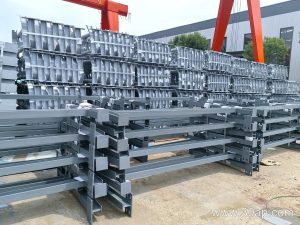
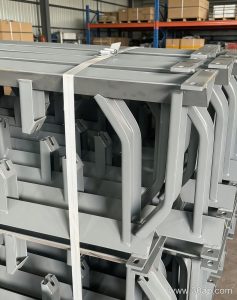
Typical roller diameters for this duty range from about 89 mm up to 159 mm or more, with 108 mm, 127 mm, and 133 mm being frequent choices. The frame that holds the rollers is often a three-roll troughing set at 30 or 35 degrees, mounted on a sturdy conveyor bracket that resists deflection.
Where It Belongs on the Conveyor
The impact idler goes under the loading chute, where the material stream first touches the conveyor belt. In a quarry or crushed stone line, that is right after the primary crusher. In a coal handling system at a power plant, it sits below the transfer chute from the stockpile feeder. A cement plant may use it under a clinker drop, and a port terminal may use it where a ship loader discharges onto the belt.
It is usually placed as a group rather than a single roller, because the impact zone extends over several meters. A few impact sets in a row, followed by standard troughing idlers, gives the belt a smooth transition. In some layouts, a transition idler is used just before the impact zone to ease the belt from flat to troughed without stressing the edges.
What a Buyer Should Check
- Belt width and trough angle. A B800 belt at 30 degrees calls for a different roll length than a B1200 belt at 35 degrees. Common three-roll troughing sets use roll lengths of roughly 315 mm for B800, 380 mm for B1000, and 465 mm for B1200, but side rolls and center rolls can differ, so confirm the drawing.
- Roller diameter and shaft. Larger diameters handle bigger lumps and higher drop heights. Do not assume a fixed shaft size from belt width; the shaft must be matched to the load and the bracket.
- Ring material and thickness. Thicker rubber rings last longer under coarse, sharp material. Some designs use ceramic or nylon surfaces where abrasion is extreme, though rubber remains the usual choice for pure impact.
- Sealing and bearing fit. Ask how the bearing is protected. A poorly sealed impact idler fails early even if the rings are thick.
- Mounting compatibility. The impact set must fit the existing conveyor bracket spacing and frame height. Check the drop height and material size, because those two values drive the selection more than any catalog number.
Matching the idler to the actual loading condition is what makes it last. A roller chosen only by belt width, without considering lump size and fall height, will still flatten at the first big rock.