What a Wide Conveyor Belt Is
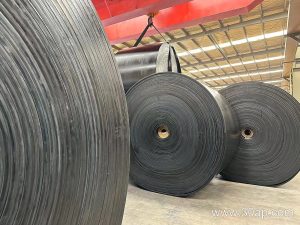
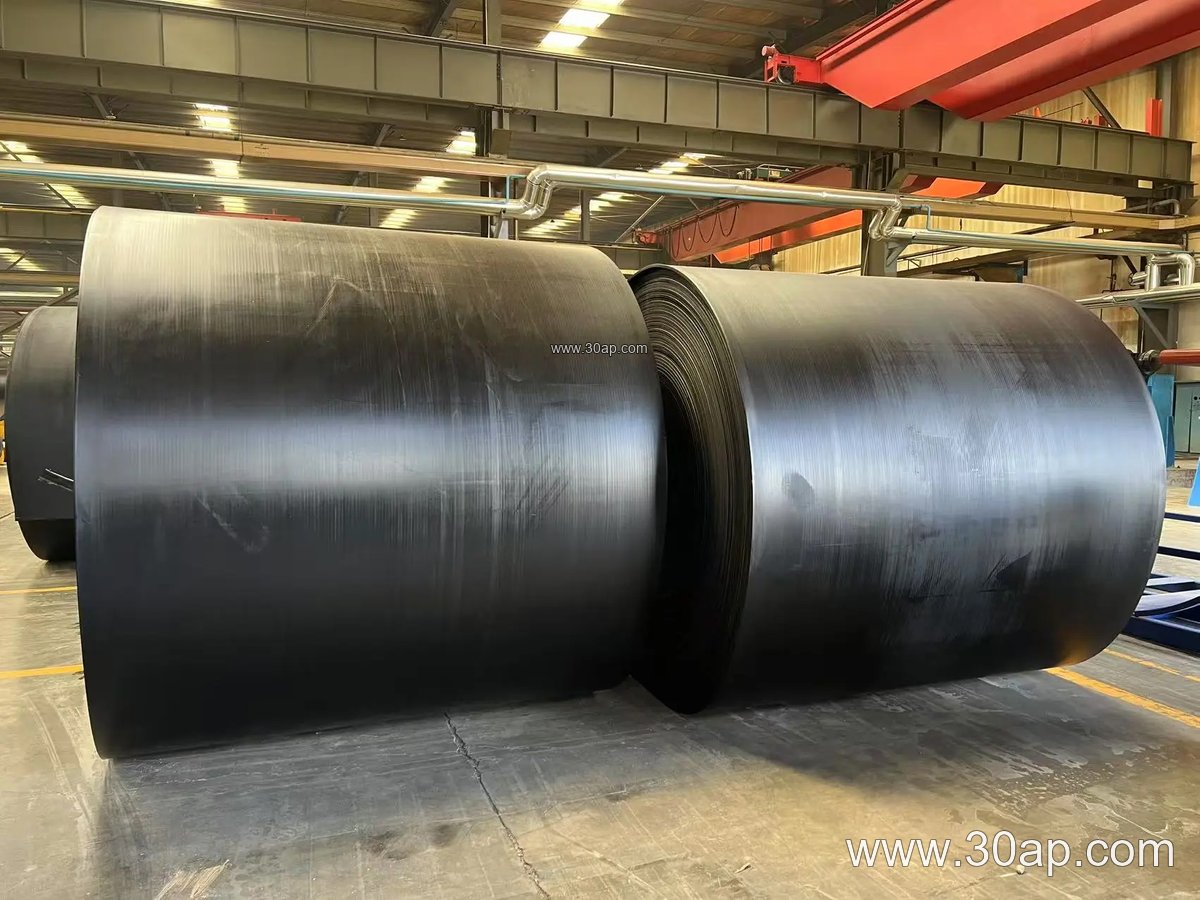
A wide conveyor belt is a heavy-duty carrying surface built to handle large tonnages and broad material streams in one pass. Instead of spreading the load across several narrow belts, a single wide belt lets a quarry, coal preparation plant, cement works, or power station move bulk material on one central line. The extra width reduces edge loading, improves belt tracking when the structure is aligned properly, and supports higher throughput without excessive belt speed.
Buyers often meet this product as a wide rubber conveyor belt for primary crushing circuits, a wide EP conveyor belt for general bulk handling, or a wide steel cord conveyor belt on long overland routes. These are all accurate ways to describe the same family of wide belting; the carcass and cover compound change with the duty, not the basic concept.
How the Belt Is Built
The belt is a composite. A fabric core or steel cord carcass carries tension, while top and bottom rubber covers protect the carcass from abrasion, impact, heat, oil, or moisture. For wide belts, carcass design matters more than for narrow ones because the load is spread over a large area and the belt must resist edge curl and centre sag between idler roller stations.
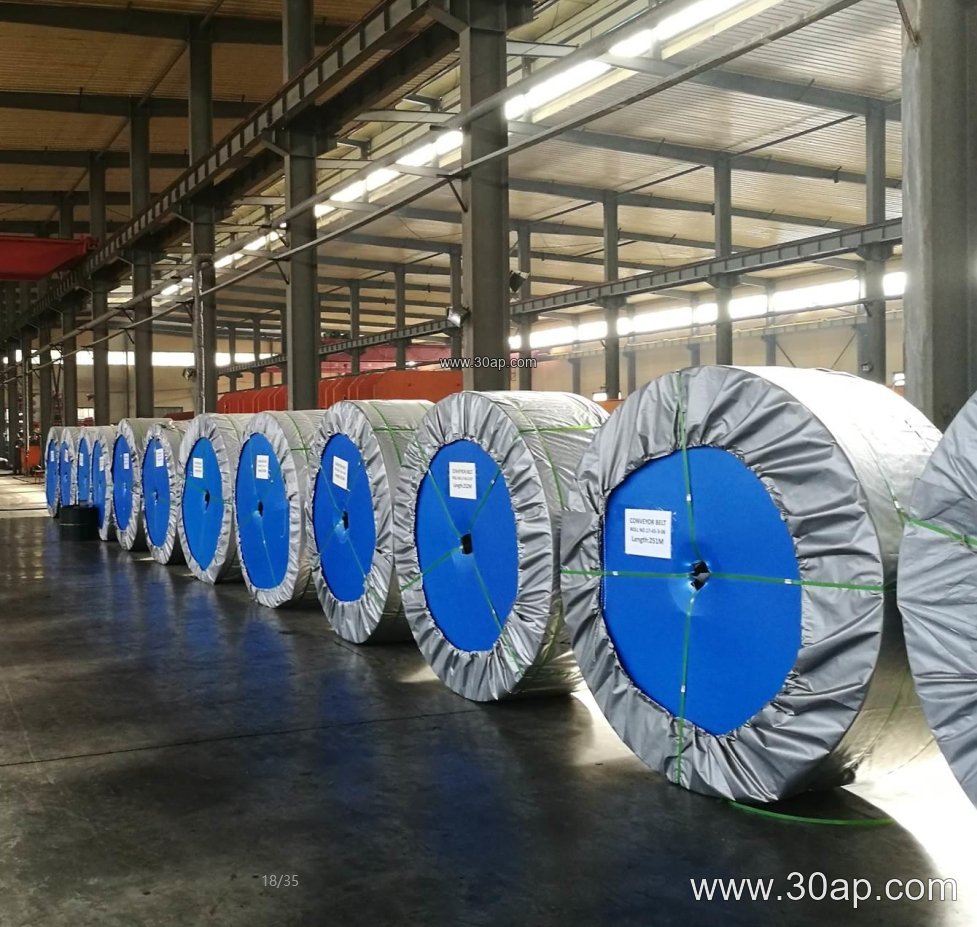
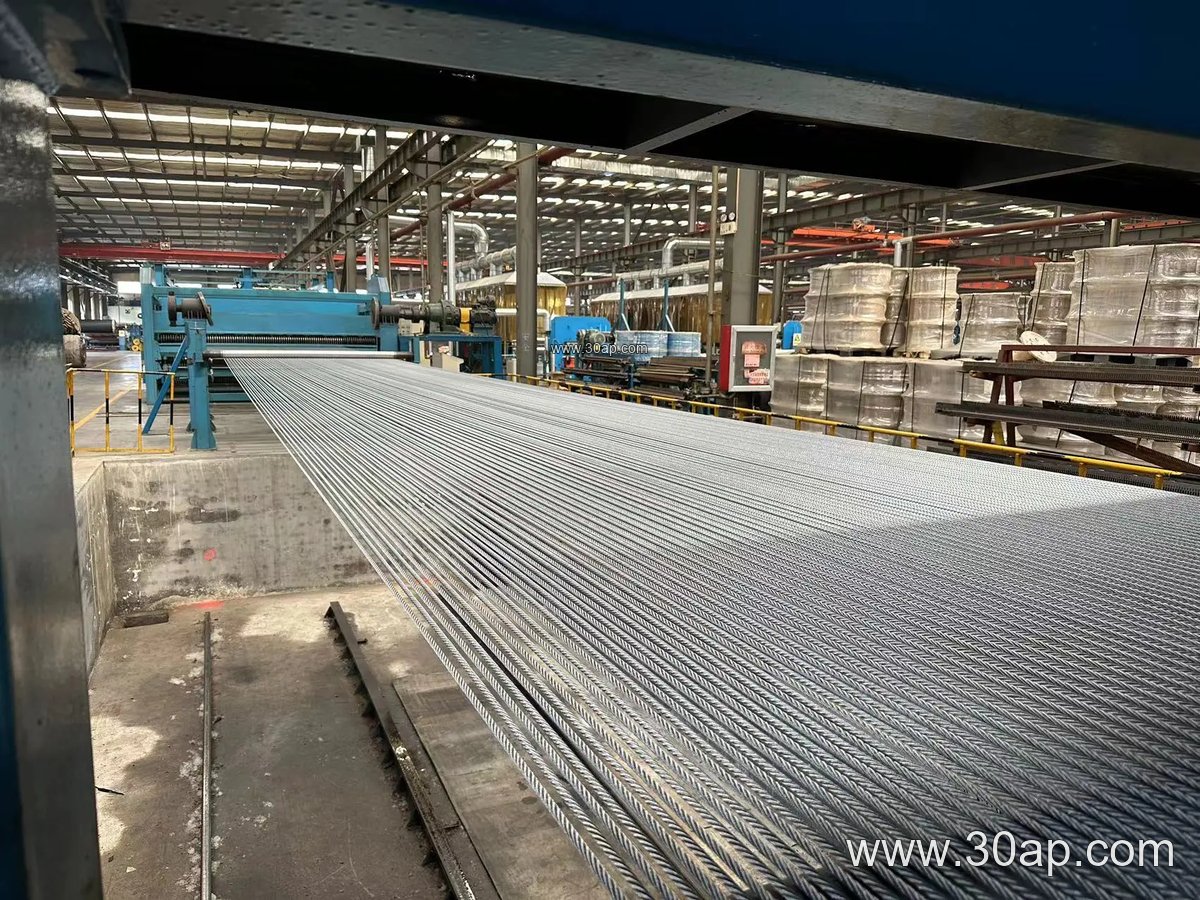
- Carcass: multi-ply fabric (EP or NN), steel cord, or solid-woven construction depending on tension and elongation limits.
- Covers: abrasion resistant, heat resistant, oil resistant, flame retardant, cold resistant, or anti-static grades.
- Edges: cut edges or moulded edges; edge quality strongly affects tracking on wide installations.
- Surface options: plain, chevron, skirted, or corrugated sidewall forms where incline or containment is needed.
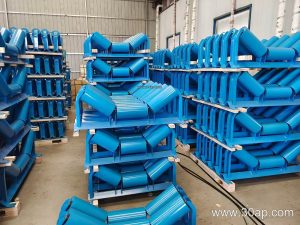
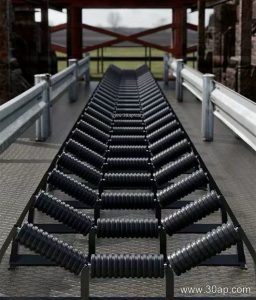
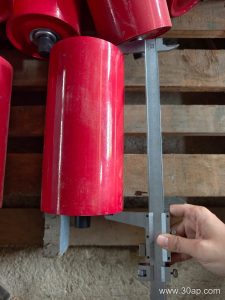
The belt runs over a drive pulley, tail pulley, and bend pulleys, supported by idler rollers and frames held by conveyor brackets. These components are selected as a system; a wide belt does not dictate one fixed pulley diameter, and pulley size is set by tension, wrap angle, and shaft load calculations.
Common Widths and Strength Grades
Width and strength are usually chosen together. The table below shows reference values that appear in typical project specifications; actual supply should always follow the engineered design.
| Parameter | Typical Reference Range | Notes |
|---|---|---|
| Belt width | B1000, B1200, B1400, B1600, B1800, B2000 | Wide formats commonly start around 1000 mm and rise to 2000 mm |
| EP strength grades | EP200 to EP2000 | Higher grades for longer centres and heavier loads |
| Steel cord grades | ST1000 to ST3150 | Used where low elongation and high tension are needed |
| Cover thickness | 4+2, 5+2, 6+2, 8+3 mm | Top + bottom cover; selected by abrasion and impact |
| Fabric plies | 2 to 6 plies | Multi-ply fabric core for general duty |
A 1200mm wide conveyor belt or 1500mm wide conveyor belt is common in aggregate and cement plants, while 1800mm and 2000mm formats suit large ports, iron ore terminals, and high-capacity mine conveyors. Strength class and width are independent choices: an EP1000 1200mm belt and an EP1250 1800mm belt may serve very different duties.
Where Wide Belting Fits
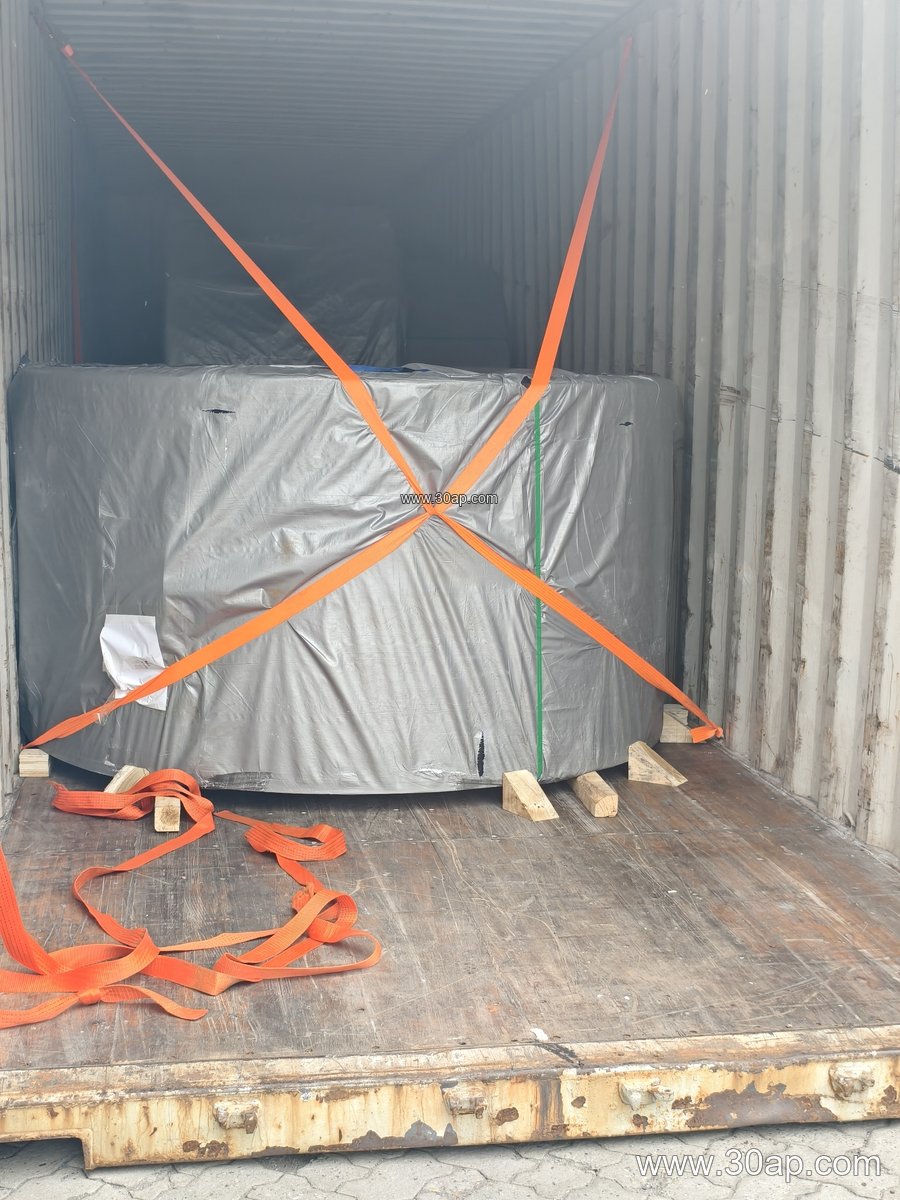
Wide belts appear wherever a single stream is large or the material is coarse. In mining, a heavy-duty mining conveyor belt moves run-of-mine ore from crusher to stockpile; underground coal mining conveyors often use flame retardant and anti-static grades such as PVG800S. In cement plants, heat resistant belting handles clinker while abrasion resistant covers manage limestone and raw meal. Power plants use wide belts for coal delivery, and sand and gravel operations rely on quarry and aggregate belts with impact resistant covers under crusher discharge points.
Ports and ship loading systems favour wide, high-strength belts for fast transfer. Recycling and construction sites use them where mixed bulky material must be carried without spillage. In all these settings, the conveyor pulley, idler roller, and conveyor bracket layout must be matched to the belt width and tension so the belt trains correctly.
Selection and Maintenance Notes
Start with material size, bulk density, throughput, incline, and the longest unsupported span. Then confirm carcass type, cover grade, and edge construction. For inclined sections, a chevron or corrugated sidewall belt can prevent roll-back, but the plain wide belt remains the standard choice for horizontal and gently inclined runs.
- Check pulley alignment and idler roller squareness before blaming the belt for mistracking.
- Keep loading centred; edge loading is the main cause of edge damage on wide belts.
- Match cover grade to the real condition, not the general industry label.
- Inspect splices and edges regularly, especially on high-tension steel cord belts.
For a reliable quotation, provide width, strength grade, cover thickness, carcass type, and operating environment. A well-specified wide conveyor belt, supported by correctly sized pulleys and rollers, gives long service in the toughest bulk handling duties.