What a Cold Resistant Conveyor Belt Is
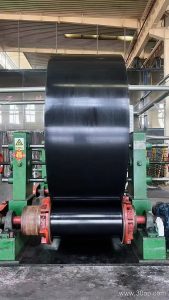
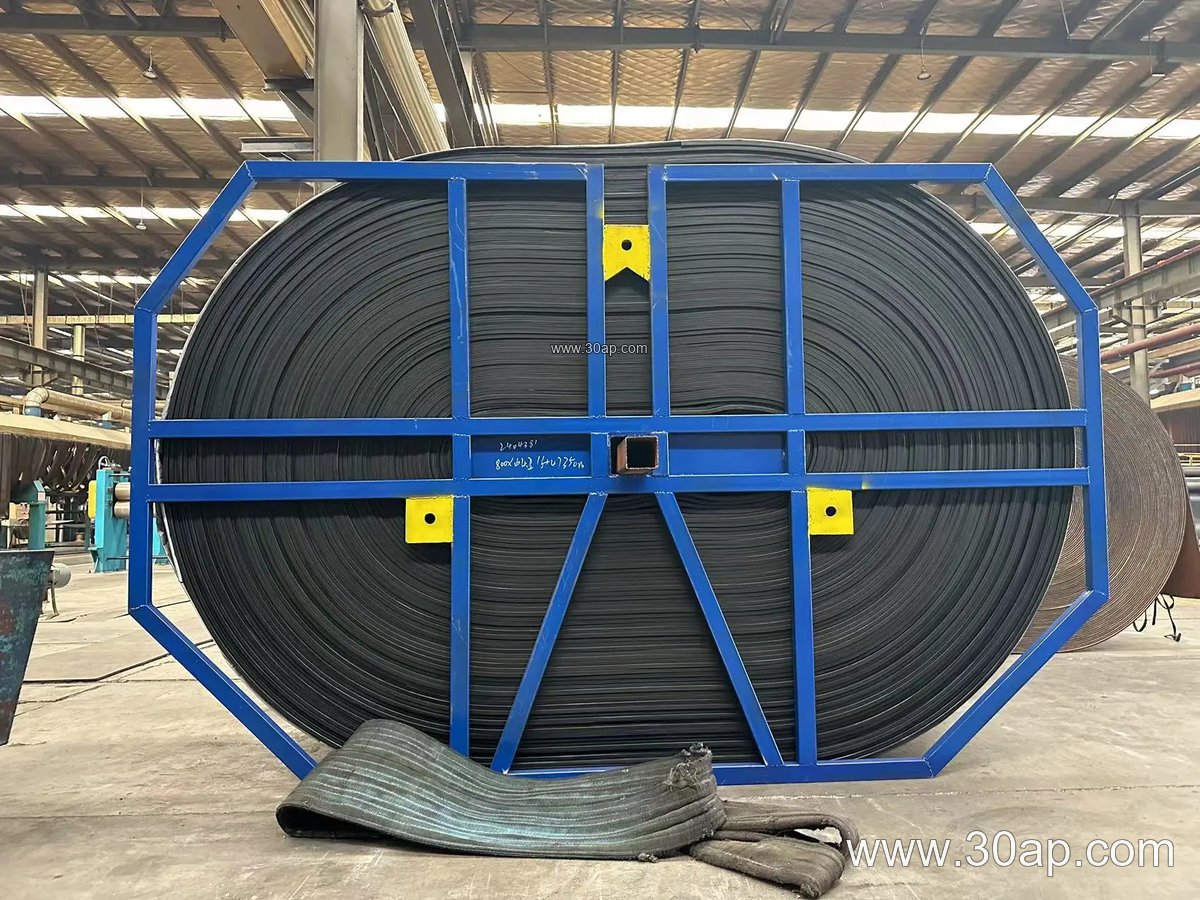
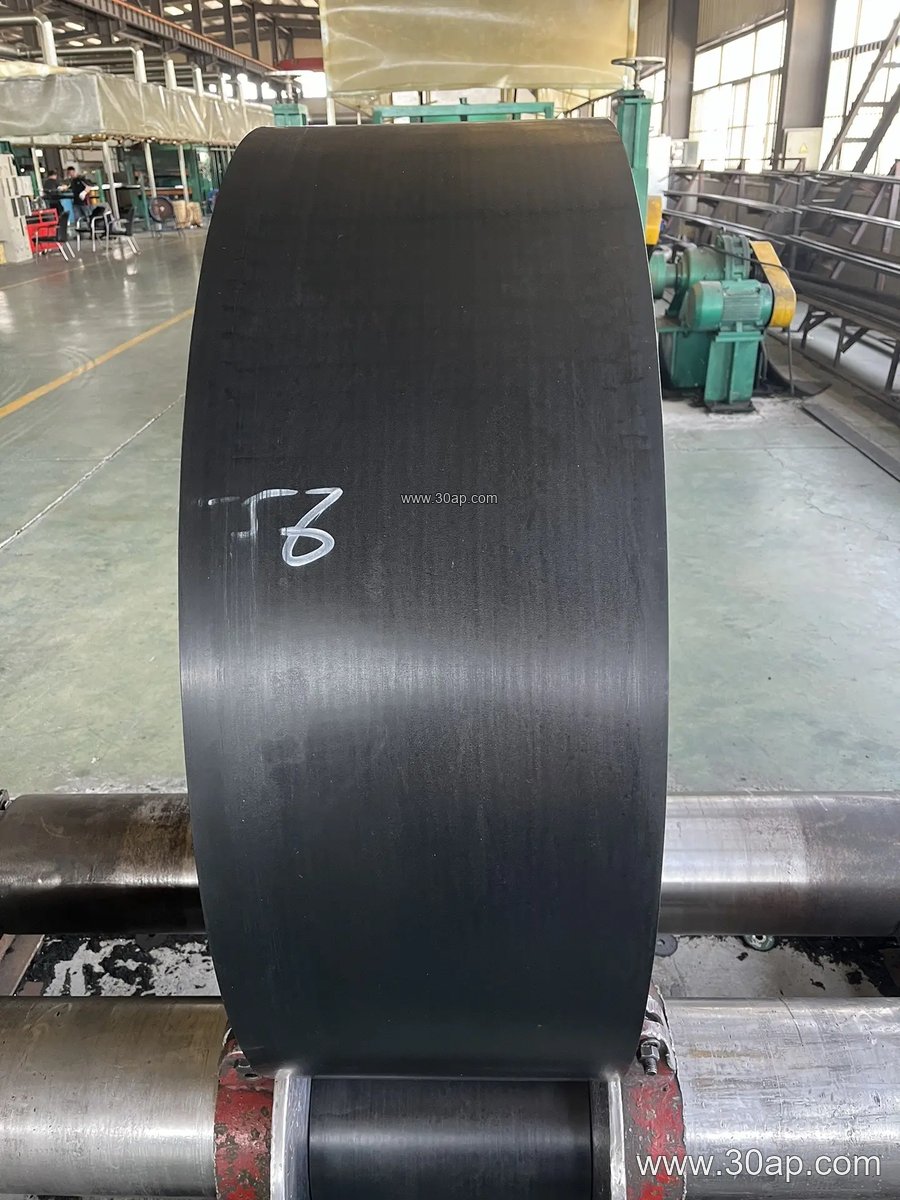
A cold resistant conveyor belt is a rubber conveyor belt engineered to remain flexible and crack-free in low-temperature environments. Unlike standard belts that may stiffen and brittle in freezing conditions, this belt uses specialized rubber compounds in the cover and skim layers to maintain elasticity. It is commonly referred to as a low-temperature resistant conveyor belt, and both terms describe the same product category. This belt is essential in industries such as mining, coal, cement, power plants, and aggregate yards where material must be moved reliably during winter or in cold climates.
Construction and Materials
The construction of a cold resistant conveyor belt typically involves a fabric core—such as EP (polyester-cotton) or NN (nylon-nylon) fabric—or a steel cord core for high-strength applications. The rubber covers are formulated with polymers that resist hardening at low temperatures, often using a blend of natural and synthetic rubbers. The skim rubber between plies also remains flexible to prevent ply separation. Common cover thicknesses include 3+1.5 mm, 4+2 mm, and 6+2 mm, with fabric plies ranging from 2 to 6 layers depending on the required strength. For instance, an EP200 or EP400 belt with a 4+2 mm cover is often used in cold climates for moderate-duty applications. The belt may also feature anti-static or flame-retardant properties when used in underground mining or coal handling.
Where It Is Used
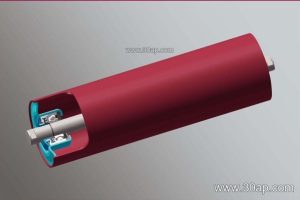
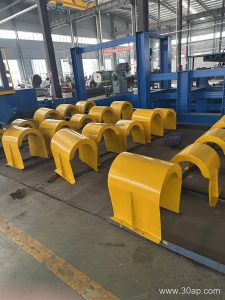
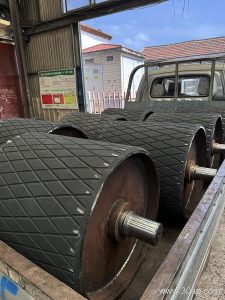
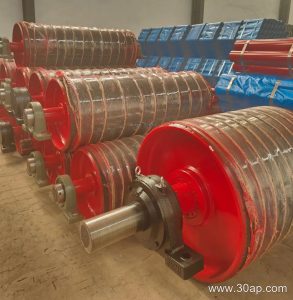
Cold resistant conveyor belts are widely deployed in regions with harsh winters and in industries that process materials outdoors or in unheated facilities. In open-pit mines and quarries, they transport ore, rock, and aggregate in sub-zero temperatures. Coal mining operations, both surface and underground, rely on these belts to keep coal flowing without interruption. Cement plants and power plants use them for limestone, clinker, and coal handling during cold seasons. Ports and ship loading facilities in cold climates also benefit. The belt works in conjunction with conveyor pulleys, idler rollers, and conveyor brackets to form a complete conveying system. For example, a cold resistant belt running over a drive pulley and tail pulley must maintain flexibility to wrap around pulleys without cracking.
Key Specifications and Types
When selecting a cold resistant conveyor belt, several parameters matter. The table below shows common reference data; actual values vary by manufacturer and application.
| Parameter | Common Range |
|---|---|
| Belt width | B500, B650, B800, B1000, B1200, B1400, B1600, B1800, B2000 |
| Fabric strength (EP) | EP200, EP315, EP400, EP500, EP630, EP800, EP1000, EP1250 |
| Cover thickness | 3+1.5 mm, 4+2 mm, 5+2 mm, 6+2 mm |
| Number of plies | 2 to 6 |
| Operating temperature | Typically -20°C to -50°C, depending on compound |
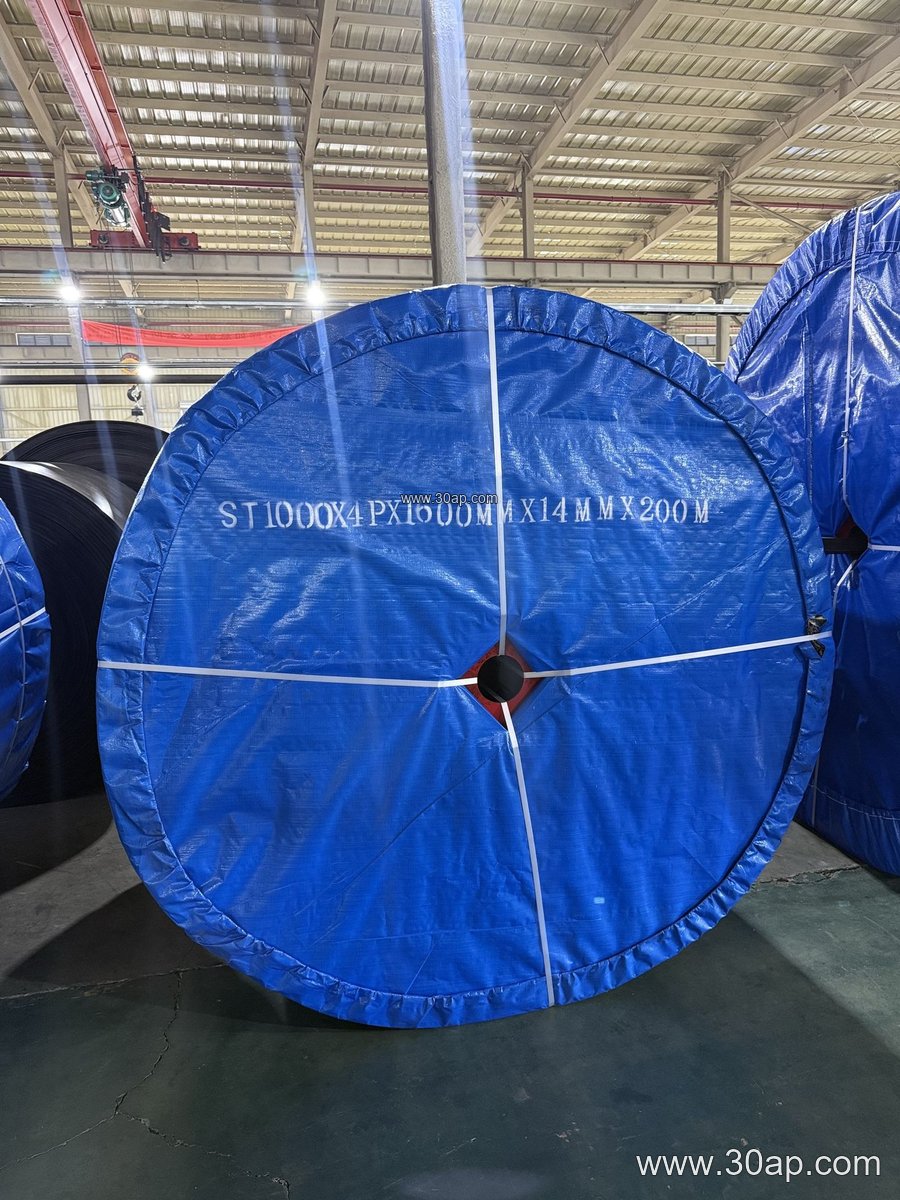
Subtypes include fabric core belts like EP and NN, as well as steel cord belts (e.g., ST1000, ST1250) for high-strength needs. Chevron or corrugated sidewall belts can also be produced in cold resistant versions for inclined conveying. However, the cold resistant property is a modifier that can apply to various base belt types.
Buyer Considerations
Buyers should specify the minimum operating temperature and the material being conveyed, as some materials become more abrasive or sticky when frozen. Check that the belt’s cover rubber is rated for the expected low temperature and that the fabric or steel cord core maintains adhesion. Consider the pulley diameters and idler roller spacing—a stiffer belt at low temperatures may require larger pulleys to reduce bending stress. Also, verify that the belt meets any required flame retardant or anti-static standards for the industry, especially in coal mining. Proper storage and installation also affect performance; avoid sharp bends or impacts during cold weather. For assistance in selecting the right cold resistant conveyor belt for your site, consult with technical experts who can match the belt to your conveyor pulley and idler roller configuration.