What a V-Type Idler Does
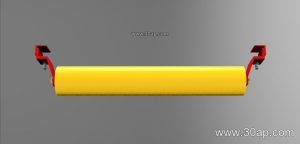
A V-Type Idler is a return-side idler roller arranged in a V shape, with two rolls set at an angle so the belt sits in a shallow trough. You will also see it called a V-return idler or V-shaped return roller. It belongs on the carrying return strand, not on the top run, and it is not a substitute for a troughing idler set or a transition idler. Its main jobs are to support the empty belt, help it track toward the center, and shed loose material that would otherwise stick to the belt surface.
On a long conveyor the return strand is often the place where misalignment starts. A V-Type Idler gives the belt two angled contact lines instead of one flat line, which gently corrects small sideways drift. In dusty plants the V form also lets fines fall away rather than build up on a flat roll face.
Construction and Common Parameters
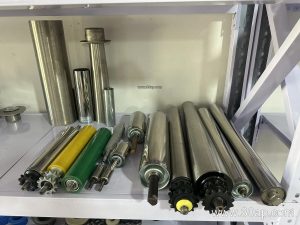
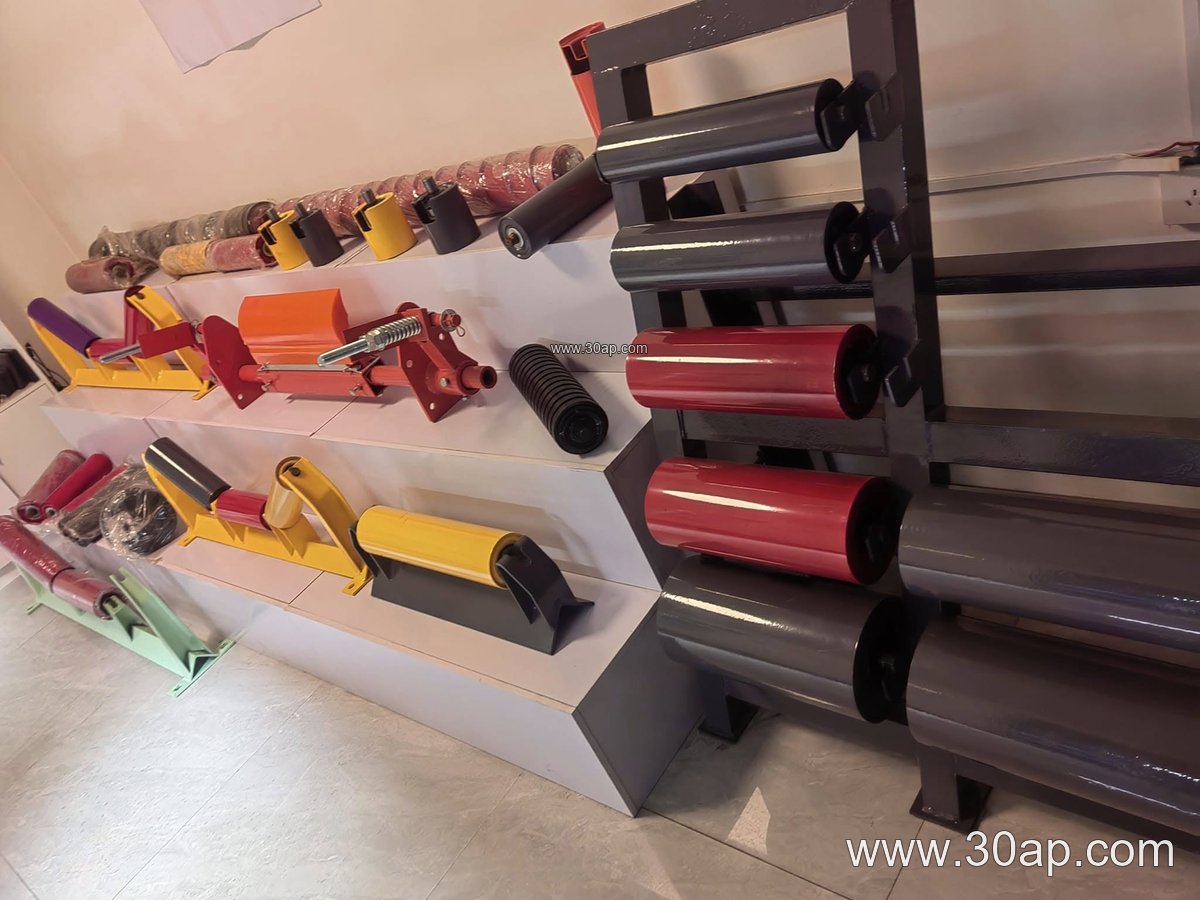
The frame is usually a steel bracket carrying two rolls on sealed ball bearings, with the wings set at a fixed angle. Roll faces may be plain steel tube, nylon, ceramic, or rubber rings depending on the duty. Bearing sizes commonly range from 6204 up to 6310, matched to roll diameter and load, and no single bearing is tied to one roll size.
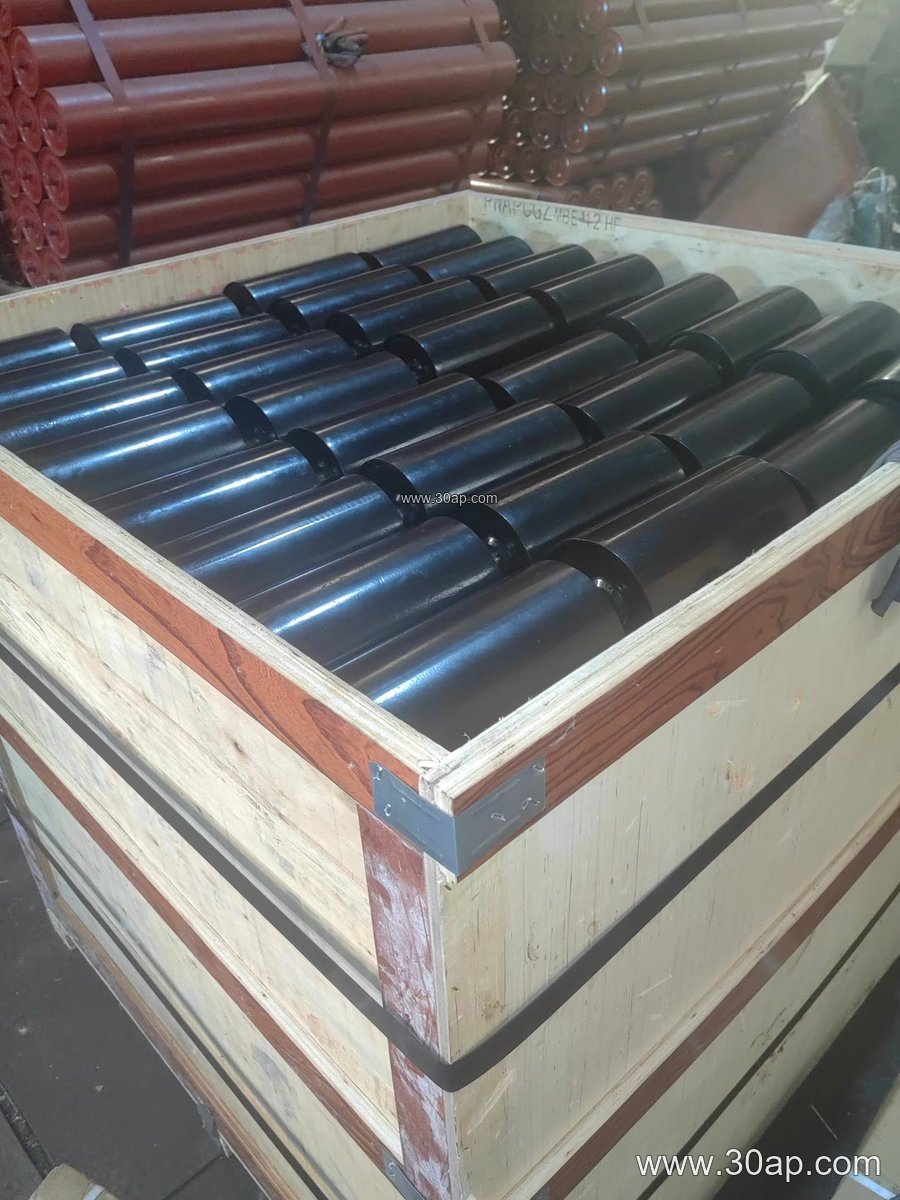
Typical reference values are shown below. These are common examples, not fixed combinations; final roll length, angle, and shaft details are set by the conveyor design.
| Parameter | Common Reference Values |
|---|---|
| Roll diameter | Ø63, Ø76, Ø89, Ø102, Ø108, Ø127, Ø133, Ø159, Ø178 mm |
| Belt width | B400, B500, B650, B800, B1000, B1200, B1400, B1600 mm |
| V angle | Commonly around 10 to 20 degrees per side, set by design |
| Roll face | Steel tube, nylon, ceramic, rubber ring |
| Bearing | 6204, 6205, 6305, 6306, 6308, 6310 |
Roll length follows belt width and frame geometry. As a rough guide, a three-roll troughing set may use about 200 mm rolls at B500 and about 465 mm at B1200, but a V-return roll is shorter and its length must be confirmed from the drawing. Do not assume a shaft diameter from belt width alone.
Where It Fits in the Plant
V-return idlers are common in sand and gravel lines, crushing and screening circuits, and cement plants where dust and spillage are routine. In a quarry conveyor the return strand often carries a thin film of grit; the angled rolls help the belt stay centered through curves and transfer points. In a coal handling system feeding a power plant, the same layout reduces the chance of the belt rubbing the frame.
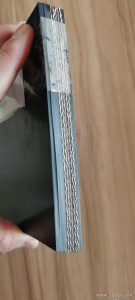
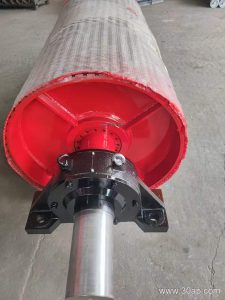
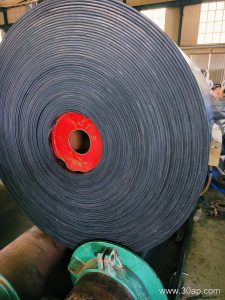
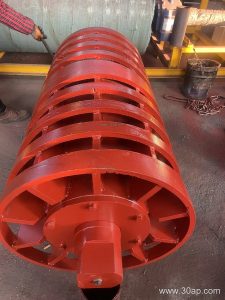
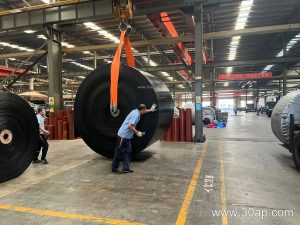
The idler works together with the rest of the line: a Rubber Conveyor Belt or EP Conveyor Belt on top, a conveyor pulley at the head and tail, and conveyor brackets holding the frames. On abrasive duties such as an Abrasion Resistant Conveyor Belt carrying ore, a worn return roll can damage the belt edge quickly, so inspection matters.
Buyer Checklist
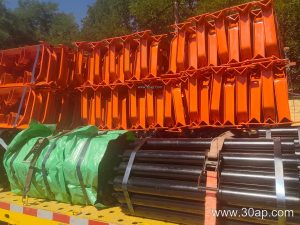
- Confirm belt width and the exact frame drawing, since V-return frames differ from flat return sets.
- State the roll diameter and bearing size you need, or give the load and speed so the supplier can propose one.
- Choose the roll face for the environment: rubber rings for impact and noise, ceramic or nylon where buildup is a problem.
- Check the V angle and mounting height against the existing conveyor bracket.
- Ask about sealing and lubrication, because dust ingress is the usual cause of early failure.
A V-Type Idler is a small part, but on a bulk material conveyor it protects the belt and keeps the return run stable. Match it to the belt, the pulley layout, and the site conditions, and it will do its job quietly for a long time.