What a Surface Belt Conveyor Idler Does
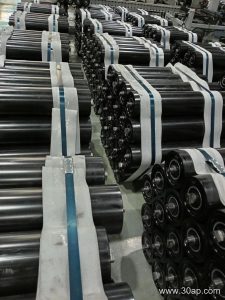
A surface belt conveyor idler is the rotating roller that supports the conveyor belt along the carrying and return runs. In everyday workshop language it is often simply called a belt idler or an idler roller, and it belongs to the group of components that keep the belt tracking smoothly instead of dragging on fixed steel. Each idler sits in a frame or on a conveyor bracket, and the belt rolls over the shell rather than sliding across it.
These units are not the same as the pulleys at the ends of a conveyor. A drive pulley, tail pulley or bend pulley transmits power or changes belt direction; an idler only carries the belt. Confusing the two leads to wrong spare parts, so it helps to keep the names separate when ordering.
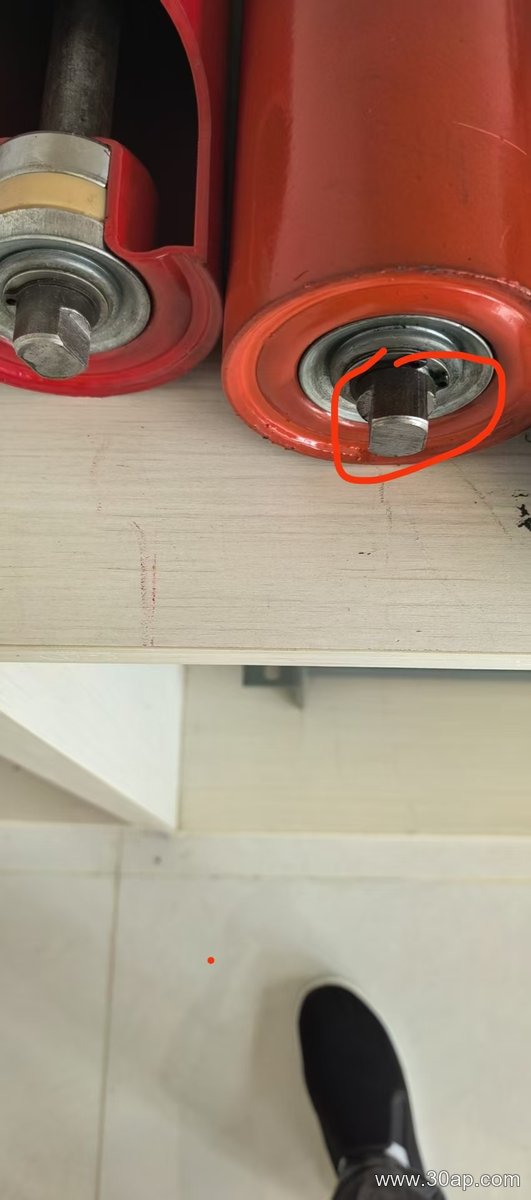
How the Roller Is Built
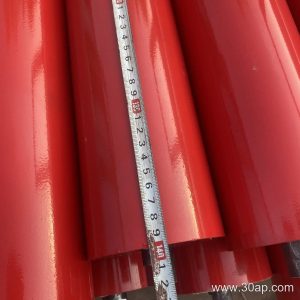
The basic structure is simple but the details decide service life. A steel tube forms the shell, and pressed or machined end caps hold the bearing housings. A shaft runs through the centre and is clamped to the frame. Between the shaft and the shell sit bearings, commonly deep groove ball bearings such as 6204, 6205, 6305, 6306, 6308 or 6310 depending on load and roller diameter. Seals sit outboard of the bearings to keep dust and water out.
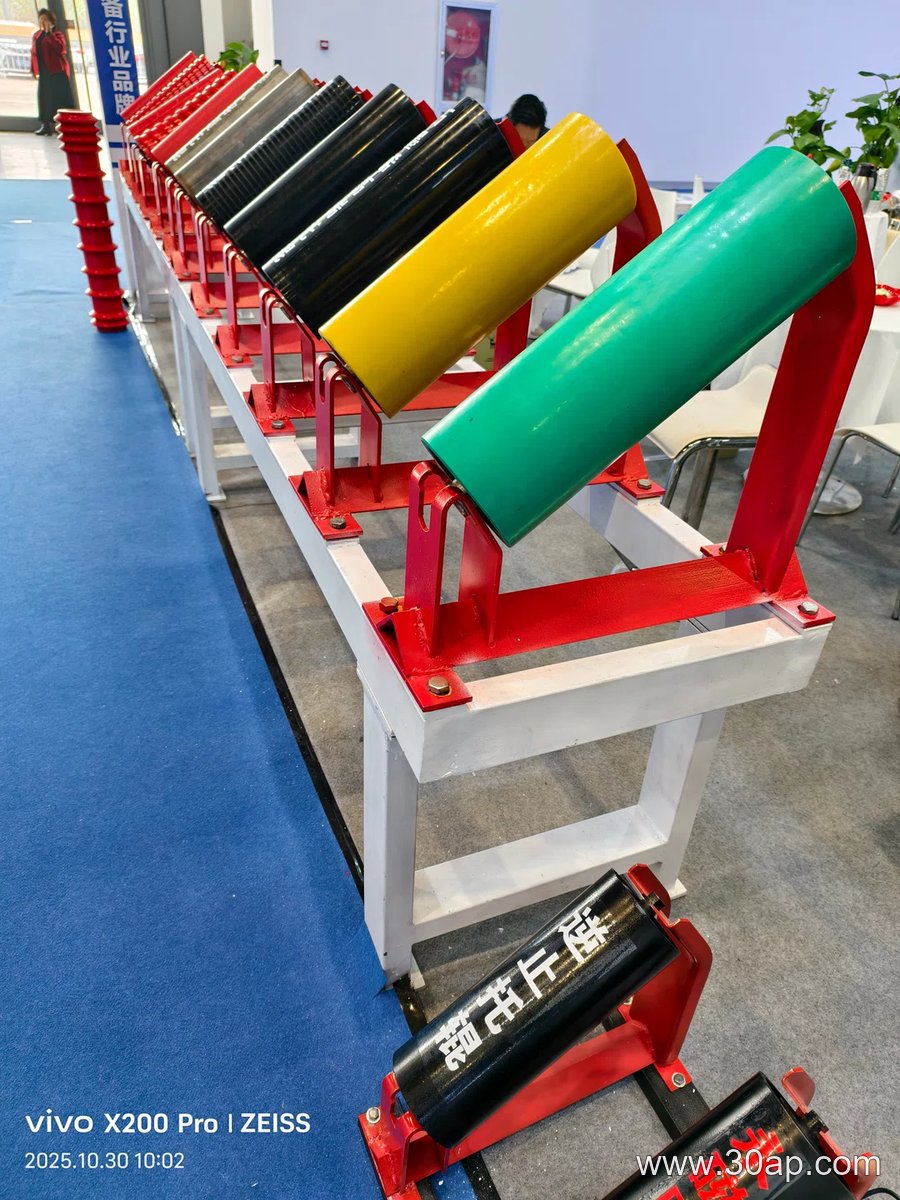
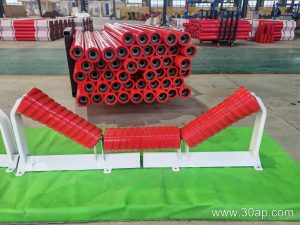
Shell surfaces vary with the duty. A plain steel shell suits general handling. Rubber rings are added on impact idlers at loading points. Nylon and ceramic surfaces appear where sticking, wear or corrosion is a concern. Roller diameters commonly range from about 63 mm to 219 mm, and the correct choice depends on belt width, belt speed and load rather than on one fixed rule.
Where Surface Idlers Are Used
Almost any belt conveyor needs them. In a quarry or sand and gravel line they carry crushed rock on the long overland sections. In a coal handling plant they support the belt through transfer towers and along the stockyard. The same component appears in cement plants, power station coal feed systems and aggregate crushing and screening circuits.
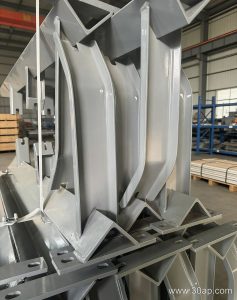
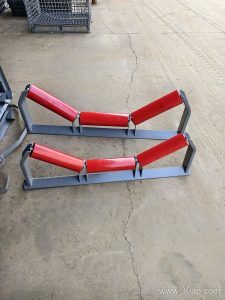
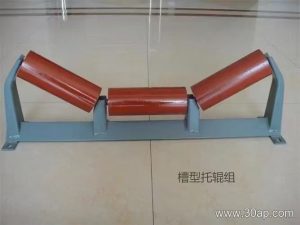
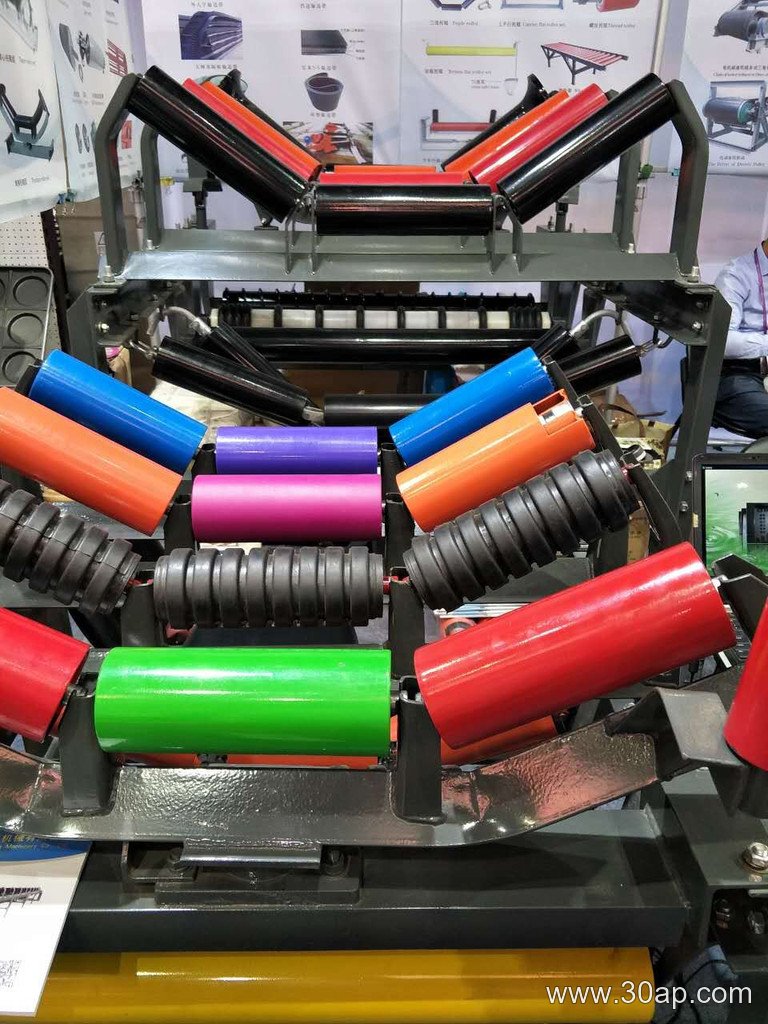
Position decides the type. On the carrying side, three-roll troughing sets with trough angles of 20, 30, 35 or 45 degrees cradle the load. On the return side, flat or V-shaped return idlers support the empty belt. Impact idlers with rubber rings sit under the loading chute. Self-aligning idlers, including friction and tapered versions, correct minor belt drift. A spiral idler can help shed sticky material in wet or muddy conditions.
Choosing the Right Size and Type
Buyers often ask which roller matches a given belt width. There is no single answer. Belt widths such as B500, B650, B800, B1000, B1200, B1400, B1600, B1800, B2000 and above are matched to idler sets by the conveyor designer. A three-roll troughing set on a B800 belt may use side rollers around 315 mm long, while a B1200 set may use rollers near 465 mm, but side and centre rollers can differ and these figures are only common examples. The shaft diameter follows the calculated load, not the belt width alone.
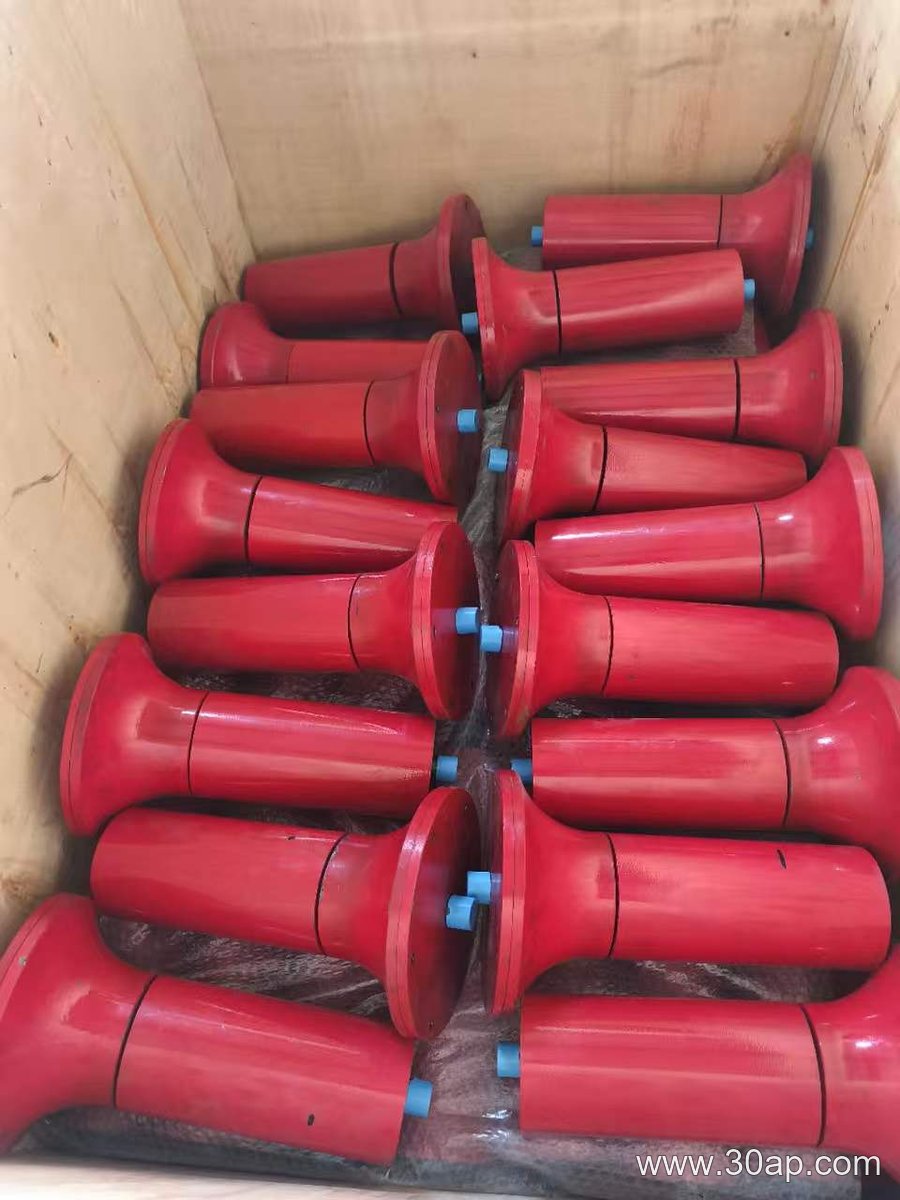
Useful checks before ordering include:
- Belt width and trough angle of the existing frame
- Roller diameter and overall roller length
- Bearing size and seal type for the environment
- Shell material and whether rubber, nylon or ceramic is needed
- Mounting detail, including the conveyor bracket spacing
Maintenance and Buying Notes
A worn idler usually announces itself through noise, heat, belt wander or a seized shell that rubs a flat spot into the belt. Replacing a failed roller early is cheaper than replacing the belt. Keep spare rollers of the main sizes used on the line, and check that seals are still effective in dusty or wet areas.
When requesting a quotation, describe the application rather than only a part number. State the conveyor, belt width, trough angle, roller diameter, roller length, bearing and surface form. A supplier can then confirm whether a standard surface belt conveyor idler fits, or whether an impact, return or self-aligning variant is the better choice for that position.