What a High Strength Conveyor Belt Is
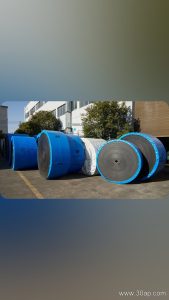
A High Strength Conveyor Belt is a heavy-duty rubber belt engineered to carry large tonnages over long distances without excessive stretch or fatigue. It is typically built with a high-tenacity fabric core—such as EP (polyester-cotton) or NN (nylon-nylon)—or with steel cord reinforcement, and it is finished with thick, abrasion-resistant cover rubber. In mines, quarries, cement plants, power stations, and sand and gravel yards, this belt keeps primary crushers, idler rollers, and conveyor pulleys working as one continuous system.
Where a standard belt may be adequate for light packages, a high strength conveyor belt is chosen when the duty involves sharp rock, wet ore, steep inclines, or continuous operation. The same product family appears under equivalent names such as high-tension conveyor belt or heavy-duty conveyor belt, and those terms refer to the same reinforced construction.
Construction and Reinforcement
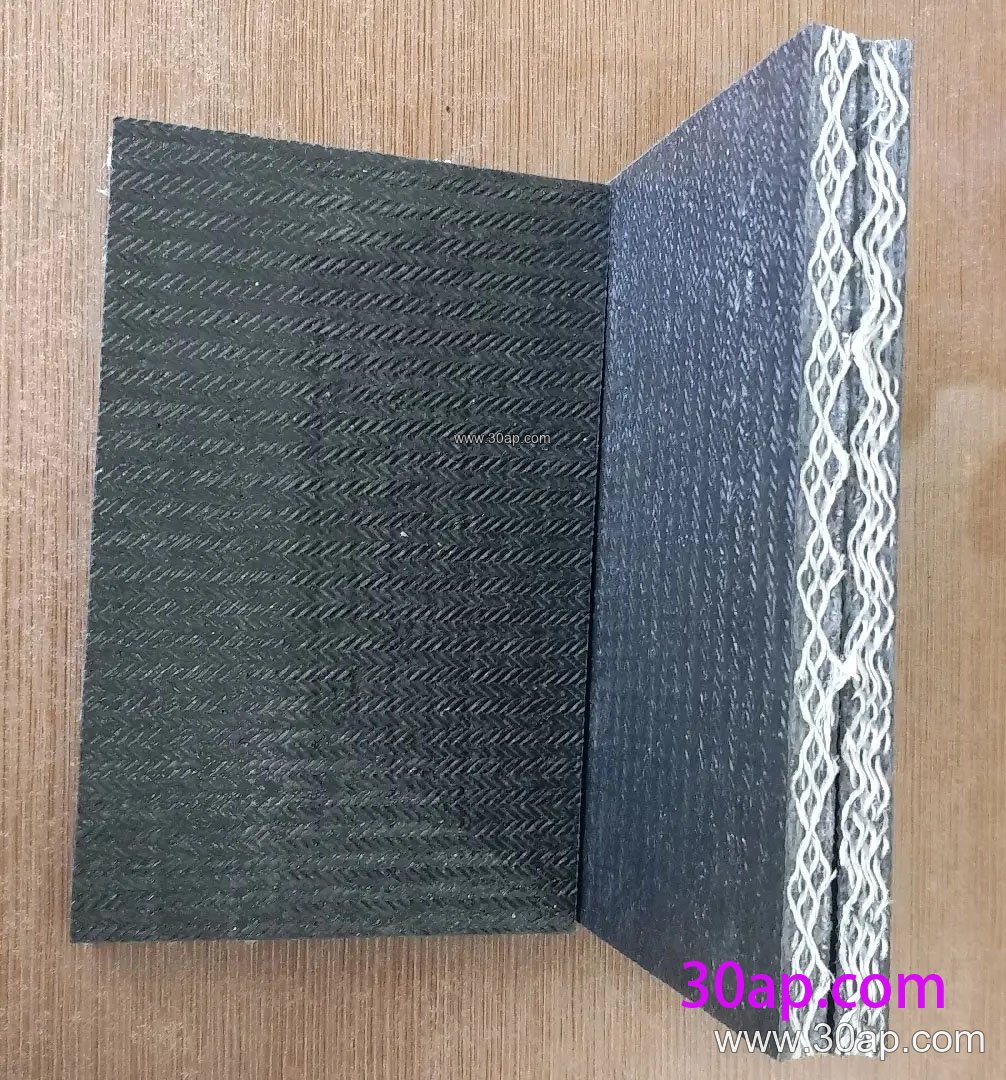
The strength of the belt comes from its carcass. Multi-ply fabric cores are common, with two to six plies depending on the load. EP and NN fabrics offer different elongation behaviour, while steel cord belts use brass-coated wires for very high tension and long centre distances. Cover rubber is usually specified in gauges such as 4+2 mm, 5+2 mm, 6+2 mm, or 8+3 mm, with the first figure being the top cover and the second the bottom cover.
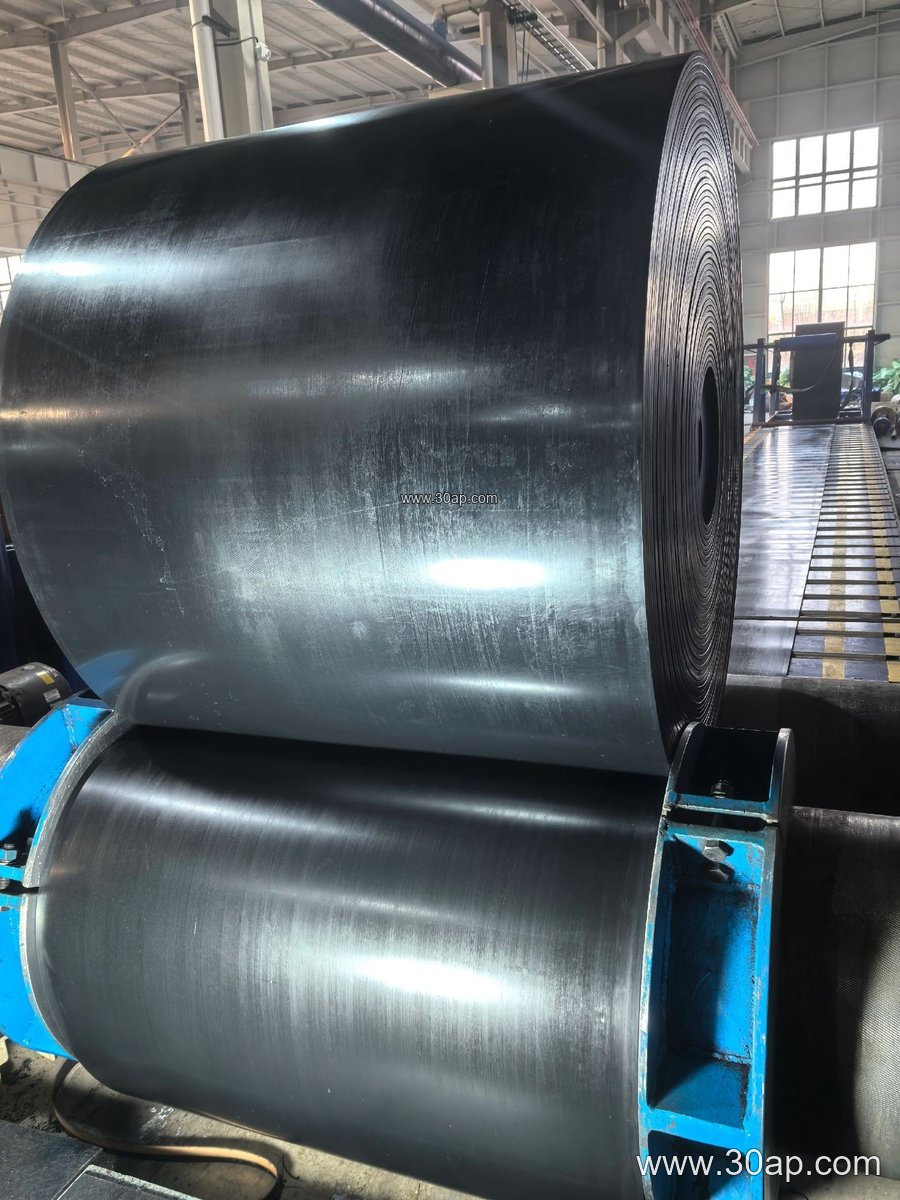
- Carcass: EP, NN, or steel cord, selected by tensile grade.
- Cover: abrasion resistant, heat resistant, flame retardant, oil resistant, or cold resistant compounds.
- Edges: cut edges or moulded edges for better tracking on conveyor pulleys.
- Surface options: plain, chevron, skirted, or corrugated sidewall for specific handling needs.
For underground coal mining, PVG and PVC belts are often used for flame retardant duties, but they are a different construction from the high strength fabric or steel cord belt described here. A buyer should match the belt type to the actual risk and load, not simply to the widest available specification.
Typical Duty and Industry Use
High strength belts are common in primary crushing circuits, overland conveyors, ship loading lines, and stockyard systems. In a quarry or aggregate plant, a crusher conveyor belt must resist impact from falling rock; in a coal mining conveyor belt system, flame retardant and anti-static properties may be required; in a cement plant, heat resistant grades handle clinker and kiln discharge. Iron ore, copper ore, and gold mining operations often rely on steel cord or high-grade EP belts for long hauls.
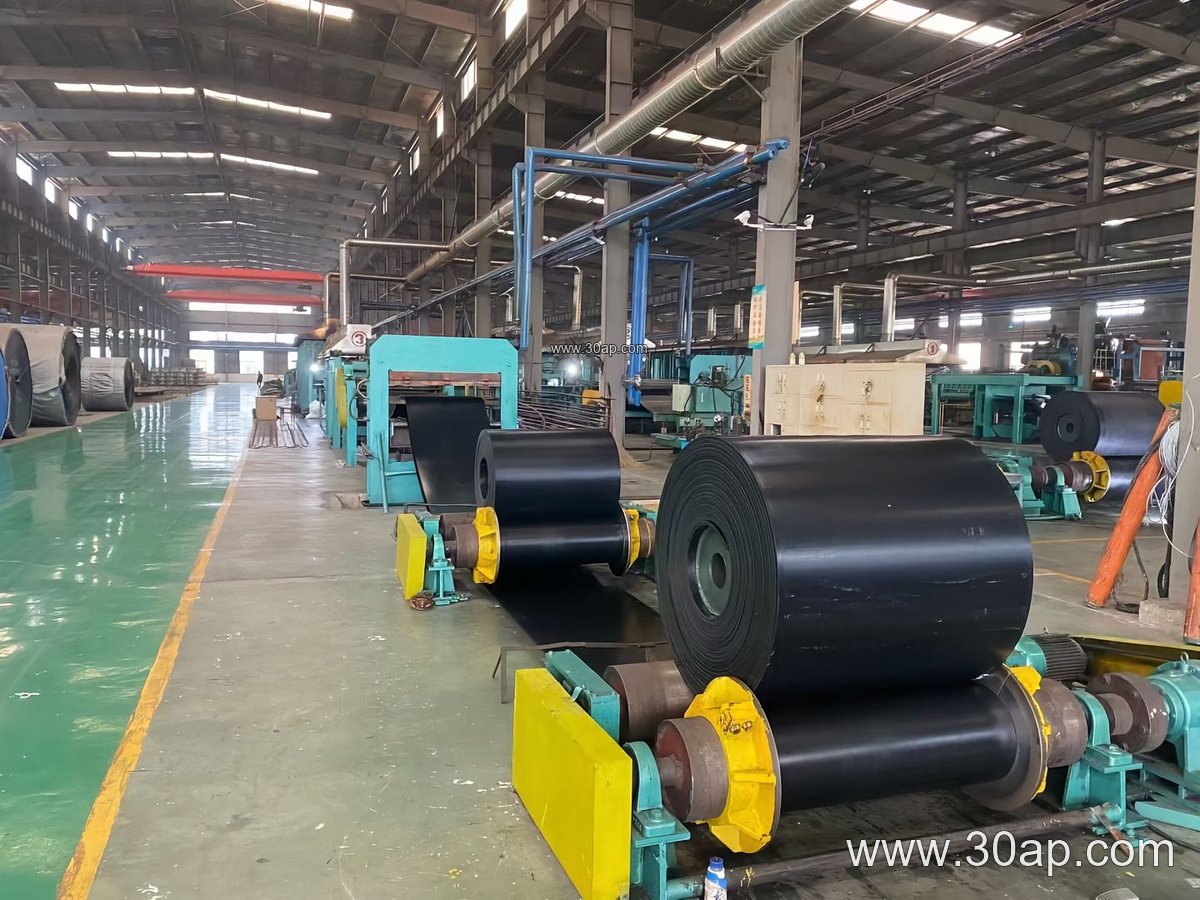
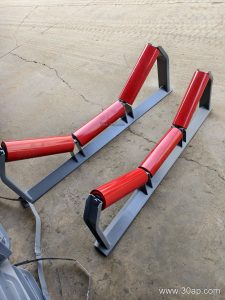
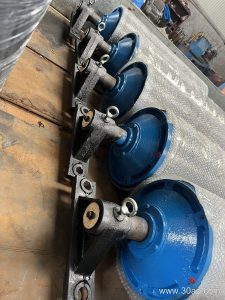
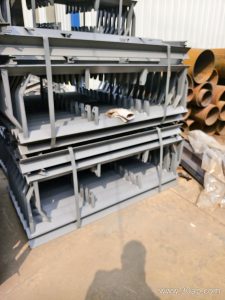
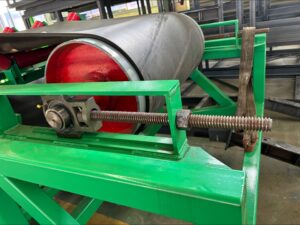
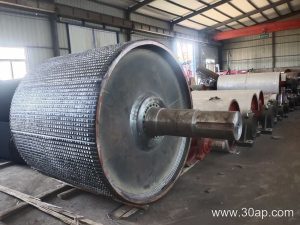
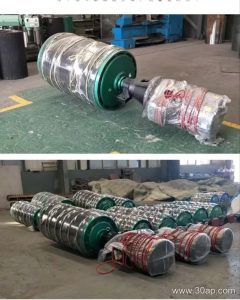
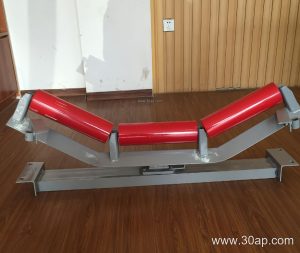
The belt does not work alone. Correctly sized idler rollers support the load, drive and tail pulleys transfer power and maintain tension, and conveyor brackets hold the structure aligned. When these components are matched, belt life improves and splice failure becomes less frequent.
Specifications to Discuss with a Supplier
There is no single universal specification. The table below shows common reference values that help frame a technical discussion; actual supply should be confirmed by design.
| Parameter | Common reference values |
|---|---|
| Fabric core grades | EP200, EP315, EP400, EP500, EP630, EP800, EP1000, EP1250, EP1600, EP2000 |
| Steel cord grades | ST1000, ST1250, ST1600, ST2000, ST2500, ST3150 |
| Belt width | B500, B650, B800, B1000, B1200, B1400, B1600, B1800, B2000 |
| Cover gauge examples | 3+1.5 mm, 4+2 mm, 5+2 mm, 6+2 mm, 8+3 mm |
| Carcass plies | 2 to 6 plies, depending on grade and design |
Note that belt width and pulley diameter are separate design choices. A 1200 mm wide belt can run on different pulley sizes according to the conveyor layout, and shaft diameter is determined by the pulley manufacturer, not by belt width alone.
Selection and Maintenance Notes
Begin with the material: lump size, moisture, temperature, oil content, and abrasiveness. Then confirm the required tensile grade and cover compound. A high abrasion resistant conveyor belt suits sharp stone, while a heat resistant conveyor belt is needed near clinker or sinter. For cold climates, a cold resistant grade prevents cracking at start-up.
During operation, check belt tracking, splice condition, and idler roller rotation. Worn rollers increase friction and can damage the belt edge. Keep pulleys clean and maintain proper tension. Store spare belts away from direct sunlight and ozone sources. When replacing a belt, record the grade, width, cover gauge, and splice type so the next order matches the conveyor design.
For more product references, see High Strength Conveyor Belt and related Rubber Conveyor Belt and EP Conveyor Belt pages. A belt is only as strong as the conveyor system around it, so plan the belt, idler roller, and pulley selection together.