What an Impact Idler Bracket Does
At a conveyor transfer point, where bulk material drops onto the belt, the impact idler bracket carries the shock. It is the structural support that holds the impact idler rollers in place, absorbing the force of falling rock, ore, or aggregate before it reaches the belt. In a quarry, a limestone mine, or a crusher discharge, this bracket protects both the idler roller and the conveyor belt from premature wear and damage.
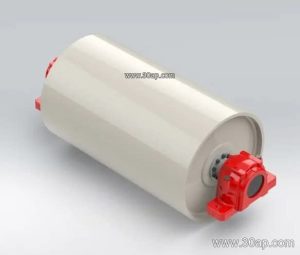
The impact idler bracket is a distinct component from the troughing idler bracket used along the carrying run. While both support rollers, the impact version is built for vertical loading and is often positioned directly under the loading chute or transfer skirt. It works alongside the conveyor pulley at the head or tail, but it is not interchangeable with drive, tail, or bend pulley assemblies.
Construction and Mounting
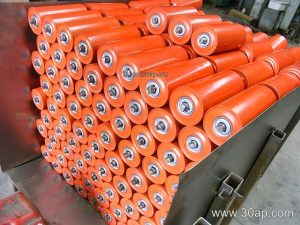
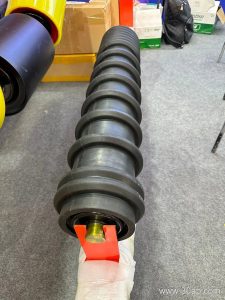
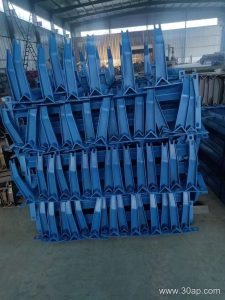
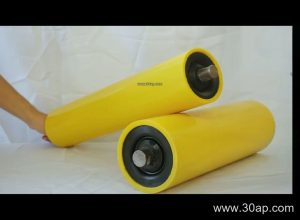
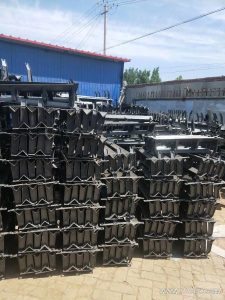
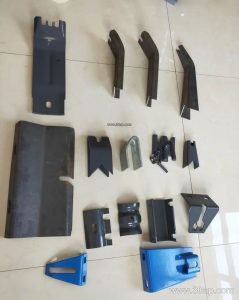
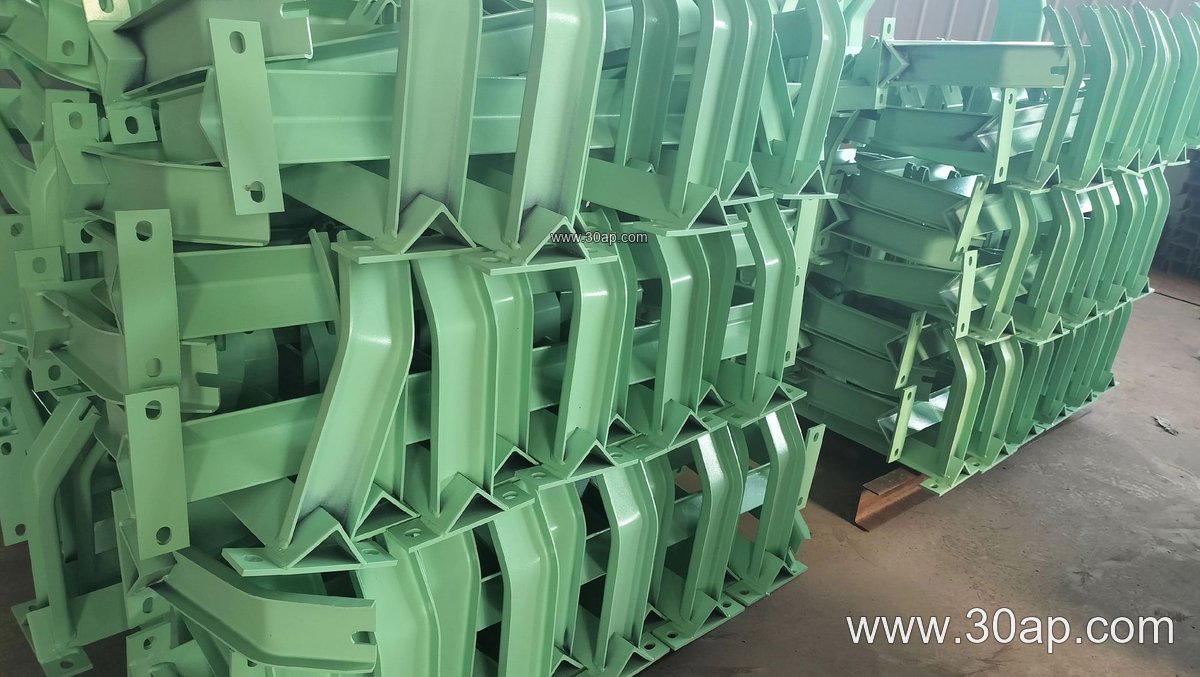
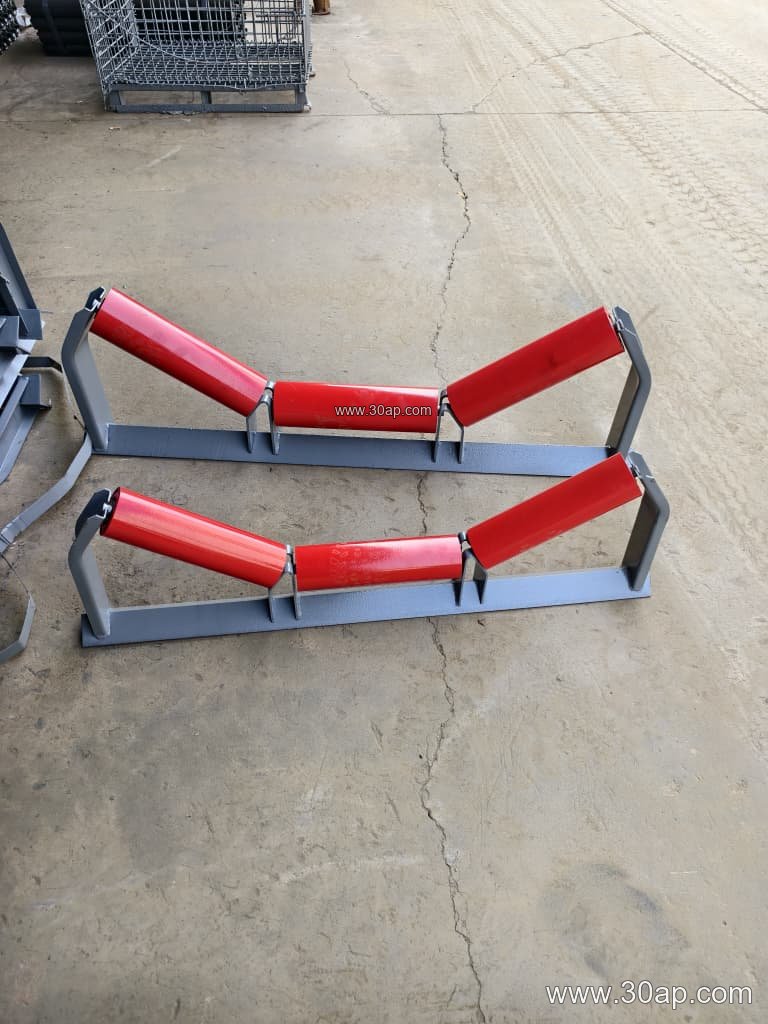
Most impact idler brackets are fabricated from angle steel, channel steel, or folded steel plate. The frame is designed to hold a series of rubber or polyurethane impact idlers at a fixed or adjustable trough angle. Common trough angles include 20, 30, 35, and 45 degrees, with adjustable brackets allowing the angle to be changed to suit the material flow. A slight forward tilt of about 1.5 to 2 degrees is sometimes used in self-aligning designs to help center the belt.
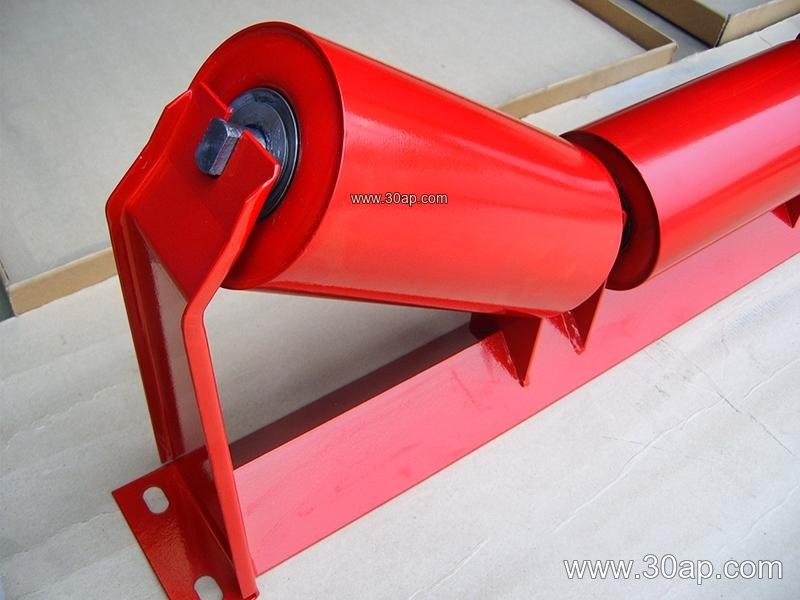
The bracket is mounted to the conveyor stringer or frame, and its dimensions—mounting hole spacing and crossbeam length—are determined by belt width, trough angle, and idler diameter. For example, a B800 conveyor might use a 35-degree bracket with Ø108 idlers, while a B1200 system could call for a 45-degree bracket with Ø133 rollers. These are common references, not fixed pairings; the final selection depends on the conveyor design and the material being handled.
Where It Is Used
Impact idler brackets appear in heavy-duty load zones across many industries. In a coal mining conveyor or underground coal mining conveyor, they sit beneath the transfer chute to cushion lumps of coal. At a cement plant or power plant coal yard, they support the belt at the receiving point. In a sand and gravel line or stone crushing plant, the bracket absorbs the impact of crushed rock. They are also found in port ship loading systems and steel plant sinter lines, always at the point where material first contacts the belt.
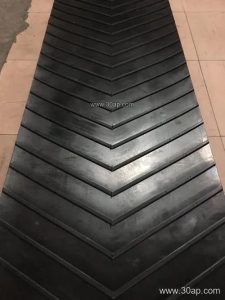
The bracket is often paired with an impact resistant conveyor belt, such as a heavy-duty mining conveyor belt or a high abrasion resistant conveyor belt, to extend service life in these punishing locations.
Selection and Maintenance Notes
When choosing an impact idler bracket, match the bracket’s load rating and roller diameter to the belt width and the size of the material lumps. Wider belts (B1400, B1600, B1800) usually need heavier frames and larger idler diameters (Ø159, Ø194) to handle the added impact. Adjustable brackets are useful where material flow varies or where belt tracking needs fine-tuning. Fixed brackets are simpler and often preferred in stable load zones.
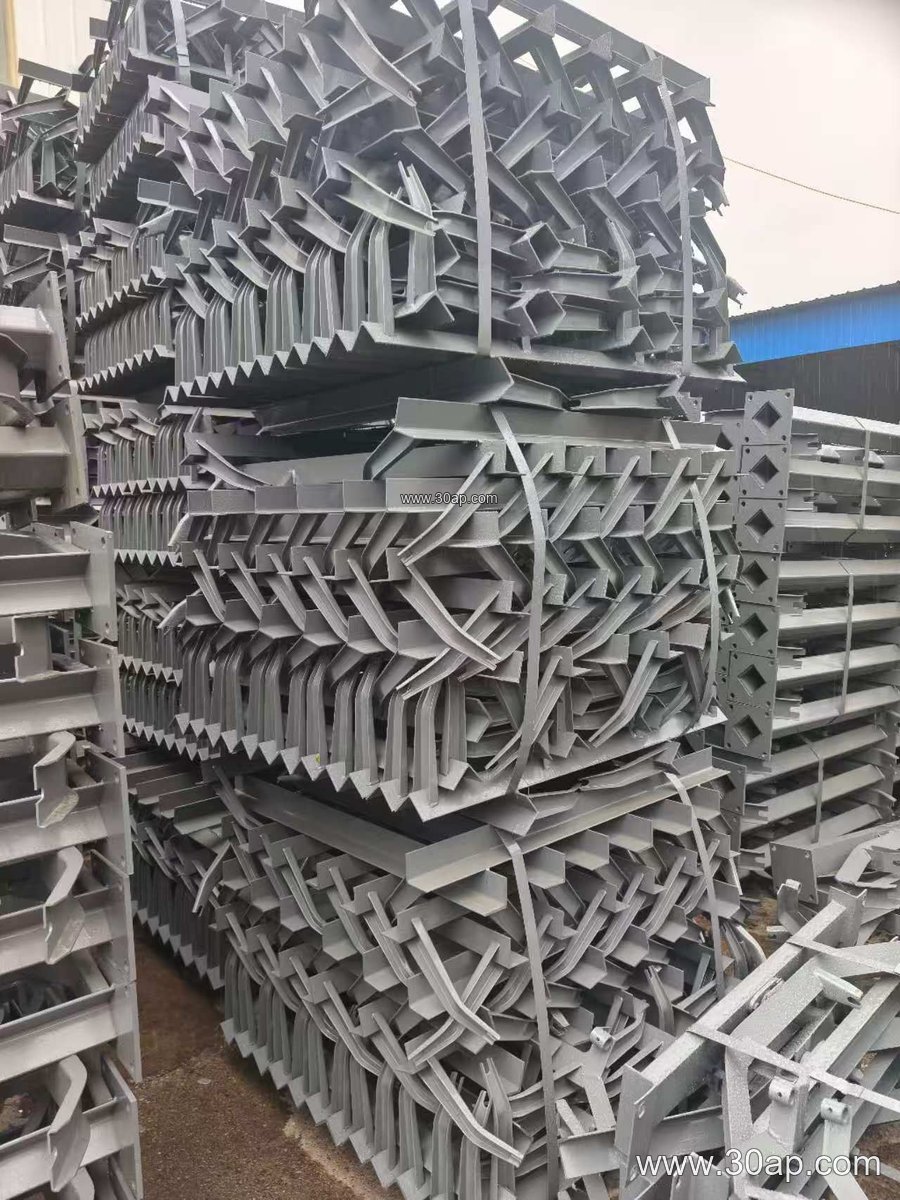
Inspect the bracket for bending, cracked welds, or loose mounting bolts during routine maintenance. Worn impact idlers should be replaced promptly to avoid belt damage. The bracket itself rarely fails unless overloaded, but it should be checked whenever the idler roller is changed.
For reliable conveyor operation, the impact idler bracket works as part of a system that includes the conveyor belt, conveyor pulley, and other conveyor brackets. Selecting the right bracket for the load zone helps reduce downtime and protect the belt investment.