Evaluating Rubber Versus PVC Cover Compounds for General Manufacturing Duties
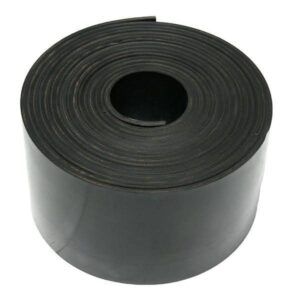
Procuring a conveyor belt requires balancing physical application fit against initial capital outlay. On a general manufacturing line moving molded plastic parts, engineers typically evaluate rubber and PVC cover compounds.
Rubber offers superior impact resistance and long-term wear endurance under continuous component loading. However, it carries a higher purchasing cost and can introduce rubber odors unsuited to clean indoor assembly halls.
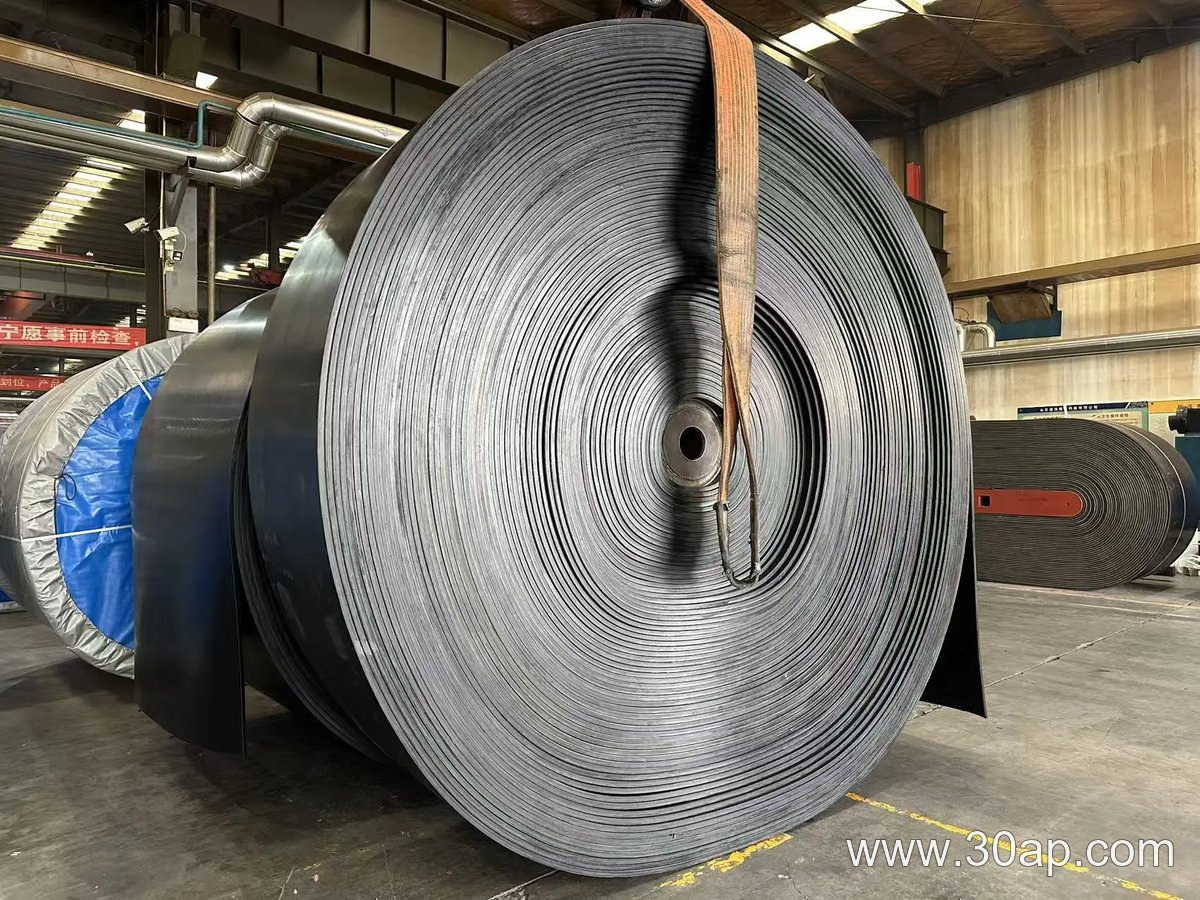
Conversely, PVC provides a lower initial acquisition cost, excellent resistance to light oils, and a smooth surface ideal for lightweight sorting. Yet, PVC exhibits faster thermal aging and lower cut resistance when handling sharp metal offcuts.
- Assess daily mechanical stress and component weight before finalizing compound choice.
- Factor replacement frequency into your total procurement expenditure analysis.
Why an Idler Roller Seizes on a General Manufacturing Line
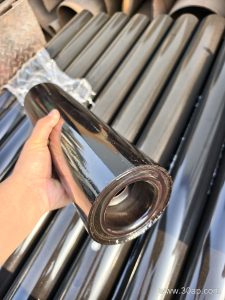
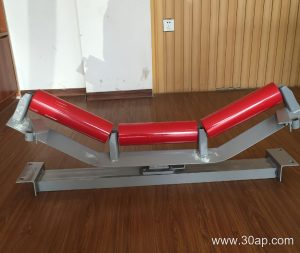
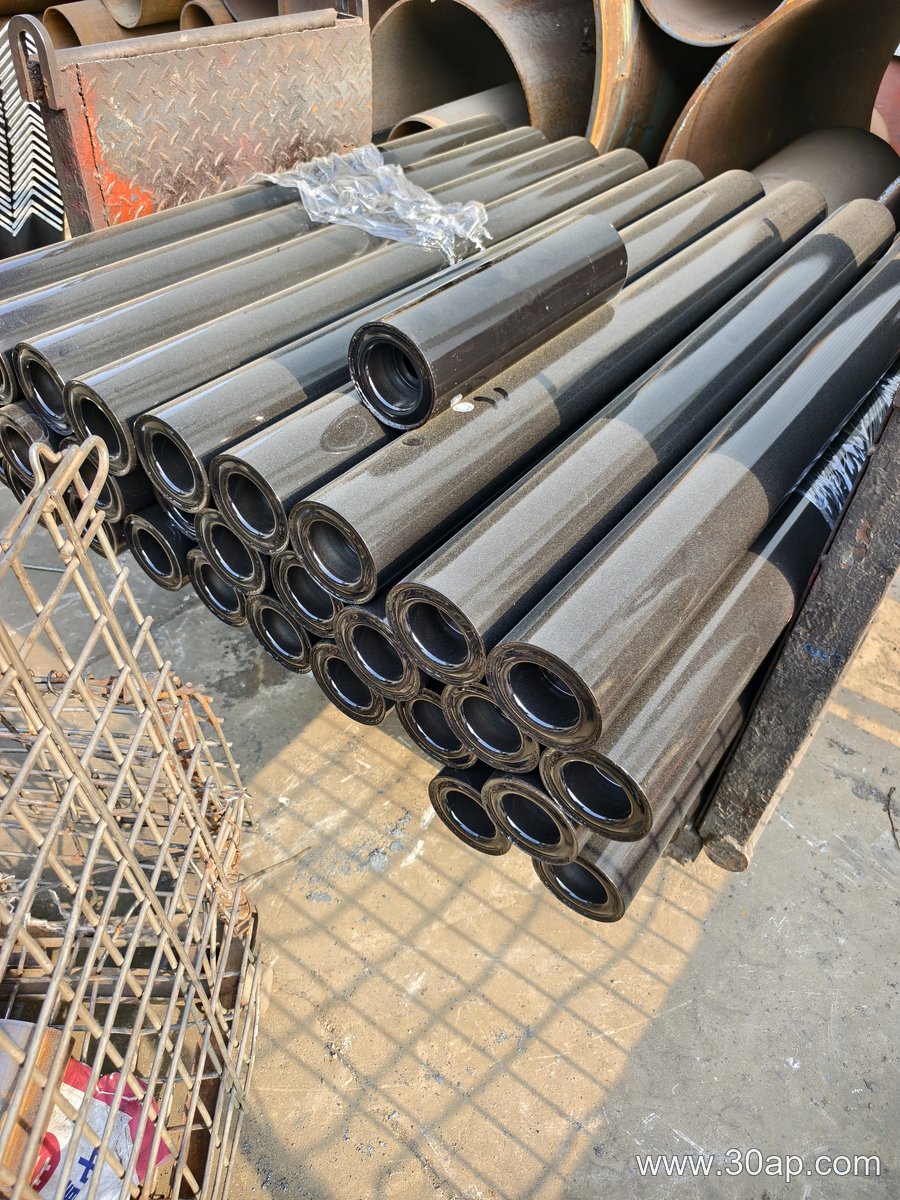
On a busy general manufacturing line, an idler roller can suddenly stop rotating due to internal mechanical binding. When maintenance crews notice a high-pitched squealing noise or localized belt wear, they must quickly determine whether the fault stems from contaminated grease, a misaligned shaft, or a crushed bearing housing. Recognizing these distinct failure symptoms prevents catastrophic belt damage and unplanned factory downtime.
Diagnosing Common Root Causes
- Contaminated internal seals allow fine manufacturing debris or washing water to enter the raceway, washing away lubricant and causing the idler roller to lock up.
- Excessive radial loads from misaligned conveyor frames warp the outer shell, pinching the internal bearings and causing rapid overheating.
- Improper bearing press-fitting during initial assembly creates internal pre-load, accelerating wear during continuous high-speed production shifts.
Why Diametral Clearance Matters When Sizing a Conveyor Pulley Shaft Assembly
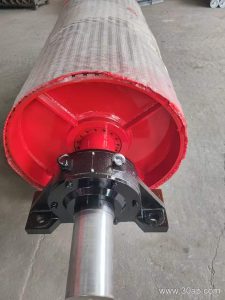
Diametral clearance refers to the internal radial play engineered between a rotating shaft and its supporting bearing or locking assembly. In a dusty quarry, fine aggregate particles inevitably migrate toward bearing housings. If an engineer specifies an excessively tight diametral clearance to minimize shaft deflection, thermal expansion during continuous operation can eliminate this tolerance margin. The resulting metal-on-metal friction induces rapid galling and premature seizure.
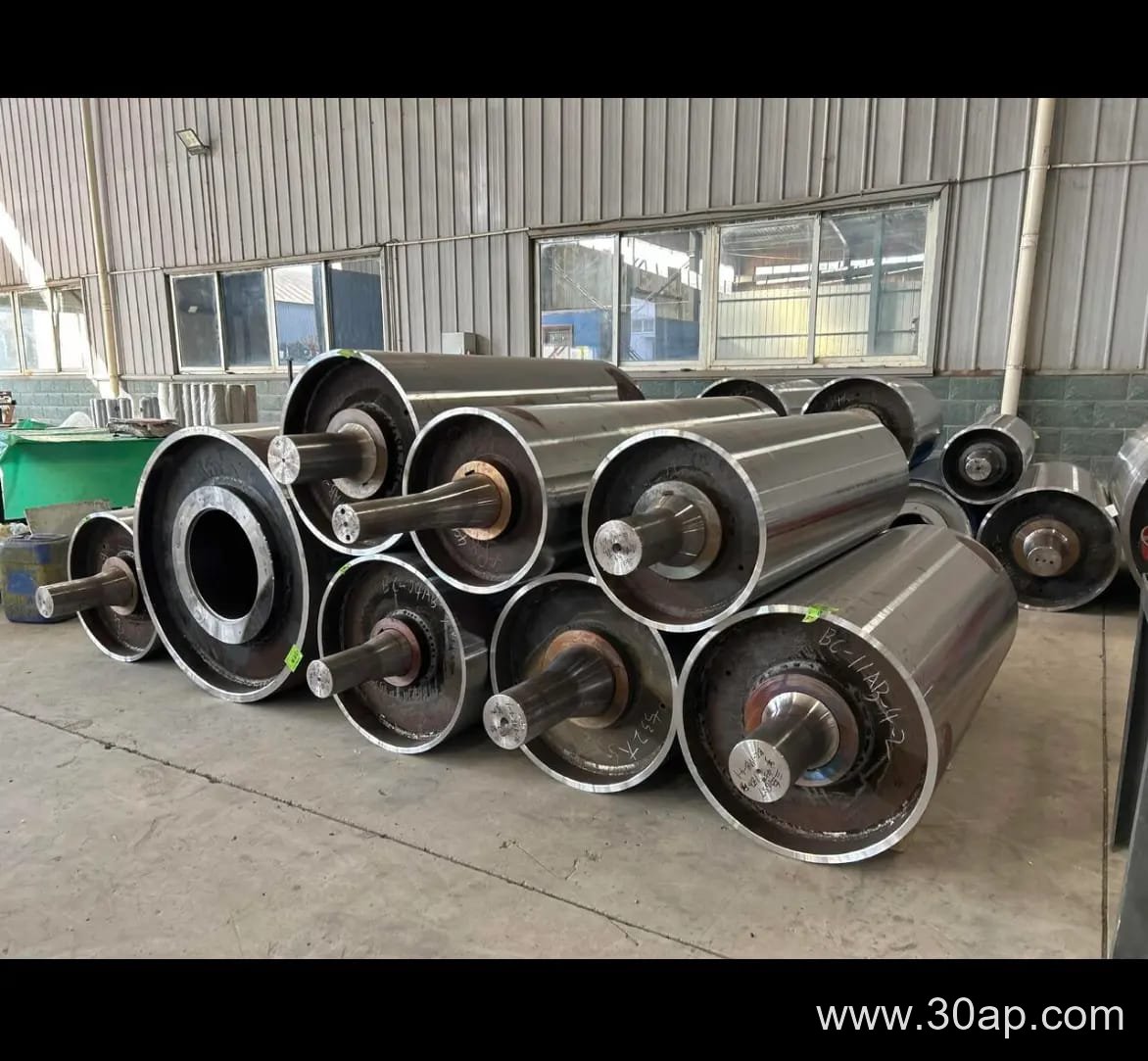
Conversely, a clearance set too loosely allows excessive shaft orbit under high belt tensions, accelerating fatigue cracking at the welded end discs. Balancing this engineering decision requires evaluating radial load vectors, ambient temperature swings, and expected particulate ingress.
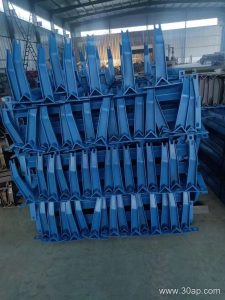
Sizing a Conveyor Bracket Under Strict Dimensional Limits
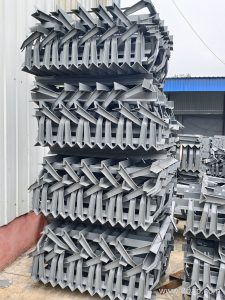
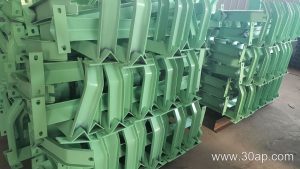
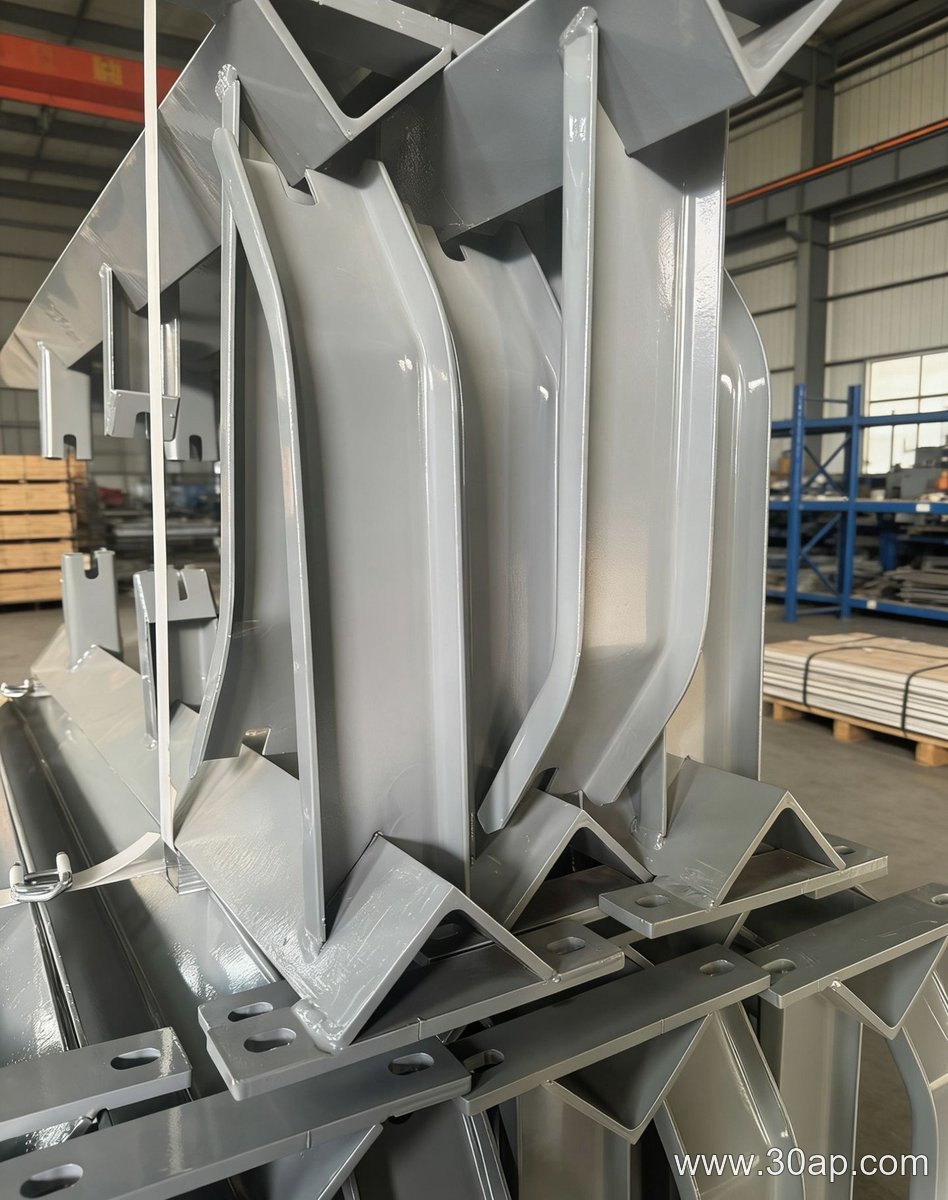
Designing a conveyor bracket for a hypothetical narrow-stringer wash plant requires balancing physical clearance against structural rigidity. The project dictates a strict 450 mm maximum stringer spacing, forcing engineers to evaluate compact mounting plates.
Key Selection Criteria
- Available bolt-circle diameter
- Gusset clearance for idler roll rotation
- Corrosion allowance for wet outdoor exposure
By prioritizing a shortened cantilever profile, the selected conveyor bracket avoids stringer interference while maintaining load capacity.