What a Cement Conveyor Idler Does on the Line
A cement conveyor idler is the rotating element that carries the conveyor belt and the material load along the carrying side or supports the empty belt on the return run. In a cement plant, the duty is rarely gentle. Clinker dust, limestone fines, and occasional lumps work into every gap, so the idler roller must keep turning freely while resisting abrasion and impact. The same component appears in the quarry that feeds the plant, in the crushing and screening circuit, and on the clinker transfer conveyors, which is why buyers often compare notes across sites before choosing a style.
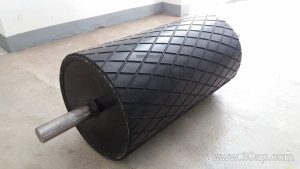
The idler is not a pulley. A conveyor pulley drives or redirects the belt at the ends of the machine, while the idler sits between them as a support. Drive, tail, and bend pulleys each have a specific role and are not interchangeable with each other or with an idler. Keeping that distinction clear helps when specifying spare parts for a cement conveyor system.
How the Idler Is Built
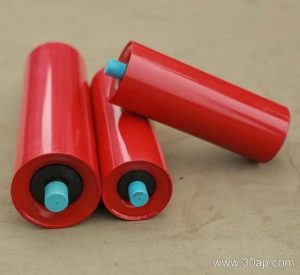
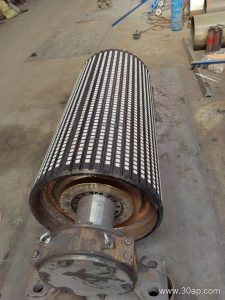
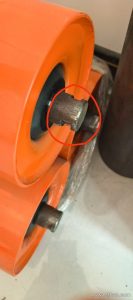
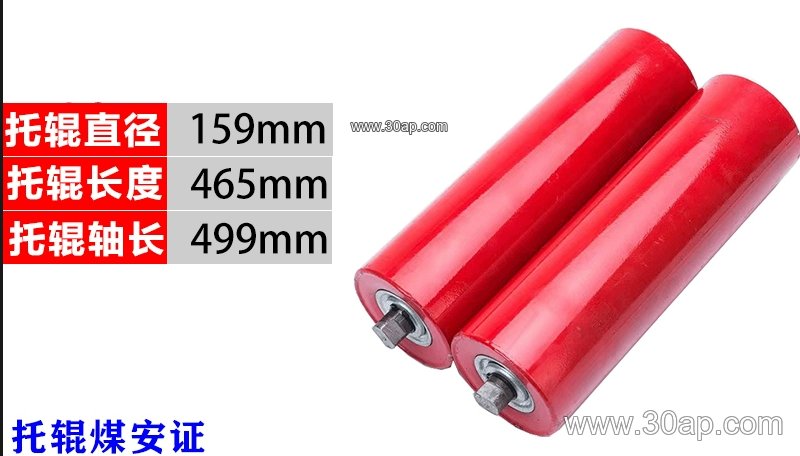
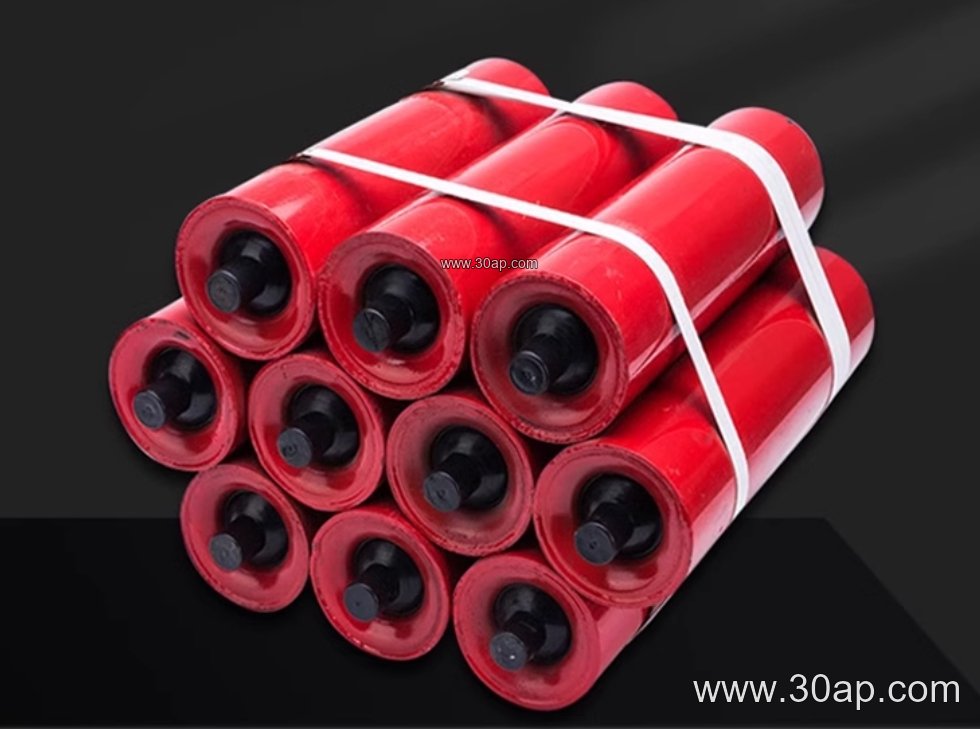
Most units consist of a steel tube shell, a shaft, bearing housings, and a sealing arrangement. The shell may be plain steel, nylon-coated, ceramic-covered, or fitted with rubber rings for cushioning. Bearings are commonly selected from the 6204, 6205, 6305, 6306, 6308, and 6310 families, but the bearing number should follow the load and speed calculation rather than a fixed rule tied to one roller diameter. Roller diameters in common use include Ø63, Ø76, Ø89, Ø102, Ø108, Ø127, Ø133, Ø159, Ø178, Ø194, and Ø219 mm. The seal design matters as much as the bearing itself where fine cement dust is present.
Common Idler Types and Where They Fit
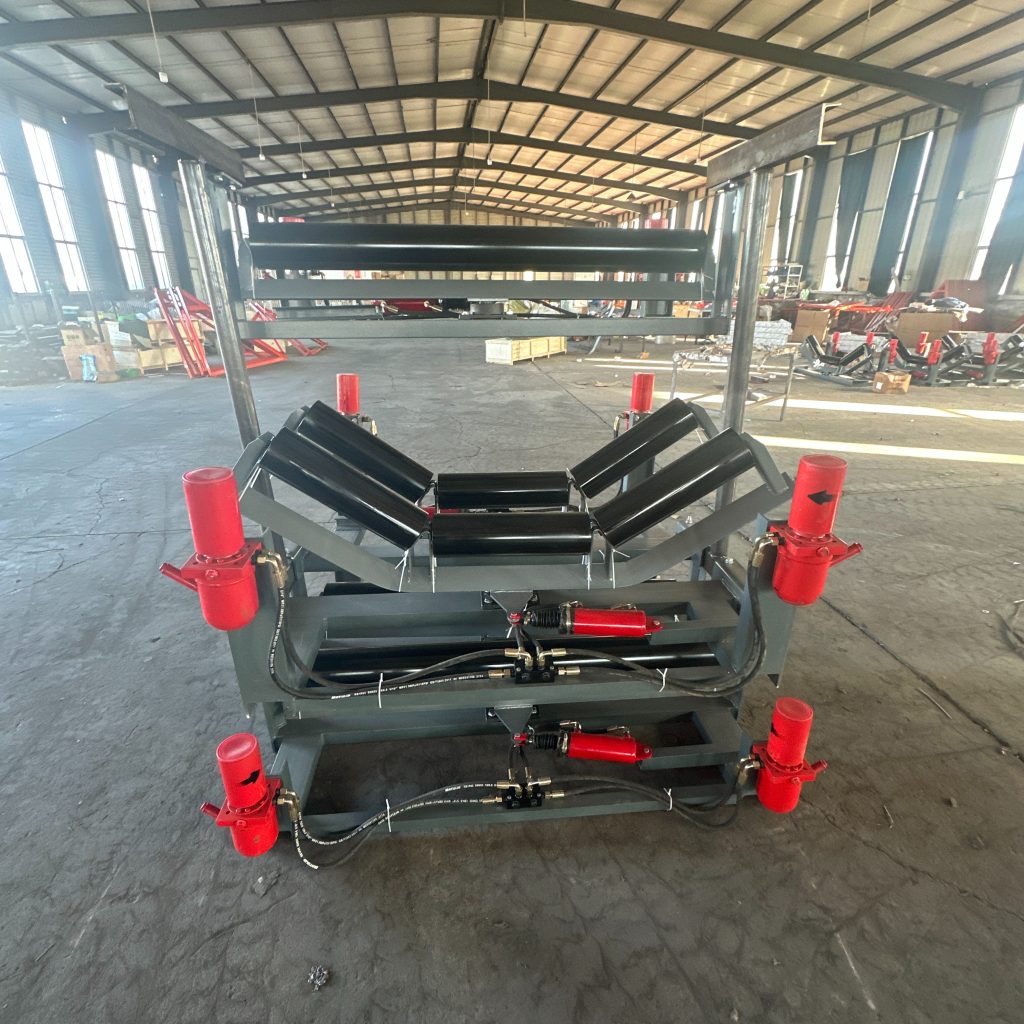
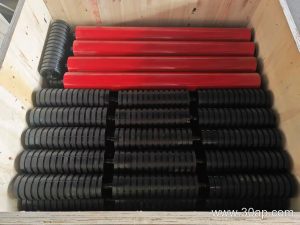
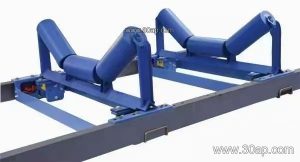
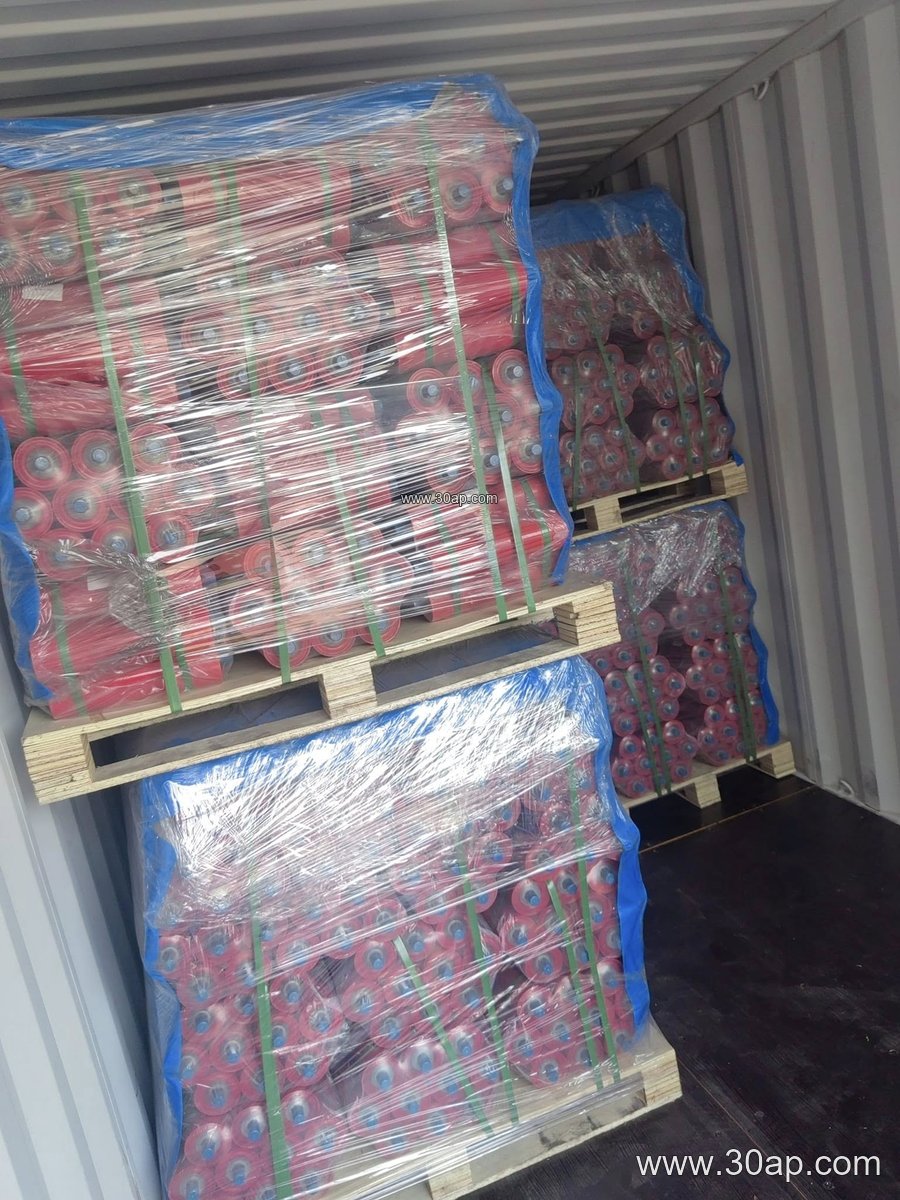
On the carrying side, three-roll troughing sets with 20, 30, 35, or 45 degree trough angles are typical. A single-roll or two-roll arrangement may appear on narrower belts or in tight spaces. Transition idlers help the belt move smoothly from the tail pulley into the trough. On the return side, flat return idlers and V-return idlers support the empty belt, while spiral idlers can help shed sticky material. Impact idlers with rubber rings are used under crusher discharge and transfer points where lumps fall onto the belt.
Self-aligning idlers, including friction and tapered types, are used where belt tracking is a concern. A slight forward tilt of about 1.5 to 2 degrees is sometimes applied to troughing idlers to assist training. These are design choices, not universal requirements.
Reference Dimensions for Troughing Sets
The table below shows common examples only. Roll length varies with belt width, trough angle, and roll configuration, and side rolls may differ from the center roll.
| Belt width | Typical roll length (three-roll troughing) |
|---|---|
| B500 | about 200 mm |
| B650 | about 250 mm |
| B800 | about 315 mm |
| B1000 | about 380 mm |
| B1200 | about 465 mm |
| B1400 | about 530 mm |
| B1600 | about 600 mm |
| B1800 | about 670 mm |
| B2000 | about 750 mm |
These figures are reference points, not a supply promise. A given belt width can be paired with different pulley diameters and idler sizes depending on the conveyor design.
Matching the Idler to the Belt and the Duty
The belt itself influences idler choice. A heavy-duty mining conveyor belt or a steel cord conveyor belt carrying clinker at high tension may need larger roller diameters and robust brackets. An abrasion resistant conveyor belt on limestone duty benefits from smooth-turning idlers that reduce slip and wear. Where heat is present, as near clinker coolers, heat resistant conveyor belt grades and heat-tolerant idler seals should be considered together. In coal handling areas, flame retardant conveyor belt and anti-static properties are often specified alongside the idler selection.
Fabric core belts such as EP conveyor belt and NN conveyor belt are common in cement plant conveyors, and multi-ply fabric core conveyor belt constructions appear on longer runs. The idler spacing and load rating should be checked against the belt tension and material weight rather than copied from another line.
Buyer Checklist
- Confirm the belt width and the trough angle before ordering rolls.
- State the roller diameter and the bearing size required by the application.
- Choose the shell surface: steel, nylon, ceramic, or rubber ring.
- Specify the seal type for dusty cement or clinker service.
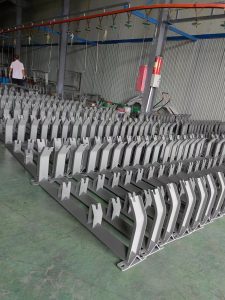
- Check that brackets and frames match the existing conveyor bracket spacing.
- Ask for the idler load rating and the maximum recommended spacing.
Spare parts planning should include a small stock of return idlers and impact rolls, since these often wear first. On a cement plant conveyor, a seized idler can damage the belt cover quickly, so routine inspection of rotation and seal condition is worth more than a large inventory of unused parts. For more on related components such as conveyor belt, idler roller, and conveyor pulley options, visit our site at www.example.com/cement-conveyor-idler or www.example.com/conveyor-idler.