What Is a Belt Conveyor Drive Pulley
A belt conveyor drive pulley, often called the head pulley, is the powered drum that transmits motion to the conveyor belt. It is the component that pulls the belt and, with it, the material load. Unlike a tail pulley, which redirects the belt at the return end, the drive pulley is connected to a motor through a gearbox or shaft-mounted drive and is responsible for the entire conveyor’s throughput. In a quarry or a coal mining operation, this pulley is the heart of the material handling line.
Construction and Key Components
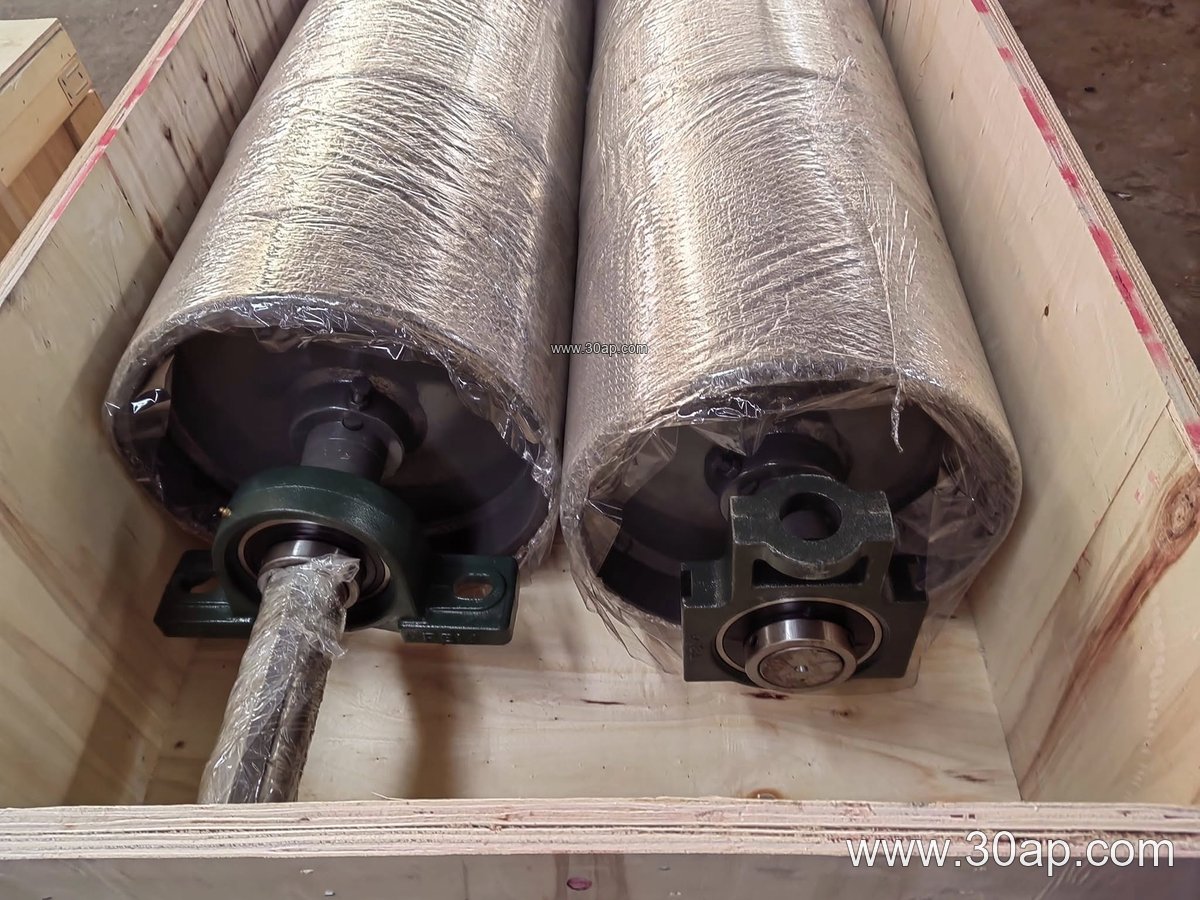
The drive pulley typically consists of a cylindrical shell, two end discs, a shaft, and bearing housings. The shell can be smooth or lagged with rubber, ceramic, or other materials to increase friction between the pulley and the conveyor belt. The shaft is sized according to torque and load, not simply belt width. Common shaft diameters include Ø50, Ø60, Ø70, Ø80, Ø90, Ø100, Ø120, Ø140, Ø160, Ø180, and Ø200 mm. Bearings are mounted in sturdy housings that bolt to the conveyor frame.
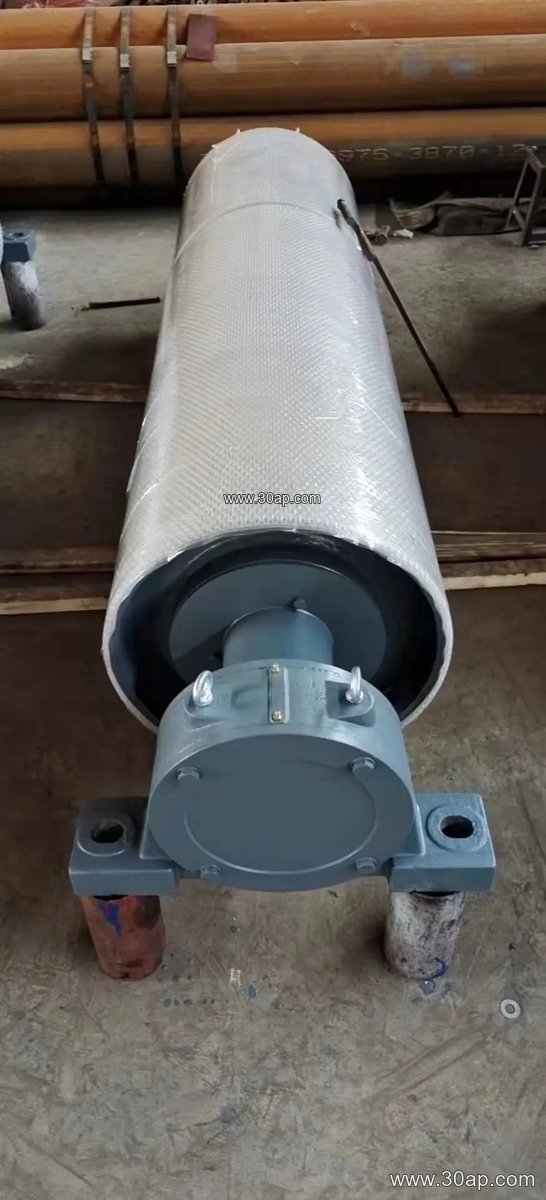
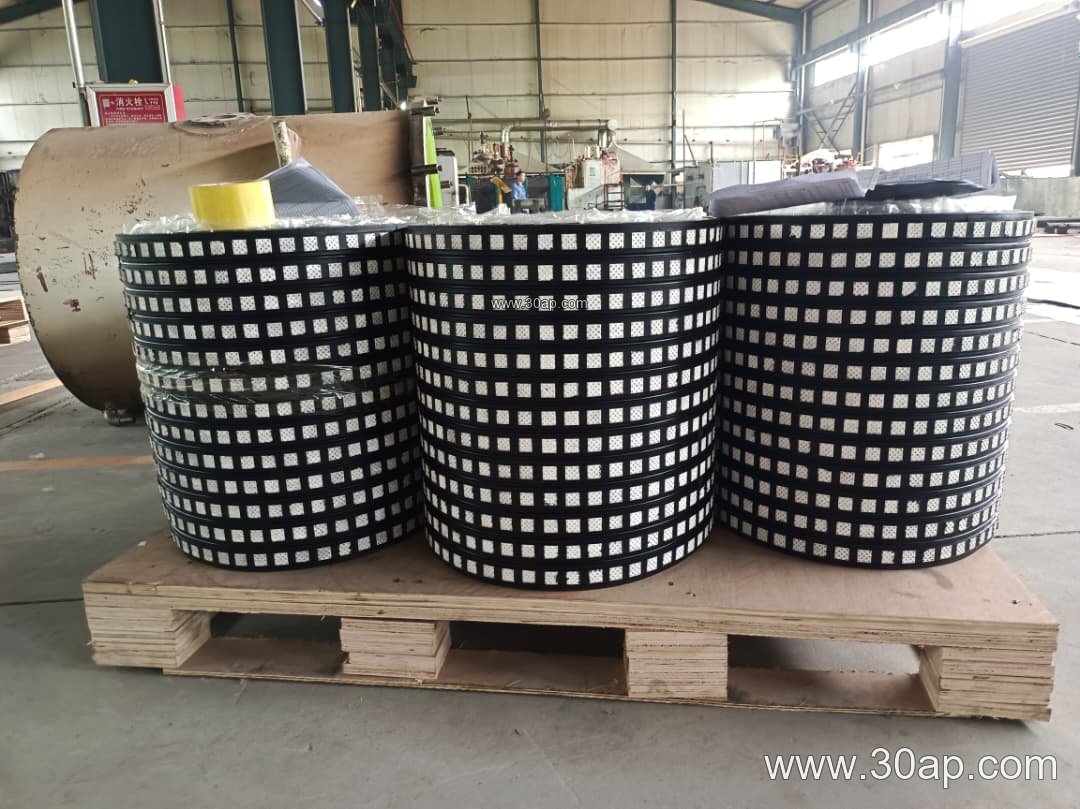
Lagging is a critical feature. Plain lagging is suitable for dry, clean conditions. Diamond or chevron grooved lagging improves grip and helps shed water and debris. Ceramic lagging offers high wear resistance for abrasive environments such as iron ore or copper ore handling. Lagging thickness commonly ranges from 8 mm to 20 mm, depending on the application.
Where It Is Used
Drive pulleys are found in virtually every belt conveyor system. In a cement plant, they move clinker and raw materials. In a power plant, they handle coal on the way to the boiler. In a sand and gravel pit, they drive belts that carry aggregate from the crusher to the screening plant. The drive pulley is equally at home in a fertilizer plant, a grain silo, or a tunnel boring operation where muck must be removed. Each industry places different demands on the pulley, and the selection of lagging, shell thickness, and shaft size reflects those demands.
Sizing and Selection Considerations
Selecting a drive pulley involves more than matching it to the belt width. The pulley diameter must be large enough to avoid excessive bending stress in the conveyor belt and to provide adequate wrap angle for power transmission. Common diameters include Ø200, Ø250, Ø315, Ø400, Ø500, Ø630, Ø800, Ø1000, Ø1250, Ø1400, Ø1600, and Ø1800 mm. Belt widths from B400 to B2400 are standard, and the pulley face width is usually slightly wider than the belt. For example, a B800 belt might use a pulley face of about 950 mm, while a B1200 belt would call for roughly 1400 mm. The table below shows typical combinations, but these are not fixed rules.
| Belt Width (mm) | Typical Pulley Face Width (mm) | Example Diameter (mm) |
|---|---|---|
| B500 | 600 | Ø315 |
| B650 | 750 | Ø400 |
| B800 | 950 | Ø500 |
| B1000 | 1150 | Ø630 |
| B1200 | 1400 | Ø800 |
| B1400 | 1600 | Ø1000 |
| B1600 | 1800 | Ø1250 |
| B1800 | 2000 | Ø1400 |
Remember that a larger diameter reduces belt stress and can extend belt life, but it also increases the pulley’s cost and the space required. The drive pulley must also be compatible with the conveyor belt type. A heavy-duty mining conveyor belt, such as a steel cord conveyor belt or a high abrasion resistant conveyor belt, may require a larger pulley diameter and thicker lagging than a lightweight fabric core belt used in a food grade application.
Installation and Maintenance Tips
Proper alignment is essential. The drive pulley should be square to the conveyor centerline to prevent belt mistracking. Regular inspection of lagging wear, bearing condition, and shaft keyways helps avoid unplanned downtime. In a dusty environment like a coal mining conveyor system, keeping the pulley area clean and checking for material buildup is important. Lubrication schedules for bearings should follow the manufacturer’s recommendations. When replacing lagging, choose a material suited to the conveyed material—for instance, oil resistant lagging for oily loads or heat resistant lagging in a cement kiln area.
Buyer Checklist
- Confirm the belt width and the required pulley face width.
- Determine the pulley diameter based on belt construction, speed, and torque.
- Select lagging type and thickness for the environment (abrasion, oil, heat, fire risk).
- Verify shaft diameter and bearing size according to load calculations.
- Check compatibility with the conveyor belt, idler roller, and conveyor bracket layout.
For more information on related components such as conveyor pulleys, idler rollers, and conveyor brackets, or to discuss your specific application, please visit our website at www.example.com/conveyor-pulley. Our team can help you specify the right drive pulley for your mining, cement, or port conveyor system.