What a Conveyor Bracket Assembly Does on the Line
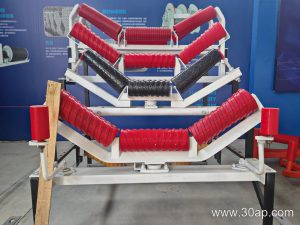
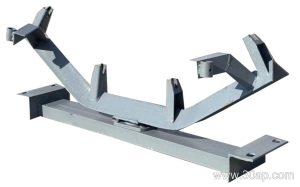
A conveyor bracket assembly is the steel structure that holds the idlers in place and sets the belt’s trough shape. In a quarry, a cement plant, or a power plant coal yard, the bracket is the quiet part of the conveyor that decides how well the belt tracks, how much material spills, and how long the idlers last. It is not a single part but a small fabricated system: a crossbeam, mounting plates, angle or channel steel legs, and bolt holes positioned for a specific belt width and trough angle. When buyers ask for a conveyor bracket, they usually need the whole assembly, not just a bent piece of steel.
Typical arrangements include trough brackets on the carrying side, return brackets underneath, and transition or impact brackets near loading points. For abrasive bulk material such as iron ore or limestone, a heavy-duty fabrication using folded plate or channel steel is common. The assembly must match the conveyor pulley layout, since a drive pulley, tail pulley, and bend pulley all sit at different points and place different demands on the frame around them.
How the Assembly Is Built
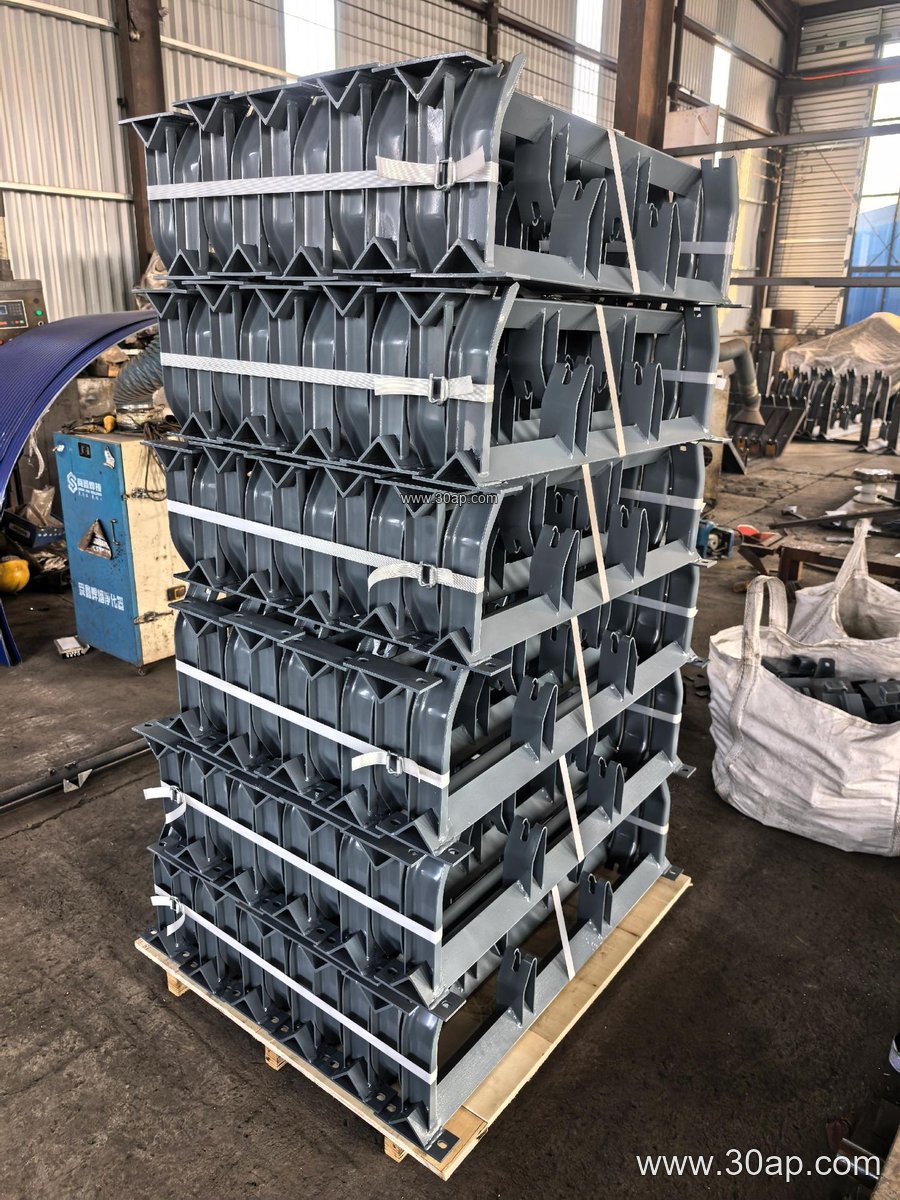
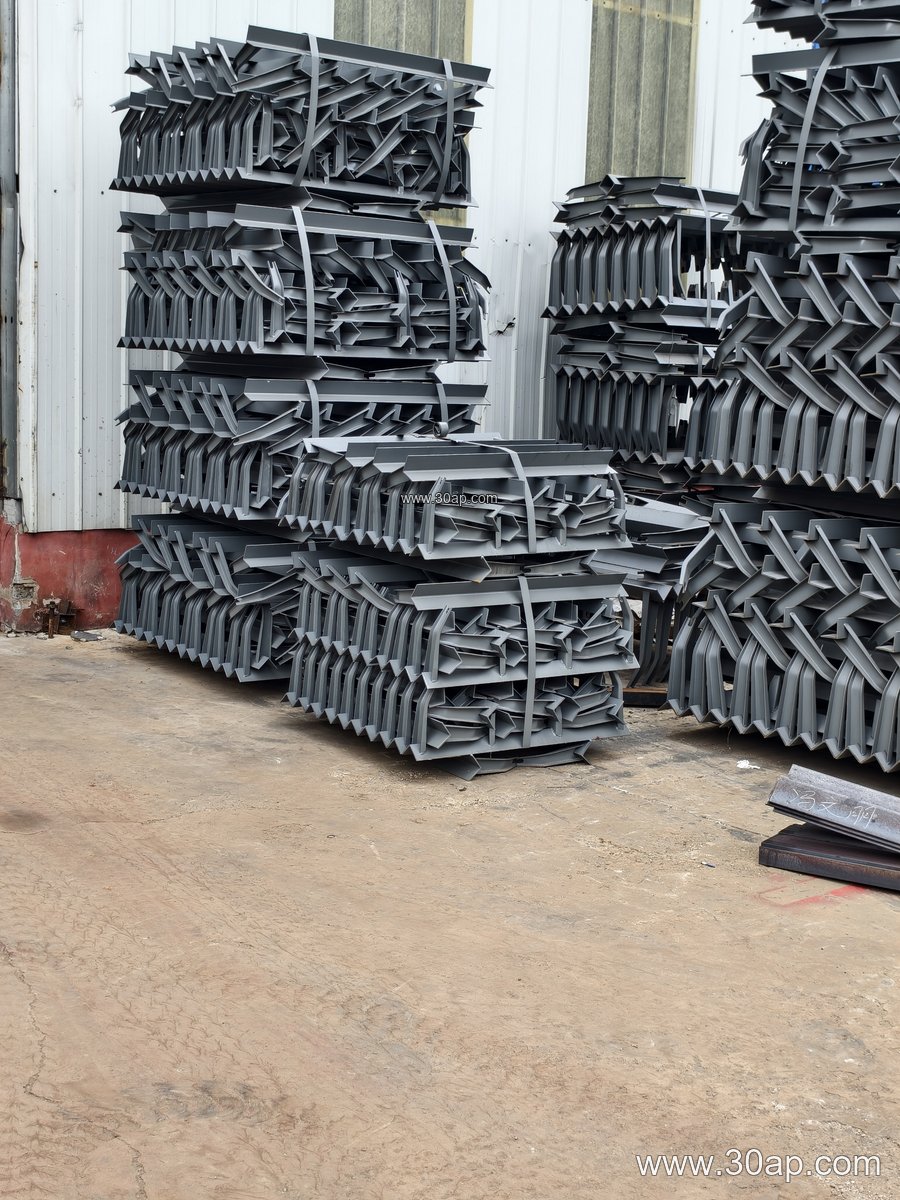
Most units are made from angle steel, channel steel, or folded steel plate, cut, drilled, and welded into a frame. The crossbeam carries the idler roller seats, and the end plates bolt to the conveyor stringer. Trough angles are set by the position of the side idler mounts, so a 20 degree frame and a 45 degree frame are different fabrications, even if they share a belt width.
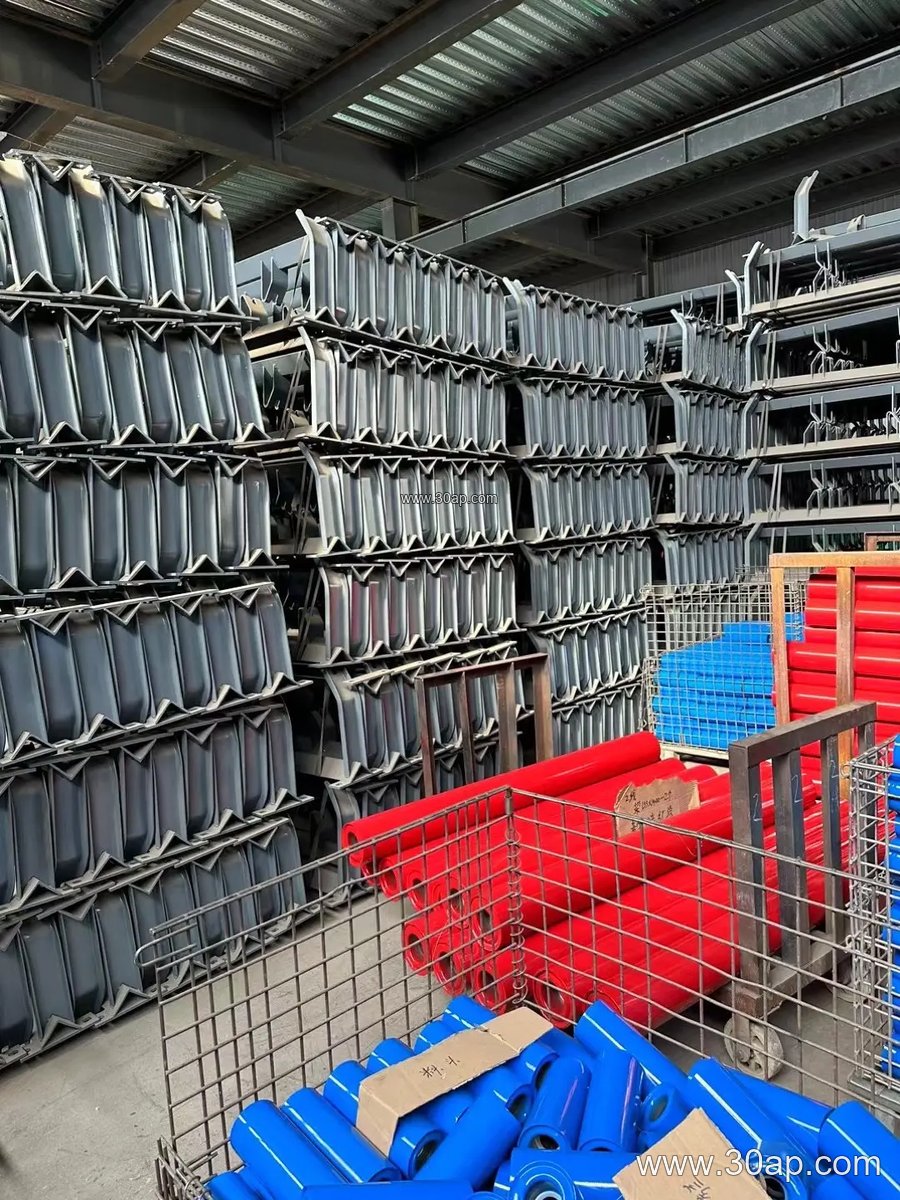
Key reference values used in design discussions:
| Parameter | Common Options |
|---|---|
| Belt width | B500, B650, B800, B1000, B1200, B1400, B1600, B1800 |
| Trough angle | 20, 30, 35, 45 degrees |
| Idler diameter | Ø89, Ø108, Ø133, Ø159, Ø194 |
| Material | Angle steel, channel steel, folded plate |
| Adjustability | Fixed or adjustable trough angle |
These are reference figures, not fixed pairings. A B800 frame may be built for 30 or 35 degrees, and the idler diameter is chosen with belt speed and load in mind, not with belt width alone. Hole spacing and beam length change with width and angle, so they are confirmed per design.
Trough Angle and Tracking Choices
The trough angle affects how much material the belt can carry and how stable the load sits. A 30 degree frame is a common middle choice for aggregate and cement lines, while 35 or 45 degrees suits higher capacity or more fluid bulk material. Adjustable brackets let maintenance teams fine-tune the angle on site instead of replacing the frame. Forward-leaning mounts, often around 1.5 to 2 degrees, help the belt self-center, while self-aligning brackets are used where mistracking is a recurring issue.
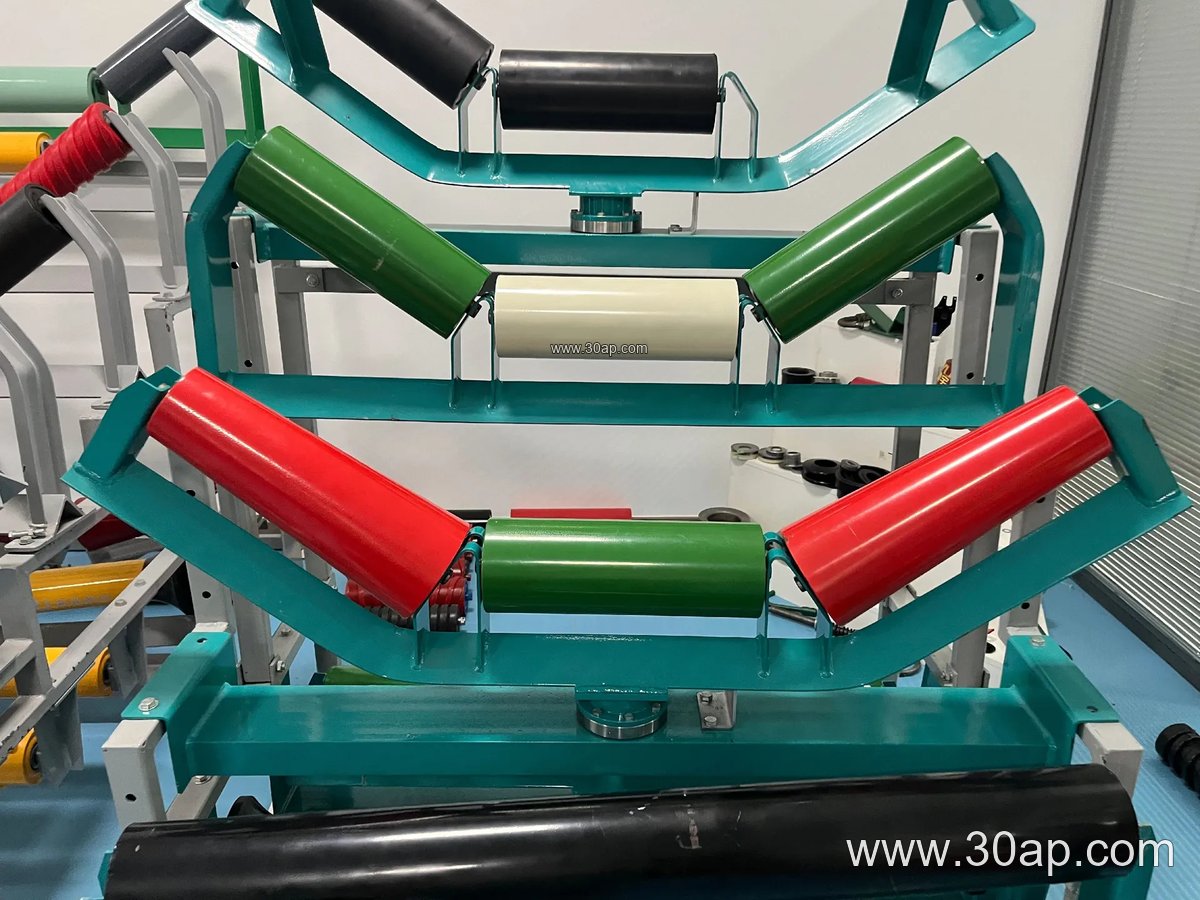
On the return side, a V-return bracket or flat return bracket keeps the belt supported without trapping fines. Impact brackets with rubber cushioning are placed under loading chutes to protect both the frame and the belt. This is where a suitable abrasion resistant conveyor belt and a matching impact-resistant assembly work together to reduce downtime.
Where These Assemblies Are Used
You will find conveyor bracket assemblies in stone crushing and screening plants, in cement clinker lines, and in power plant coal handling. In a sand and gravel operation, trough brackets support a 650mm or 800mm belt moving wet aggregate; in a steel plant sinter line, heavier frames carry a wider belt at high load. Port ship loaders and tunnel spoil conveyors also rely on them, often with flame retardant conveyor belt or cold resistant conveyor belt grades depending on the environment.
Whatever the site, the bracket must sit square to the stringer and at the correct height so the belt runs on the idler roller without edge loading. A small misalignment at the frame is a common cause of belt wander, edge wear, and premature idler failure.
Buyer Checklist Before Ordering
- Confirm belt width, trough angle, and idler diameter as a set, not as separate guesses.
- State whether the frame is fixed or adjustable, and whether forward-leaning mounts are needed.
- Identify the mounting hole pattern and beam length from the existing conveyor drawing.
- Check material thickness and finish for dusty, wet, or corrosive conditions.
- Match the assembly to the surrounding conveyor pulley positions and loading points.
For buyers sourcing through a bulk handling supplier, it helps to describe the duty in plain terms: tonnage, material type, belt speed, and the existing belt specification such as an EP conveyor belt or steel cord conveyor belt. That information lets the fabricator propose a frame that fits the line rather than a generic bracket. A well-matched assembly is a low-cost item that protects far more expensive components downstream.