What a High Strength Conveyor Belt Is
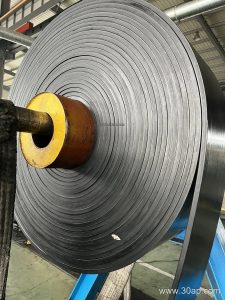
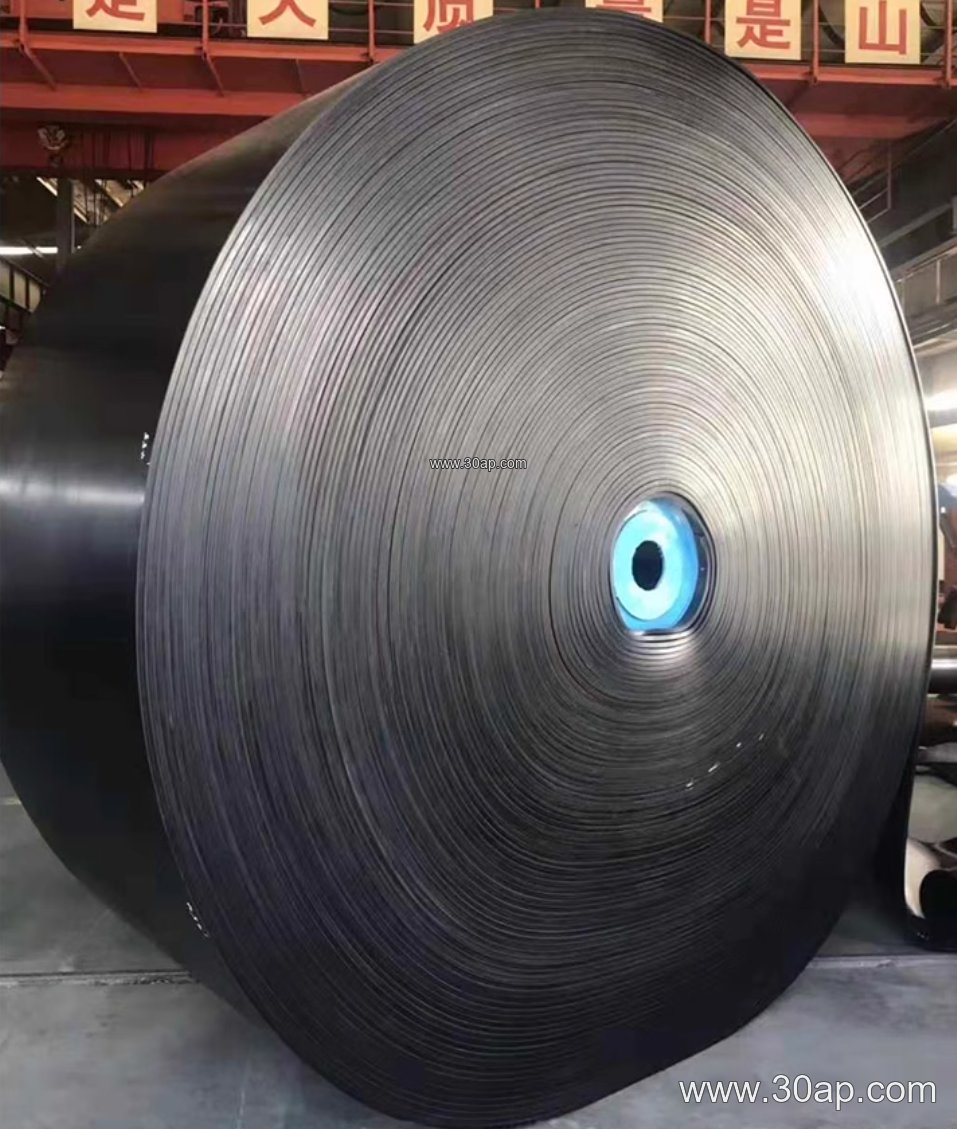
A high strength conveyor belt is a heavy-duty belt engineered to carry large volumes of abrasive or heavy bulk material over long distances without stretching excessively or failing under load. In practice, this usually means a belt built on a strong fabric core or a steel cord core, with a robust rubber cover. When buyers ask for a high strength conveyor belt, they are often looking for an EP conveyor belt with a high tensile grade or a steel cord conveyor belt for the toughest duty. The term describes a performance class rather than a single construction, so the exact build depends on the application.
Construction and Core Options
The strength of the belt comes mainly from its carcass. Two common families are fabric core and steel cord. Within fabric core, EP (polyester-nylon) and NN (nylon-nylon) are widely used. EP conveyor belts offer low elongation and good impact resistance, while NN belts are known for flexibility and fatigue resistance. Steel cord conveyor belts use brass-plated steel cords for very high tensile strength and are common in long overland and underground mining conveyors.
Cover compounds are selected for the environment. Abrasion resistant conveyor belt covers protect against wear from rock, ore, and aggregate. Heat resistant conveyor belt covers are used in cement and steel plants where material is hot. Flame retardant conveyor belt and fire resistant conveyor belt constructions are specified for coal mining and other underground applications. Oil resistant, acid resistant, and cold resistant covers are available for chemical, fertilizer, and cold-climate operations. A high strength conveyor belt may combine several of these properties.
Typical Specifications
High strength belts are usually described by carcass type, tensile strength, belt width, cover thickness, and number of plies. The table below shows common reference values; actual supply depends on the manufacturer and the conveyor design.
| Parameter | Common Range or Example |
|---|---|
| Carcass type | EP, NN, steel cord |
| Tensile strength (fabric) | EP200, EP315, EP400, EP500, EP630, EP800, EP1000, EP1250, EP1600, EP2000 |
| Tensile strength (steel cord) | ST1000, ST1250, ST1600, ST2000, ST2500, ST3150 |
| Belt width | B500, B650, B800, B1000, B1200, B1400, B1600, B1800, B2000 |
| Cover thickness | 3+1.5 mm, 4+2 mm, 5+2 mm, 6+2 mm, 8+3 mm |
| Number of plies | 2 to 6 (fabric core) |
For example, an EP1000 1200mm conveyor belt is a common choice for a primary crushing conveyor in a quarry, while an EP1250 1800mm conveyor belt may be used for high-capacity bulk material handling at a port. Steel cord belts such as ST1600 or ST2000 are often found in long-distance ore conveying. These are examples, not fixed rules; belt width and pulley diameter are matched through conveyor design, not by a single formula.
Where High Strength Belts Are Used
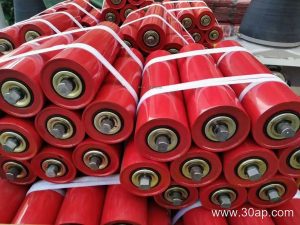
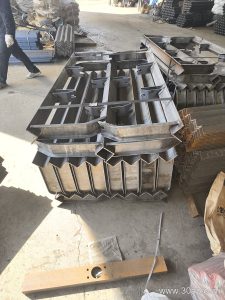
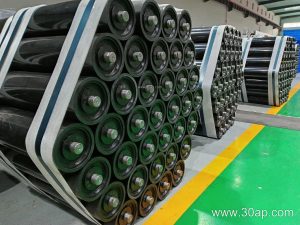
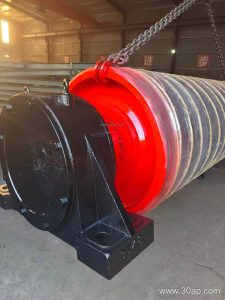
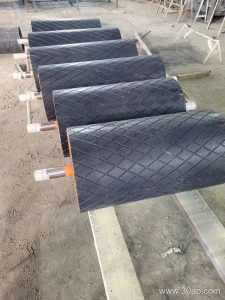
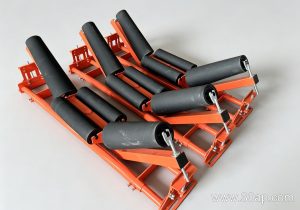
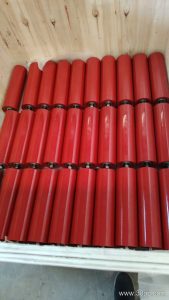
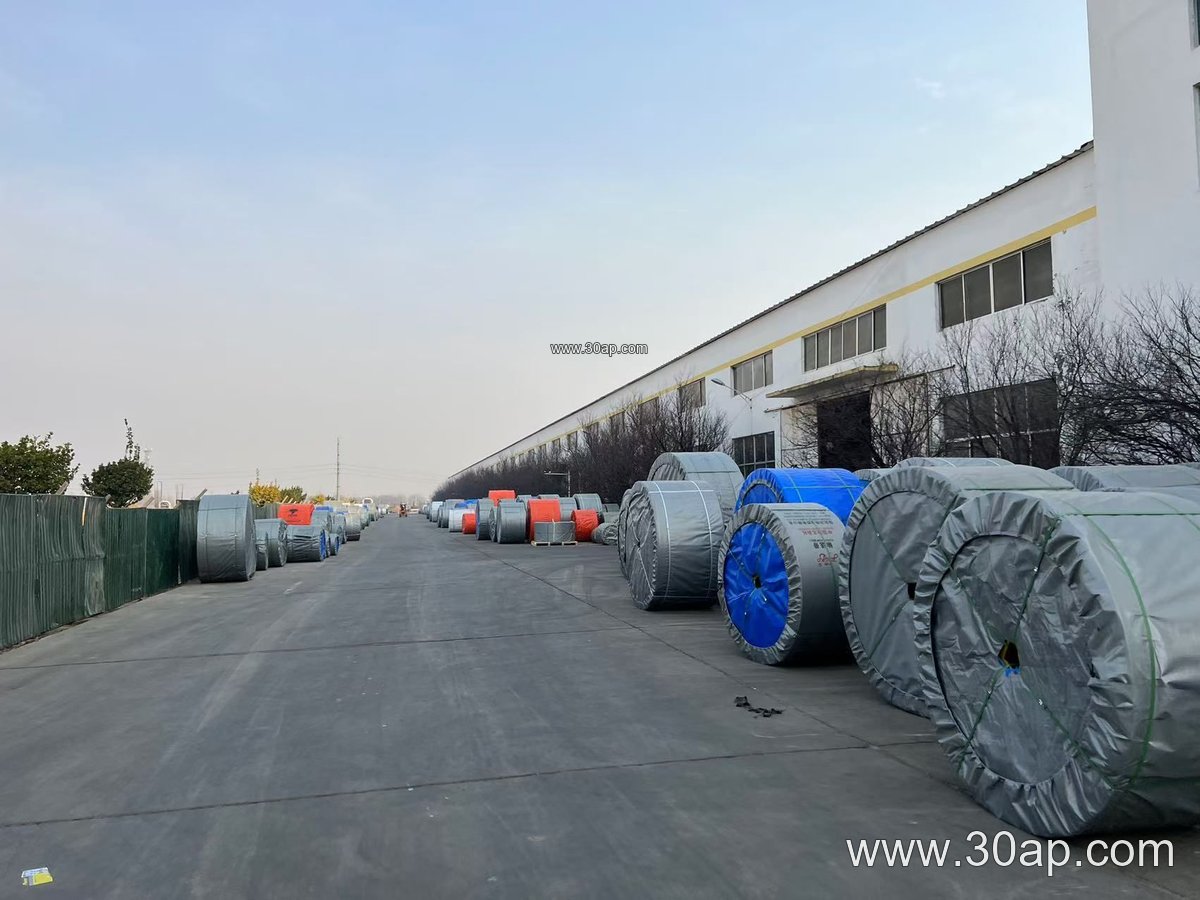
These belts appear in mines, coal preparation plants, cement works, power stations, steel plants, quarries, sand and gravel operations, and port loading systems. In a typical conveyor, the belt runs over idler rollers, around the drive pulley and tail pulley, and is supported by conveyor brackets and frames. The belt must resist impact at transfer points, abrasion along the carrying run, and flexing around pulleys. A high strength conveyor belt is often specified where a standard belt would stretch too much or wear out too quickly.
Related equipment matters too. The drive pulley, tail pulley, and bend pulleys are not interchangeable; each has a different role. Idler roller spacing and conveyor bracket design affect belt life. A well-matched system reduces edge damage and improves tracking.
Buyer Checklist
- Define the material: lump size, density, temperature, oil or chemical exposure, and moisture.
- Confirm the required tensile strength and safety factor with the conveyor designer.
- Select cover grade for abrasion, heat, flame, oil, or cold as needed.
- Check belt width against the existing conveyor structure and pulley face width.
- Consider impact resistance at loading points and edge protection for long runs.
- Ask for the manufacturer’s data sheet for the exact construction, since values vary.
For more information on high strength conveyor belts and related components, visit conveyor belt and EP conveyor belt pages, or explore steel cord conveyor belt options for heavy-duty mining and port applications.