What a Heavy-Load Belt Conveyor Idler Does on a Tough Line
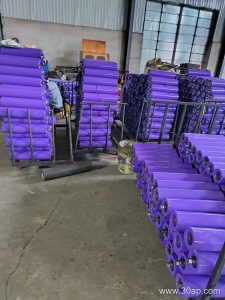
On a fully loaded primary conveyor, the drum and belt get most of the attention, but the carrying idler roller underneath is what keeps the whole run stable. A heavy-load belt conveyor idler is a reinforced troughing or return roller built to support a wide, thick conveyor belt and the material sitting on it without excessive deflection, heat build-up, or early bearing failure. In a copper mine, a cement plant, a power plant coal yard, or a quarry aggregate line, these rollers work continuously under high radial load, dust, and often moisture.
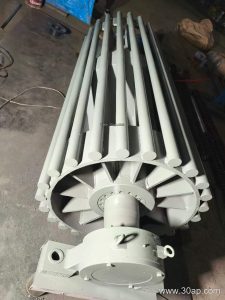
The keyword product is not a pulley. Drive pulleys, tail pulleys, and bend pulleys transmit or redirect belt tension, while the heavy-load idler simply supports the belt and its cargo. Keeping that distinction clear matters when you order spares, because an idler and a conveyor pulley are not interchangeable components.
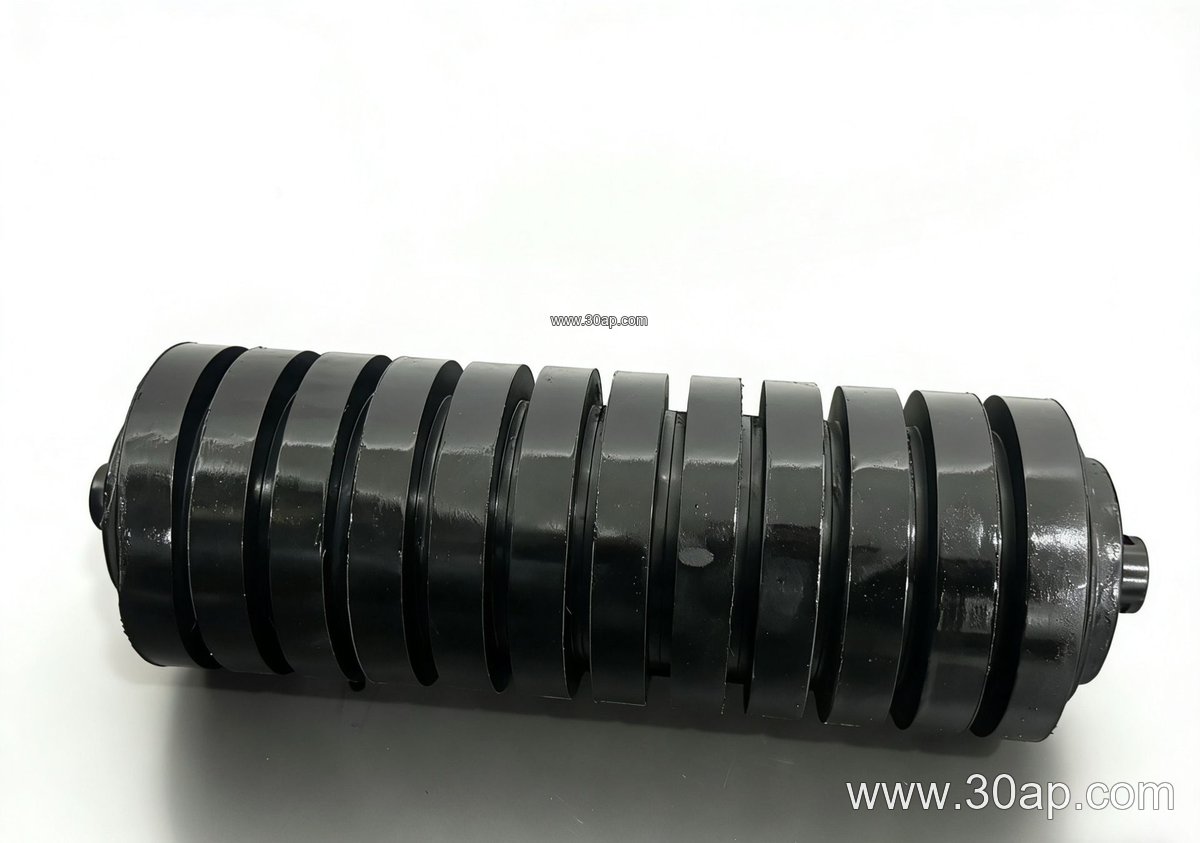
How the Roller Is Built
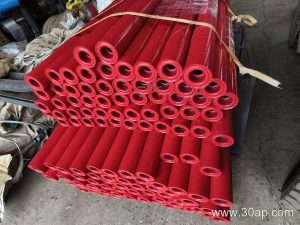
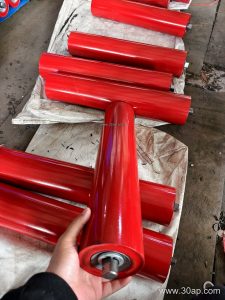
A typical heavy-duty design uses a thick steel tube shell, welded end caps, a through shaft, and deep-groove ball bearings housed in sealed, grease-retained end assemblies. Common bearing sizes include 6205, 6305, 6306, 6308, and 6310, matched to the shaft and load rather than to belt width alone. Roller diameters commonly run from Ø89 and Ø108 up to Ø133, Ø159, Ø178, and Ø219 on the largest stations.
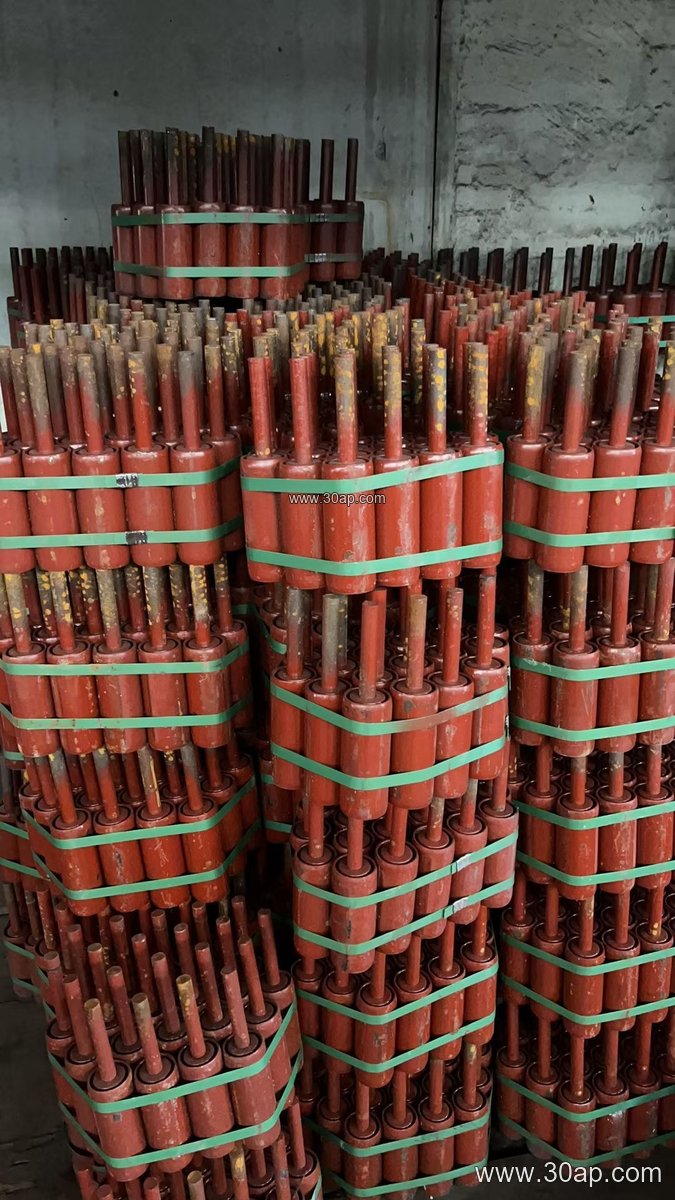
The shell surface can be plain steel, nylon, ceramic, or rubber-ringed. Rubber rings are useful at transfer points where impact is severe. Sealing is where cheap idlers fail first: a labyrinth seal plus good grease retention keeps fines out of the bearing cavity in dusty cement or coal handling service.
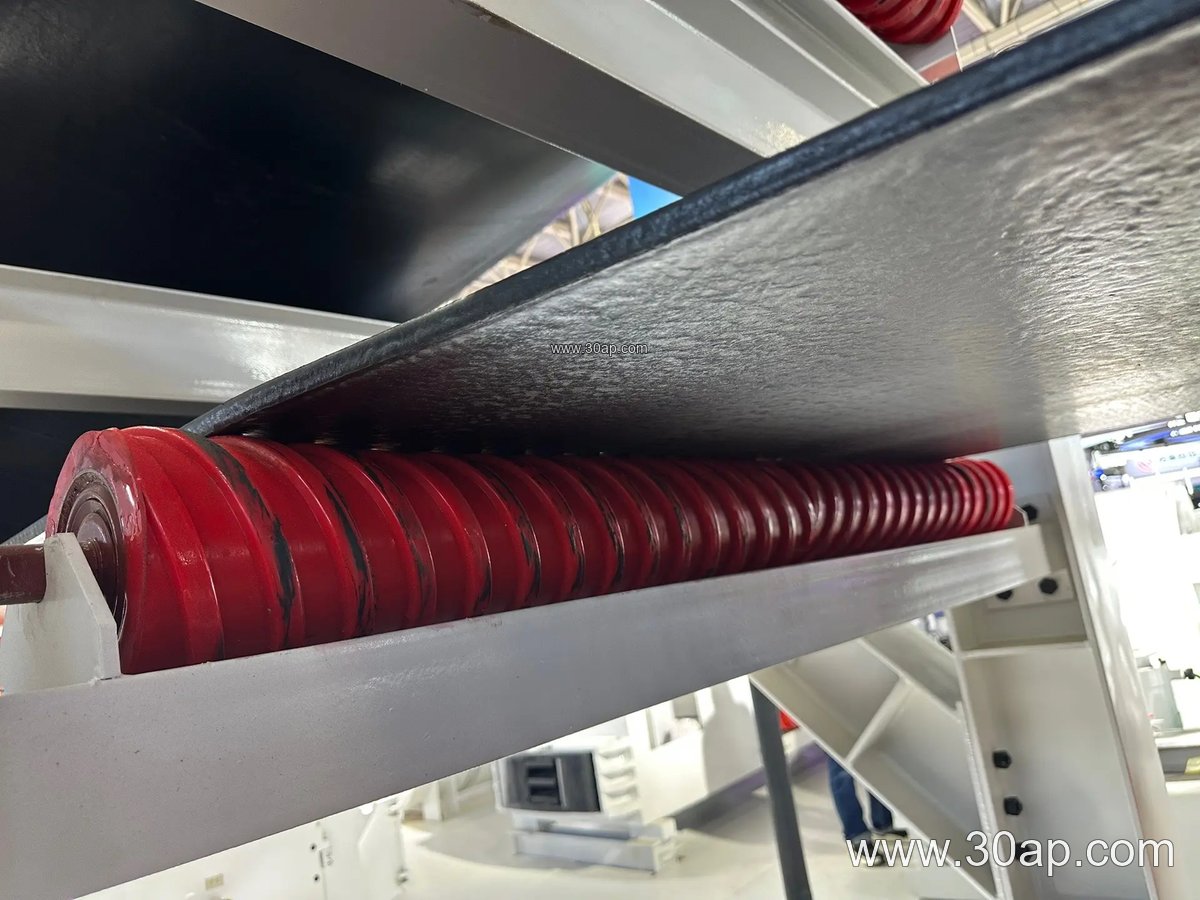
Where the Heavy-Load Idler Fits
In a three-roll troughing set, the center roll and two side rolls form a trough that holds bulk material on the belt. Trough angles of 20, 30, 35, or 45 degrees are common, and the roll length changes with belt width, trough angle, and frame form. The following values are typical references, not fixed pairings:
- B500 three-roll troughing: side roll about 200 mm
- B650: about 250 mm
- B800: about 315 mm
- B1000: about 380 mm
- B1200: about 465 mm
- B1400: about 530 mm
- B1600: about 600 mm
- B1800: about 670 mm
- B2000: about 750 mm
Side rolls and center rolls may differ, and self-aligning or impact stations use their own geometry. Return stations often use a flat or V-shaped roller set, and transition idlers ease the belt from flat to troughed profile near the drum.
Matching the Idler to the Belt and the Duty
Belt construction drives the load case. A heavy abrasion resistant conveyor belt carrying iron ore at high tonnage needs a stiff, well-sealed roller with adequate shaft diameter; a steel cord conveyor belt on a long overland run benefits from low rolling resistance and precise roll alignment. In coal mining, a flame retardant conveyor belt is paired with antistatic rollers and frames, and underground coal mining conveyor belt installations demand robust sealing against wet fines. At a port or ship loading terminal, a wide conveyor belt such as 1800 mm or 2200 mm may run over large-diameter rollers to limit belt stress.
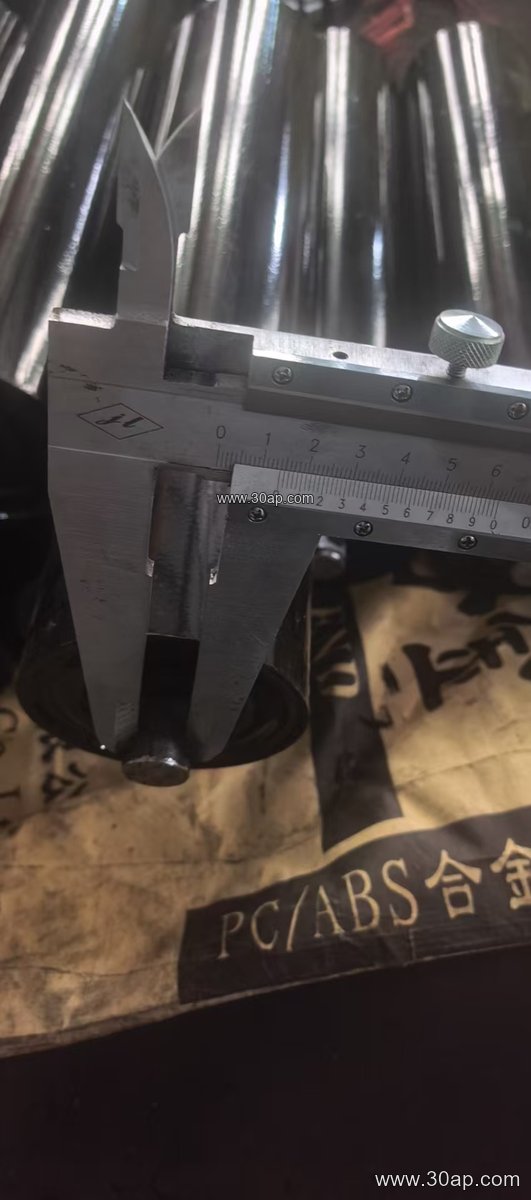
Other belt styles affect the surrounding layout rather than the idler itself: a chevron conveyor belt, corrugated sidewall conveyor belt, or pipe conveyor belt needs its own transition and support arrangement, so confirm clearance with the roller manufacturer before ordering.
What Buyers Should Check Before Ordering
- Belt width and trough angle, so roll length and frame match the existing conveyor bracket.
- Roller diameter and shaft size based on actual load, not on a rule of thumb from belt width.
- Bearing size, seal type, and lubrication method for the site dust and moisture level.
- Shell thickness and surface form for impact and abrasion at the transfer point.
- Whether the station is carrying, return, impact, or self-aligning, since these are different subtypes.
A practical spare-parts plan keeps a few complete stations rather than loose rollers, because a bent shaft or worn bracket usually shows up together. For bulk material conveyor belt systems in mining, quarrying, and power generation, the heavy-load belt conveyor idler is a small part of the capital cost but a large part of uptime. Buyers who specify by duty, sealing, and true dimensions get far fewer stoppages than those who order by nominal belt width alone.