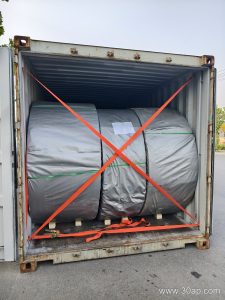
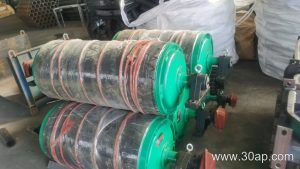
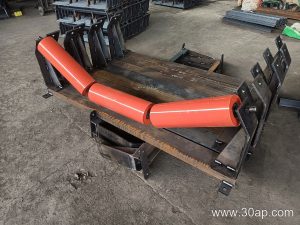
What the Feed-End Pulley Does
The feed-end pulley is the tail-side conveyor pulley where material first lands on the belt. In a typical troughed conveyor, it sits opposite the head drive and marks the start of the carrying run. Its job is simple but demanding: support the belt at the loading point, keep it tracking straight into the first idler stations, and absorb the impact of falling material. Because it turns with the belt rather than driving it, it belongs to the tail and tensioning family of conveyor pulleys, not to the drive group. On a long overland line or a short transfer in a sand and gravel plant, this position sets the tone for belt life downstream.
Construction and Surface Options
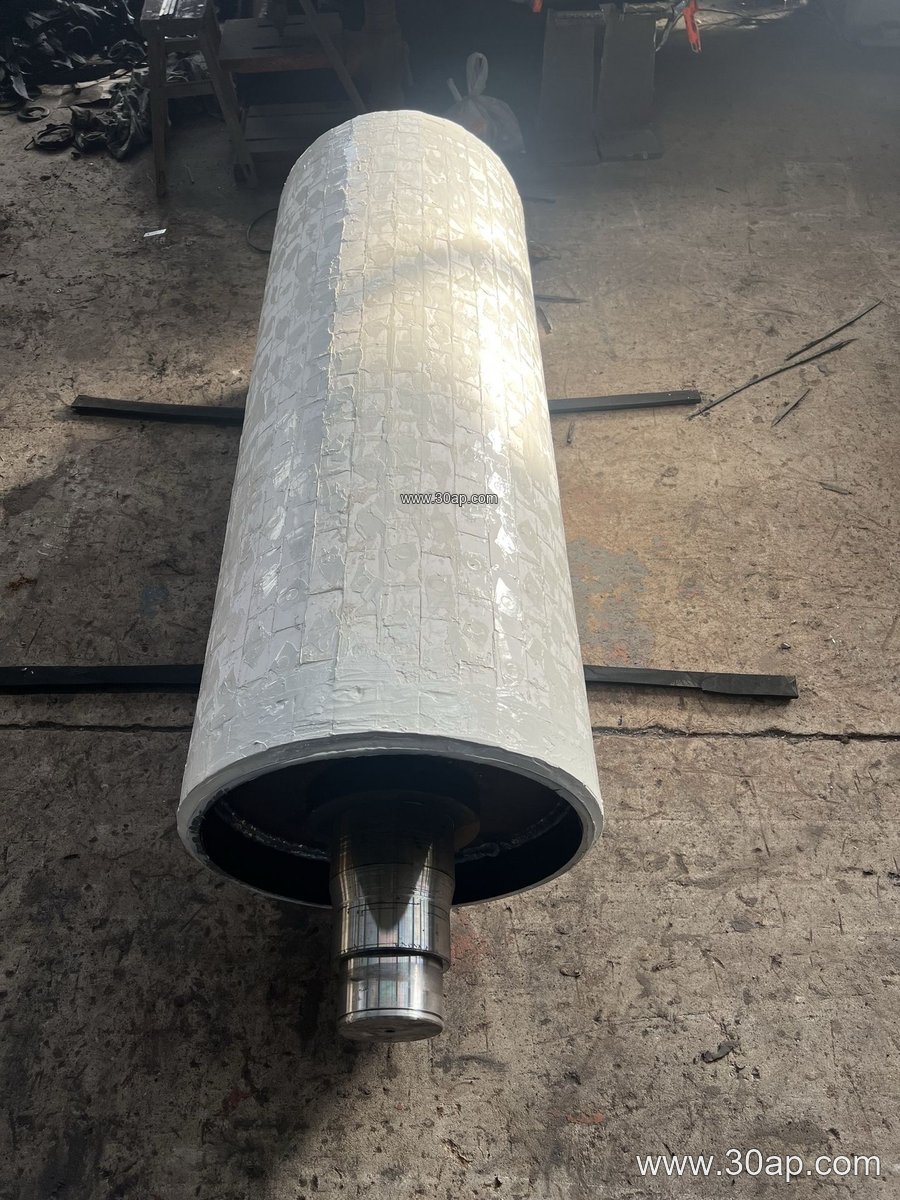
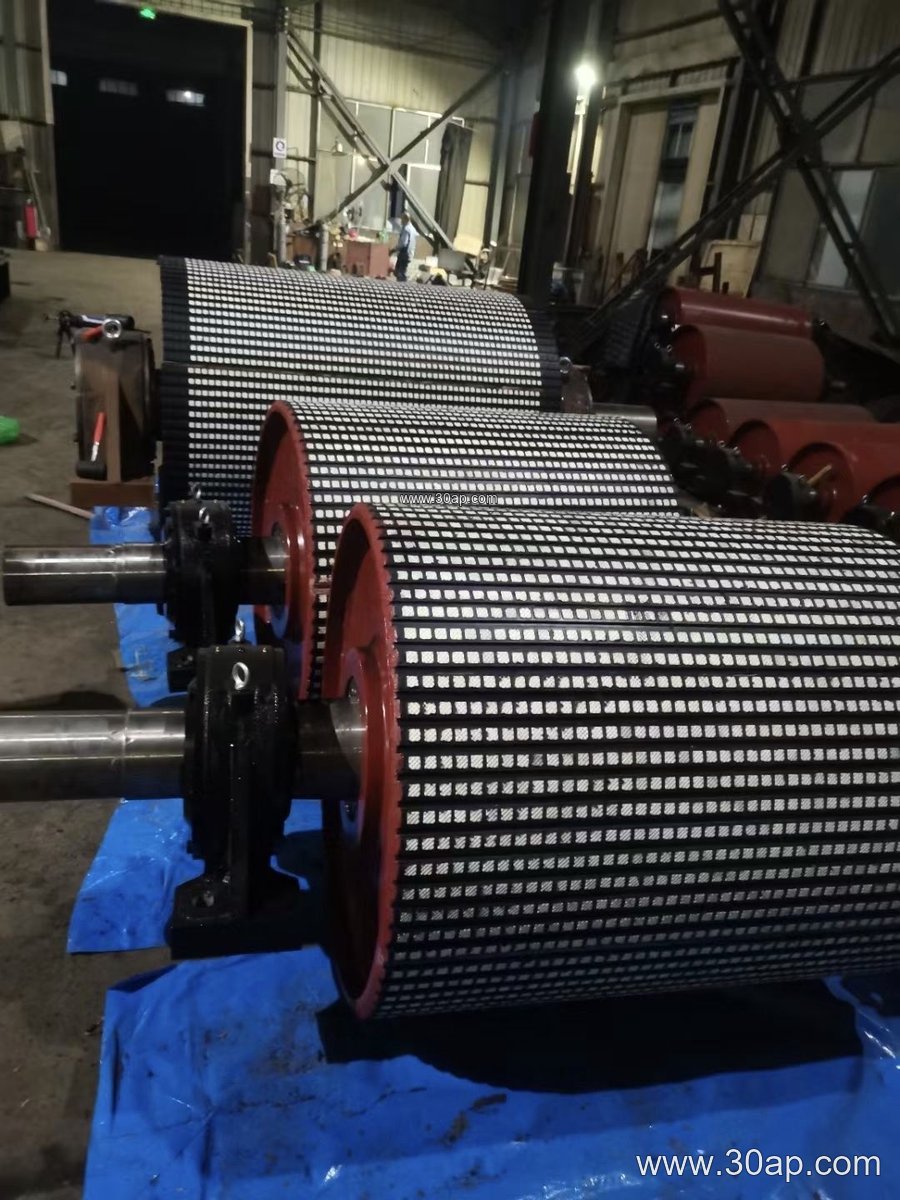
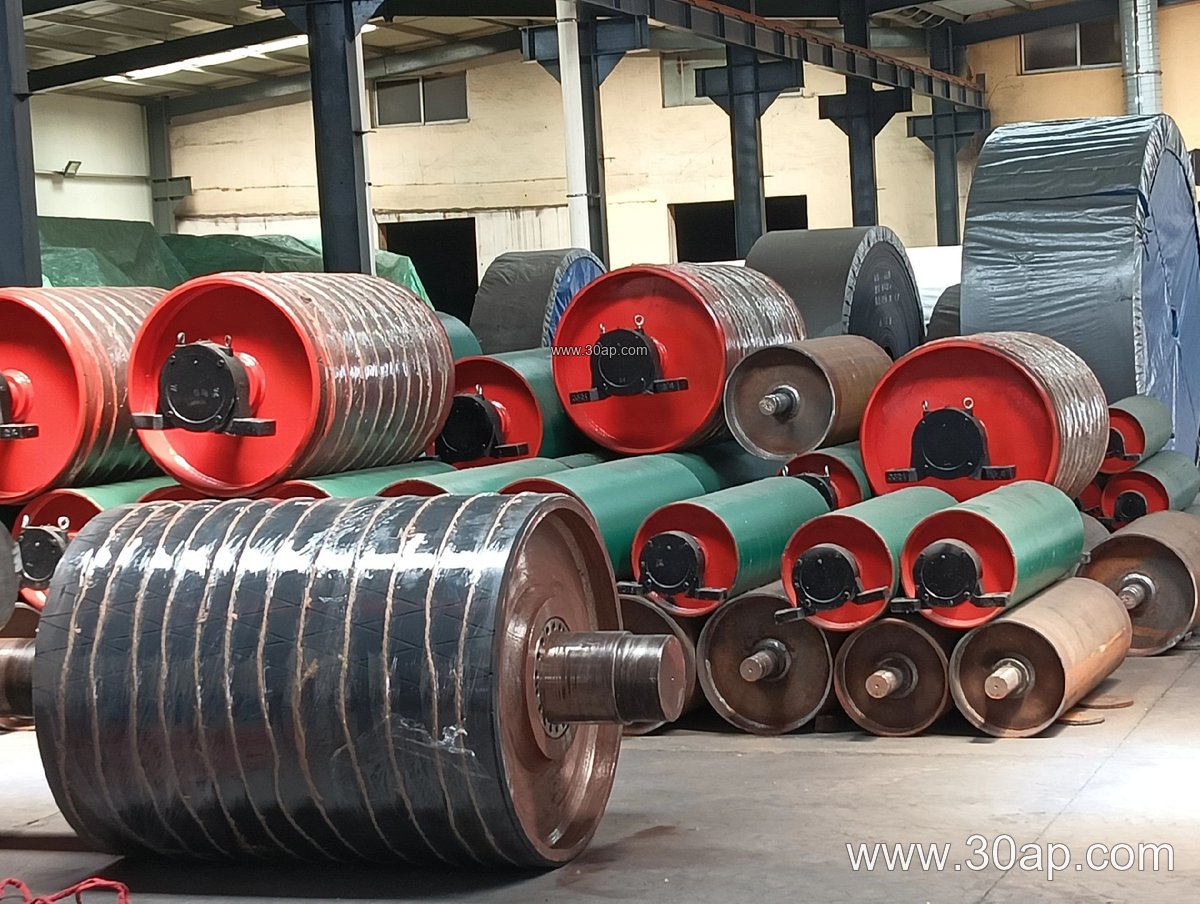
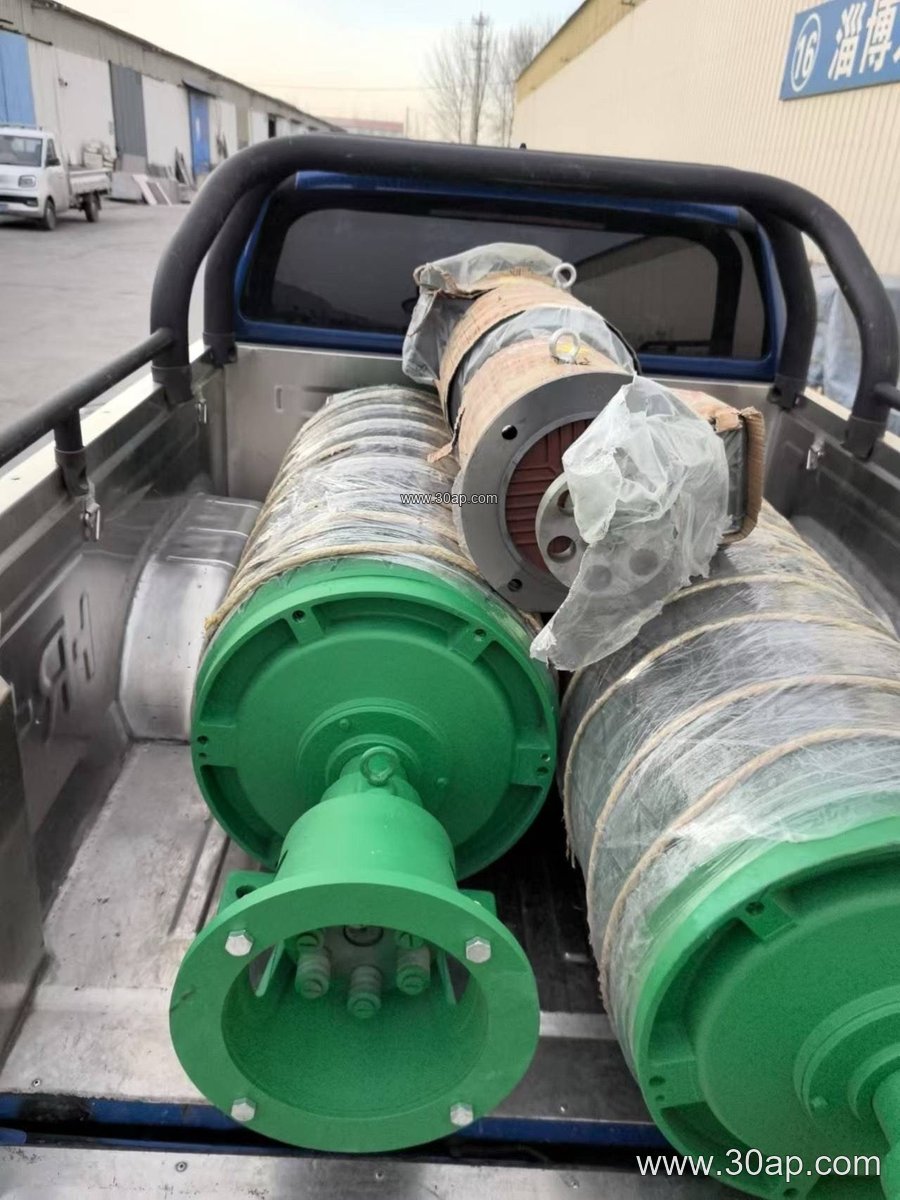
Most units are welded steel drums with a machined shell, reinforced end discs, and a through shaft carried in bearing housings. The shell is often crowned slightly to encourage centering, and the surface may be left plain or covered with rubber. Lagging choices include plain rubber sheet, diamond grooving, and ceramic tiles for severe slip or build-up conditions. Common lagging thicknesses are 8, 10, 12, 15, and 20 mm, selected according to belt tension and abrasion at the loading zone. Shaft diameters usually range from Ø50 up to Ø200, determined by torque and bearing load rather than by belt width alone. A tail pulley may also be supplied as a tension pulley in a take-up frame, or combined with a bend pulley to increase wrap angle on the drive.
Where It Fits in the Plant
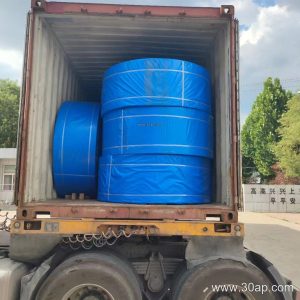
You will find this component at the start of conveyors in quarries, limestone mines, iron ore and copper ore operations, coal washing plants, cement clinker lines, power station coal yards, and port bulk terminals. In a crushing and screening circuit, the feed-end pulley often works close to the crusher discharge, where impact and dust are constant. In a concrete batching plant or a grain silo, a smaller B500 or B650 unit may be enough. The belt itself may be an abrasion resistant conveyor belt for stone, a flame retardant conveyor belt underground, or a heat resistant conveyor belt near clinker. Matching the pulley to the belt and the material is more important than matching a catalog number.
Common Sizes and Combinations
The table below shows typical reference values. These are common ranges, not fixed rules; final dimensions are confirmed by design.
| Belt width | Typical pulley face width | Common diameters |
|---|---|---|
| B400 | about 500 mm | Ø200, Ø250, Ø315 |
| B650 | about 750 mm | Ø315, Ø400, Ø500 |
| B800 | about 950 mm | Ø400, Ø500, Ø630 |
| B1000 | about 1150 mm | Ø500, Ø630, Ø800 |
| B1200 | about 1400 mm | Ø630, Ø800, Ø1000 |
| B1400 | about 1600 mm | Ø800, Ø1000, Ø1250 |
| B1600 | about 1800 mm | Ø1000, Ø1250, Ø1400 |
| B1800 | about 2000 mm | Ø1250, Ø1400, Ø1600 |
Combinations such as B800 × Ø500 or B1200 × Ø1000 appear frequently, but a wider belt does not lock you into one diameter. Shaft size, bearing selection, and take-up travel all influence the final build.
Buyer Checklist
- Confirm the belt width and the actual face width, allowing for wander.
- State the material: coal, clinker, ore, aggregate, or grain, and note any heat, oil, or fire risk.
- Decide between plain, rubber-lagged, diamond, or ceramic surfaces.
- Give the belt tension and the take-up type so the shaft and bearings can be sized.
- Check compatibility with the conveyor bracket and frame at the tail station.
- Ask how the pulley will be balanced and whether the lagging is bonded or vulcanized.
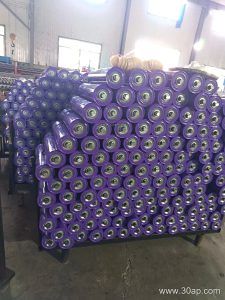
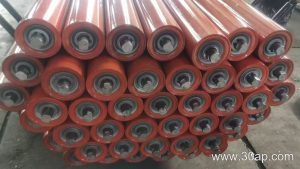
A well-chosen feed-end pulley protects the belt at its most vulnerable point. Pair it with a suitable conveyor belt, quality idler roller sets, and a rigid conveyor bracket, and the loading zone will run quietly for years.