Understanding the Belt Conveyor Idler Frame
The belt conveyor idler frame is the structural backbone that holds the idler rollers in position along a conveyor system. Without it, the conveyor belt would have no consistent path to follow, and the rollers would wander or fall out of alignment. This frame, often called a conveyor bracket or idler bracket, is typically made from angle steel, channel steel, or folded steel plate. It is designed to support the weight of the belt, the material being conveyed, and the idler rollers themselves, while maintaining the correct trough angle for efficient material handling.
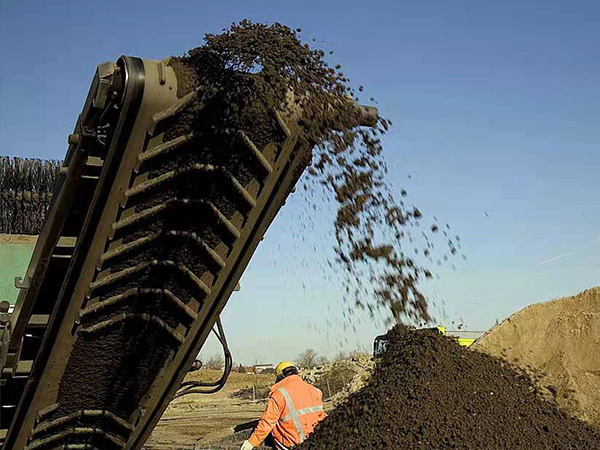
In many bulk material handling operations, the idler frame is the unsung hero. It keeps the conveyor belt tracking properly, reduces friction, and helps extend the life of both the belt and the rollers. Whether you are running a sand and gravel line or a coal handling system at a power plant, the frame plays a critical role in daily operation.
How a Belt Conveyor Idler Frame Is Built
Construction of a typical idler frame starts with selecting the right material. Common options include angle steel, channel steel, and pressed steel plate. The choice depends on the load, the belt width, and the working environment. For example, a heavy-duty mining application might call for thicker channel steel, while a lighter agricultural setup could use folded plate.
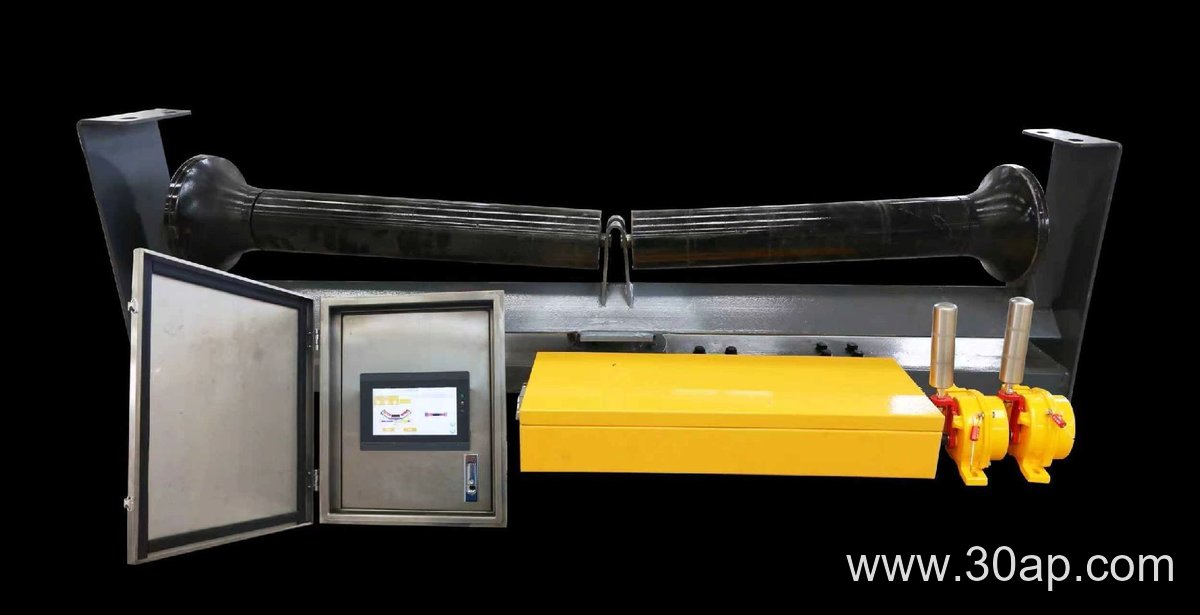
The frame is usually formed with mounting slots or holes that accept the idler roller shafts. These holes are positioned to create the desired trough angle—commonly 20, 30, 35, or 45 degrees. The frame also includes legs or brackets that bolt to the conveyor stringers. Some designs are fixed, while others are adjustable, allowing the operator to change the trough angle or belt alignment as needed.
Welding and bolting are both used. A well-built frame will have precise hole spacing so that the rollers sit evenly and the belt runs smoothly. The overall shape can be a simple flat return frame or a complex three-roller trough frame. Each type serves a specific purpose in the conveyor line.
Where Belt Conveyor Idler Frames Are Used
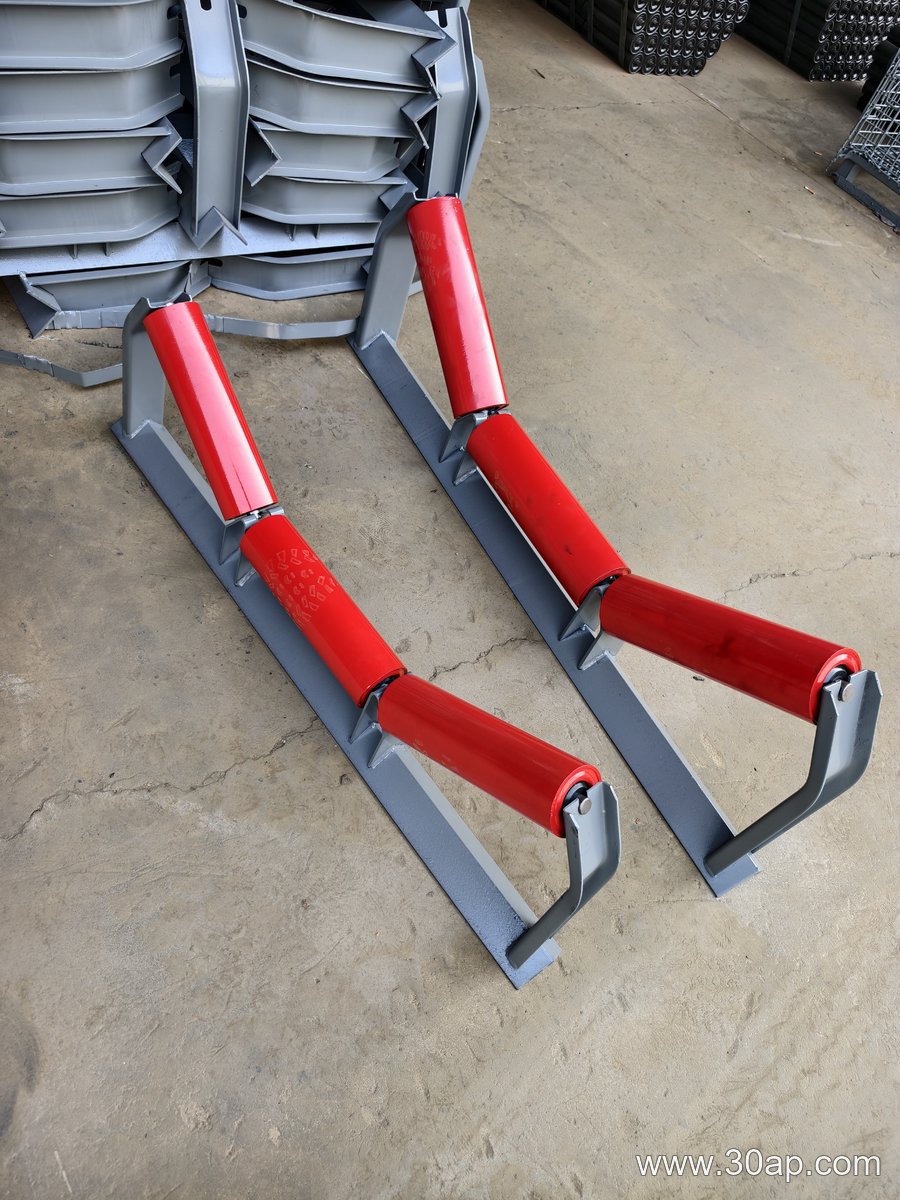
These frames are found wherever a conveyor belt needs continuous support. In a quarry or limestone mine, you will see them on the main haulage conveyor, often with a 35-degree trough angle and Ø133 idler rollers. In a cement plant, they carry clinker and raw meal on belts that might be B1000 or B1200 wide. The frame must resist dust, heat, and heavy loads.
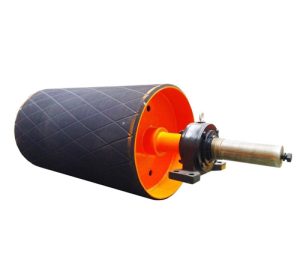
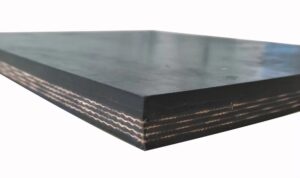
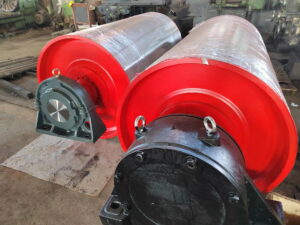
Other common locations include coal washing plants, iron ore processing, and port loading facilities. In each case, the idler frame works together with the conveyor belt, idler roller, and conveyor pulley to keep material moving. For instance, a Q355 Conveyor Bracket is often used in high-load areas such as primary crushing stations, where its higher strength steel resists bending and fatigue. A standard Conveyor Bracket might be found on less demanding sections like transfer points or secondary conveyors.
When the belt needs to transition from a flat pulley to a troughed section, a Trough Idler Bracket is installed to guide the belt smoothly and prevent spillage. And at the tail end or along the return run, a Conveyor Leg supports the frame structure, keeping the whole assembly stable and aligned. These components are not glamorous, but they are essential for reliable operation.
Key Considerations for Buyers
When selecting a belt conveyor idler frame, a buyer should first match the frame to the belt width and the idler roller diameter. Common belt widths include B500, B650, B800, B1000, B1200, and B1400. Roller diameters often range from Ø89 to Ø159, with Ø108 and Ø133 being very popular. The trough angle should suit the material—30 degrees for general purpose, 35 degrees for higher capacity, and 45 degrees for very free-flowing materials.
Do not assume that one belt width can only pair with one roller diameter or one trough angle. The correct combination depends on the load, belt speed, and material characteristics. Shaft diameter, for example, is determined by the forces acting on the roller, not by belt width alone. A B800 belt might use Ø108 rollers in a light application or Ø133 rollers in a heavy one.
Other factors include the mounting hole spacing and the crossbeam length. These dimensions change with belt width and trough angle, so always confirm them with the manufacturer or check the conveyor design drawings. Adjustable frames offer flexibility if you plan to change the trough angle later, while fixed frames are simpler and often more economical.
Types of Idler Frames and Their Roles
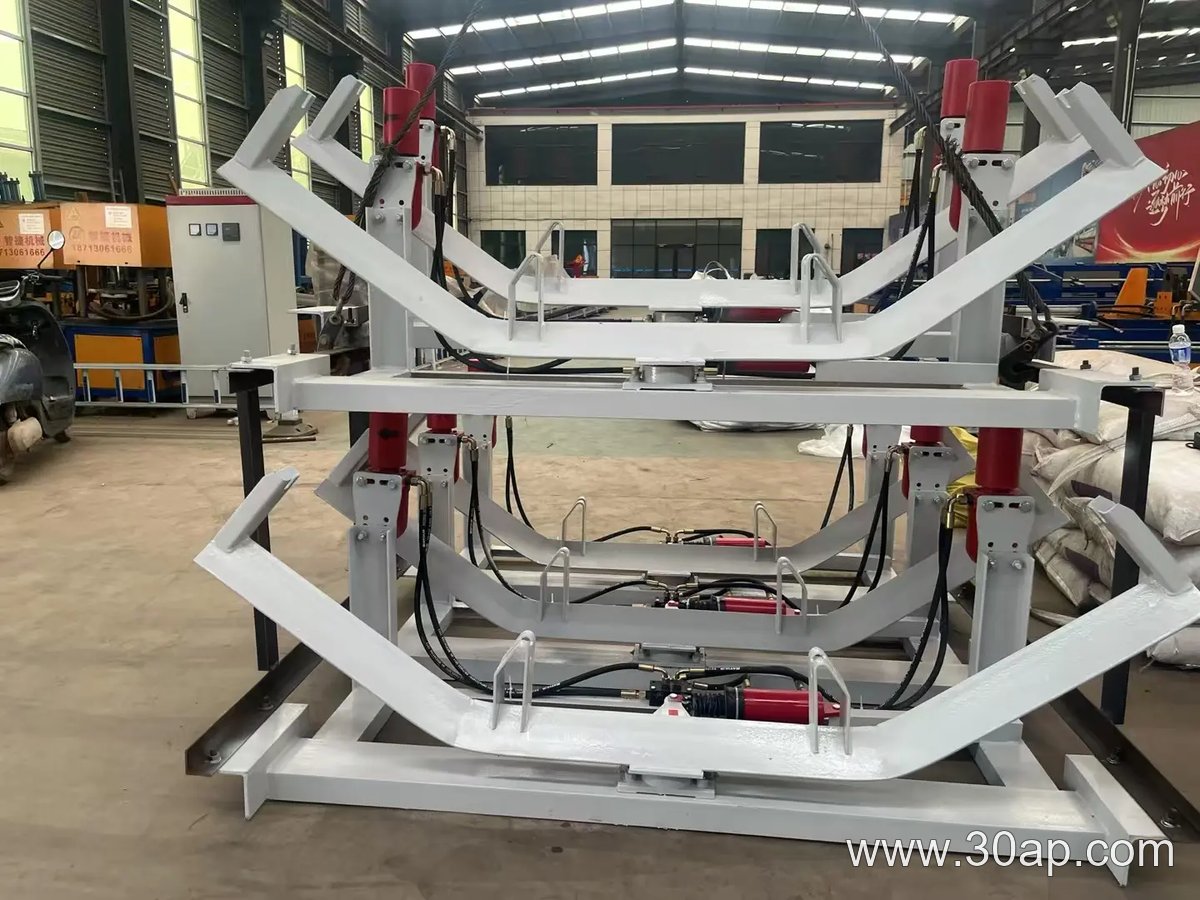
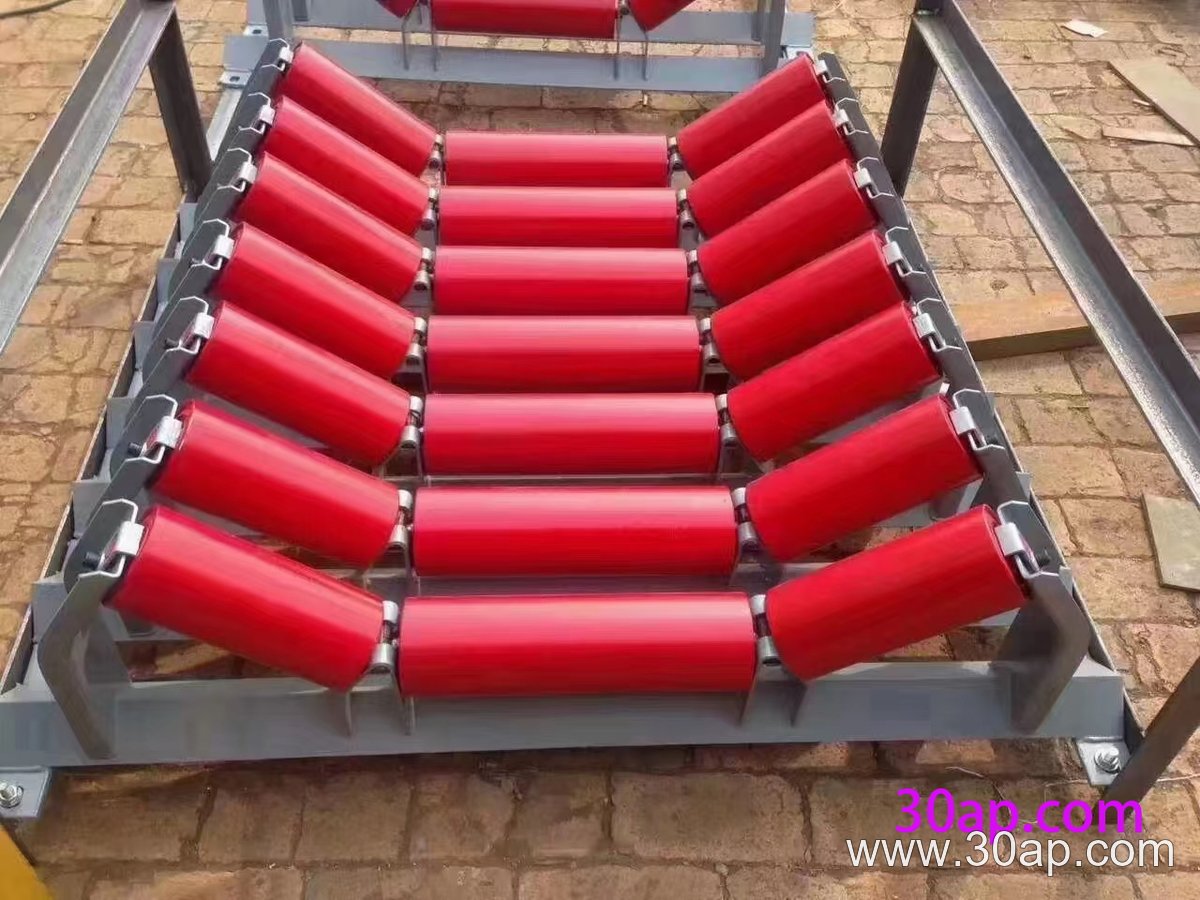
There are several common types of idler frames. The trough idler frame, also called a carrying frame, supports the belt on the loaded side. The return frame supports the empty belt on the return side. A V-return frame helps center the belt and remove stuck material. Impact frames are used at loading points to absorb shock. Self-aligning frames correct belt tracking. Adjustable frames let you fine-tune the trough angle between, say, 20 and 45 degrees.
Each type has its place. In a crushing and screening plant, you might see impact frames under the crusher discharge and trough frames along the main conveyor. In a tunnel boring operation, compact frames are used to fit tight spaces. The key is to select the frame that matches the load, the belt, and the environment.
Materials and Surface Treatment
Most idler frames are made from carbon steel. For corrosive environments, hot-dip galvanizing or painting may be applied. Stainless steel is also available for food or chemical applications, though it is less common in heavy bulk handling. The choice of material affects the frame’s strength, weight, and lifespan. Always consider the operating conditions—moisture, dust, temperature, and chemical exposure—when choosing.
Installation and Maintenance Tips
Proper installation is critical. Ensure the frame is level and square to the conveyor centerline. Tighten all bolts to the recommended torque. Check that the idler rollers spin freely and that the belt runs centered. During maintenance, inspect for bent frames, worn mounting holes, or loose fasteners. Replace any frame that shows cracks or significant deformation. Keeping the frame in good condition prevents belt misalignment, reduces downtime, and extends the life of the entire conveyor system.