Why the Conveyor Belt Remains the Backbone of Modern Handling
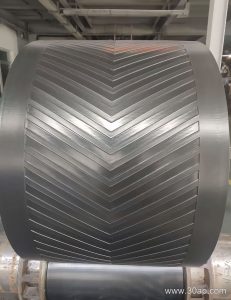
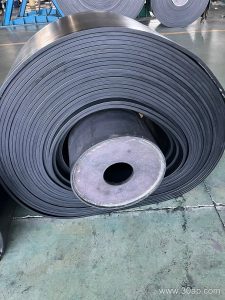
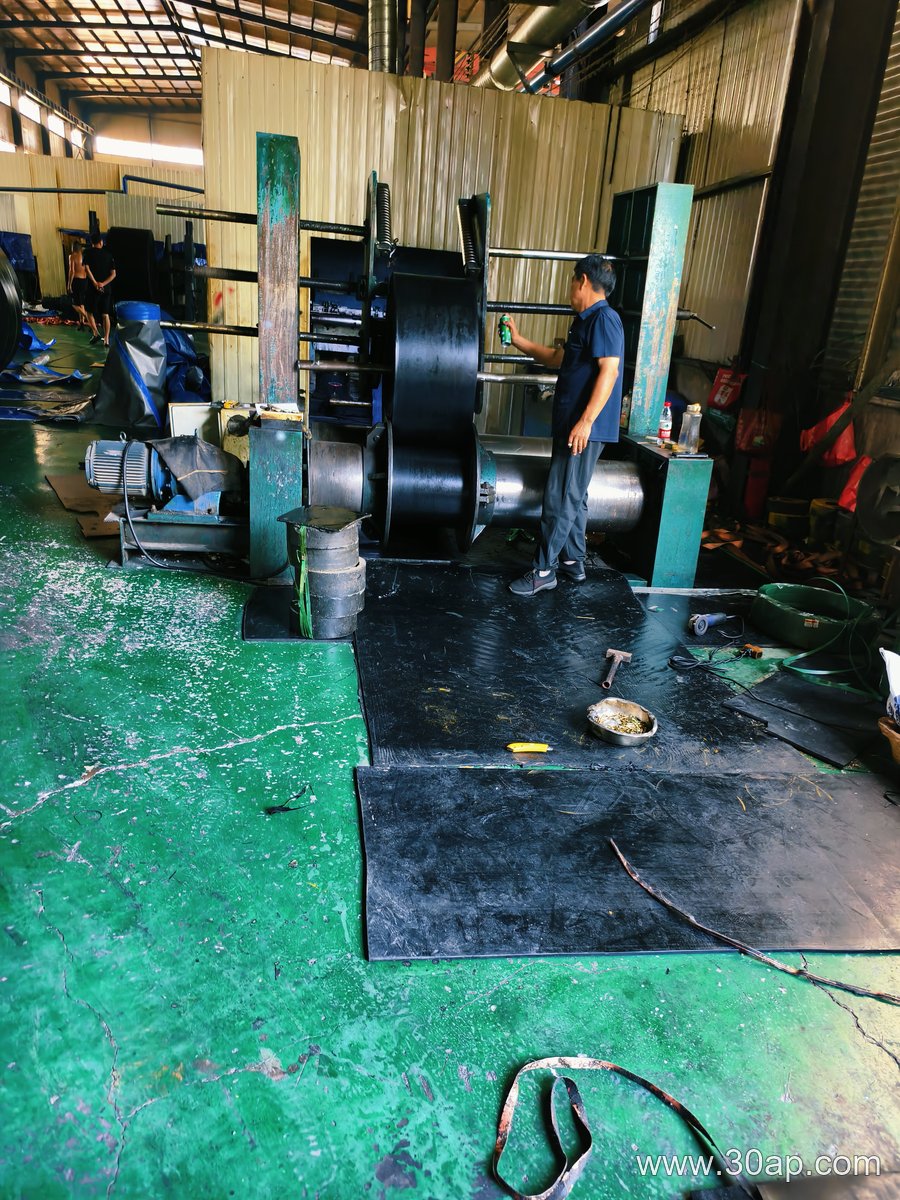
The conveyor belt is more than a moving surface—it is the silent workhorse that dictates throughput, safety, and uptime across mining, logistics, and food processing. Selecting the correct belt directly impacts operational cost.
Key Selection Criteria
- Material and carcass: Choose rubber for abrasion, PVC for light-duty, or steel cord for high-tension loads.
- Environment: Heat-resistant, oil-resistant, or flame-retardant compounds are non-negotiable for harsh conditions.
- Belt width and speed: Match these to your product size and required tons per hour to avoid spillage or premature wear.
Purchasing Advice for Long-Term Value
- Always request technical data sheets and test reports for tensile strength and elongation.
- Verify splice kits and spare parts availability before ordering.
- Buy from a supplier offering on-site vulcanization service—this reduces downtime during installation.
Finally, invest in a belt with a higher safety factor (at least 10:1) to accommodate unexpected surges. A well-chosen conveyor belt reduces maintenance intervals by 30% and ensures consistent production flow.
Choosing an Idler Roller: The Core of Conveyor Reliability
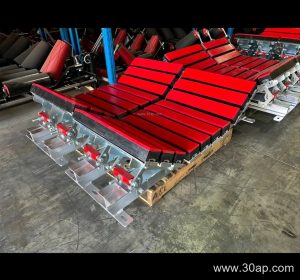
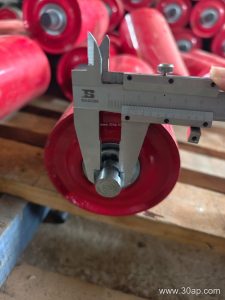
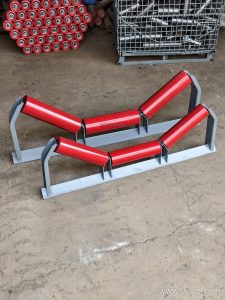
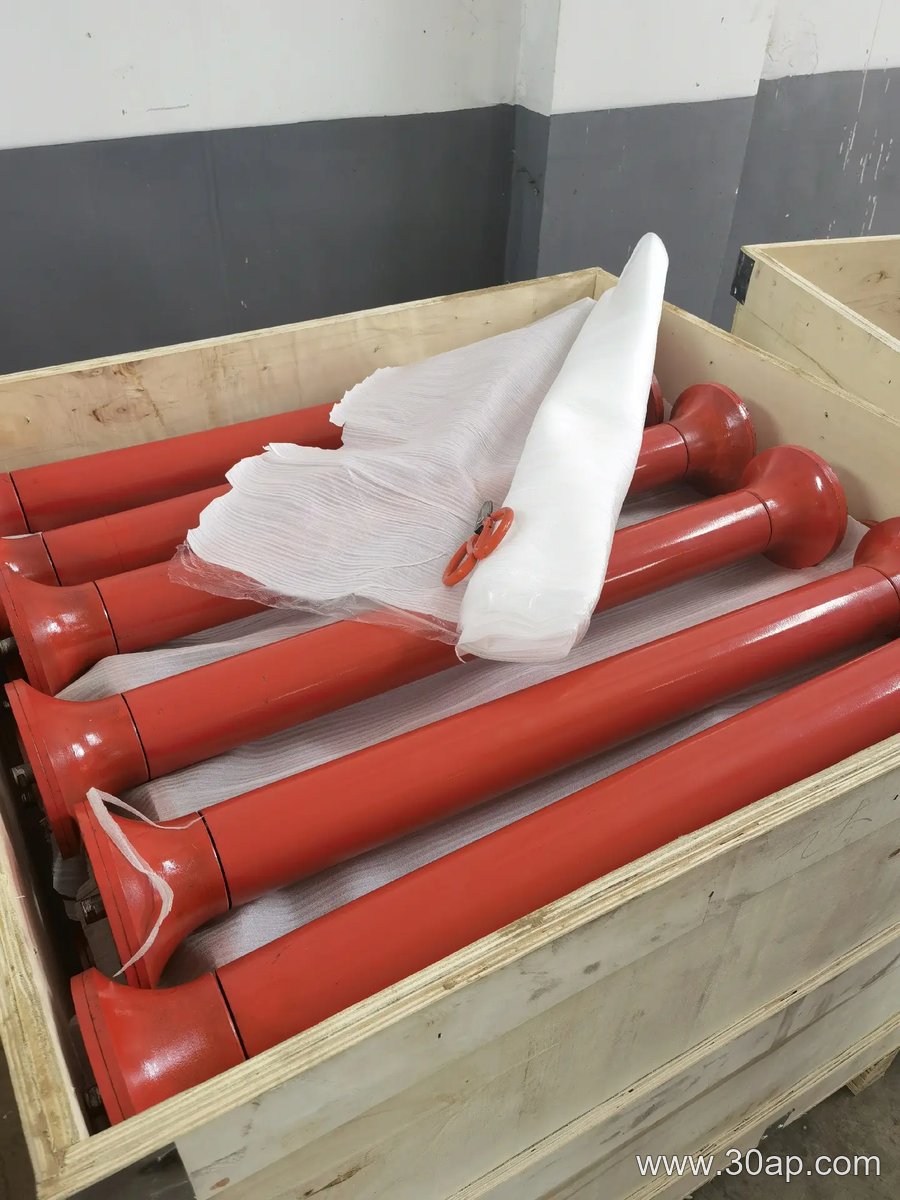
The idler roller is not a passive component. It supports the belt, shapes the load, and absorbs impact. Selecting the wrong one causes belt misalignment, premature wear, and costly downtime.
Key Selection Criteria
- Belt width and speed: Match roller length and diameter to your belt’s tension and velocity.
- Material and environment: Use sealed bearings for dusty or wet sites; specify rubber-coated rollers for abrasive or high-impact loads.
- Troughing angle: Standard 20°, 35°, or 45° angles affect load stability and belt tracking.
Purchasing Advice
Always verify the idler roller’s load rating against your peak material flow. Request cage code or ISO certification. Compare the total cost of ownership—cheaper rollers often fail faster. For retrofit, measure shaft diameter and frame spacing accurately. Buy from a manufacturer that offers quick lead times and spare seal kits.
Why the Conveyor Pulley Demands Precision Engineering
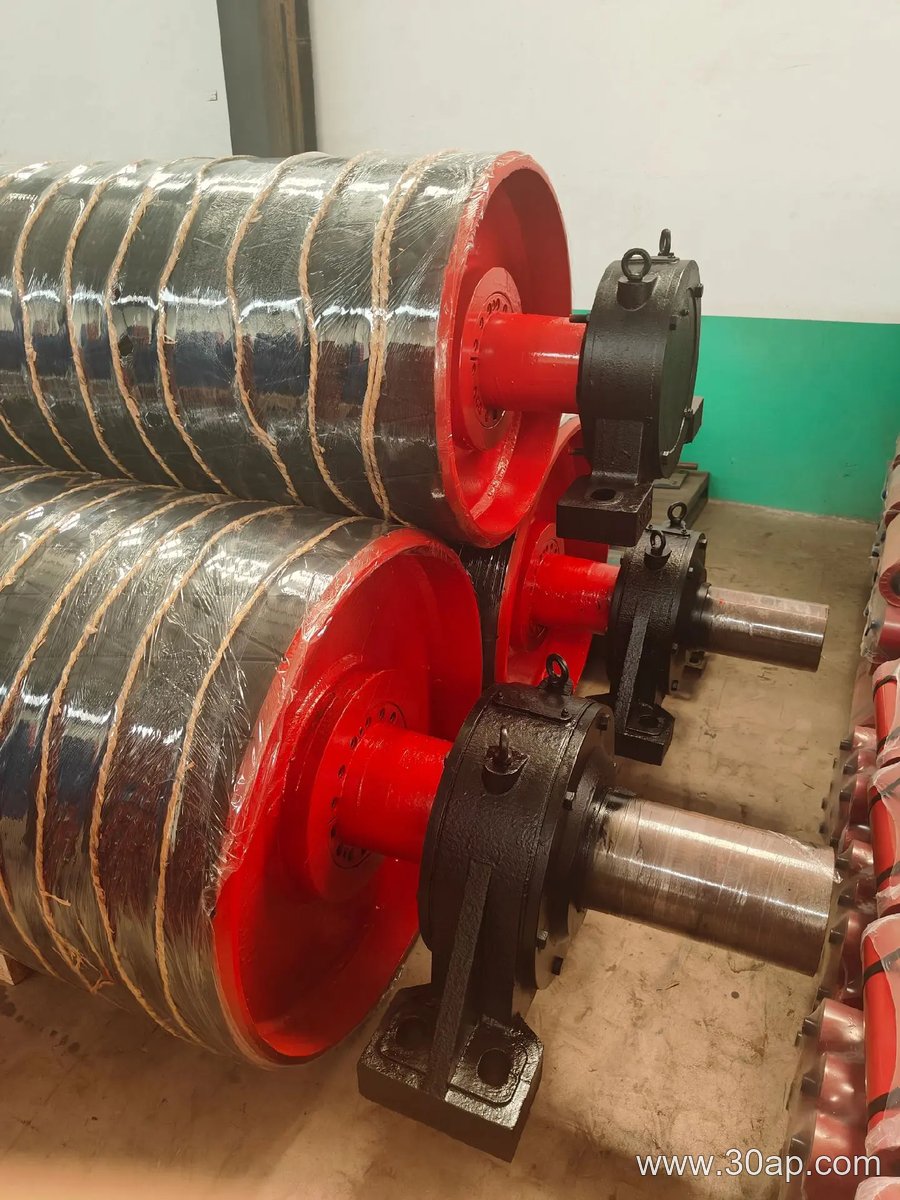
The conveyor pulley is not a passive cylinder; it is the primary driver of belt tension, tracking, and torque transmission. A poorly specified pulley causes belt slippage, misalignment, and premature failure across the entire system.
Key Design Criteria for Industrial Buyers
- Shell thickness and material – Choose steel grades matching impact load and pulley diameter (e.g., S355J2 for high abrasion).
- Shaft and hub connection – Verify keyed, shrink-disc, or locking assembly ratings against peak starting torque.
- Crown profile – A 1–2 mm central crown improves self-centering of the belt, reducing edge wear.
- Lagging type – Ceramic lagging boosts friction in wet or steep conditions; rubber lagging suits dry, moderate duty.
Selection and Purchasing Checklist
- Always calculate effective belt tension (Te) and wrap angle before requesting quotes – never oversize by guesswork.
- Specify the conveyor pulley’s face width as belt width plus 100–150 mm for proper edge clearance.
- Ask for dynamic balancing reports (ISO 1940 G16 or stricter) to prevent vibration at operating RPM.
- Confirm bearing housing interchangeability (e.g., SAF or SNL) to simplify future maintenance.
For replacement orders, measure the existing pulley’s shaft diameter, hub length, and lagging thickness in situ. Demand a finite element analysis report from suppliers for shafts above 150 mm diameter to guarantee fatigue life under cyclic loads.
What Is a Conveyor Bracket and Why It Matters
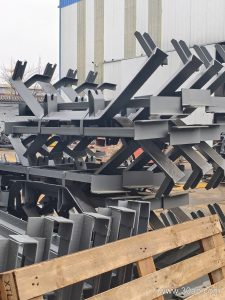
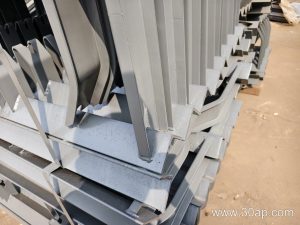
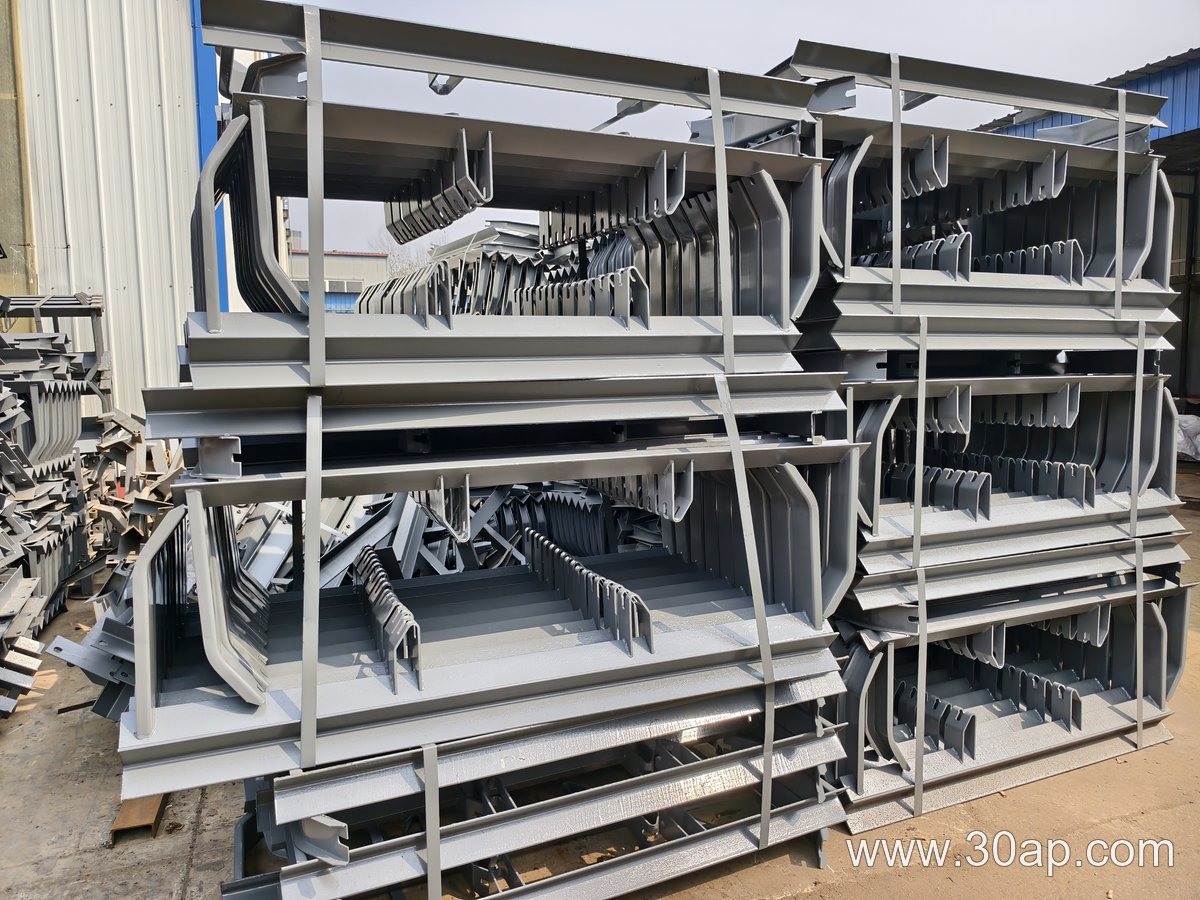
A conveyor bracket is the structural component that mounts rollers, idlers, or belt sections to the frame, ensuring alignment and load distribution across the line. Without a properly engineered bracket, even the best belt or roller system suffers misalignment, premature wear, and costly downtime.
Key Selection Factors for Industrial Buyers
- Material grade: Choose galvanized steel for corrosive environments or stainless steel for food-grade and washdown applications.
- Load rating: Match the bracket’s static and dynamic capacity to your maximum conveyor load, including impact zones.
- Adjustability: Slotted or modular brackets allow quick alignment tweaks, reducing maintenance time.
- Compatibility: Verify bolt patterns, shaft diameters, and center distances against your existing roller or idler specs.
Purchasing Advice for Bulk Orders
When sourcing conveyor brackets, request a dimensional drawing and a fatigue test report. Compare cost per bracket against lifecycle—a thicker gauge with reinforced gussets often pays back in reduced replacement frequency. Also, confirm that the bracket’s finish meets your site’s corrosion standards (e.g., hot-dip galvanized per ASTM A123).