What a Belt Conveyor Trough Idler Does
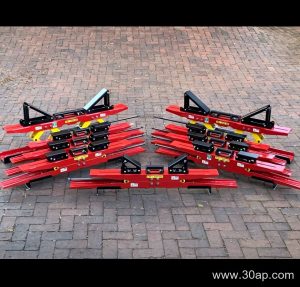
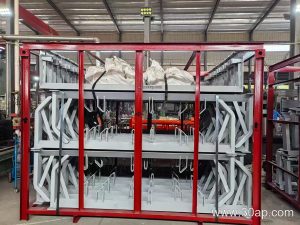
A Belt Conveyor Trough Idler is the assembly of rollers that supports the carrying run of a conveyor belt and shapes it into a trough. By forming the belt into a curved profile, the trough idler keeps bulk material centered and reduces spillage on the load zone. In a typical belt conveyor, these idlers are mounted on a frame between the tail pulley and the drive pulley, working together with the conveyor pulley, conveyor bracket, and idler roller to keep the belt tracking smoothly.
The trough idler is not a single roller but a group, often made up of two or three rollers set at an angle. The most common arrangement is the three-roll trough idler, which gives good support across a wide belt and is widely used in quarry, cement, and power plant conveyor lines.
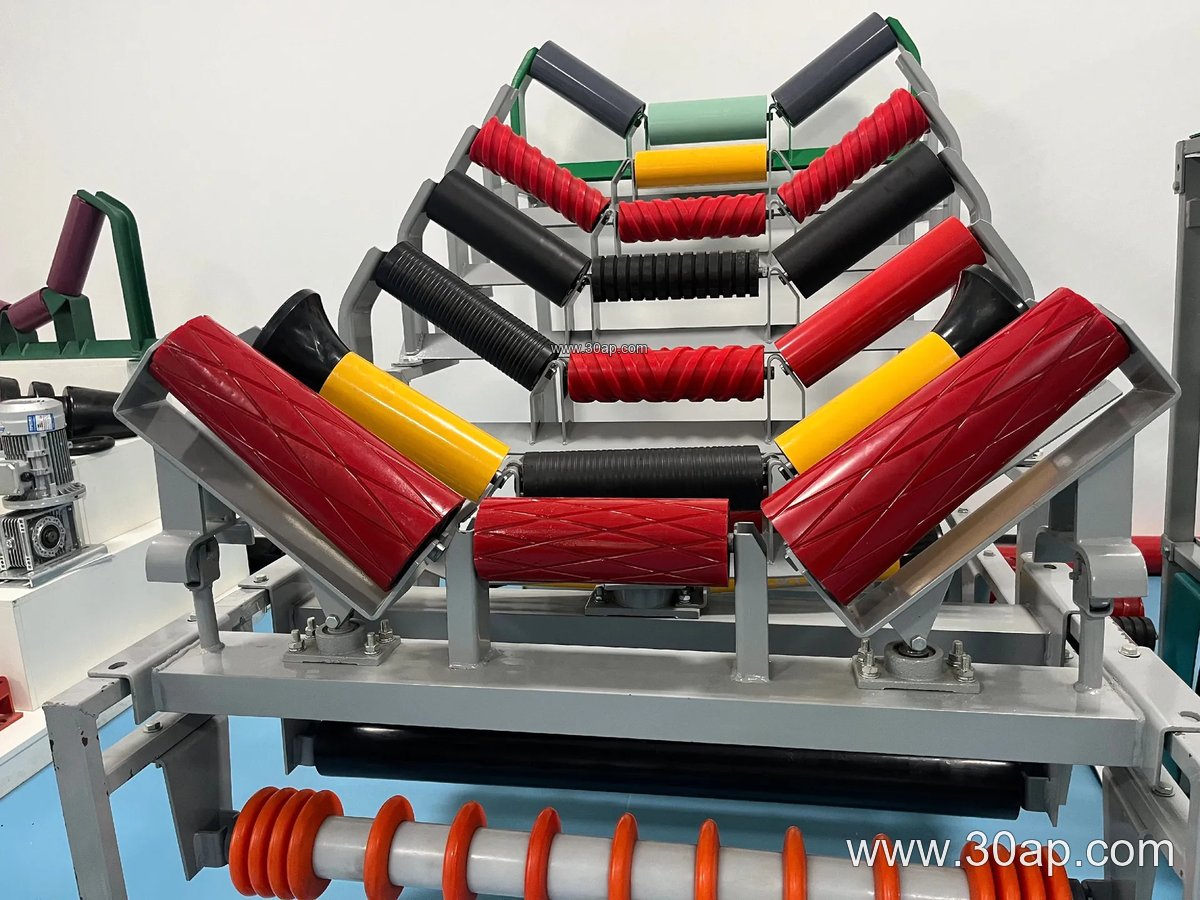
Construction and Common Configurations
A trough idler usually consists of steel tubes fitted with bearing housings, seals, and a shaft. The roller surface may be plain steel, nylon, ceramic, or rubber rings, depending on the material being handled. Bearing sizes such as 6204, 6205, 6305, 6306, 6308, and 6310 are common, but the correct bearing depends on load and speed, not on roller diameter alone.
The trough angle is a key design choice. Common trough angles are 20, 30, 35, and 45 degrees. A deeper trough angle helps contain material on the belt, while a shallower angle suits flatter belts and certain transition zones. Roll length varies with belt width and trough angle; for example, a three-roll trough idler on a B800 belt often uses rollers around 315 mm long, while a B1200 belt may use rollers around 465 mm. These are common examples, and side rollers can differ from the center roller.
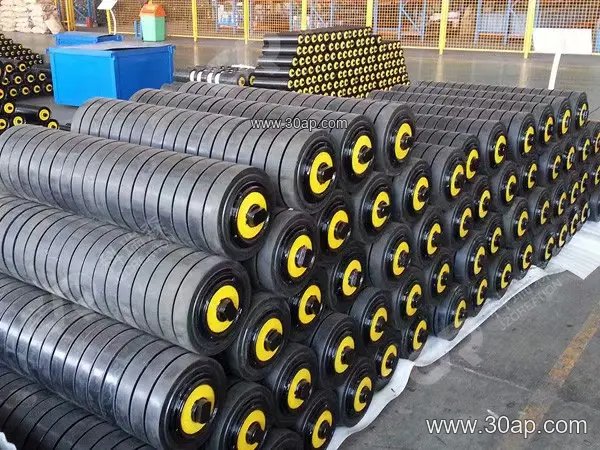
Typical Trough Idler Reference Data
| Belt Width | Common Roller Diameter Range | Typical Trough Angle | Common Roller Length (three-roll) |
|---|---|---|---|
| B500 | Ø63 to Ø89 mm | 20 to 35 degrees | approx. 200 mm |
| B650 | Ø76 to Ø108 mm | 20 to 35 degrees | approx. 250 mm |
| B800 | Ø89 to Ø127 mm | 30 to 35 degrees | approx. 315 mm |
| B1000 | Ø102 to Ø133 mm | 30 to 35 degrees | approx. 380 mm |
| B1200 | Ø108 to Ø159 mm | 30 to 45 degrees | approx. 465 mm |
| B1400 | Ø127 to Ø159 mm | 35 to 45 degrees | approx. 530 mm |
| B1600 | Ø133 to Ø178 mm | 35 to 45 degrees | approx. 600 mm |
| B1800 | Ø159 to Ø194 mm | 35 to 45 degrees | approx. 670 mm |
| B2000 | Ø178 to Ø219 mm | 35 to 45 degrees | approx. 750 mm |
These values are for reference only. Actual selection should follow the conveyor design, belt speed, material lump size, and load conditions.
Where Trough Idlers Are Used
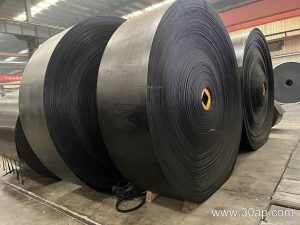
Trough idlers appear in many bulk handling industries. In a coal mining conveyor or a power plant coal yard, they support the conveyor belt on the load side and help keep coal centered. In a limestone quarry or aggregate conveyor line, they handle abrasive rock and stone. Cement plants use trough idlers on clinker and raw material belts, often alongside heat resistant conveyor belt or abrasion resistant conveyor belt grades. Ports and ship loading systems rely on trough idlers for high-capacity bulk material conveyor belts.
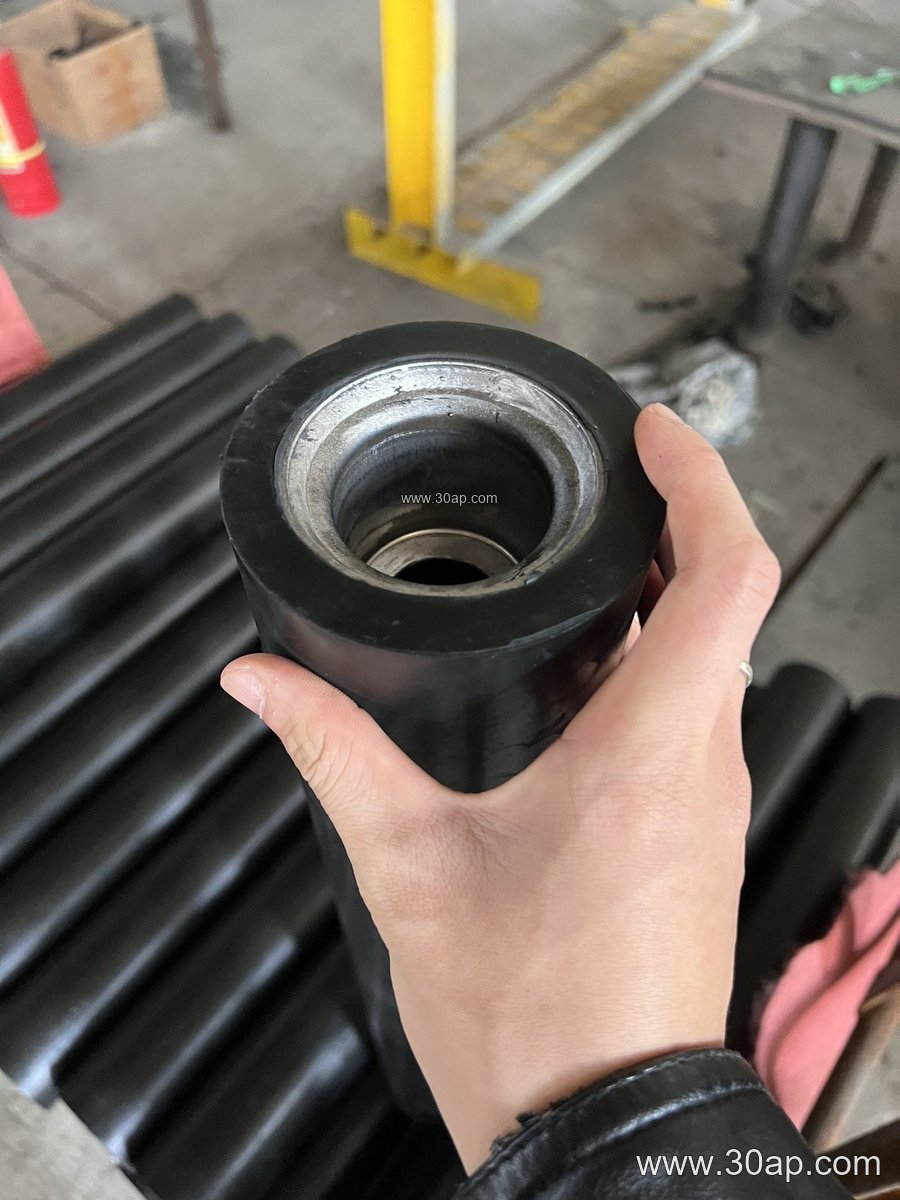
When the conveyed material is heavy or sharp, impact resistant conveyor belt and reinforced trough idlers may be used. For long overland runs, steel cord conveyor belt and EP conveyor belt constructions are common, and the trough idler must match the belt width and load profile. In underground mining, flame retardant conveyor belt and PVG conveyor belt are often specified, and the trough idler frame must fit the restricted space.
Buyer Checklist for Trough Idlers
Before ordering, confirm the belt width, trough angle, roller diameter, roller length, and bearing size. Check the shaft diameter and mounting dimensions against the existing conveyor bracket. Consider the material: abrasive ore may call for thicker roller walls or rubber rings, while sticky material may need a self-cleaning design. Also review the idler spacing along the conveyor, since spacing affects belt sag and roller load.
- Belt width and trough angle
- Roller diameter and length
- Bearing and seal type
- Roller surface material
- Mounting bracket dimensions
- Environmental conditions such as dust, moisture, and temperature
For replacement or new projects, match the trough idler to the conveyor pulley and conveyor bracket rather than treating it as a standalone part. A well-matched trough idler set helps extend conveyor belt life and keeps material moving efficiently.