What an EP400 Conveyor Belt Is
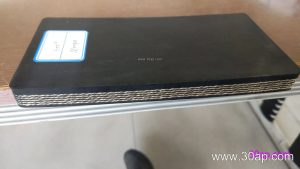
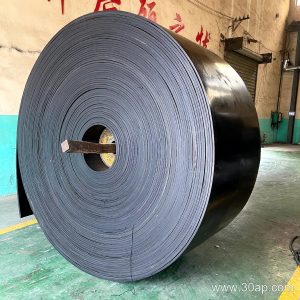
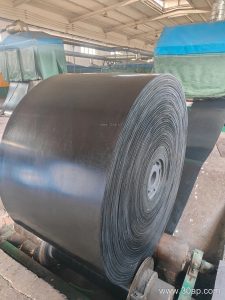
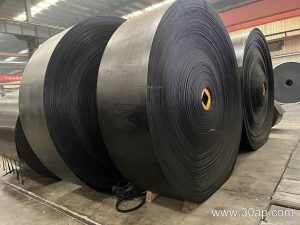
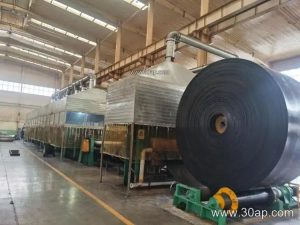
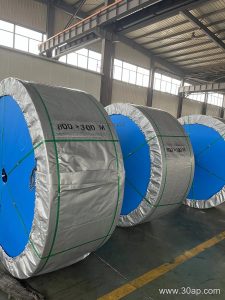
An EP400 conveyor belt is a fabric core belt built with polyester warp and nylon weft plies. The number 400 refers to the nominal tensile strength of the carcass, usually expressed in newtons per millimetre of belt width. In practice, this places the belt in the medium-to-heavy duty range, above lighter EP200 and EP315 constructions and below higher grades such as EP500 or EP630. It is an EP rubber conveyor belt in the familiar sense: rubber covers bonded to a multi-ply fabric core, supplied as an EP fabric core conveyor belt for general industrial conveying.
Because the carcass stretches little under load and resists fatigue, this grade suits long runs, inclined routes and systems that start and stop regularly. It is not a steel cord belt, and it is not an NN conveyor belt; those are separate constructions with different elongation and splice behaviour.
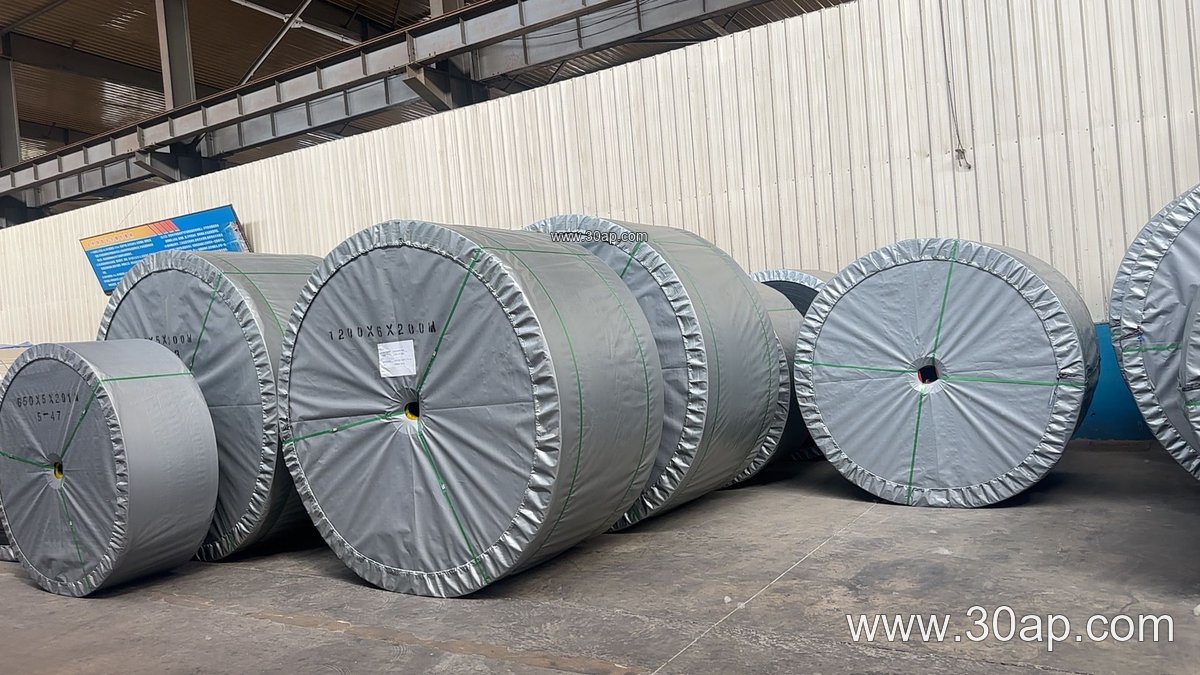
How the Belt Is Built
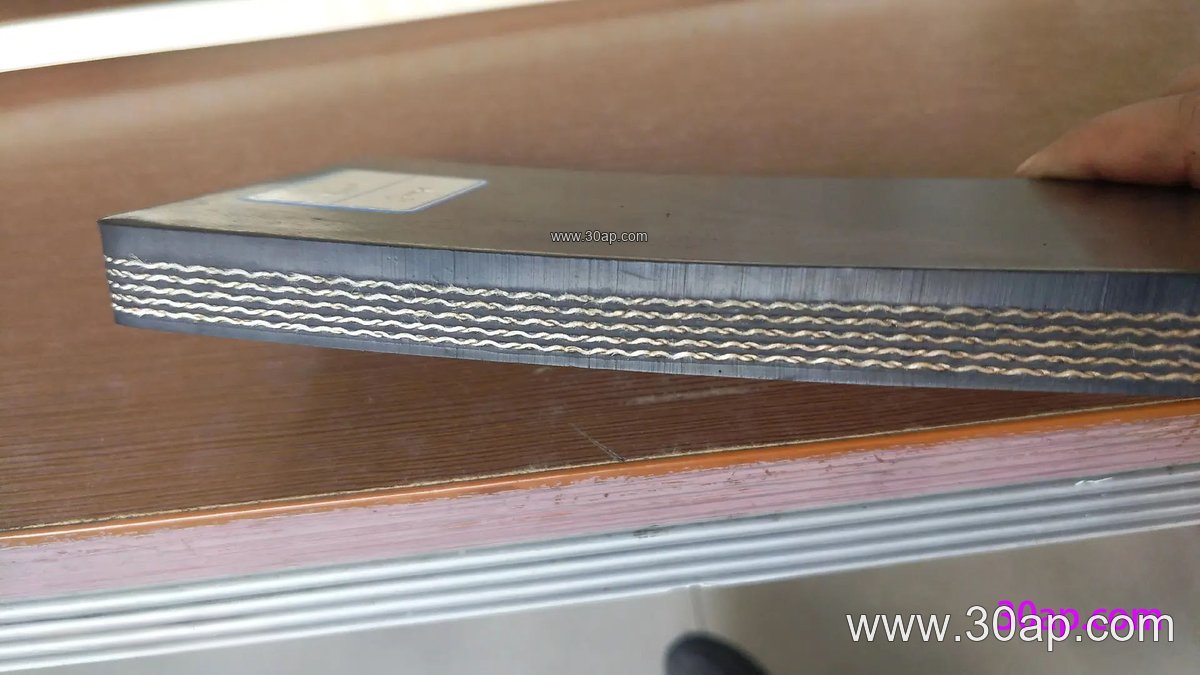
The carcass usually contains two to six plies of EP fabric, with the ply count chosen for the duty rather than fixed by the strength figure alone. Rubber covers protect the carcass from abrasion, impact, moisture and, where specified, heat, oil or flame. Cover thickness is commonly written as top plus bottom, for example 4+2 mm or 6+2 mm, and heavier covers are used where sharp rock or coarse aggregate attacks the surface.
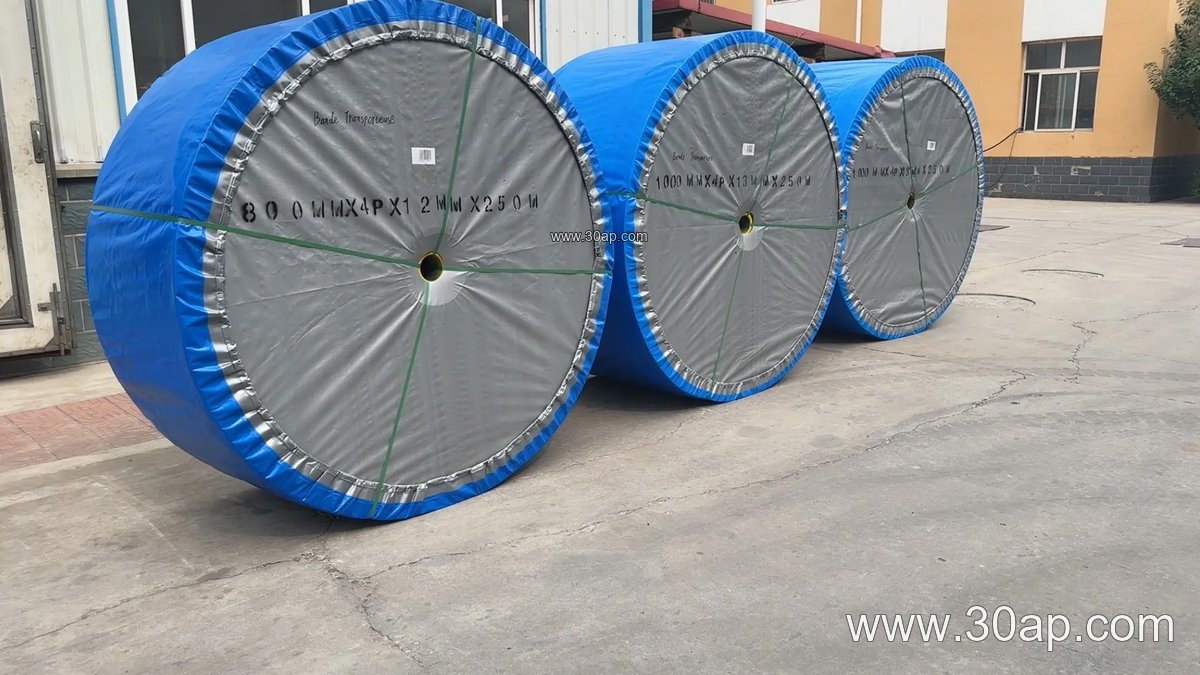
- Top cover: carries the material and absorbs wear and impact.
- Bottom cover: runs over return idlers and protects the carcass from friction.
- Carcass plies: provide tensile strength and transverse rigidity.
- Edge construction: cut edges or moulded edges depending on the manufacturer and application.
Buyers should confirm the actual ply count, cover grade and cover thickness on the datasheet, since two suppliers may offer an EP400 belt with different builds for different duties.
Typical Service Conditions
This belt is widely used in mines, coal preparation plants, cement works, power stations, quarries, sand and gravel yards, ports and crushing circuits. A quarry conveyor belt or crusher conveyor belt may need good impact resistance at the loading point, while a cement plant conveyor belt often needs heat resistance in clinker handling. For underground coal mining, a flame retardant conveyor belt with anti-static properties is normally required, and the same grade may be specified as a fire resistant conveyor belt where local rules demand it.
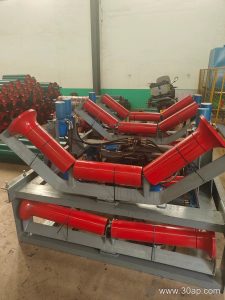
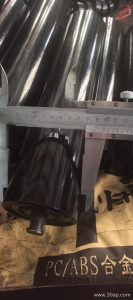
Related equipment matters as much as the belt. Troughed idler rollers control belt sag, while the head drive pulley, tail pulley and bend pulleys guide the loop. These pulley types are not interchangeable, and each has its own diameter and lagging requirements. Conveyor brackets and frames must align with the pulley and idler mounting dimensions. For dusty or wet duties, an abrasion resistant conveyor belt grade and well-sealed rollers reduce downtime.
Specification Reference
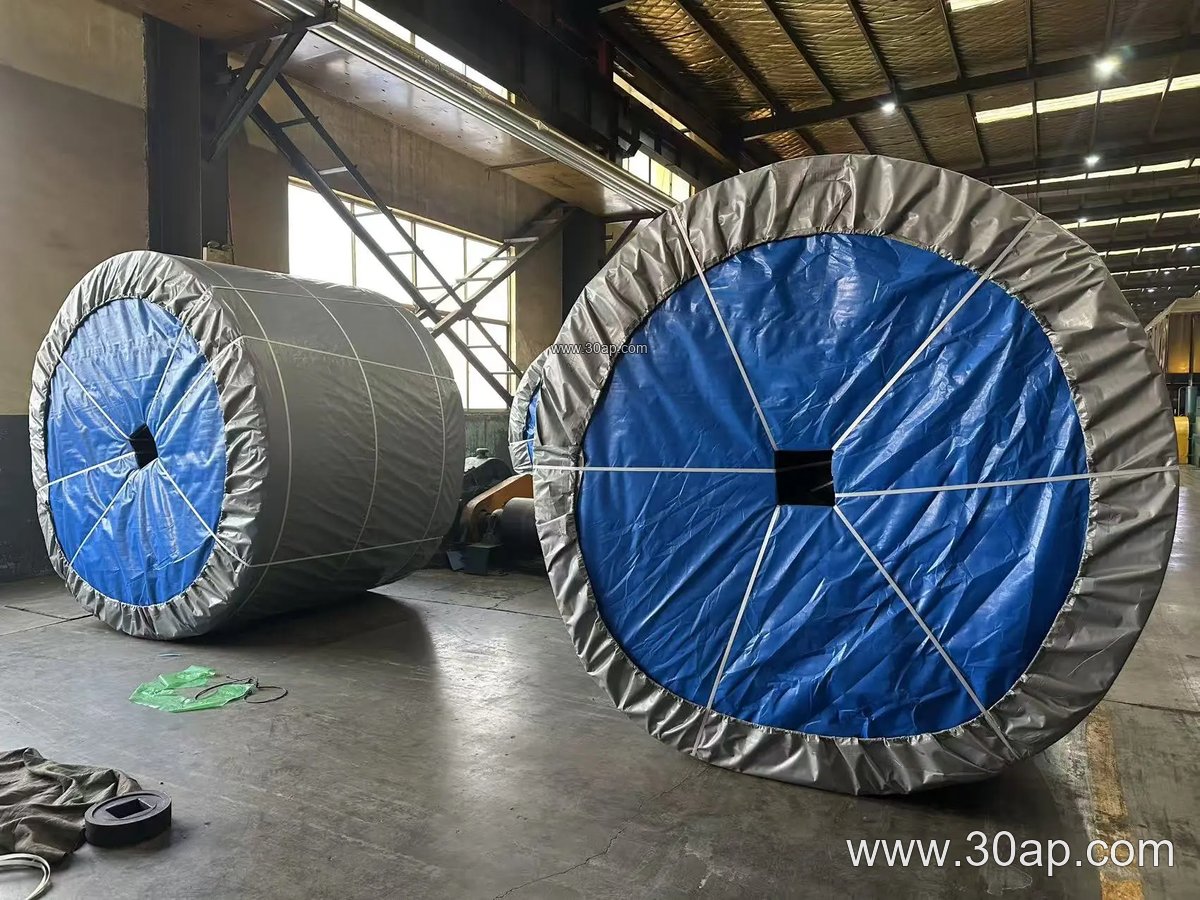
The following values are common reference points only. Actual supply is confirmed per order and per design.
| Parameter | Common reference |
|---|---|
| Carcass grade | EP400 (also EP200, EP315, EP500, EP630 as alternatives) |
| Belt width | B500, B650, B800, B1000, B1200, B1400, B1600 |
| Cover thickness | 3+1.5, 4+2, 5+2, 6+2, 8+3 mm |
| Ply count | Usually 2 to 6 plies |
| Special grades | Heat resistant, oil resistant, flame retardant, cold resistant, anti-static |
Width and strength are selected together with the conveyor design, not by a single rule. A wider belt does not automatically call for a larger pulley diameter, and shaft size must be calculated from the actual load and pulley geometry.
Selection and Maintenance Notes
Check the maximum lump size, material temperature, moisture and oil content before choosing covers. Confirm the splice method with the belt supplier, because vulcanised joints and mechanical fasteners demand different edge preparation. Keep pulleys and idler rollers turning freely, maintain correct tracking and avoid material build-up at the tail. Store spare belts away from sunlight and ozone sources.
For similar light-to-medium duties, an NN conveyor belt may be considered, but it should not be treated as a direct substitute where low elongation is important. Where extremely high tension or very long single flights are involved, a steel cord conveyor belt is the appropriate comparison, not a replacement for this fabric core product.