What a Chemical Resistant Conveyor Belt Is
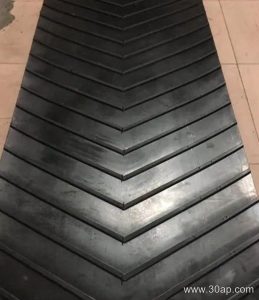
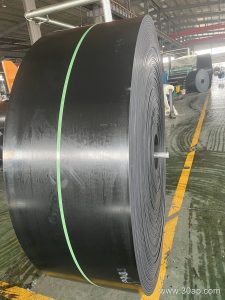
A Chemical Resistant Conveyor Belt is a rubber conveyor belt engineered so that its cover compound and, where needed, its carcass resist swelling, cracking, staining, or softening when exposed to acids, alkalis, salts, fertilizers, and other aggressive substances. It is not a single universal recipe. The cover polymer and the fabric or steel reinforcement are chosen to match the chemical family, concentration, temperature, and exposure time of the material being conveyed. In plants handling slurries, dusty powders, or washed aggregate, this belt often sits alongside standard Rubber Conveyor Belt constructions, but with a cover designed for the specific chemical duty.
Buyers sometimes describe the product as an Acid Resistant Conveyor Belt or an alkali-resistant belt. These are accurate names for the same family when the duty is acidic or alkaline. The practical difference lies in the compound and the test data the supplier can provide, not in the name alone.
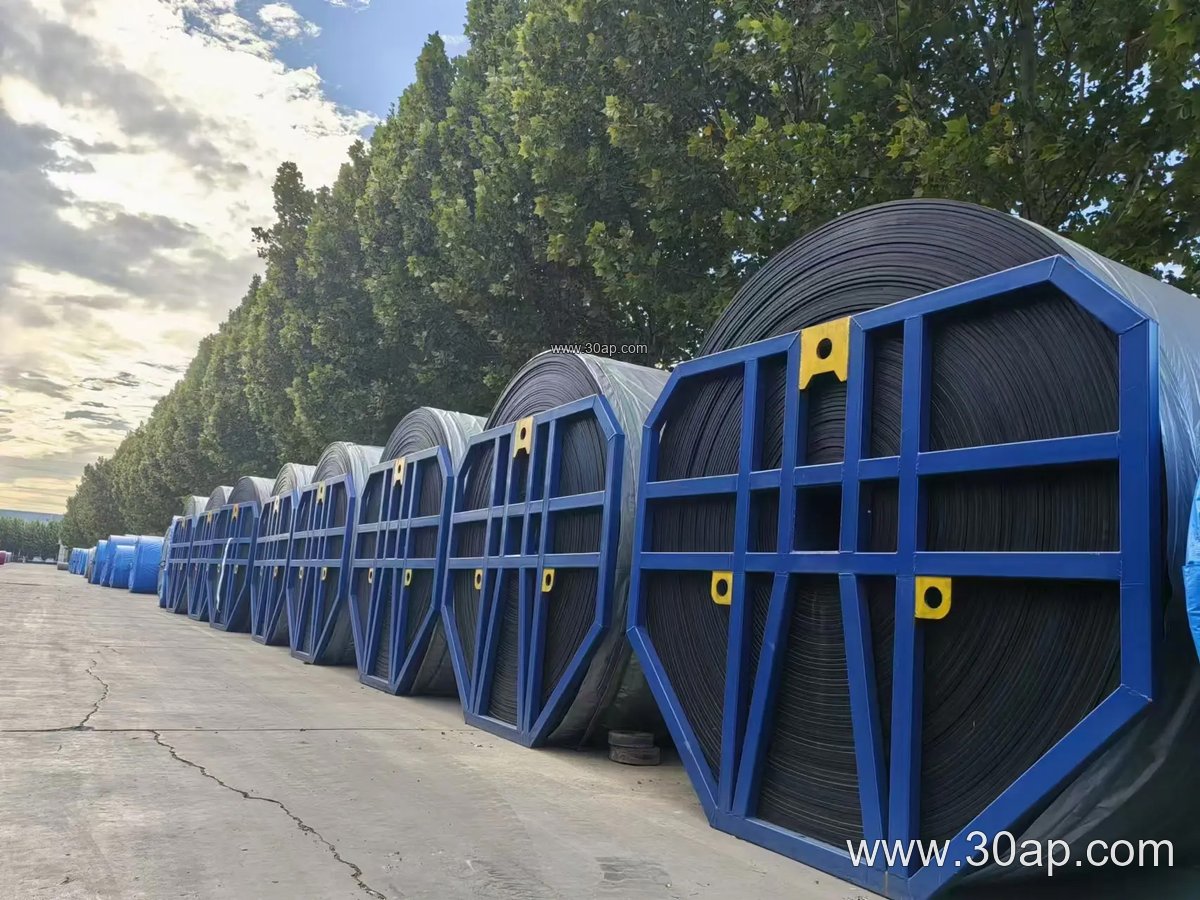
Construction and Compound Choices
The belt is built around a tension-bearing carcass. Common options include an EP Conveyor Belt carcass, an NN Conveyor Belt carcass, or a Steel Cord Conveyor Belt for very long runs and high tensions. A Multi-Ply Fabric Core Conveyor Belt is typical for medium-duty chemical lines, while heavy-duty duties may call for thicker covers and more plies.
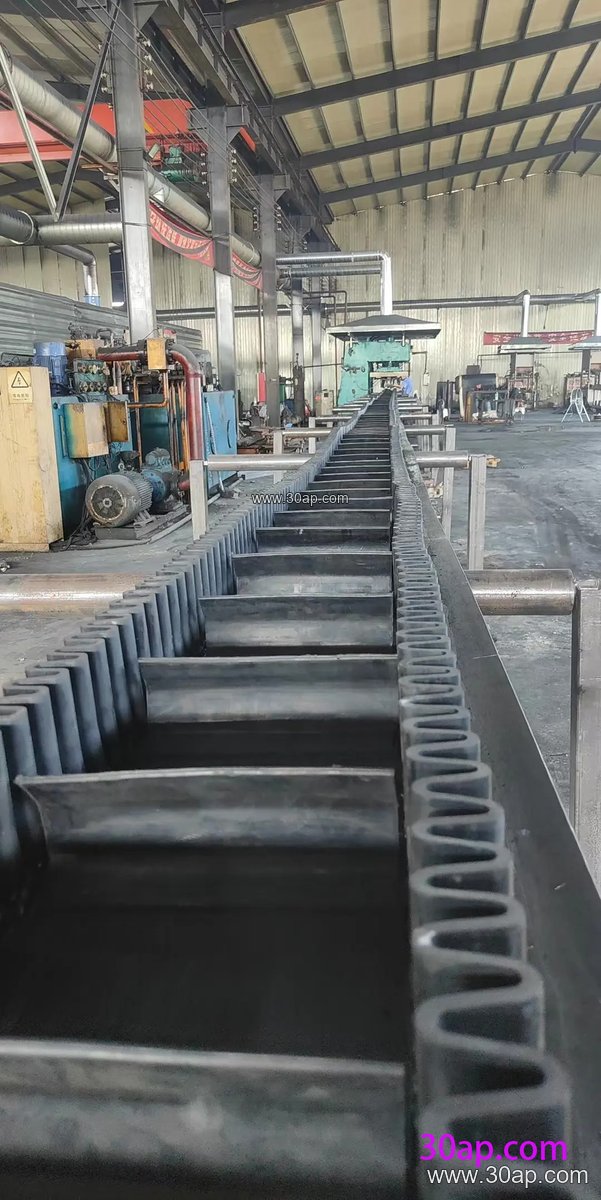
Cover compounds are the decisive layer. Natural rubber, SBR, nitrile, neoprene, EPDM, and PVC are used in different formulations, and each behaves differently against acids, oils, and oxidizers. A cover that resists dilute acid may perform poorly against a concentrated solvent. This is why a supplier should ask for the chemical name, concentration, and temperature before recommending a compound.
| Parameter | Common Reference Range |
|---|---|
| Belt width | B500, B650, B800, B1000, B1200, B1400, B1600, B1800, B2000 |
| Cover thickness | 3+1.5, 4+2, 5+2, 6+2, 8+3 mm |
| Carcass plies | Usually 2 to 6 layers for fabric cores |
| Strength grades | EP200 to EP2000, NN100 to NN400, ST1000 to ST3150 |
These values are reference data only. Actual cover grade, ply count, and width are set by the conveyor design, the chemical exposure, and the required tensile strength.
Where It Fits in the Plant
Chemical duty appears in fertilizer plants, phosphoric acid lines, salt handling, water treatment sludge, battery material processing, and some mineral beneficiation circuits. In a cement plant, a belt may carry gypsum or kiln dust with acidic condensate; in a power plant, it may handle coal or limestone with corrosive runoff. In mining and quarrying, acid mine drainage and ore slurries can attack ordinary covers, so an acid-resistant grade may be specified on selected sections.
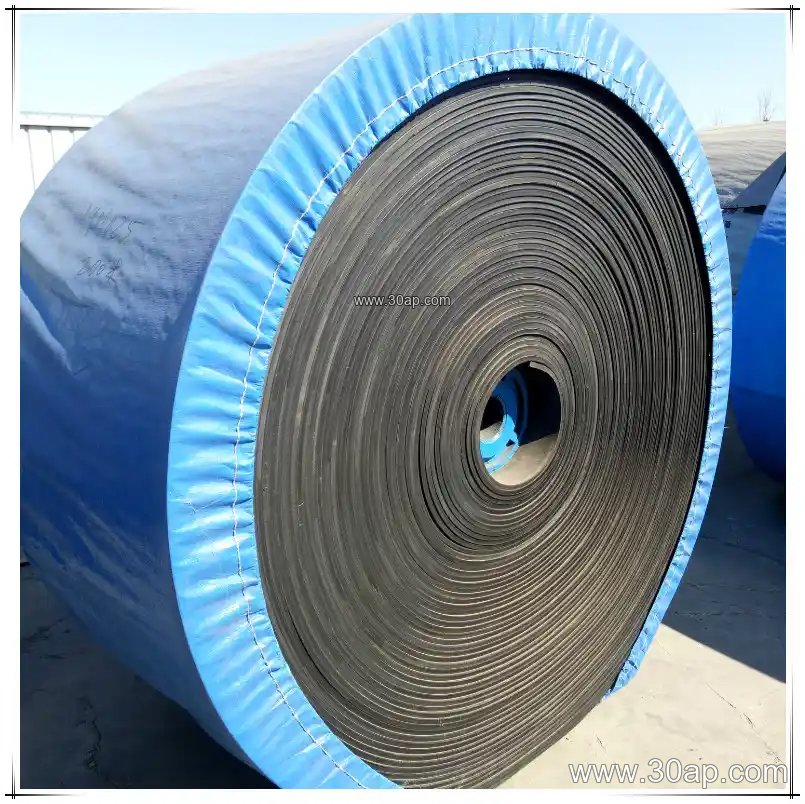
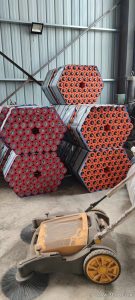
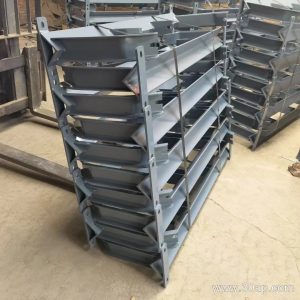
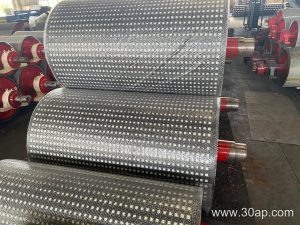
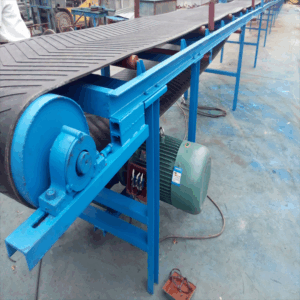
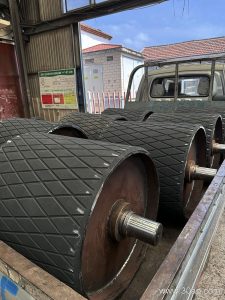
The belt does not work alone. A conveyor pulley, idler roller, and conveyor bracket are selected for the same environment, with corrosion-resistant frames and bearings where washdown or chemical mist is present. A conveyor pulley in a wet acid area may need a coated or stainless shell, while the idler roller should shed buildup rather than trap slurry.
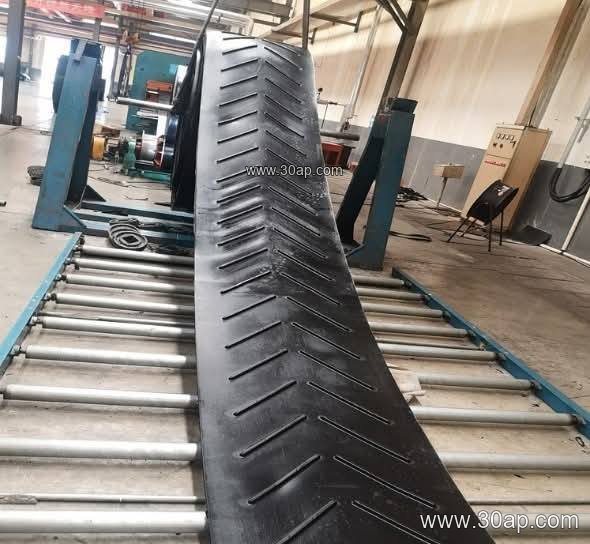
Matching the Belt to the Duty
Start with the chemical data sheet, not the belt catalogue. Record the substance, concentration, pH, temperature, and whether the exposure is continuous splash, immersion, or vapor. Then check the cover compound recommendation and the carcass protection. A fabric core can wick moisture through cut edges, so edge sealing and cover thickness matter on wet chemical lines.
Where the load also abrades, a High Abrasion Resistant Conveyor Belt compound may be needed, but abrasion resistance and chemical resistance are separate properties and should be confirmed together. If the material is oily as well as corrosive, an Oil Resistant Conveyor Belt grade may be more suitable, or a combined formulation may be required. For hot chemical streams, a Heat Resistant Conveyor Belt construction may be considered, but the temperature limit of the chemical-resistant cover must still be respected.
Installation and Maintenance Notes
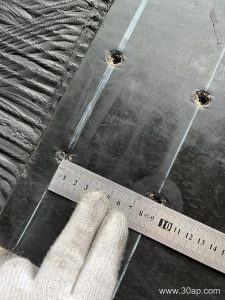
- Inspect the cover for swelling, blistering, or hardening at joints and edges, since chemical attack often starts there.
- Keep the conveyor pulley and idler roller surfaces clean; corrosive buildup can cause tracking problems and belt edge damage.
- Check that the conveyor bracket and frame coatings are intact, because rust flakes can contaminate the conveyed material.
- Store spare belt away from sunlight and chemical fumes, and record the compound grade for future replacement.
- When splicing, use a method and splice material compatible with the cover compound.
For anyone sourcing this product, the safest route is to share the full chemical exposure and conveyor layout with the supplier. Widths such as B800 or B1200 may look familiar, but the cover grade and carcass choice should be confirmed against the actual duty. A belt that is chemically correct for one line can fail quickly on another, so the specification should be written around the process, not around a generic label.