What a Metallurgical Conveyor Pulley Does
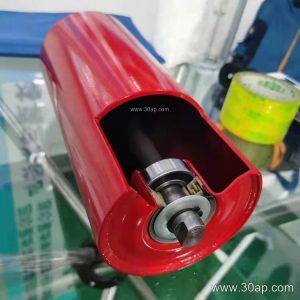
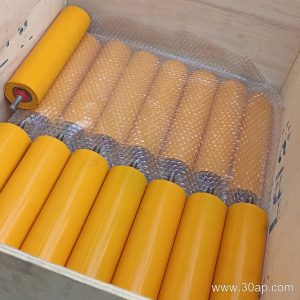
A metallurgical conveyor pulley is the rotating drum that drives, tensions, or redirects the belt in demanding bulk material systems. In a sinter plant or a copper ore concentrating line, this component must tolerate abrasive dust, high loads, and continuous operation. Unlike a standard conveyor pulley used in light assembly, the metallurgical version is built with thicker shells, reinforced welds, and heavy-duty bearings to match the punishing pace of primary processing. It works together with the conveyor belt, idler roller, and conveyor bracket to keep the entire conveyor pulley assembly aligned and reliable.
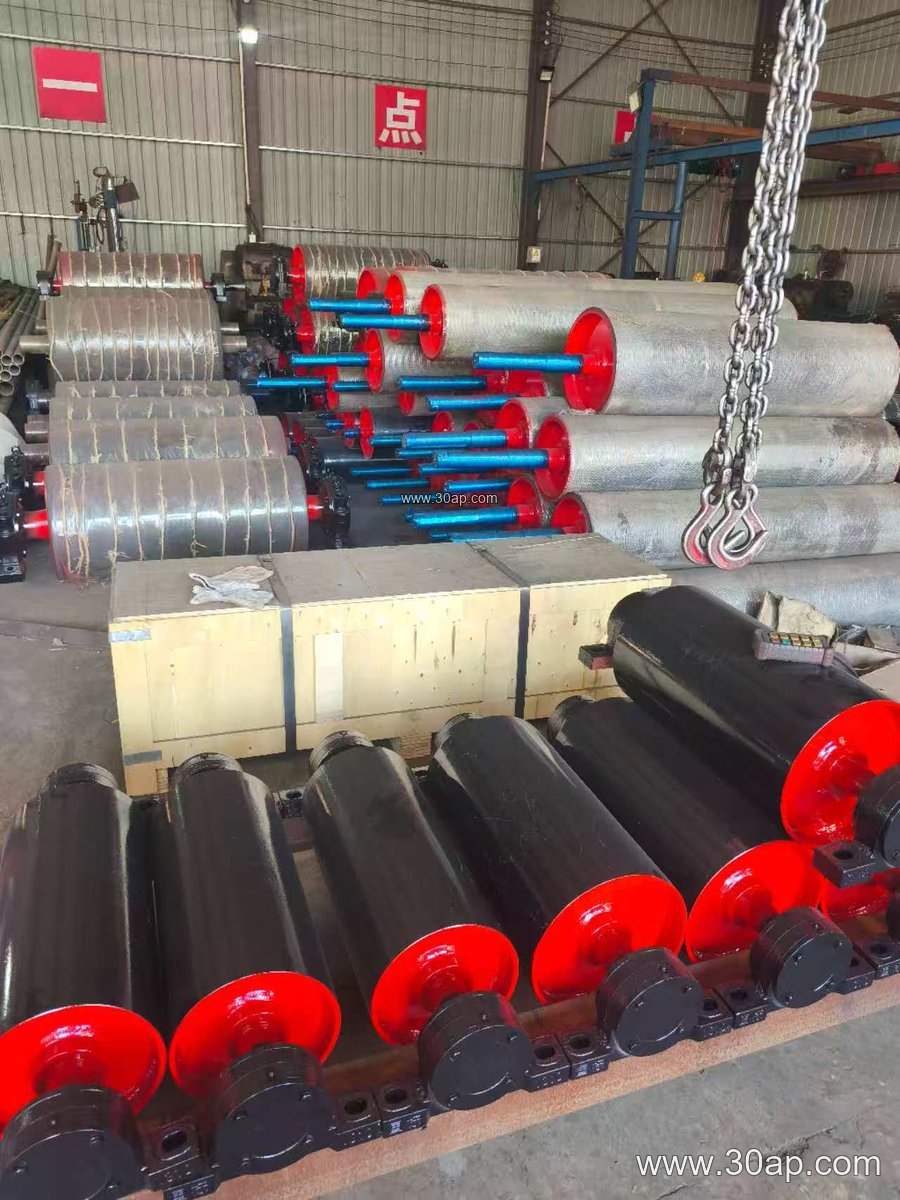
Construction and Surface Options
The core is usually a rolled steel shell with machined end discs and a through shaft. Common diameters range from Ø200 to Ø1800, and face widths are typically wider than the belt—for example, a B1200 belt often runs on a pulley face around 1400 mm. Shaft diameters are selected by torque and load, with Ø80, Ø100, Ø120, and Ø140 being frequent in medium to heavy service. Surface treatment is a key decision:
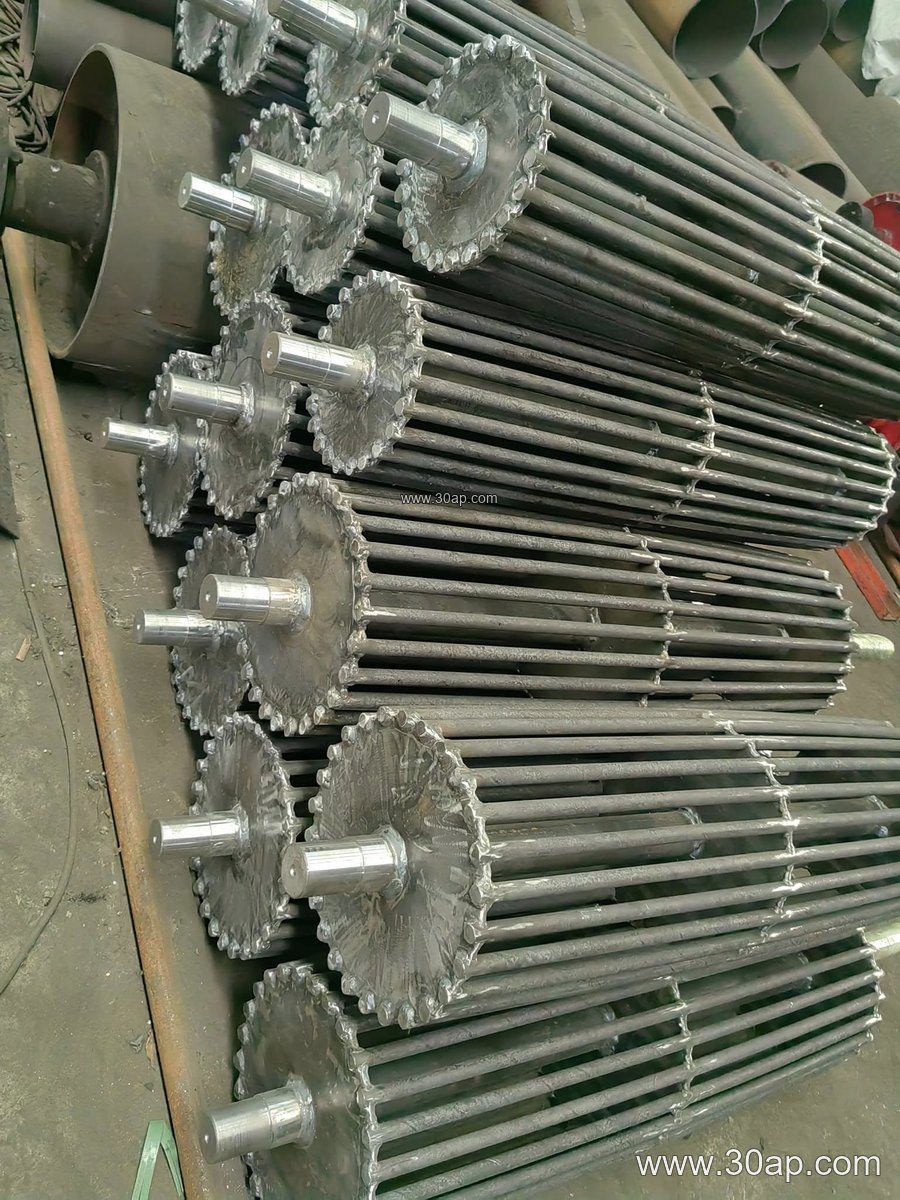
- Plain face for clean, low-traction duties
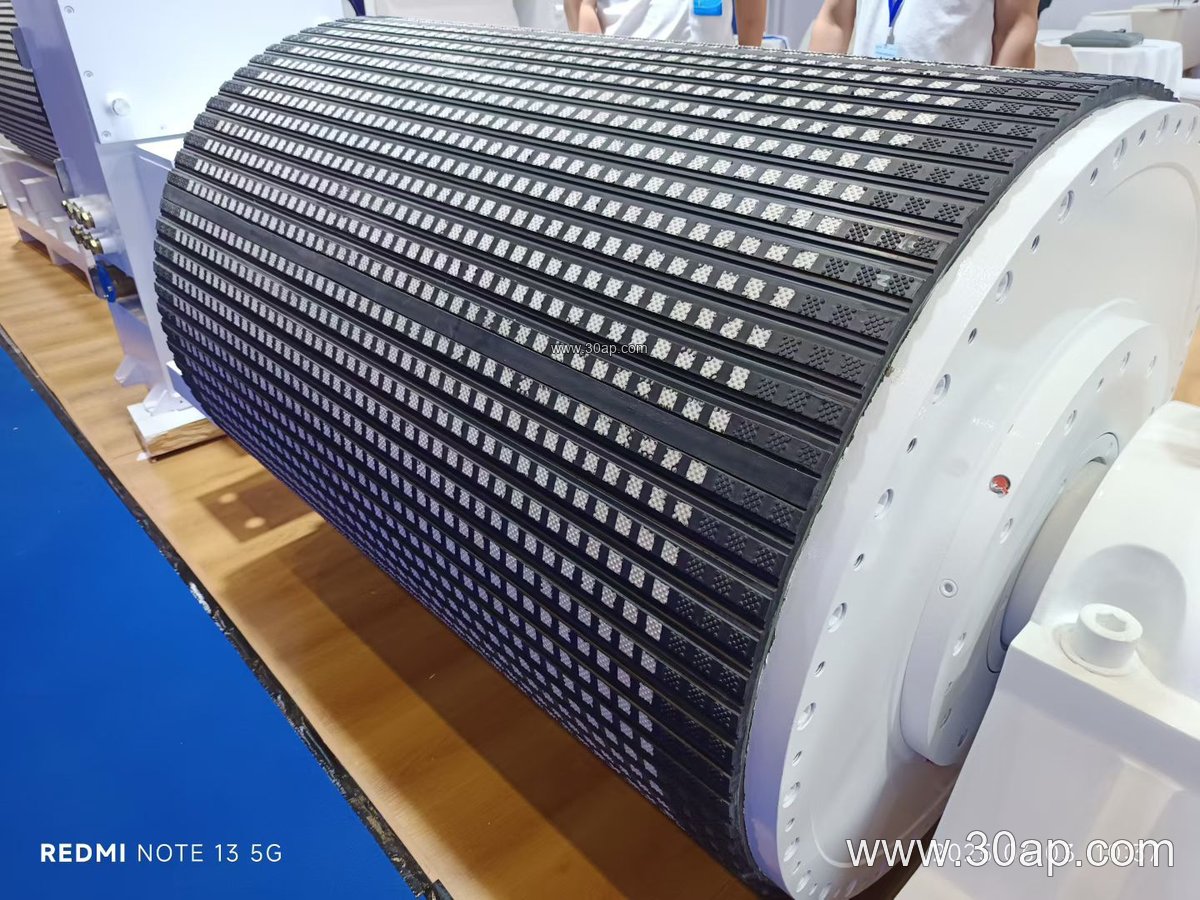
- Diamond grooved rubber lagging for wet or dusty conditions
- Ceramic lagging for extreme abrasion in iron ore or quarry duty
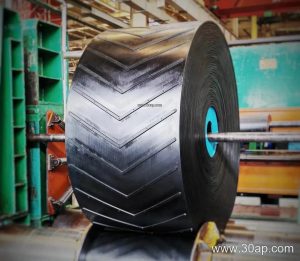
- Herringbone lagging to improve self-cleaning on reversing belts
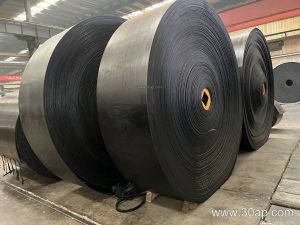
Lagging thickness commonly falls between 8 mm and 20 mm. A rubber conveyor belt with high abrasion resistance pairs well with diamond or ceramic surfaces, while a heat resistant conveyor belt may call for a smooth or specially compounded lagging to avoid heat buildup.
Where It Fits in the Plant
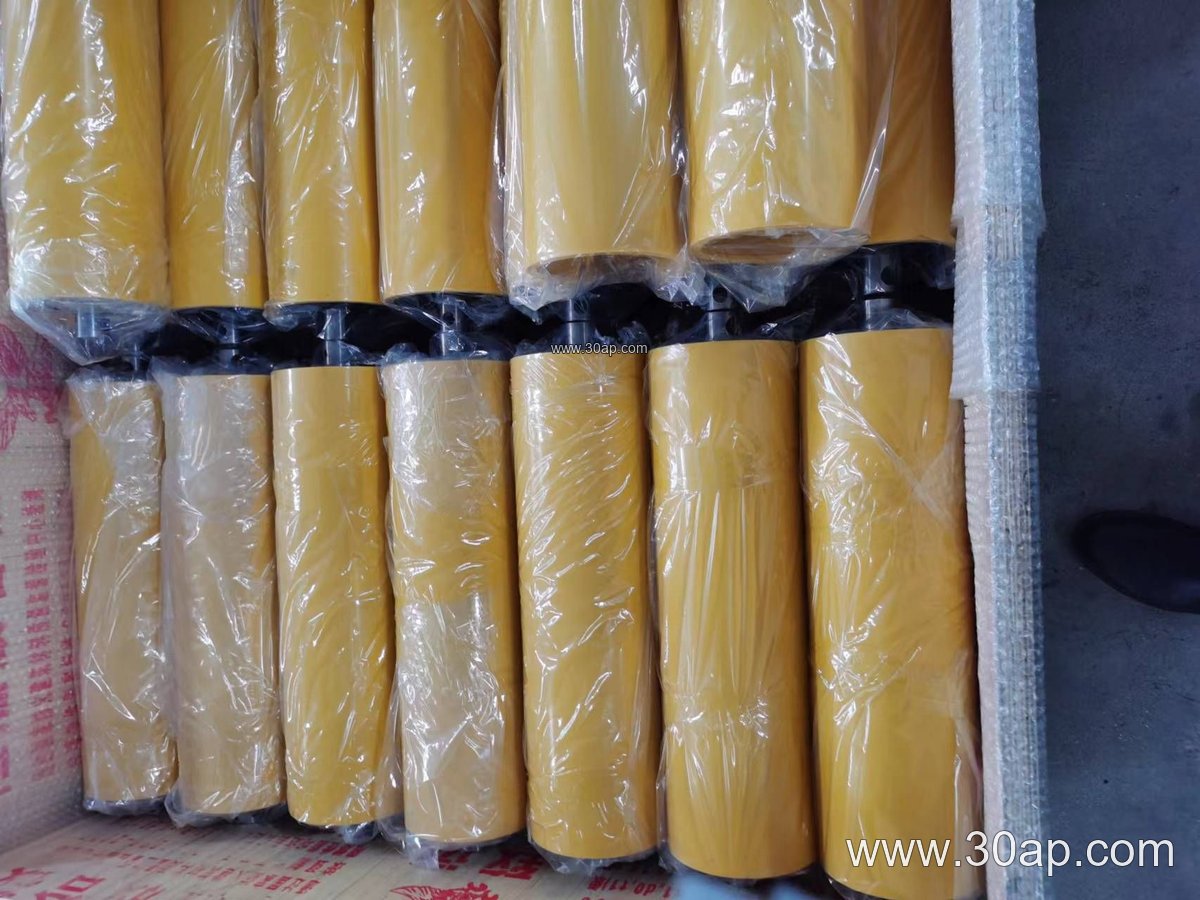
In a coal preparation plant, the drive pulley at the head end transmits power through the belt, while a bend pulley changes direction before the tail. These roles are not interchangeable: a drive pulley carries the highest torque, a tail pulley guides the return belt, and a bend pulley simply alters the path. A metallurgical conveyor pulley may also serve as a tension pulley on a take-up assembly. Downstream, a crusher conveyor belt or a quarry conveyor belt often relies on heavy-duty pulleys with thick lagging to survive impact and grit. The same logic applies in cement plant clinker lines and power plant coal handling, where a flame retardant conveyor belt and robust pulleys work as a system.
Matching Pulley to Belt and Duty
Selection starts with belt width and tension. A B800 system might use a Ø500 pulley, while a B1400 conveyor could call for Ø800 or larger—but there is no fixed rule that one belt width matches only one diameter. The pulley face width should exceed the belt width to allow for tracking. For a steel cord conveyor belt carrying high tension, the pulley shell and shaft must be sized for the resulting load, often with a larger shaft diameter such as Ø160 or Ø180. Fabric core belts, including EP conveyor belt and NN conveyor belt constructions, generally allow more moderate pulley dimensions. A pipe conveyor belt or corrugated sidewall conveyor belt may need special pulley profiles, so the belt supplier and pulley maker should coordinate early.
Buyer Checklist
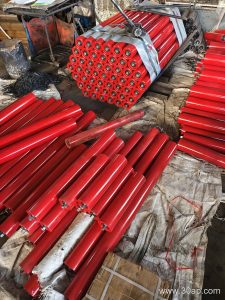
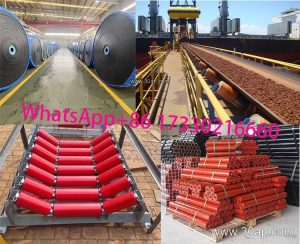
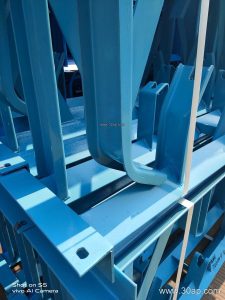
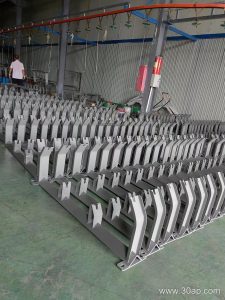
Before ordering, confirm the belt width, belt type, maximum tension, and pulley position. Check whether the application needs a drive, tail, or bend pulley—each has different load profiles. Ask about lagging material and thickness, bearing type, and shaft diameter calculation. For a mining conveyor belt in an underground coal mine, flame retardant and anti-static properties matter, and the pulley should be rated for the same environment. In a sand and gravel plant, abrasion resistant lagging extends service life. Keep spare idler rollers and brackets on hand, since a seized pulley or misaligned bracket can damage an expensive conveyor belt. Finally, request dimensional drawings that show face width, shaft end, and keyway details so the pulley fits the existing conveyor frame without modification.