What a Tapered Idler Is and Where It Fits
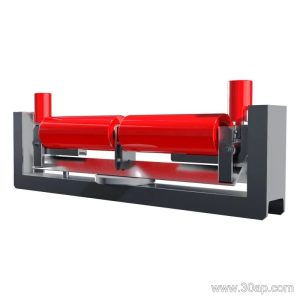
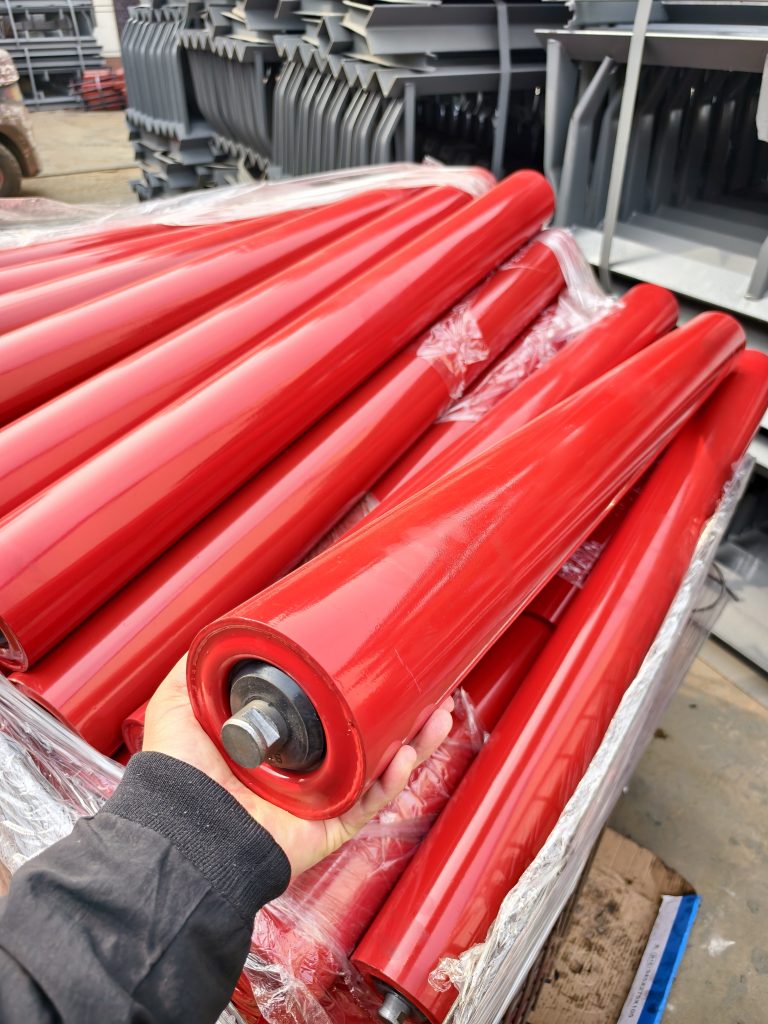
A tapered idler is a conveyor roller whose shell diameter changes from one end to the other, forming a gentle cone rather than a straight cylinder. On a belt conveyor, this shape is most often used to steer the belt back toward the center of the carrying run. The tapered idler roller may be installed as part of a training set, where two conical rollers face each other, or it may appear in a transition zone where the belt changes from flat to troughed. The same product is also called a conical idler in many workshops, and the two names describe the same component.
How the Tapered Shape Works
The working principle is simple. When a conveyor belt drifts to one side, it contacts the tapered section of the idler. Because the diameter is larger on one end, the surface speed at that end is slightly higher, and the belt is gently guided back to the center line. This correction happens without sharp edges or sudden side forces. A tapered idler is not the same as a drive pulley, tail pulley, or bend pulley. Those are pulleys that transmit motion or change belt direction, while a tapered idler is a free-rotating roller that supports and aligns the belt.
Construction Details
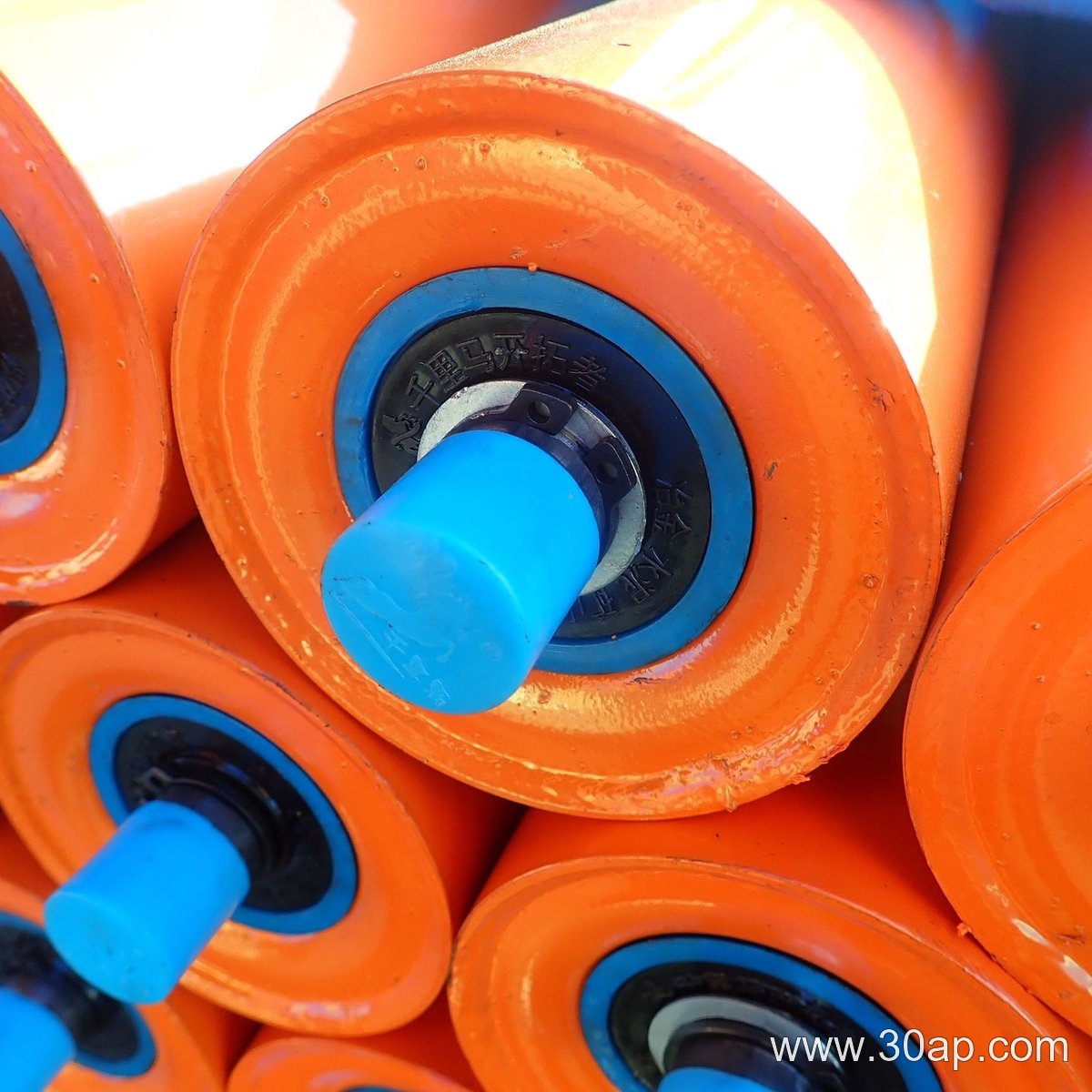
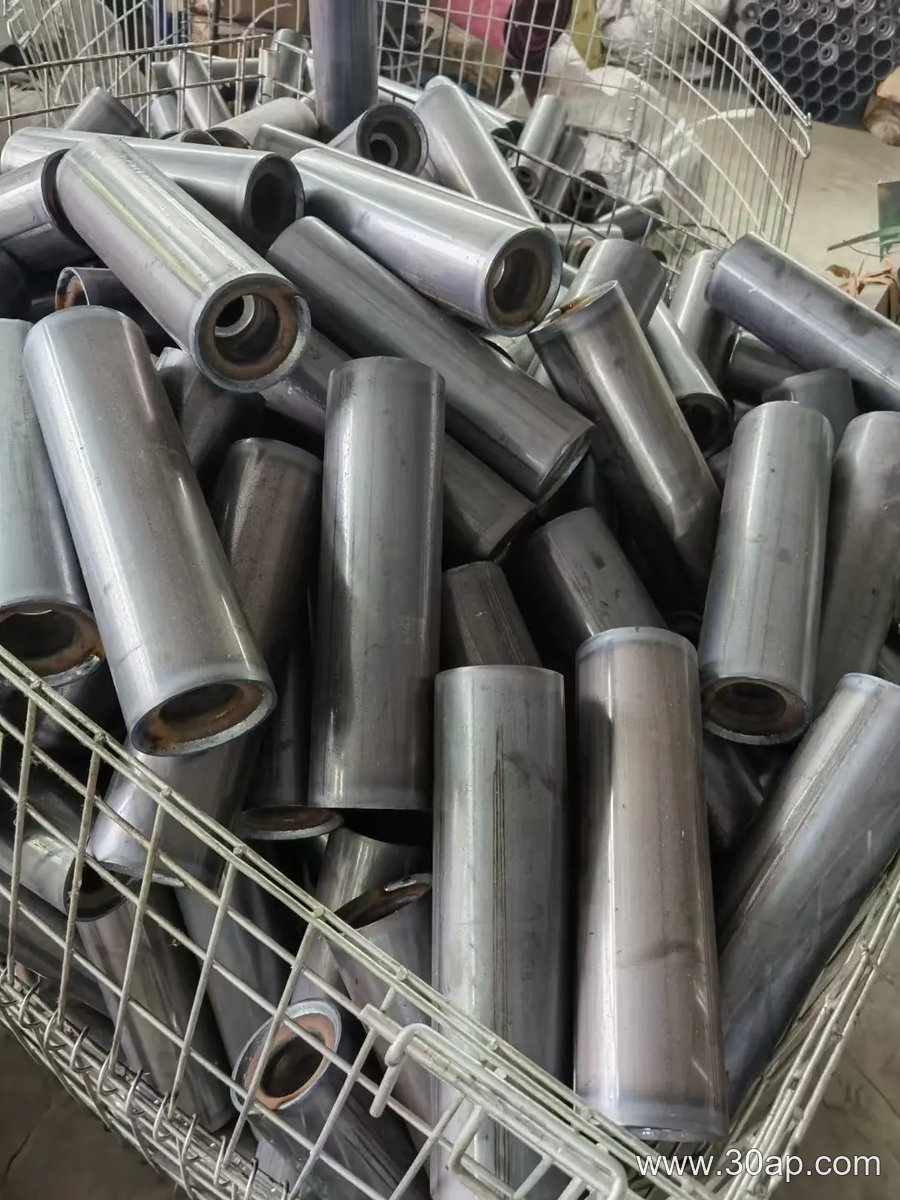
A typical tapered idler consists of a conical steel shell, a shaft, bearing housings, and seals. The shell may be made of steel tube, and the surface can be plain, rubber-covered, or fitted with ceramic tiles for extra grip or wear resistance. Common roller diameters for standard cylindrical idlers include 63 mm, 76 mm, 89 mm, 102 mm, 108 mm, 127 mm, 133 mm, 159 mm, and larger sizes, but a tapered idler will have a diameter that changes along its length. The small end and the large end are both defined by the design, not by a single fixed number.
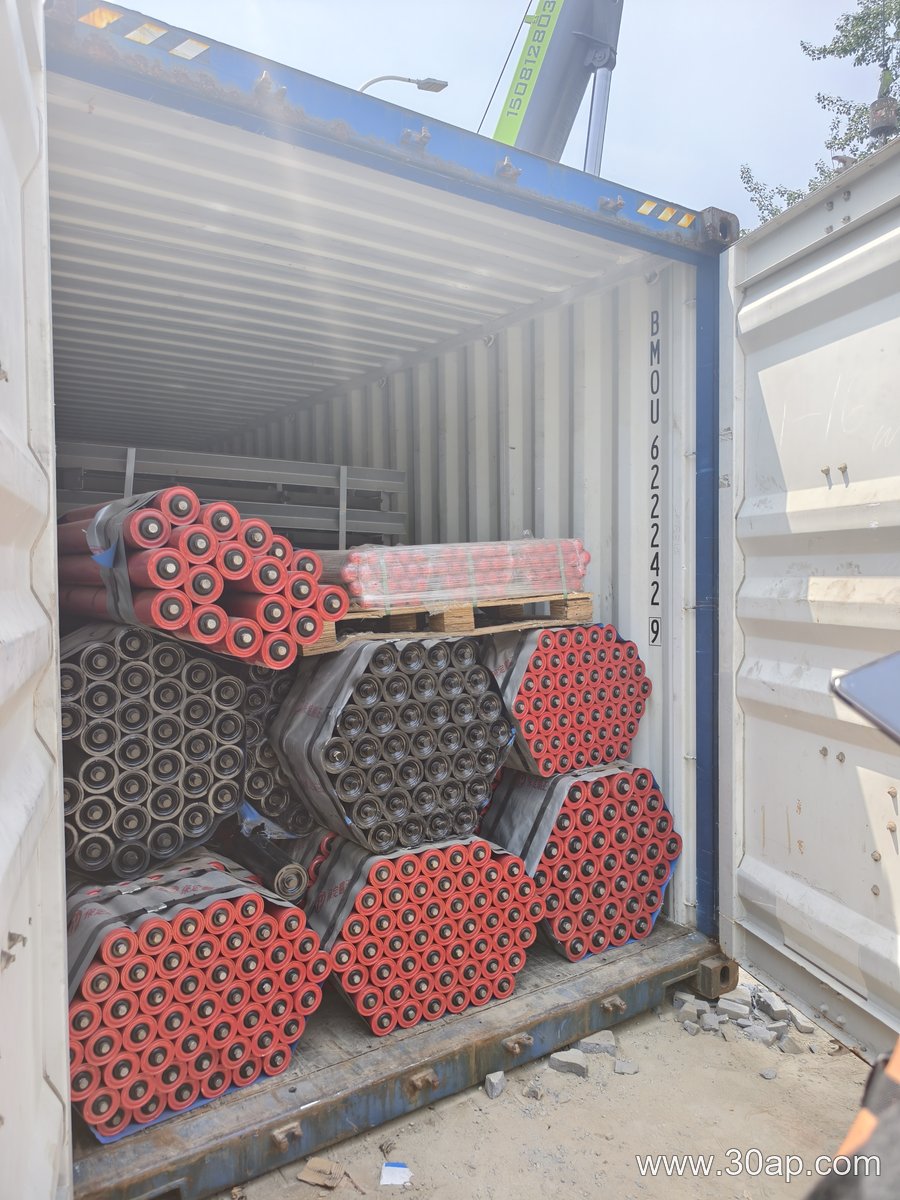
Bearings are selected according to load, speed, and environment. Common bearing sizes such as 6204, 6205, 6305, 6306, 6308, and 6310 appear in many roller designs, but no bearing size is tied to one specific roller diameter or belt width. Sealing is critical in dusty or wet conditions, so many tapered idlers use labyrinth seals, contact seals, or a combination of both. The shaft may be machined with flats or a threaded end to fit a conveyor bracket. The bracket itself must match the shaft and the mounting hole pattern on the conveyor frame.
Where Tapered Idlers Are Used
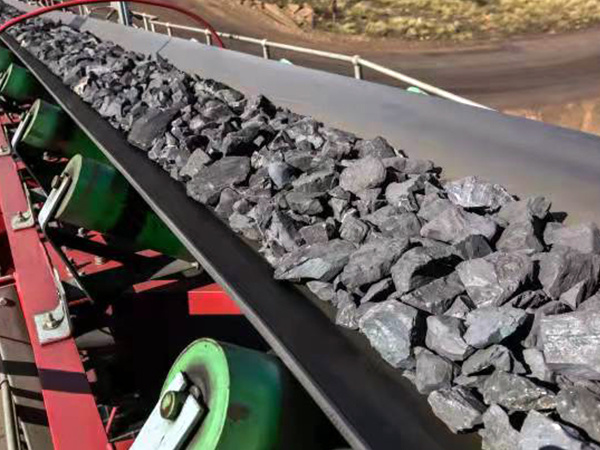
Training idlers with a tapered profile are common in aggregate handling, such as a sand and gravel line or a crushing and screening plant, where the belt can wander because of uneven loading. They also appear in coal handling at a power plant and in a limestone quarry. In these locations, the belt is often exposed to dust, moisture, and varying load, so a tapered idler helps keep the conveyor belt centered without constant manual adjustment.
Another application is the transition zone near a conveyor pulley. As the belt leaves a flat pulley and enters a troughed section, the edges can lift or buckle. A tapered idler placed in this area can support the belt gradually. This is different from a bend pulley, which changes the belt path, or a tail pulley, which returns the belt. The tapered idler only supports and guides.
Selection Points for Buyers
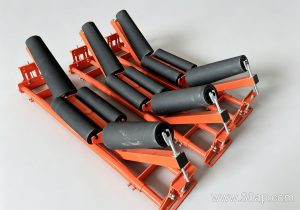
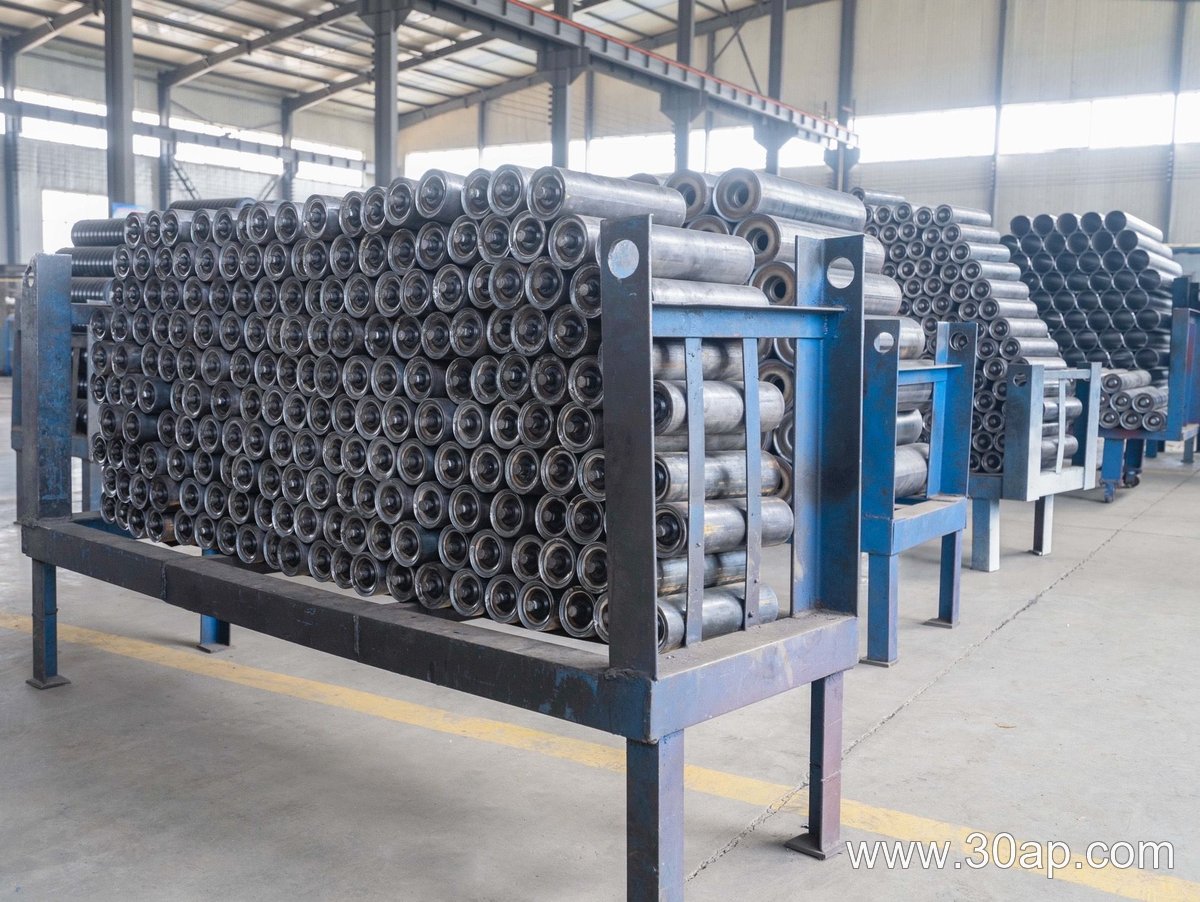
When choosing a tapered idler, the buyer should first confirm the belt width and the trough angle. Belt widths such as B500, B650, B800, B1000, B1200, B1400, B1600, B1800, and B2000 are common in conveyor systems, but the roller length is not fixed by belt width alone. For a three-roll troughing set, the side roller length often differs from the center roller, and a tapered idler may be used as a side roller or as a separate training roller. Typical trough angles are 20, 30, 35, and 45 degrees.
Other points to check include:
- Shaft diameter and mounting style, which must match the conveyor bracket.
- Bearing type and seal class for the site conditions.
- Shell material and surface form, such as steel, rubber ring, or ceramic.
- Whether the idler is for training, transition, or impact service.
A tapered idler is not a replacement for a drive pulley, tail pulley, or bend pulley. It is a specialized roller for belt alignment and support. If the belt is mistracking because of a misaligned frame or a seized roller, a tapered idler may help, but the root cause should be corrected first. For harsh impact zones, a rubber-disc impact idler may be a better fit, while a tapered idler remains the right choice for gradual steering. Buyers should ask for the actual drawing and confirm the small-end and large-end diameters, the overall length, and the shaft details before ordering.
In short, a tapered idler is a simple but effective component for keeping a conveyor belt on track. Its conical shell, bearing selection, and seal design determine how well it performs in a given plant. Matching it to the belt width, trough angle, and bracket is the practical path to reliable operation.