What Is a Lower Return Idler?
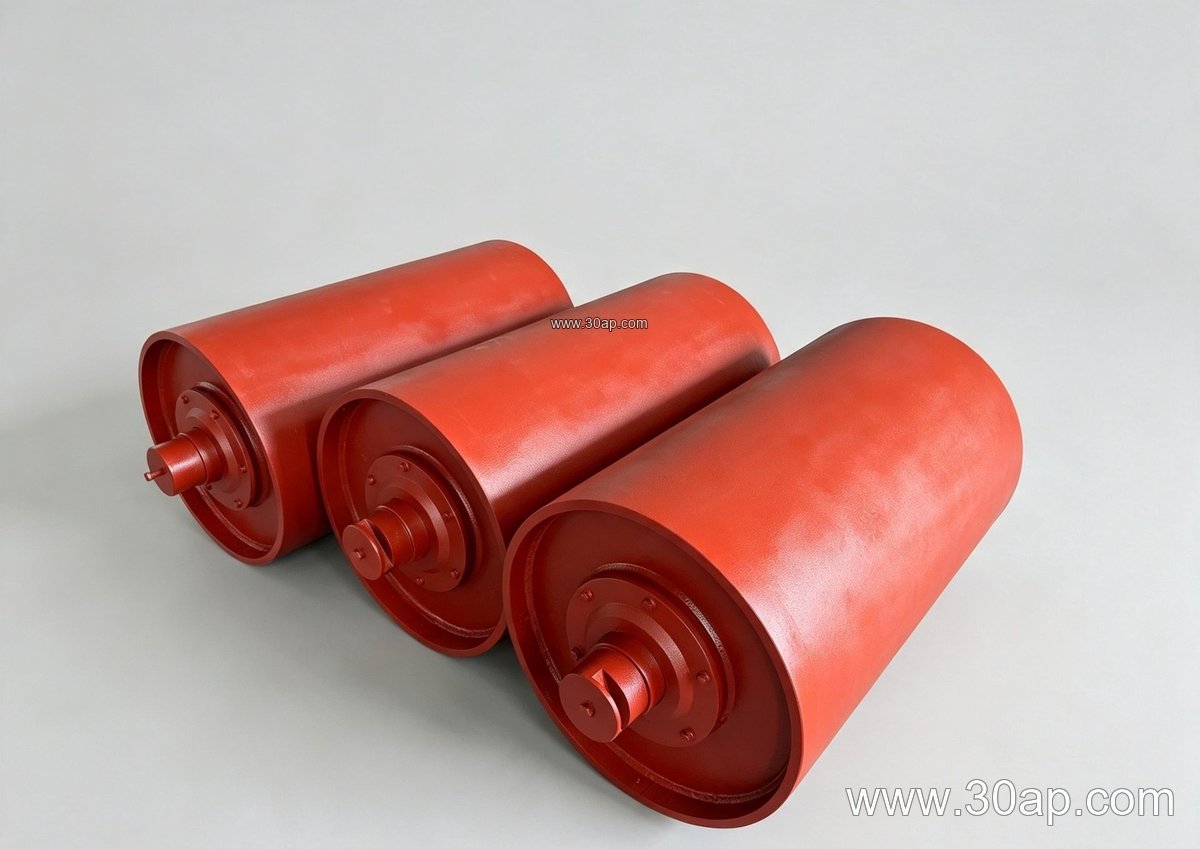
A lower return idler is the roller that supports the empty, return side of a conveyor belt. After the belt discharges its load at the head pulley, it travels back underneath the conveyor structure. The lower return idler carries that slack side, keeping the belt aligned and preventing sag. In many plants, these idlers are simply called return rollers or bottom rollers, but they perform a specific job distinct from the carrying idlers on top. Without them, the belt would drag, wear quickly, and put extra load on the drive pulley and tail pulley.
The term “lower return idler” is sometimes shortened to return idler or bottom idler. It should not be confused with a bend pulley, which is a pulley that changes belt direction, nor with a drive pulley or tail pulley. Those are pulleys, not idlers. A lower return idler rotates freely on its shaft and does not transmit power.
Construction and Common Configurations
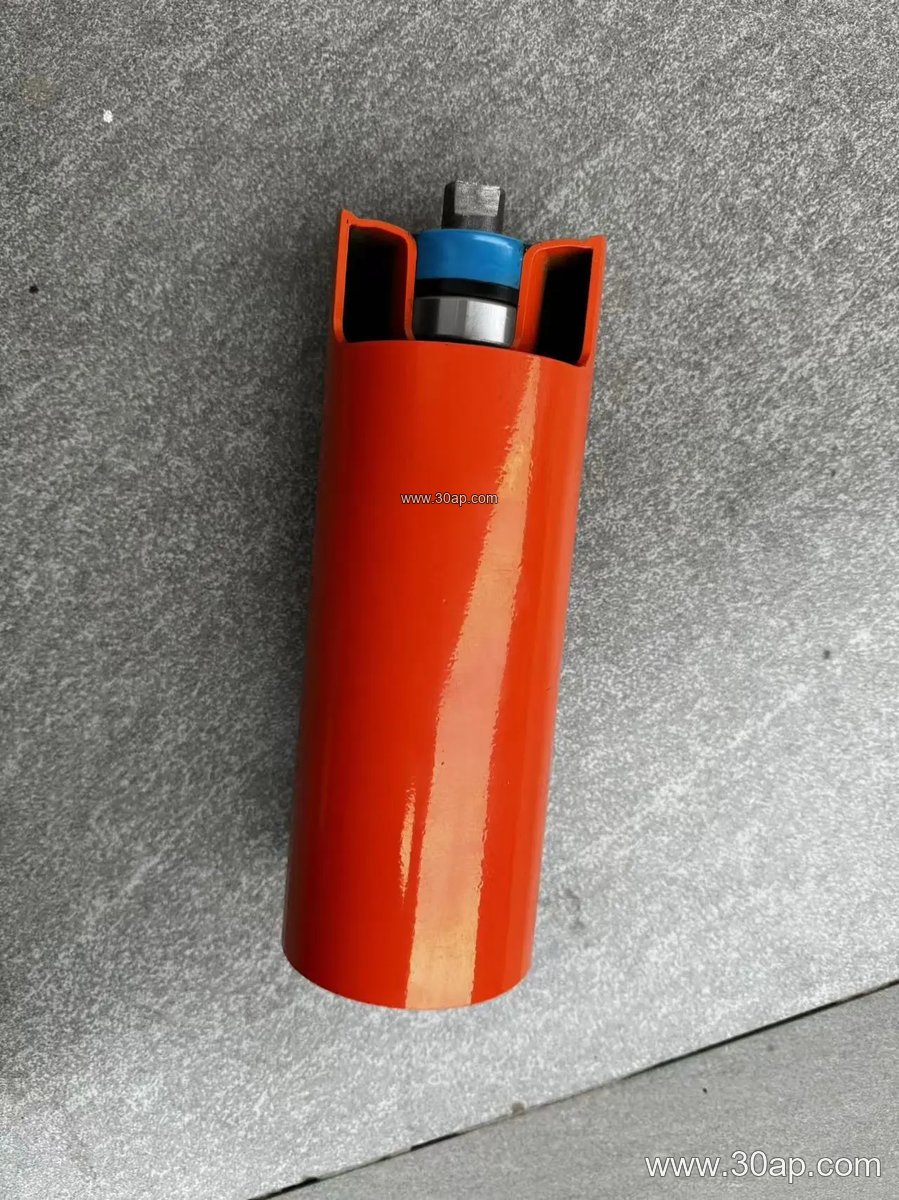
A typical lower return idler consists of a steel tube shell, a shaft, bearing housings, and seals. The shell may be plain steel, or it may have a rubber or ceramic surface for extra grip or wear resistance. Bearings are usually deep-groove ball bearings in sizes such as 6204, 6205, 6305, 6306, 6308, or 6310, selected according to load and speed. The roller length depends on belt width and the type of return idler group. For example, a flat return idler for a B800 belt often has a roller length around 315 mm, while a B1200 belt may use a roller closer to 465 mm. These are common examples, not fixed rules.
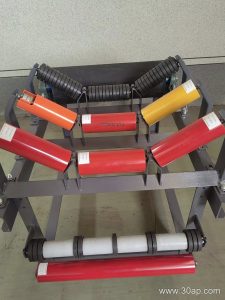
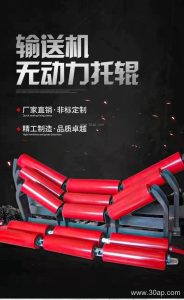
Return idlers come in several forms. A flat return idler has a single straight roller. A V-return idler uses two rollers set in a V shape to help center the belt. A spiral return idler has a helical wrap that sheds sticky material. Rubber-disc return idlers use rubber rings to reduce build-up and noise. Each form suits different conditions, and the choice should match the conveyor design and the material being carried.
Where Lower Return Idlers Are Used
These idlers appear in almost every belt conveyor system. In a quarry or aggregate plant, they support the return side of a conveyor belt moving crushed stone. In a coal mining operation or power plant coal yard, they keep the belt tracking under the structure. Cement plants use them on clinker and raw material conveyors. Port facilities and ship loading systems rely on them for long overland belts. Even a small concrete mixing plant may have a short conveyor with a few lower return idlers.
The working environment matters. In a sand and gravel line, dust and fines can pack around the roller. In an iron ore or copper ore operation, abrasive dust increases shell wear. In a fertilizer or grain facility, corrosion or material build-up may be a concern. The lower return idler is often exposed to the dirtiest side of the belt, so seals and surface finish deserve attention.
Matching Idlers to Belt and Conveyor Design
Buyers should know the belt width, the return idler type, the roller diameter, and the bearing size. Common roller diameters include Ø63, Ø76, Ø89, Ø102, Ø108, Ø127, Ø133, Ø159, Ø178, Ø194, and Ø219 mm. Belt widths range from B400 to B2400 in standard series. A lower return idler for a 1000mm wide conveyor belt will not be the same length as one for a 650mm belt. The table below gives common reference examples for flat return idlers; actual roller length and shaft size are determined by the conveyor designer.
| Belt Width | Common Roller Length (flat return) | Typical Roller Diameter |
|---|---|---|
| B500 | 200 mm | Ø63–Ø89 mm |
| B650 | 250 mm | Ø76–Ø108 mm |
| B800 | 315 mm | Ø89–Ø133 mm |
| B1000 | 380 mm | Ø102–Ø159 mm |
| B1200 | 465 mm | Ø108–Ø159 mm |
| B1400 | 530 mm | Ø127–Ø178 mm |
| B1600 | 600 mm | Ø133–Ø194 mm |
| B1800 | 670 mm | Ø159–Ø219 mm |
| B2000 | 750 mm | Ø159–Ø219 mm |
Do not assume that one belt width locks you into one pulley diameter or one shaft size. The return idler must fit the bracket and the belt path. A conveyor bracket or frame that is too narrow or too wide will cause misalignment. Also check the gap between the return idler and the belt to avoid pinching or rubbing.
Selection and Maintenance Notes
Choose the return idler type based on the belt and the material. For a sticky bulk material conveyor belt, a spiral or rubber-disc return idler may reduce build-up. For a high-abrasion application such as a crusher conveyor belt, a thicker shell or a wear-resistant surface can extend service life. In cold climates, check that the bearing grease and seals suit low temperatures. In coal mining, flame retardant and anti-static properties are usually specified for the belt, and the idler should be compatible with that environment.
Maintenance is straightforward but important. Listen for squealing bearings, look for a wobbling roller, and check for material wrapped around the shaft. A stuck lower return idler can wear a flat spot into the belt and increase power draw. Replace damaged rollers promptly and keep the return side clean. When ordering, provide the belt width, the existing roller diameter, the mounting dimensions, and the idler type. If the conveyor uses a steel cord conveyor belt or a heavy-duty mining conveyor belt, mention the belt tension and speed so the idler load rating can be checked.
For more information on conveyor components, visit conveyoridler.com or check our guide on idler roller selection. Related equipment such as the conveyor pulley and conveyor bracket should be reviewed together with the lower return idler to ensure a smooth, reliable belt path.