What Is a Guide Idler Bracket?
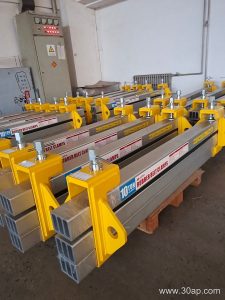
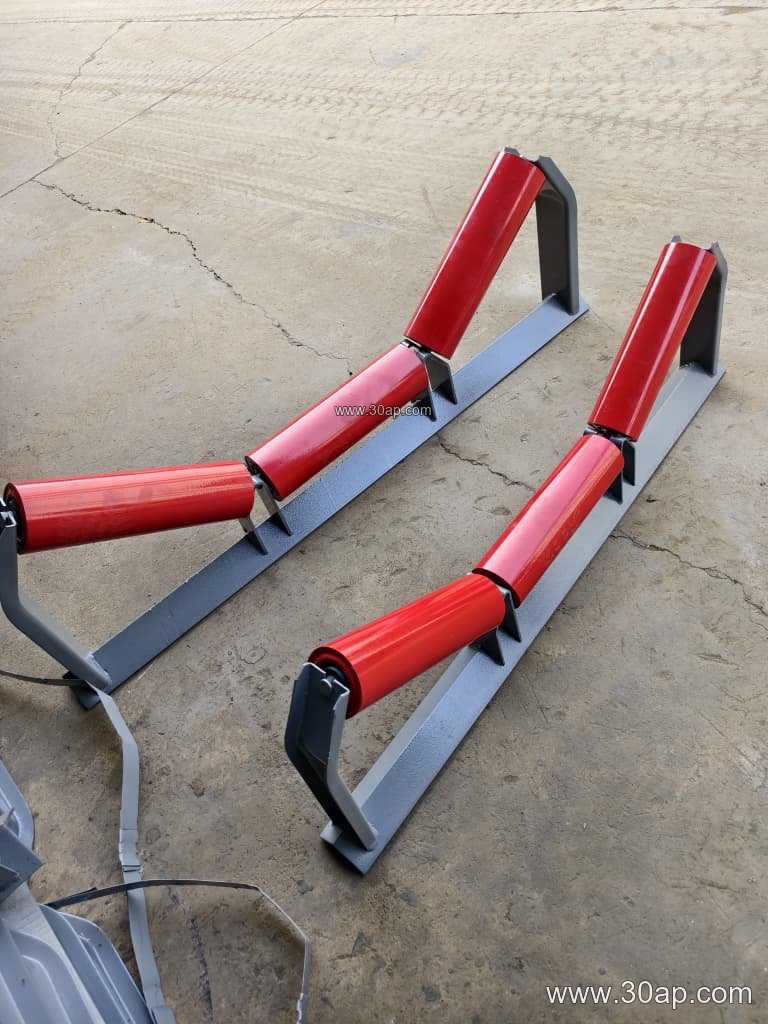
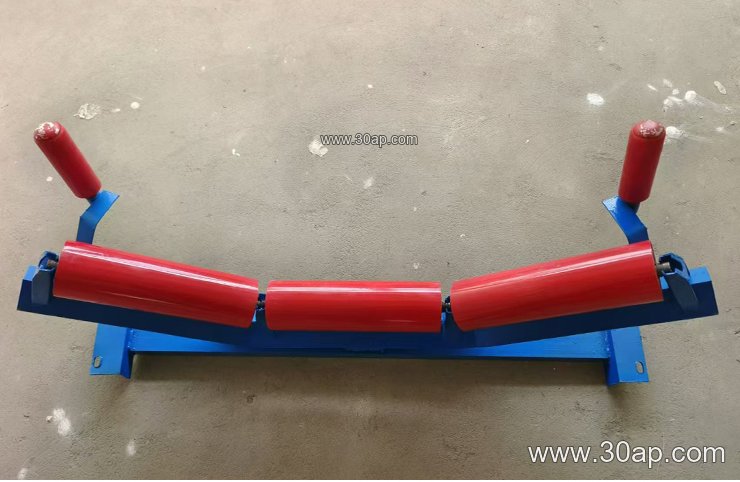
A guide idler bracket is a specialized mounting component used to position and secure guide idlers on a conveyor system. Unlike standard idler brackets that simply support the belt, this bracket is designed to hold idlers that actively steer or train the conveyor belt, helping to prevent misalignment and keep the belt centered on its path. In industries such as mining, coal preparation, cement plants, and power station coal handling, where long conveyors and heavy loads are common, proper belt tracking is critical to reduce spillage and extend belt life.
Sometimes called a belt guide bracket or training idler bracket, this component is distinct from other support brackets like troughing brackets or return brackets. It is specifically associated with guide idlers, which may be vertical or angled rollers that contact the belt edge to correct its course.
Construction and Design
Guide idler brackets are typically fabricated from structural steel—angle iron, channel steel, or folded steel plate—to withstand the forces exerted during belt training. The design often includes slotted holes or adjustable features to allow fine-tuning of the idler position. This adjustability is important because belt tracking requirements vary with load conditions, belt speed, and conveyor geometry.
Common material choices include carbon steel with painted or galvanized finish for corrosion resistance. The bracket must be robust enough to handle the vibration and impact present in demanding environments such as quarries, iron ore mines, or crushing and screening plants.
Where Guide Idler Brackets Are Used
These brackets are found at strategic points along a conveyor where belt misalignment is likely: near the head pulley, tail pulley, and at transitions between flat and troughed sections. They are also used on long overland conveyors in ports, steel mills, and fertilizer plants, where even slight misalignment can cause significant belt edge damage.
In coal mines and power plants, guide idler brackets help maintain belt alignment through loading points and curves. In sand and gravel operations, they combat the effects of uneven loading and abrasive materials. The bracket works in conjunction with the conveyor belt, idler roller, and conveyor pulley to ensure smooth operation.
Key Specifications and Selection Considerations
When selecting a guide idler bracket, several parameters must be matched to the conveyor design. The bracket must accommodate the belt width, the idler roller diameter, and the required mounting hole spacing. Common belt widths range from B500 to B2200, and idler diameters from Ø89 to Ø194. The bracket’s dimensions—such as crossbeam length and hole centers—are determined by these factors and should be specified by the conveyor designer.
Below is a reference table of typical combinations; actual values depend on the application and are not universal:
| Belt Width (B) | Idler Diameter (Ø) | Common Trough Angle |
|---|---|---|
| B500 | Ø89 | 20°–30° |
| B650 | Ø89–Ø108 | 30°–35° |
| B800 | Ø108–Ø133 | 30°–35° |
| B1000 | Ø108–Ø159 | 35°–45° |
| B1200 | Ø133–Ø159 | 35°–45° |
| B1400 | Ø133–Ø194 | 35°–45° |
| B1600 | Ø159–Ø194 | 35°–45° |
Note that a given belt width can be paired with different idler diameters and trough angles; there is no fixed one-to-one relationship. Adjustable brackets allow the trough angle to be set within a range, such as 20° to 45°, to optimize belt training. For comparison, a standard troughing bracket holds the belt in a fixed trough shape, while a guide idler bracket is focused on alignment and may be used in addition to troughing brackets.
Installation and Maintenance Tips
- Mount the bracket squarely to the conveyor frame to ensure the guide idler contacts the belt correctly.
- Use the adjustable slots to fine-tune idler position after initial installation, checking belt tracking under load.
- Inspect periodically for wear, loose bolts, or corrosion, especially in wet or abrasive environments like wash plants or fertilizer handling.
- Replace brackets that show significant deformation or cracking to avoid belt damage.
Properly selected and maintained guide idler brackets contribute to reliable conveyor operation, reducing downtime and maintenance costs in demanding industrial settings.