What an Acid Resistant Conveyor Belt Is
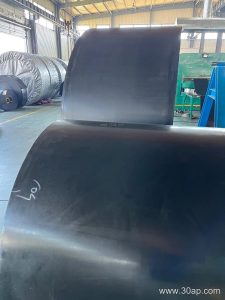
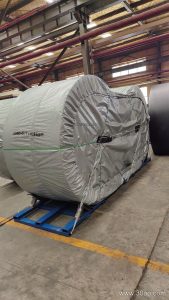
An acid resistant conveyor belt is a rubber conveyor belt built to carry materials that would attack ordinary cover compounds. In fertilizer plants, chemical warehouses, mineral processing lines and some coal preparation circuits, the load can be acidic, damp and abrasive at the same time. A standard belt may swell, crack or lose its cover within a short service period, while a belt formulated for acid exposure is intended to hold its properties longer. The same construction is often described as a chemical resistant conveyor belt when the duty covers both acids and alkalis.
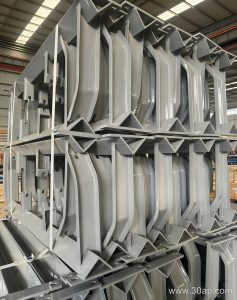
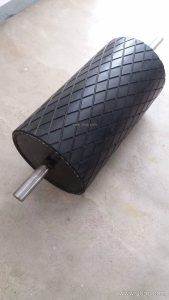
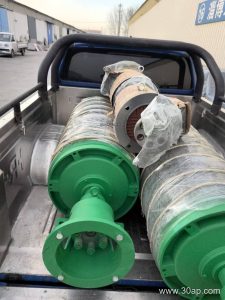
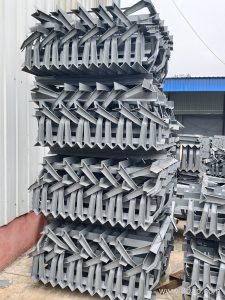
The product is still a fabric-reinforced rubber belt. It is not a separate machine and it does not replace the conveyor pulley, idler roller or conveyor bracket around it. It simply changes the rubber compound and, where needed, the carcass protection so the belt survives the chemical environment.
How the Belt Is Built
The core is usually a multi-ply fabric construction. EP conveyor belt carcasses (polyester warp, nylon weft) and NN conveyor belt carcasses (nylon warp and weft) are common choices because they combine strength with good flex life. A multi-ply fabric core conveyor belt can be built with 2 to 6 plies depending on the required tension rating. Heavier duties, such as long overland runs in a mining or ore handling circuit, may call for a steel cord conveyor belt instead, but the acid protection then depends mainly on the cover compound and the bond between cover and core.
The acid resistant cover is compounded with polymers and fillers chosen to resist swelling and chemical attack. Cover thickness is normally specified as top plus bottom, for example 4+2 mm, 5+2 mm or 6+2 mm. Edge protection matters as well, because exposed fabric at the cut edge is the first place corrosive material can wick in. Buyers should confirm whether edges are sealed or whether the belt is supplied with moulded edges.
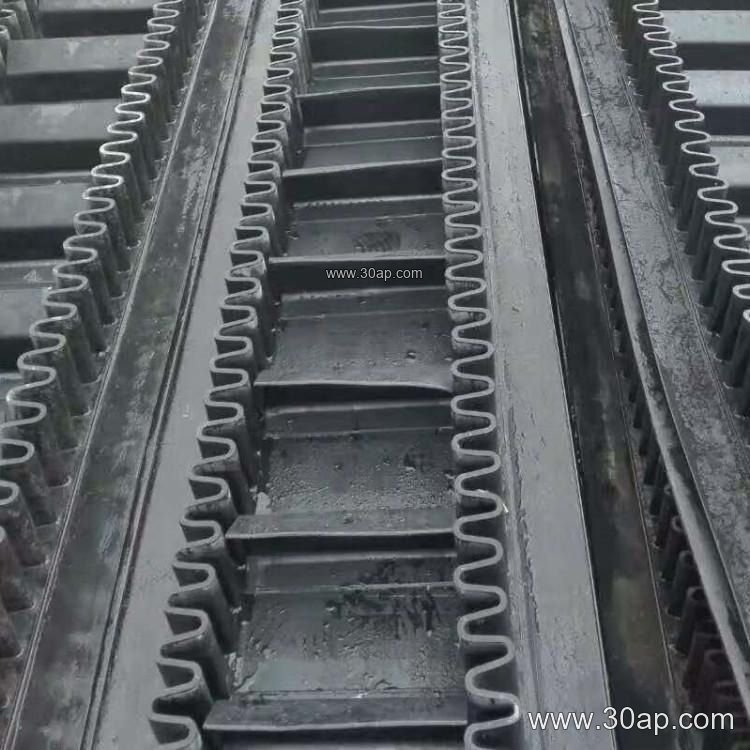
Typical Duty Conditions
Acid exposure rarely comes alone. A belt in a phosphate or fertilizer handling line may also see abrasion, moisture and occasional oil. That is why selection often balances several properties. A high abrasion resistant conveyor belt may be preferred on the dry, gritty sections, while the acid resistant grade is used where the corrosive contact is concentrated. In coal preparation and underground coal mining conveyor belt service, flame retardant conveyor belt requirements may take priority, and the acid resistance is added within that framework. Heat resistant conveyor belt compounds are a different family and should not be assumed to cover acid duty.
Where the load is hot as well as corrosive, the two requirements should be stated separately to the supplier. The same applies in cold climates, where a cold resistant conveyor belt compound may be needed alongside chemical protection.
Where It Is Used
- Fertilizer and chemical plants handling damp, acidic granules or slurries
- Mineral processing and ore conveyor lines with acidic process water
- Coal preparation plants where wash water is corrosive
- Effluent and sludge handling in power plant and cement plant sites
- Port and ship loading systems transferring treated bulk material
- Recycling and waste sorting lines with mixed chemical exposure
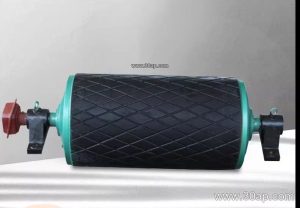
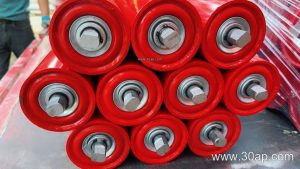
In these plants the belt works with conveyor pulleys at the drive, tail and bend positions, supported by idler rollers and mounted on conveyor brackets. Drive, tail and bend pulleys are not interchangeable, and the belt’s tensile rating must be matched to the actual drive arrangement rather than to belt width alone.
Common Reference Specifications
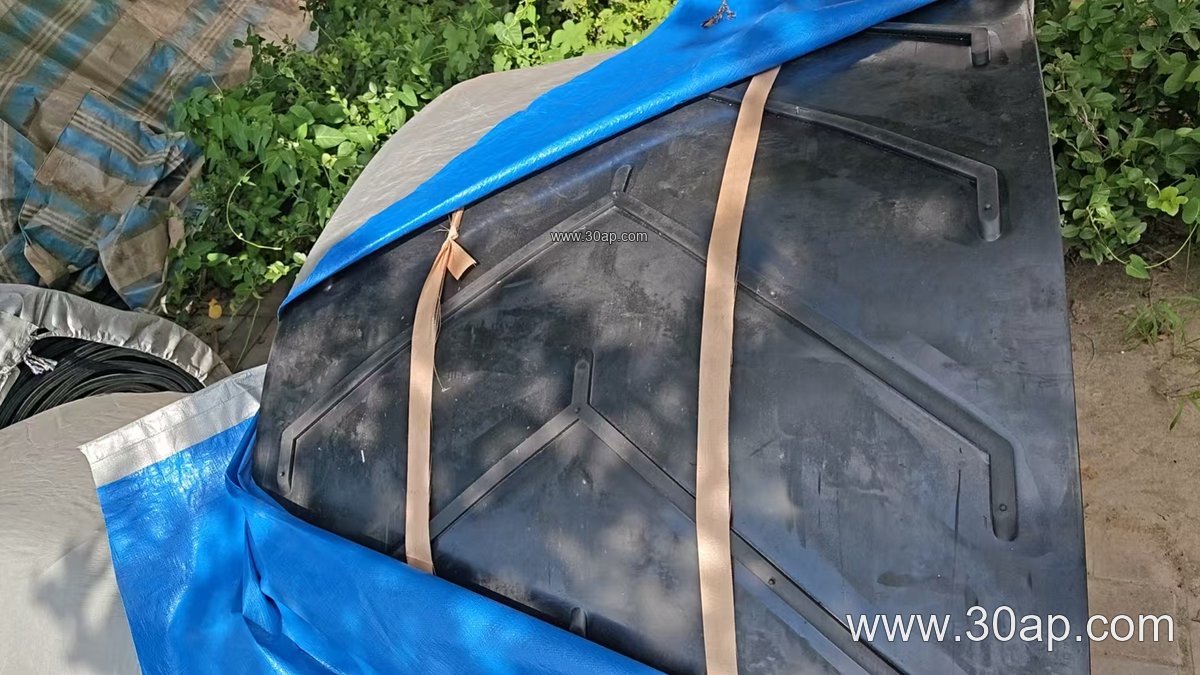
The values below are typical reference data. Actual supply depends on the manufacturer and on the engineering design of each conveyor.
| Item | Common reference values |
|---|---|
| Fabric carcass type | EP conveyor belt, NN conveyor belt, multi-ply fabric core |
| Strength grades (EP) | EP200, EP315, EP400, EP500, EP630, EP800, EP1000 |
| Belt width | B500, B650, B800, B1000, B1200, B1400, B1600 |
| Cover thickness | 3+1.5 mm, 4+2 mm, 5+2 mm, 6+2 mm |
| Ply count | 2 to 6 plies, by design |
Widths such as 800mm conveyor belt, 1000mm conveyor belt and 1200mm conveyor belt are common in chemical and mineral plants, but no single width is mandatory. The width follows the tonnage and lump size, not the other way round.
Selection and Maintenance Notes
Give the supplier a clear picture of the chemical: the substance, its concentration, its temperature and whether it is wet or dry. Acid resistance is not a single grade, and a compound that suits dilute acid may not suit a concentrated splash zone. Confirm the tensile grade against the calculated belt tension, and check that the pulley diameters suit the carcass flexibility. Keep the idler rollers turning freely, because a seized roller can wear through the cover and open a path for corrosive liquid. Regular inspection of edges, splices and cover thickness will usually reveal chemical attack before it reaches the carcass.
For an acid duty line, matching the belt to the real chemical environment is more useful than choosing the thickest cover available. A correctly specified acid resistant conveyor belt, paired with well-maintained pulleys and rollers, gives the longest practical service life in corrosive bulk handling.