What the bracket does on a mining conveyor
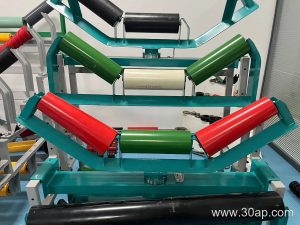
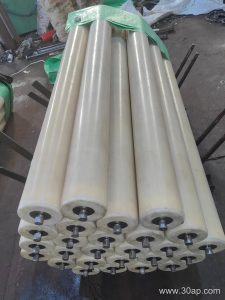
A mining conveyor bracket is the steel support that holds idler rollers at the correct height, angle and spacing along a conveyor frame. On a quarry conveyor belt or an underground coal mining conveyor belt, the bracket is the quiet link between the structure and the rotating parts. It carries the weight of the belt and the material, keeps the trough shape steady, and lets maintenance crews replace a worn idler roller without cutting the frame.
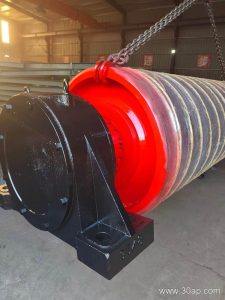
The same part is often called a conveyor idler bracket or roller support bracket. Those names describe the same product. A bend pulley or a tail pulley is a different component and cannot take over this function, so the bracket should be specified as its own item on the bill of materials.
How a typical bracket is built
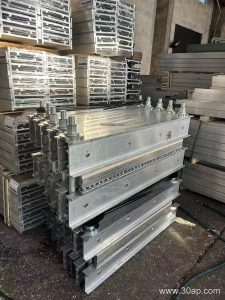
Most units are fabricated from angle steel, channel steel or folded steel plate, then drilled for mounting and finished with a coating suited to the site. Welded joints should be straight and square so the rollers sit parallel to the belt. A twisted bracket wears the belt edge and shortens roller life.
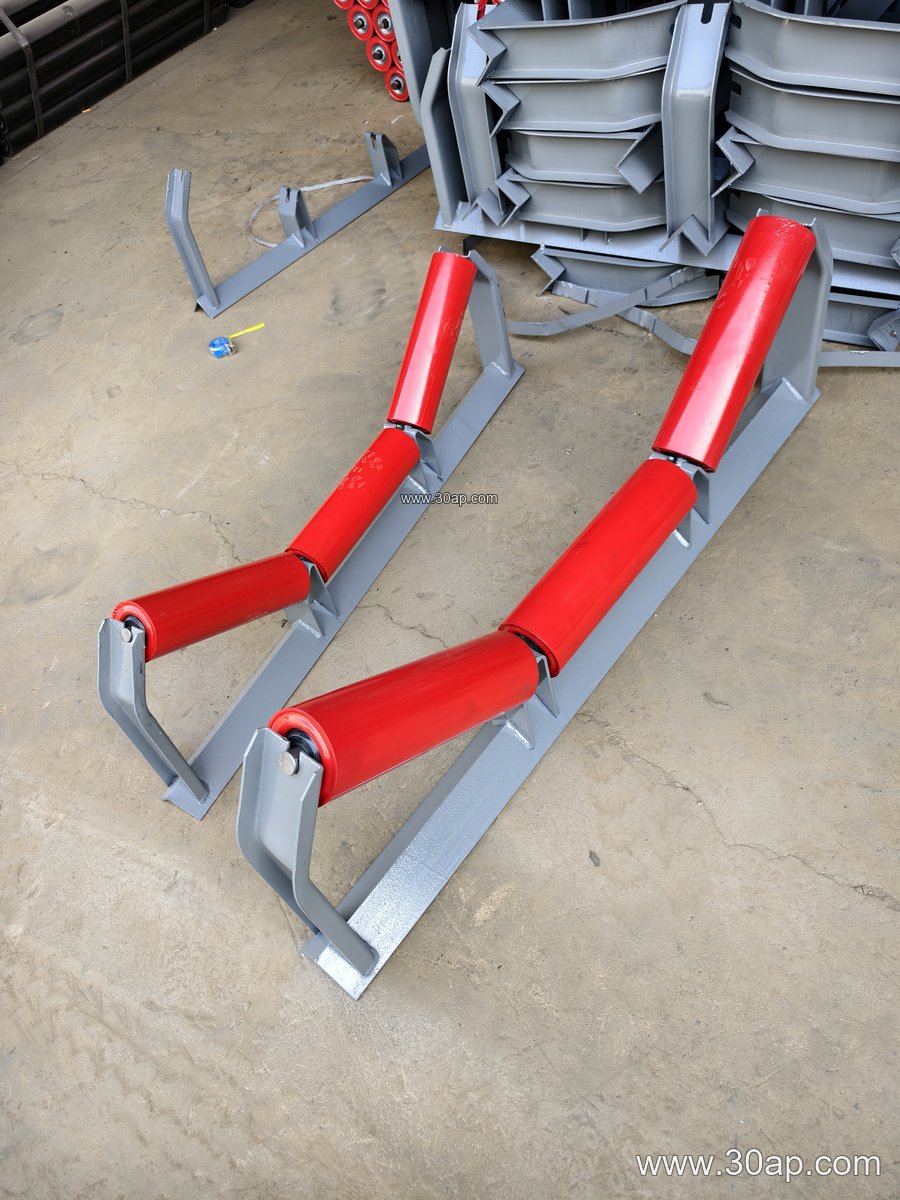
The bracket family covers several positions along the line. Troughing brackets support the carrying side, transition brackets ease the belt from flat to troughed, and return brackets hold the lower run. Impact brackets sit under loading points, while self-aligning brackets help correct belt drift. Adjustable brackets allow the trough angle to be changed on site, which is useful when the same frame serves different materials.
Common reference values
| Item | Typical range |
|---|---|
| Belt width | B500 to B2200 |
| Trough angle | 20, 30, 35 or 45 degrees |
| Roller diameter | Ø89, Ø108, Ø133, Ø159, Ø194 |
| Material | Angle steel, channel steel, folded plate |
These figures are reference data, not fixed pairings. A B800 frame may run at 35 degrees with Ø108 rollers, while a B1200 line at 45 degrees often uses Ø133 rollers. A B650 conveyor at 30 degrees with Ø89 rollers is also a normal arrangement. Hole spacing and beam length change with width and trough angle, so they are confirmed per design rather than assumed.
Where it is used
The bracket appears anywhere bulk material moves on a belt. In a coal preparation plant it supports the feed and transfer sections. In a cement plant it carries clinker and raw meal on long inclined runs. In a power plant coal yard it keeps the belt aligned through curves and loading points. In a crushing and screening line, impact brackets protect the belt under the crusher discharge.
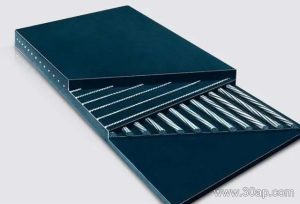
Heavy-duty mining conveyor brackets are also common in iron ore and copper ore handling, where abrasive dust and shock loads demand thicker steel and secure fasteners. The bracket must match the conveyor belt type in service. A steel cord conveyor belt and a multi-ply fabric core belt behave differently under load, and the roller spacing and bracket stiffness should reflect that.
Buying points that matter
- Confirm belt width, trough angle and roller diameter before ordering, and state the mounting hole pattern.
- Check the steel thickness and weld quality, especially for impact and transition positions.
- Ask whether the bracket is fixed or adjustable, since adjustable units cost more but simplify angle changes.
- Match the coating to the environment, from dry quarry dust to wet wash plant conditions.
- Keep spare brackets for the loading zone, where wear is fastest.
A well-chosen bracket keeps the idler roller turning freely and the belt tracking straight. On a mine or quarry site, that small steel part protects the conveyor belt, reduces downtime and keeps the material moving. For related components such as conveyor pulleys and conveyor brackets, buyers can compare options at www.beltconveyorparts.com before finalizing the frame design.