What a Sealed Idler Does
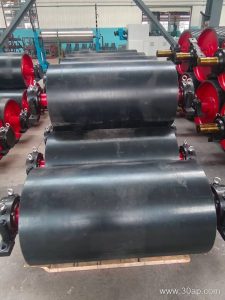
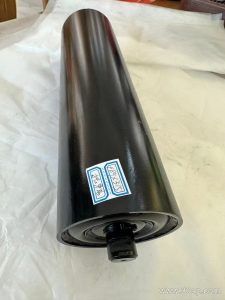
A sealed idler is a conveyor roller built with protective sealing at both bearing housings to keep dust, water, and fine particles away from the bearing cavity. In a conveyor belt system, the idler roller supports the belt and the material load while allowing the belt to travel with minimal resistance. The sealed design is especially valued in environments where airborne dust, moisture, or washdown would quickly ruin an unsealed bearing. For operators in coal mining, cement plants, and aggregate yards, a sealed idler often extends service intervals compared with a standard open-bearing roller.
Because the bearing is the heart of any idler, the sealing arrangement directly affects reliability. A well-made sealed idler typically uses a labyrinth seal combined with a contact lip seal, and sometimes a grease-filled chamber to block contaminants. This construction is not limited to one idler type; it can be applied to troughing idlers, return rollers, and impact rollers where extra protection is needed.
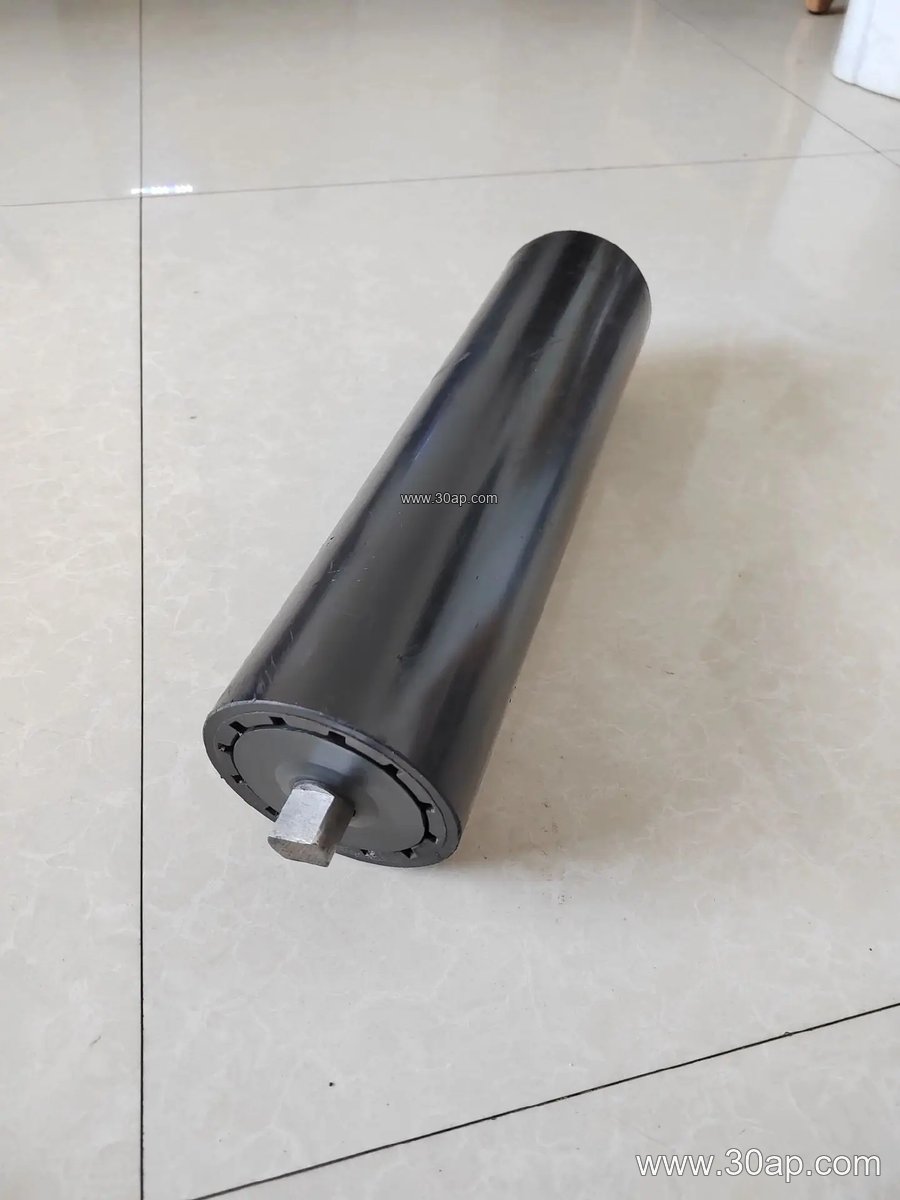
Construction and Sealing Details
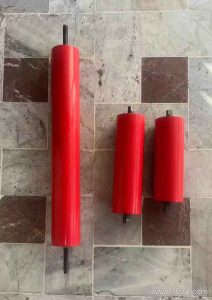
The typical sealed idler consists of a steel tube shell, a shaft, bearing housings, and seals at each end. The shell may be plain steel, or it may carry a rubber ring, nylon, or ceramic surface for specific duties. Bearings such as 6204, 6205, 6305, 6306, 6308, or 6310 are common, but the bearing size should be matched to the roller diameter and load, not chosen by belt width alone. Shaft diameter is determined by the idler design and the conveyor bracket, and it should never be guessed from belt width.
Sealing quality depends on the fit between the end cap, the seal, and the shaft. A multi-stage labyrinth path forces particles to change direction several times, while the lip seal provides a final barrier. Some sealed idlers include a grease nipple for relubrication, though many are designed as lifetime-sealed units. Buyers should confirm whether the idler is greasable or non-greasable, because maintenance practice differs.
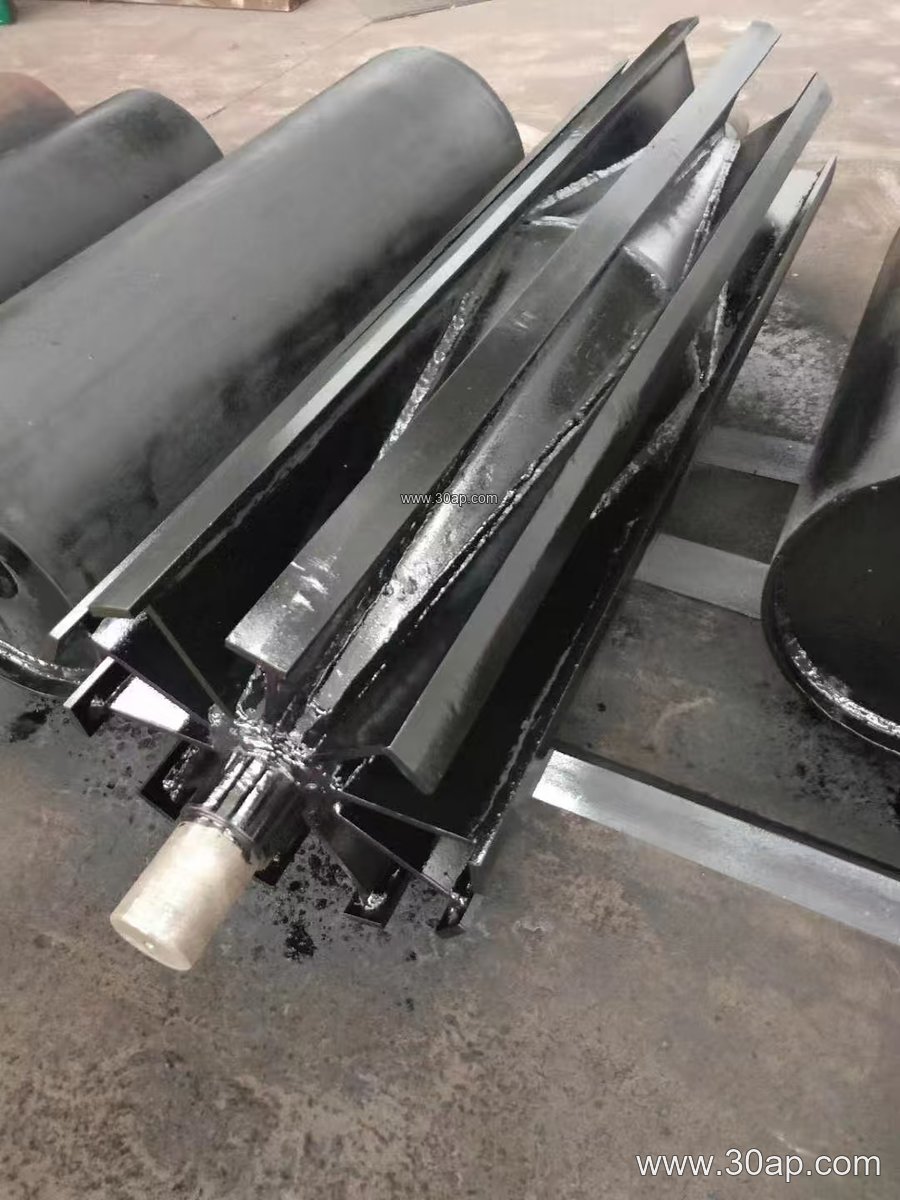
Where Sealed Idlers Fit on the Conveyor
Sealed idlers are used along the carrying side and the return side of a conveyor. On the carrying side, three-roll troughing sets with 20, 30, 35, or 45 degree trough angles are common; the sealed bearings help in dusty transfer points and in plants with high humidity. On the return side, flat or V-return rollers with sealed bearings reduce the risk of seizing when fines build up. In a coal mining conveyor or a cement plant, the difference between a sealed idler and a standard idler often shows up in bearing life and belt alignment.
They are also found in power plant coal handling, limestone quarries, iron ore and copper ore operations, and sand and gravel lines. In these sites, the conveyor belt may be an EP conveyor belt, a steel cord conveyor belt, or a flame retardant conveyor belt, but the idler selection still follows load, speed, and environment. A sealed idler does not replace a drive pulley, tail pulley, or bend pulley; those are separate components with different functions.
Common Sizes and Configuration Notes
Sealed idlers are available in many roller diameters and belt width combinations. The table below shows common reference values, not fixed matches. Roller length varies with belt width, trough angle, and idler set arrangement.
| Reference item | Common range or example |
|---|---|
| Roller diameter | Ø63, Ø76, Ø89, Ø102, Ø108, Ø127, Ø133, Ø159, Ø178, Ø194, Ø219 mm |
| Belt width | B400, B500, B650, B800, B1000, B1200, B1400, B1600, B1800, B2000, B2200, B2400 |
| Trough angle | 20°, 30°, 35°, 45° |
| Roller surface | Steel tube, nylon, ceramic, rubber ring |
| Bearing examples | 6204, 6205, 6305, 6306, 6308, 6310 |
For a three-roll troughing set, common roller lengths are about 200 mm for B500, 250 mm for B650, 315 mm for B800, 380 mm for B1000, 465 mm for B1200, 530 mm for B1400, 600 mm for B1600, 670 mm for B1800, and 750 mm for B2000. These are examples only; side rollers and center rollers can differ, and the final length is set by the conveyor design.
Buyer Checklist
- Confirm the idler type needed: troughing, return, impact, or training idler.
- Check the sealing method and whether the unit is relubricable.
- Match roller diameter and bearing to the actual load and belt speed.
- Verify shaft diameter and mounting with the conveyor bracket dimensions.
- Consider the environment: dust, water, heat, oil, or abrasive fines.
A sealed idler is a small component with a large effect on conveyor uptime. When specified correctly for the site conditions, it helps keep the belt running smoothly and reduces maintenance attention on the idler roller set.