What a Cast-Welded Pulley Is
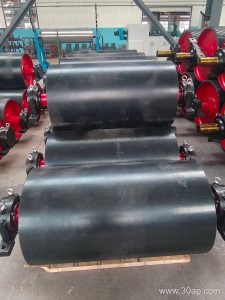
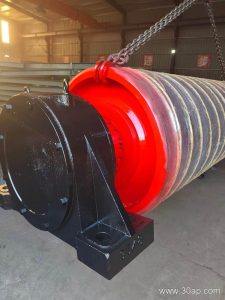
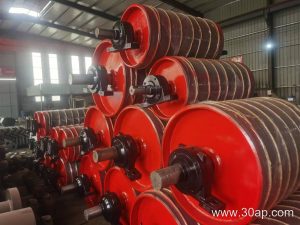
A cast-welded pulley is a conveyor pulley built by combining a cast iron or cast steel hub and end disc assembly with a welded steel shell. This hybrid construction is common in bulk material handling, where the pulley must transmit torque, support belt tension, and resist wear without excessive weight. The cast components provide accurate bearing fits and robust hub-to-shaft connections, while the welded shell allows flexibility in diameter and face width. In many plants, this type of pulley serves as a drive pulley, tail pulley, or bend pulley, depending on where the conveyor line needs direction change or power transmission. It should not be confused with a drive pulley, tail pulley, or bend pulley as if those names were interchangeable; each position has its own load profile and design priorities.
Construction Details
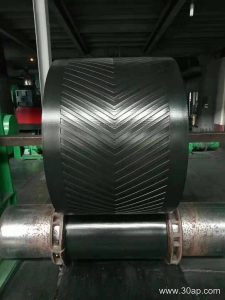
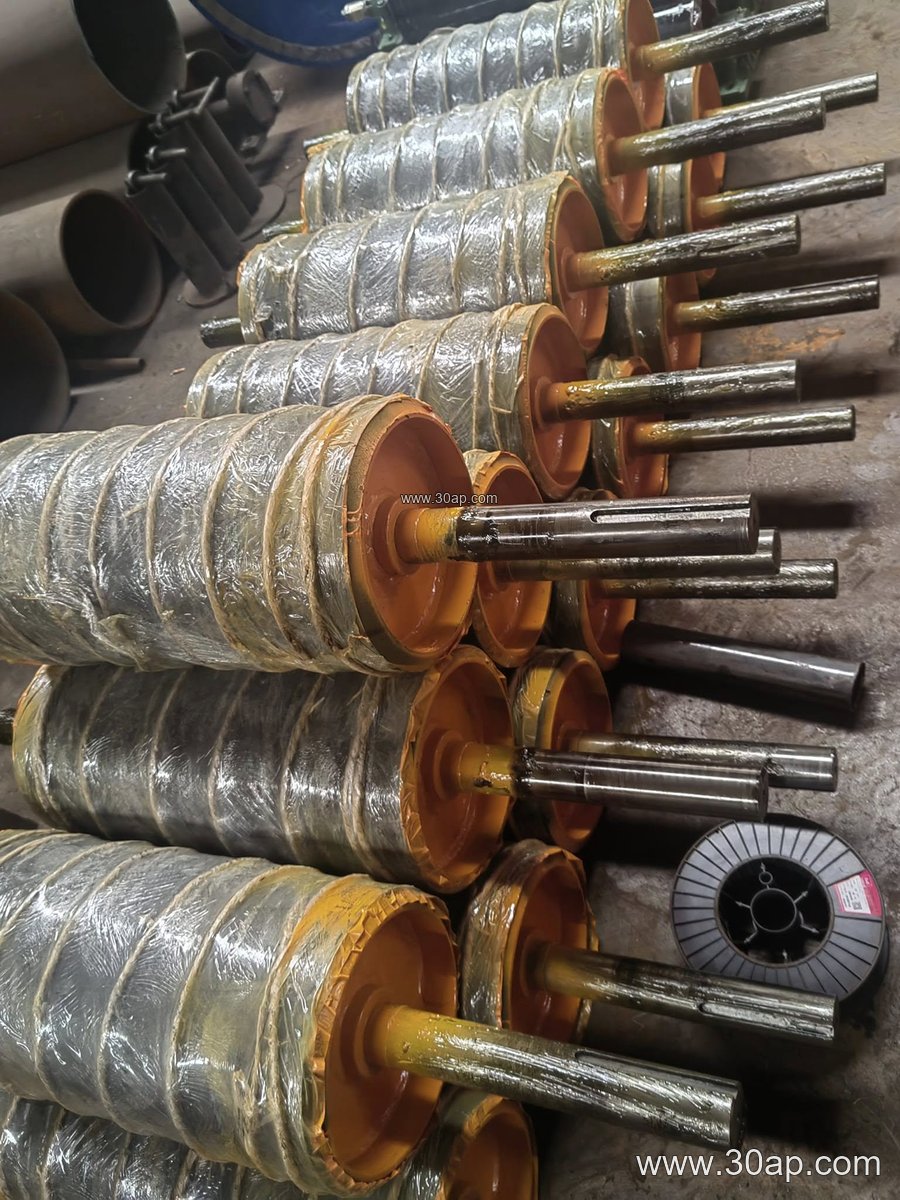
The typical cast-welded pulley consists of a rolled steel shell, two cast end discs, a cast or forged hub, and a shaft. The end discs are welded to the shell, and the hubs are keyed or shrink-fitted to the shaft. Surface options include plain finish, cast rubber, cold-bonded rubber, hot-vulcanized rubber, diamond grooving, herringbone grooving, ceramic lagging, and flat rubber sheet. Lagging thickness commonly ranges from 8 mm to 20 mm. The pulley face width is usually wider than the belt width to allow for belt tracking; for example, a B800 belt often runs on a pulley with roughly 950 mm face width, and a B1200 belt may use about 1400 mm face. Diameter and shaft size are determined by torque, belt tension, and bearing load, not by belt width alone. Common shaft diameters include Ø50, Ø60, Ø70, Ø80, Ø90, Ø100, Ø120, Ø140, Ø160, Ø180, and Ø200 mm, but final selection depends on the conveyor design.
Where It Fits in the Conveyor Line
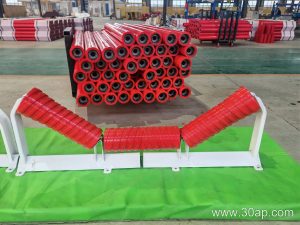
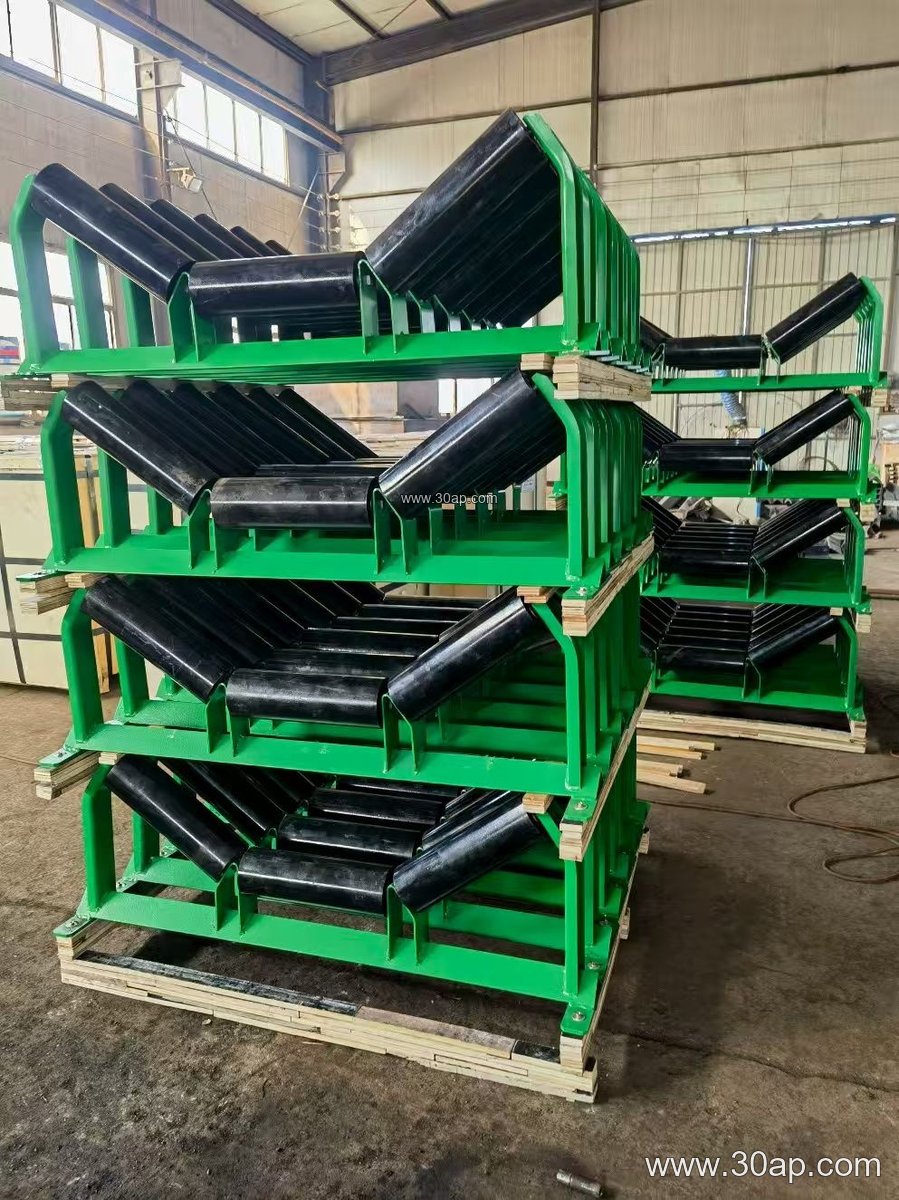
In a quarry or aggregate plant, a cast-welded pulley often appears at the head drive position, pulling an abrasion resistant conveyor belt loaded with crushed stone. At the tail, the same construction may be used as a tail pulley to guide the return belt and maintain tension. In a coal mining conveyor system, flame retardant conveyor belt and anti-static conveyor belt requirements may influence the lagging and surface choice, while the pulley itself must handle dusty, humid conditions. A cement plant typically uses these pulleys on clinker and raw material lines, where heat resistant conveyor belt or abrasion resistant conveyor belt may be running. In a power plant coal handling section, the pulley works alongside idler rollers and conveyor brackets to keep the belt aligned and moving. The cast-welded design is also found in port bulk terminals and steel plant sinter lines, where heavy-duty conveyor belt and steel cord conveyor belt demand robust pulley shells.
Surface and Lagging Selection
Lagging choice depends on the duty. Plain steel may be acceptable for light, clean duty, but drive pulleys usually need friction. Diamond grooving helps shed water and fine particles, while herringbone grooving can improve traction in one direction. Ceramic lagging is chosen for high-wear, high-traction applications, and rubber lagging is common for general bulk handling. For a conveyor moving oily materials, oil resistant conveyor belt may be used together with a suitable lagging that resists swelling. In cold climates, cold resistant conveyor belt may be paired with a pulley surface that maintains grip at low temperature. The pulley surface should be matched to the belt cover, not selected in isolation.
Buyer Checklist
Before ordering a cast-welded pulley, confirm the belt width, pulley face width, diameter, shaft diameter, keyway, bearing type, and lagging specification. Check whether the pulley is for a drive, tail, bend, or take-up position, because load and traction requirements differ. Ask for the shell thickness, end disc material, welding standard, and dynamic balance grade if high speed is involved. Verify that the pulley will accept the planned conveyor belt tension and that the shaft fits the bearing housing and conveyor bracket. For a B1000 belt, a pulley face around 1150 mm is common, but the diameter and shaft size should follow the torque calculation. Similar logic applies to B1400 or B1600 belts; larger face widths do not automatically dictate a single shaft diameter. Finally, confirm the interface with the conveyor belt and the idler roller layout so that the pulley does not become a bottleneck in the material flow.
Maintenance and Long-Term Reliability
Cast-welded pulleys are repairable in many cases. Worn lagging can be replaced, and cracked welds can be inspected and reworked by qualified personnel. Regular checks should include lagging wear, shell runout, shaft alignment, bearing temperature, and keyway condition. In dusty environments such as a lime kiln feed line or a copper ore handling circuit, keep the pulley surface clean and monitor for material buildup that can cause belt misalignment. When the conveyor uses a pipe conveyor belt or a corrugated sidewall conveyor belt, the pulley geometry and surface must suit the belt profile, so review the belt manufacturer data before changing any pulley dimension. A well-specified cast-welded pulley will support the conveyor belt, idler roller, and bracket system as one coordinated unit.