What an NN Conveyor Belt Is
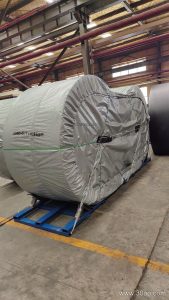
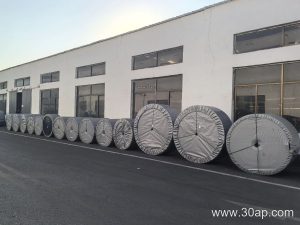
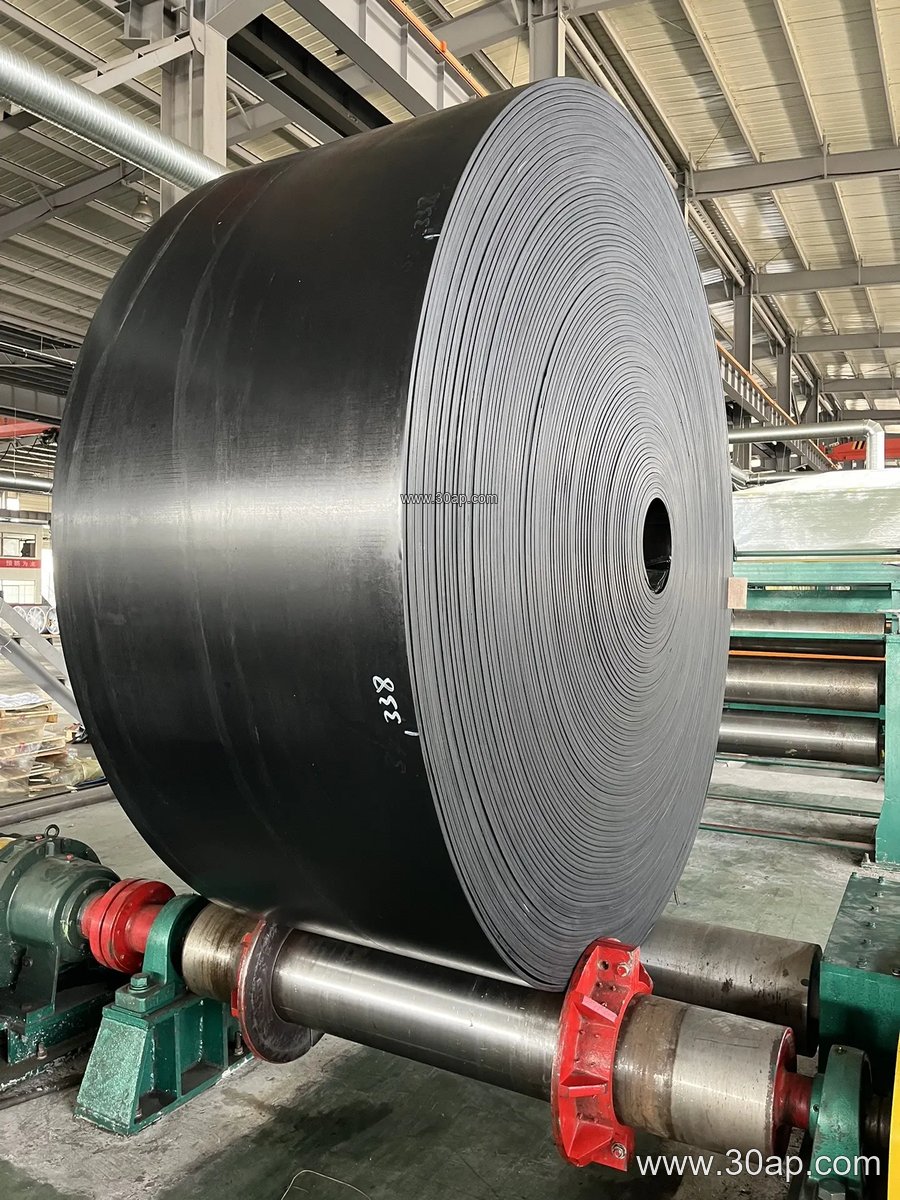
An NN Conveyor Belt is a fabric core conveyor belt built with nylon (polyamide) warp and weft cords. In the trade it is also called a nylon conveyor belt or an NN fabric core belt. The nylon carcass gives the belt high tensile strength, good flexibility, and strong resistance to fatigue, which makes it a practical choice for moving bulk materials over long distances and through repeated loading cycles. Unlike a steel cord conveyor belt, which relies on steel wires for tension, the NN belt uses multiple plies of nylon fabric bonded under rubber covers. This construction is common in mining, cement plants, power stations, quarries, and sand and gravel yards, where belts run continuously and must tolerate shock loads and abrasive cargo.
Construction and Key Components
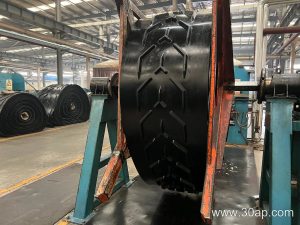
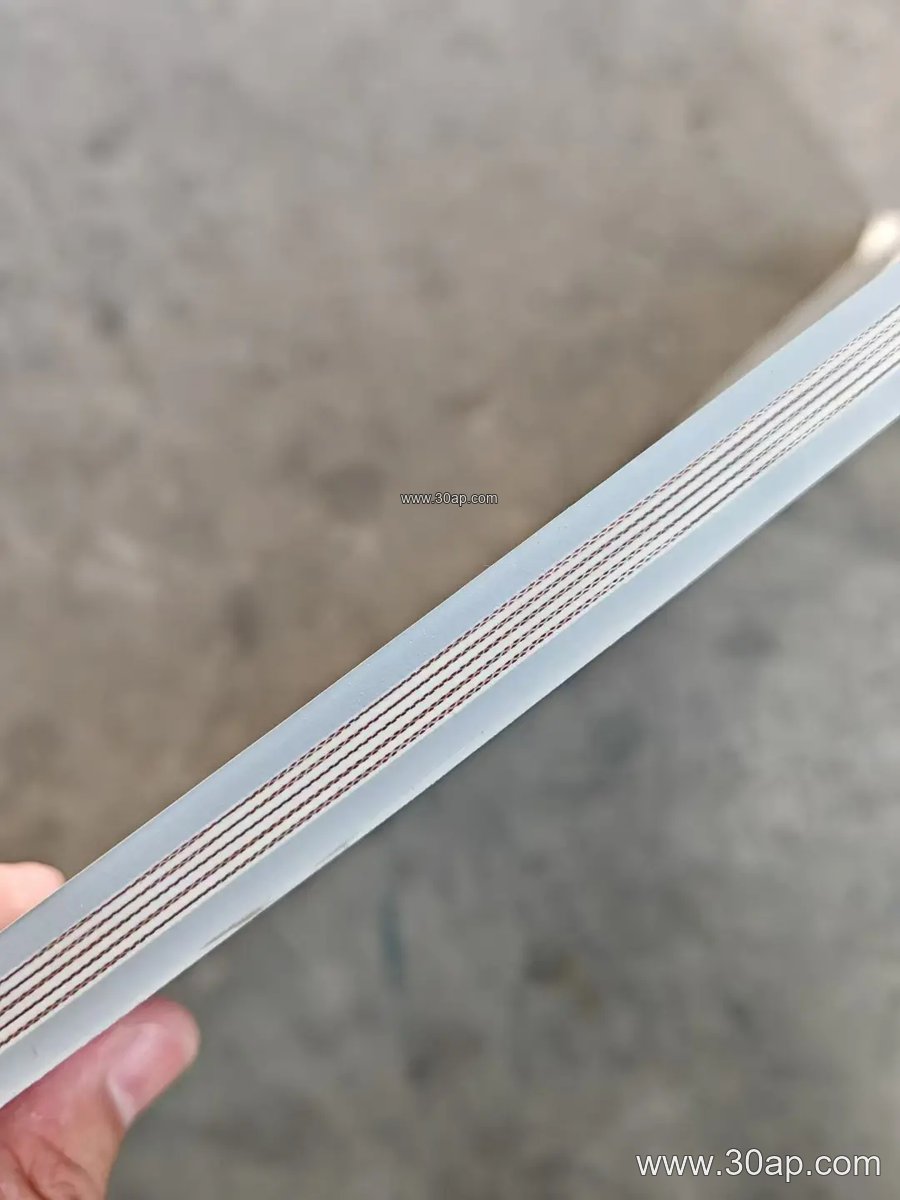
The belt is typically made of two to six plies of nylon fabric, embedded in a rubber compound and protected by top and bottom cover rubber. The cover grade is selected to suit the duty: abrasion resistant rubber for ore and rock, heat resistant rubber for clinker and sinter, oil resistant rubber for oily scrap, and flame retardant rubber for coal mining and underground coal mining conveyors. The carcass plies are bonded with skim rubber, and the whole belt is vulcanized into a single body. Edge protection and cover thickness are adjusted according to the load and the pulley diameter in the conveyor design.
Common Construction Reference
| Item | Typical Range |
|---|---|
| Fabric plies | 2 to 6 plies |
| Cover thickness (top + bottom) | 3+1.5, 4+2, 5+2, 6+2, 8+3 mm |
| Belt width | B500, B650, B800, B1000, B1200, B1400, B1600, B1800, B2000 |
| Strength series | NN100, NN200, NN300, NN400 |
These values are common references. Actual belt construction is decided by the conveyor designer and the belt manufacturer, and dimensions can vary between suppliers.
Where NN Belts Are Used
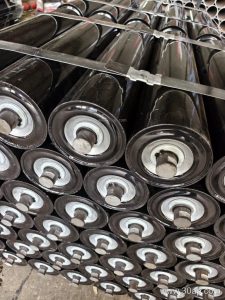
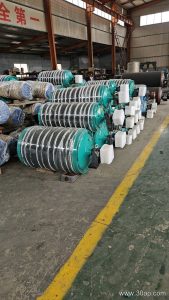
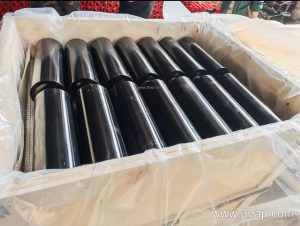
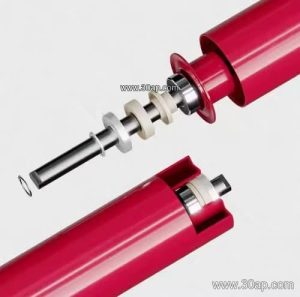
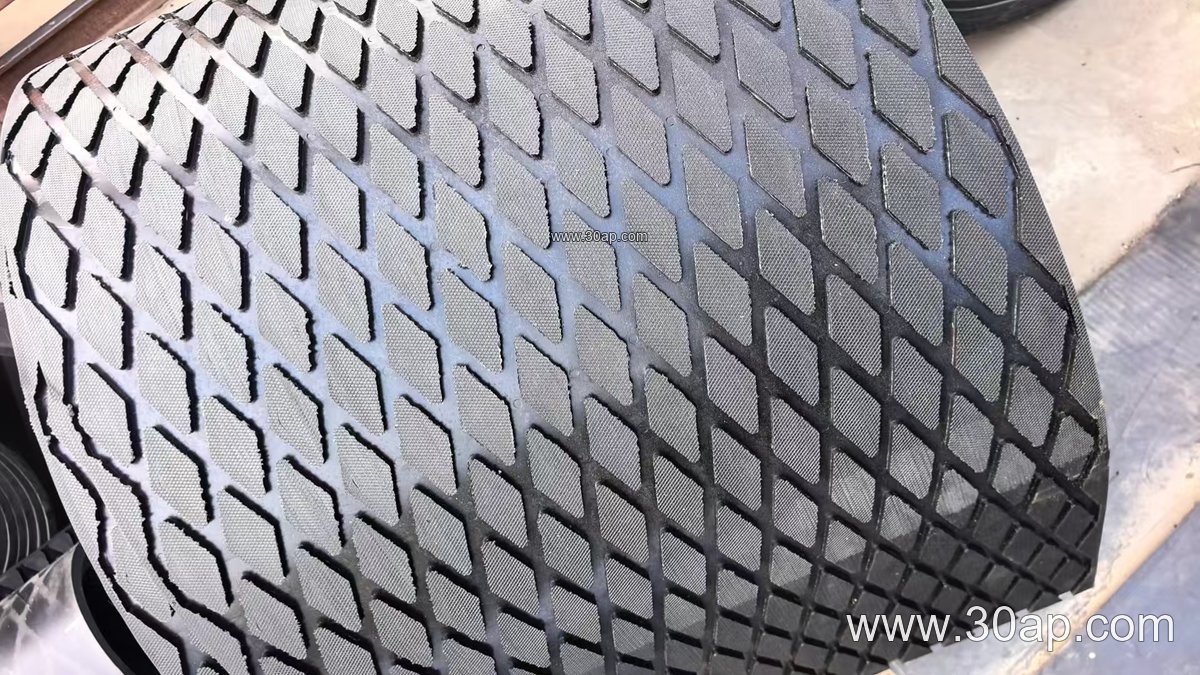
Because the nylon carcass absorbs impact and flexes easily, NN Conveyor Belts are found in primary and secondary crushing circuits, aggregate plants, cement kilns and clinker conveyors, coal handling systems, and power plant coal yards. They also appear in port loading and ship loading lines, recycling plants, and construction material yards. In a typical conveyor, the belt runs over idler rollers, wraps around a drive pulley and a tail pulley, and returns through bend pulleys. The belt tension is set by the take-up system, and the conveyor bracket and frame hold the idlers and pulleys in alignment.
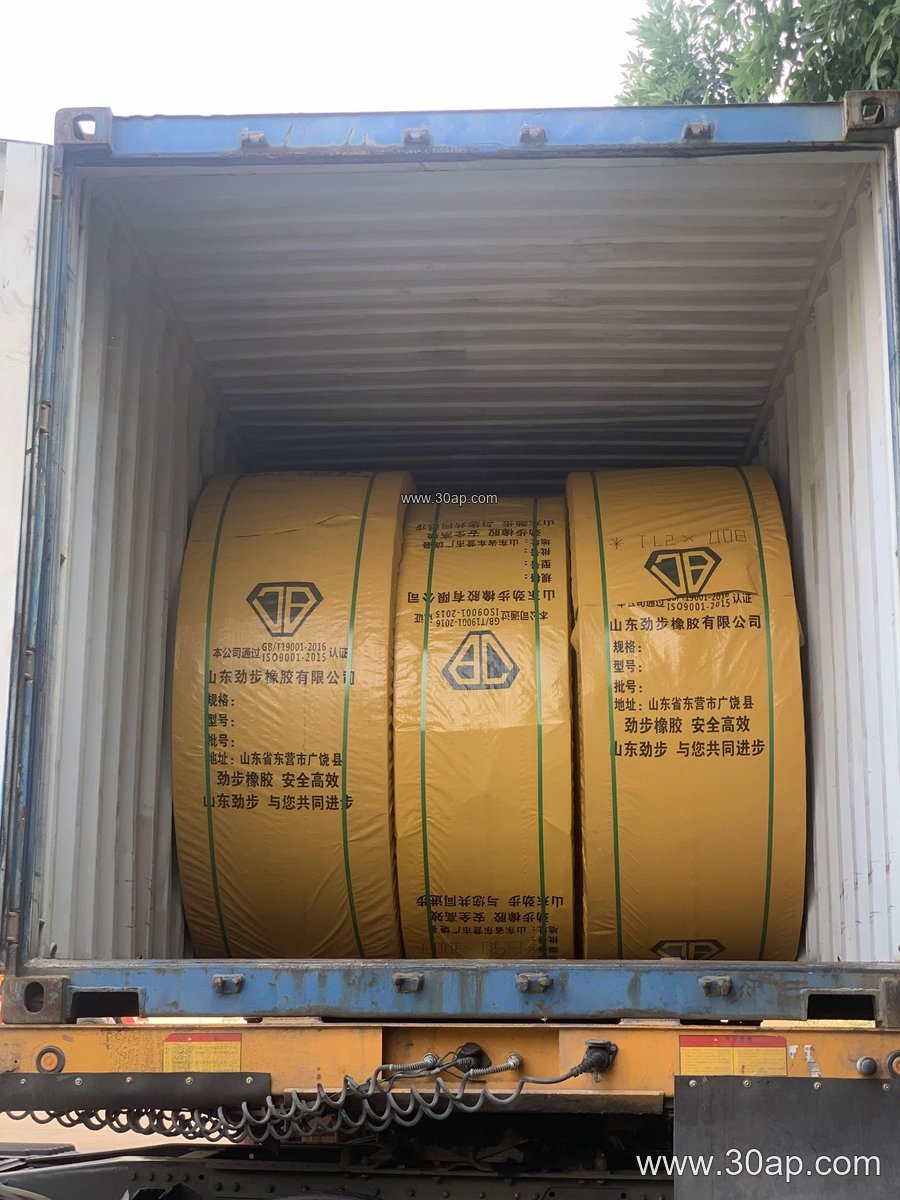
For heavy-duty mining and quarry duty, an abrasion resistant NN belt with thicker covers is often preferred. For underground coal mining, a flame retardant and anti-static grade is usually required. In cement plants and power plants, heat resistant grades help where the material temperature is elevated. The NN belt is not a substitute for a steel cord belt in extremely high-tension or very long single-flight conveyors; in those cases a steel cord conveyor belt or an EP conveyor belt with higher strength may be compared during selection.
Buyer Checklist
When specifying an NN belt, confirm the belt width, the number of plies, the strength series, and the cover thickness. Check the material being carried: sharp rock, wet coal, hot clinker, or oily scrap will each call for a different cover compound. Review the pulley diameters and the troughing idler angle, because a very stiff belt on a small pulley can cause edge stress. Ask for the belt weight per square meter and the recommended minimum pulley diameter from the manufacturer. For coal mining and underground coal mining, request flame retardant and anti-static properties in writing. For cement and power plant applications, confirm the heat resistance rating. Keep spare belt, idler roller, and conveyor pulley data on file so that replacement parts match the original design.
Typical Strength Series and Widths
| Strength Series | Common Width Examples |
|---|---|
| NN100 | B500, B650, B800 |
| NN200 | B650, B800, B1000 |
| NN300 | B800, B1000, B1200 |
| NN400 | B1000, B1200, B1400, B1600 |
These pairings are examples only. Belt width and strength are matched to the conveyor capacity and the load, not fixed by a single rule. A wider belt does not automatically require a specific pulley shaft diameter; that is determined by the conveyor engineer.
Installation and Maintenance Notes
Store NN belts in a dry, shaded place and avoid sharp bends. During installation, align the idler rollers and pulleys so the belt tracks centrally. Check the conveyor bracket and frame for squareness. Inspect cover wear, edge cuts, and splice condition at regular intervals. A worn cover exposes the nylon fabric, and moisture or fine grit can then weaken the carcass. For high abrasion service, use an abrasion resistant cover and consider a thicker top cover. For hot material, leave enough cooling distance before the belt and use a heat resistant grade. Keep the tail pulley and bend pulleys clean to prevent material build-up that can damage the belt edge.
In summary, an NN Conveyor Belt is a flexible, impact-tolerant fabric core belt suited to many bulk material handling duties. Match the belt grade to the site conditions, verify the strength and cover thickness with the supplier, and maintain the conveyor components around it for long service life.