What a Food Grade Conveyor Belt Is
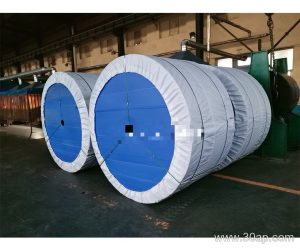
A Food Grade Conveyor Belt is a belting product designed for direct or indirect contact with food, beverages, and pharmaceutical materials. Unlike standard Rubber Conveyor Belt constructions used in mining or aggregate handling, a food grade belt focuses on hygiene, cleanability, and resistance to oils, fats, and cleaning agents. The belt surface is typically smooth or lightly textured to prevent material buildup, and the carcass is protected against moisture and microbial growth.
This belt is not a single type but a family of constructions. Common variants include PVC Conveyor Belt for light food processing, PU Conveyor Belt for oily and fatty foods, and fabric-reinforced EP Conveyor Belt or NN Conveyor Belt when higher tensile strength is needed. For heavy bakery or bulk grain lines, a Multi-Ply Fabric Core Conveyor Belt may be specified. Each subtype keeps the same hygiene requirement while adapting to load and temperature.
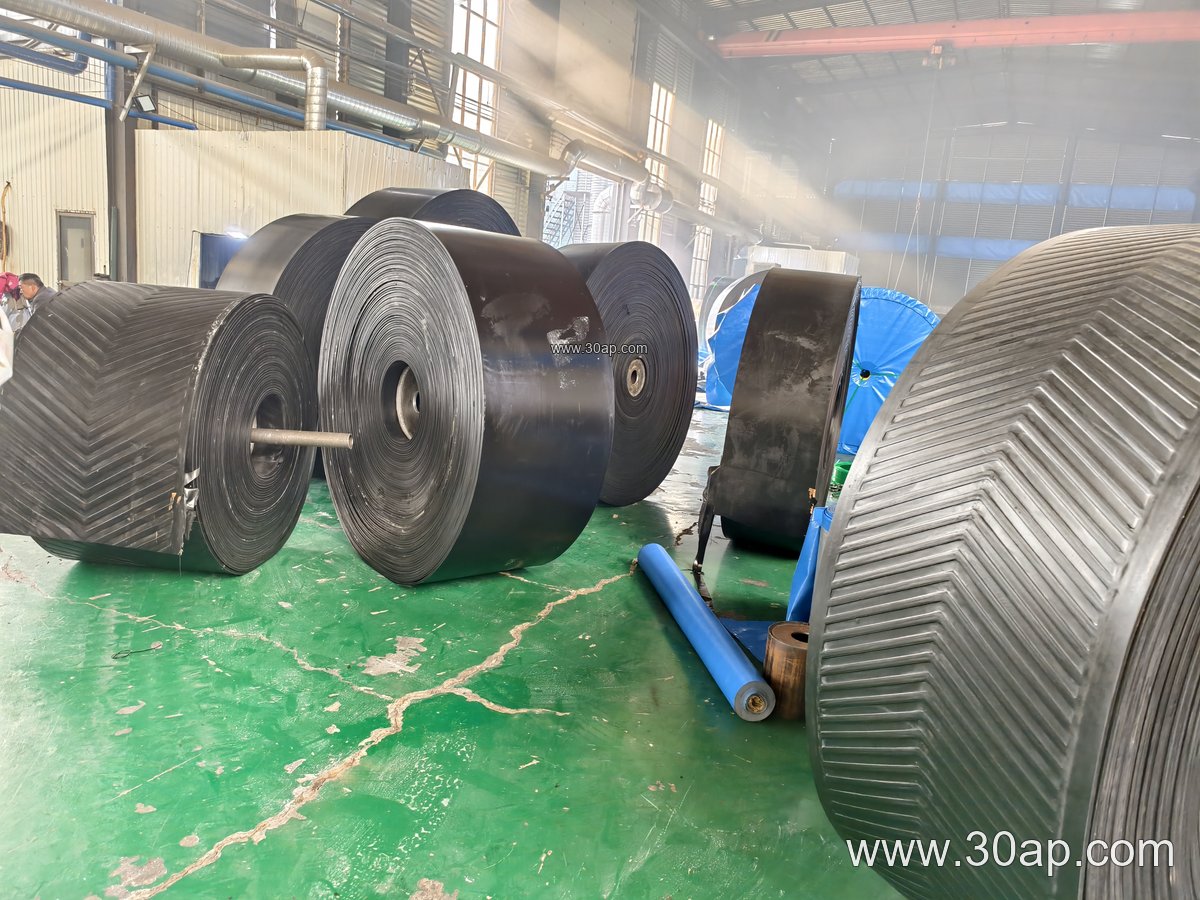
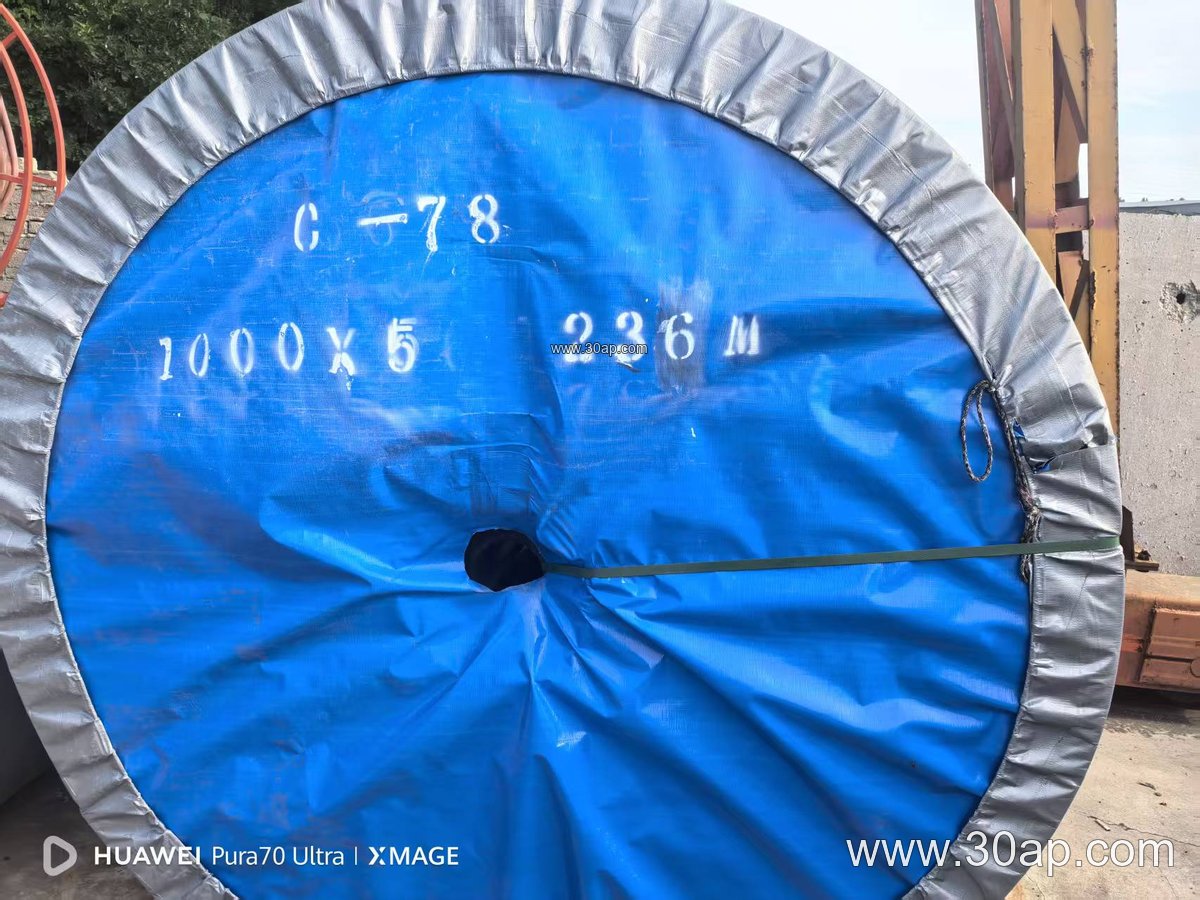
Construction and Surface Options
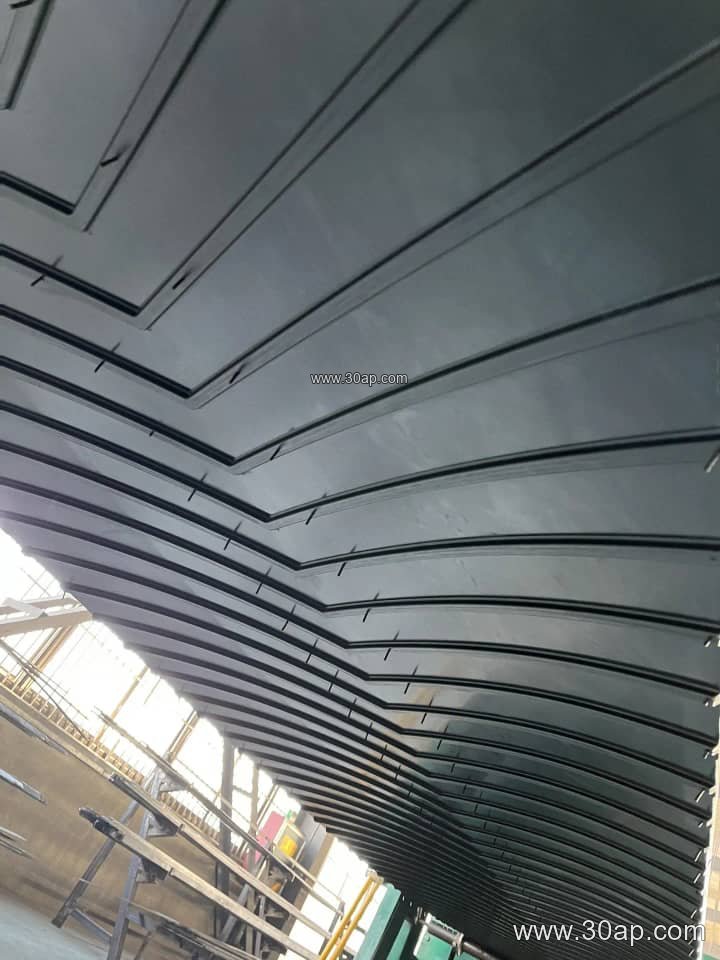
Food grade belting usually combines a fabric core with a food-contact cover. The carcass may be EP Conveyor Belt (polyester-cotton), NN Conveyor Belt (nylon-nylon), or a multi-ply fabric core. The cover compound is formulated to be non-toxic and to resist bacterial growth. Surface forms include smooth, matte, and lightly embossed. For incline conveying of loose food items, a Chevron Conveyor Belt or a Corrugated Sidewall Conveyor Belt can help contain product, though these are less common in direct food contact zones.
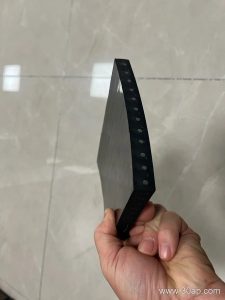
Typical cover thickness for food grade belting ranges from 2+1 mm to 5+2 mm, depending on the product weight and abrasiveness. Fabric plies usually run from 2 to 4 layers. Buyers should confirm the cover compound is suitable for the specific food type—oily snacks, wet vegetables, or dry flour all place different demands on the belt.
Common Applications
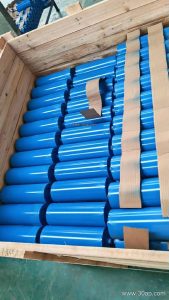
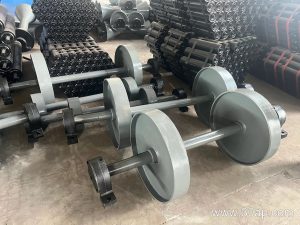
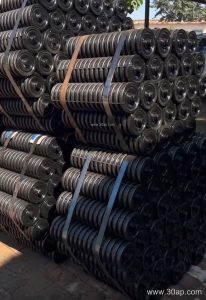
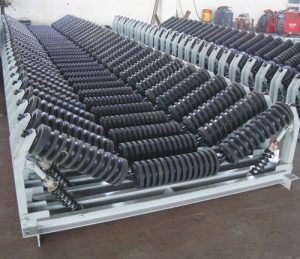
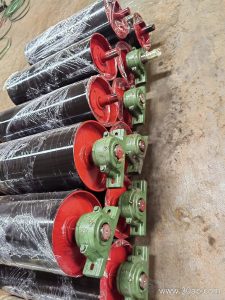
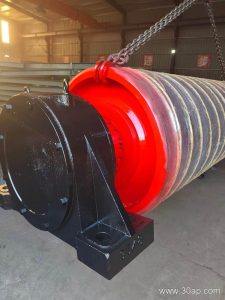
Food grade belts appear across many processing stages. In bakeries they carry dough and baked goods; in fruit and vegetable lines they transport washed produce; in meat and poultry plants they move cuts and trim. They are also used in confectionery, dairy, and ready-meal packaging. Because the belt often runs over conveyor pulley and idler roller assemblies, those components should also be cleanable and corrosion-resistant. Conveyor bracket and frame designs should avoid crevices where food particles can collect.
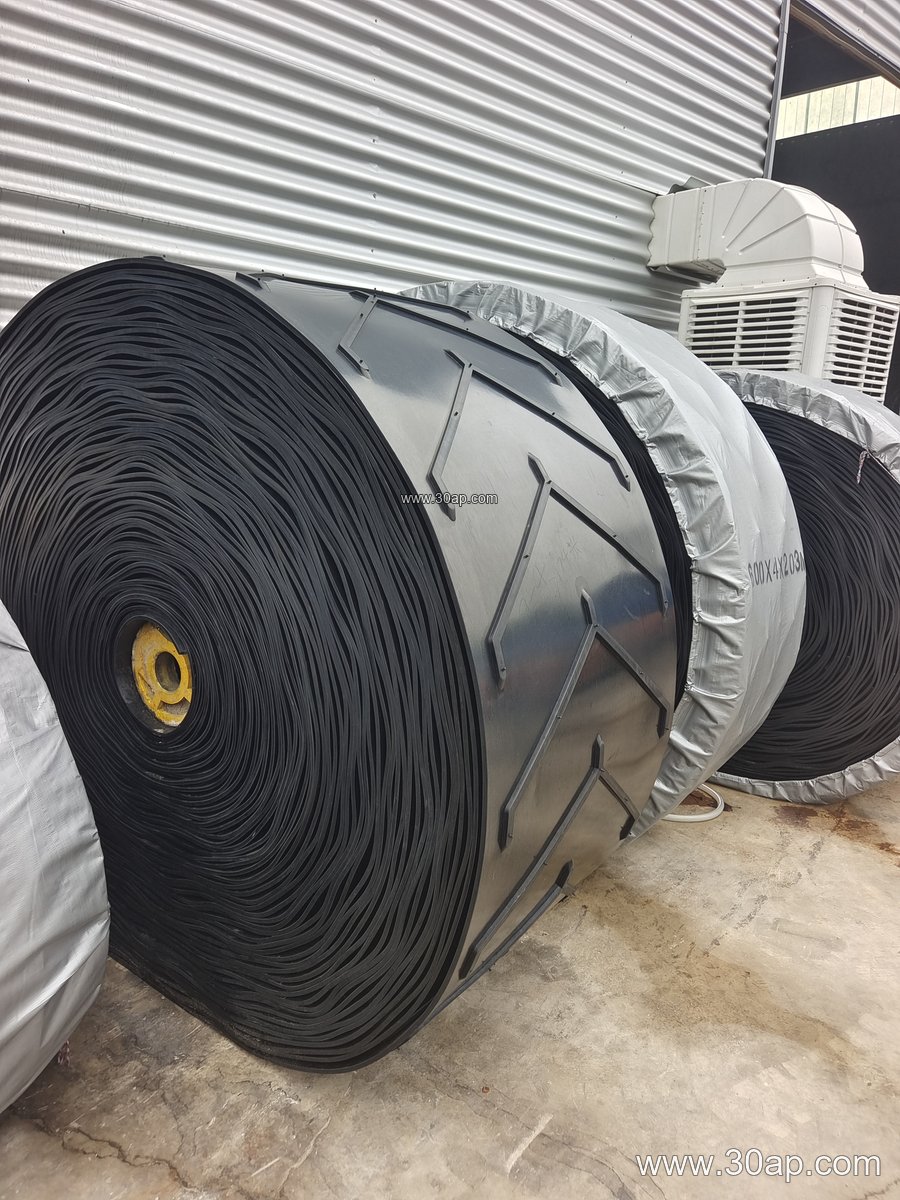
While mining operations rely on Mining Conveyor Belt and Steel Cord Conveyor Belt for high tension, food plants usually operate at lower tensions and narrower widths. Widths such as 500 mm, 650 mm, and 800 mm are common in food lines, with 1000 mm and 1200 mm used for bulk grain or large bakery tunnels. The belt width should be matched to the pulley face and frame, not chosen by habit—a 1000 mm wide belt requires a correspondingly sized conveyor pulley and support structure. EP Conveyor Belt with 2 or 3 plies often suits these widths.
Selection and Maintenance Notes
Choose a food grade belt by first identifying the food contact requirement, then the load, speed, and cleaning regime. For wet or oily products, an Oil Resistant Conveyor Belt compound with a smooth finish is often preferred. For hot items such as freshly baked bread, a Heat Resistant Conveyor Belt grade may be needed, though heat resistance and food contact are separate properties and both must be confirmed. Anti-static properties may matter in dusty flour environments; an Anti-Static Conveyor Belt option can reduce static buildup.
Maintenance focuses on cleanliness and tension. Check belt tracking at the conveyor pulley and idler roller regularly, and inspect the conveyor bracket for loose fittings. Avoid over-tensioning, which can damage the fabric core. When replacing a belt, match the new belt’s thickness and ply count to the original design so the pulleys and take-up system remain compatible. Keep records of the belt width and cover grade to simplify future orders.