What the ST2000 Conveyor Belt Is
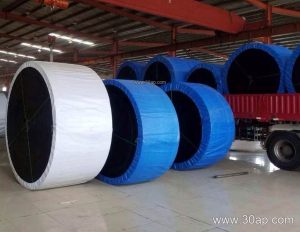
The ST2000 conveyor belt is a steel cord conveyor belt with a nominal tensile strength of 2000 N/mm. It belongs to the ST series and is built for high-tonnage conveying in mines, cement plants, power stations, ports, and quarry operations. The ST2000 designation places it between the ST1600 and ST2500 grades, making it a common choice where a single flight must carry large loads over long distances without excessive elongation.
Construction and Design
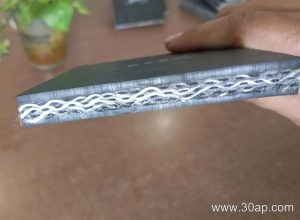
Inside the belt, parallel steel cords run longitudinally as the tension-bearing skeleton. These cords are embedded in a rubber core compound and protected by top and bottom cover layers. The cover thickness is usually selected by the application, with common combinations such as 6+2 mm, 8+3 mm, or heavier for abrasive conditions. The rubber covers can be formulated for abrasion resistance, heat resistance, oil resistance, flame retardancy, or anti-static performance. For underground coal mining, flame retardant and anti-static properties are often specified together.
The belt is not a substitute for fabric-core constructions such as EP conveyor belt or NN conveyor belt, which serve different load and elongation requirements. The ST2000 is a distinct steel cord product, and its splice method, pulley compatibility, and take-up needs differ from multi-ply fabric belts.
Where It Fits in a Conveying System
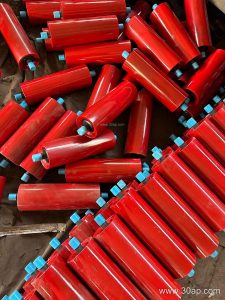
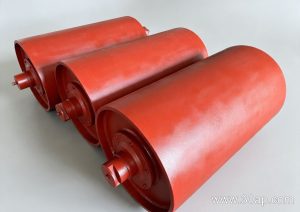
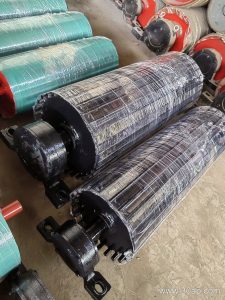
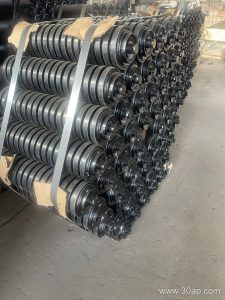
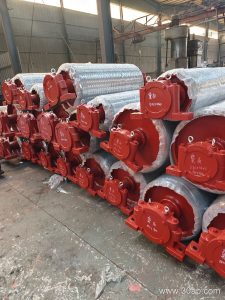
An ST2000 belt typically runs on a conveyor structure that includes idler rollers, a drive pulley, a tail pulley, and bend pulleys, all supported by conveyor brackets. Each component has a specific role: the drive pulley transmits power, the tail pulley returns the belt, and bend pulleys guide the belt path. These parts are not interchangeable, and the belt’s cord construction must match the pulley diameters and troughing arrangement selected for the system.
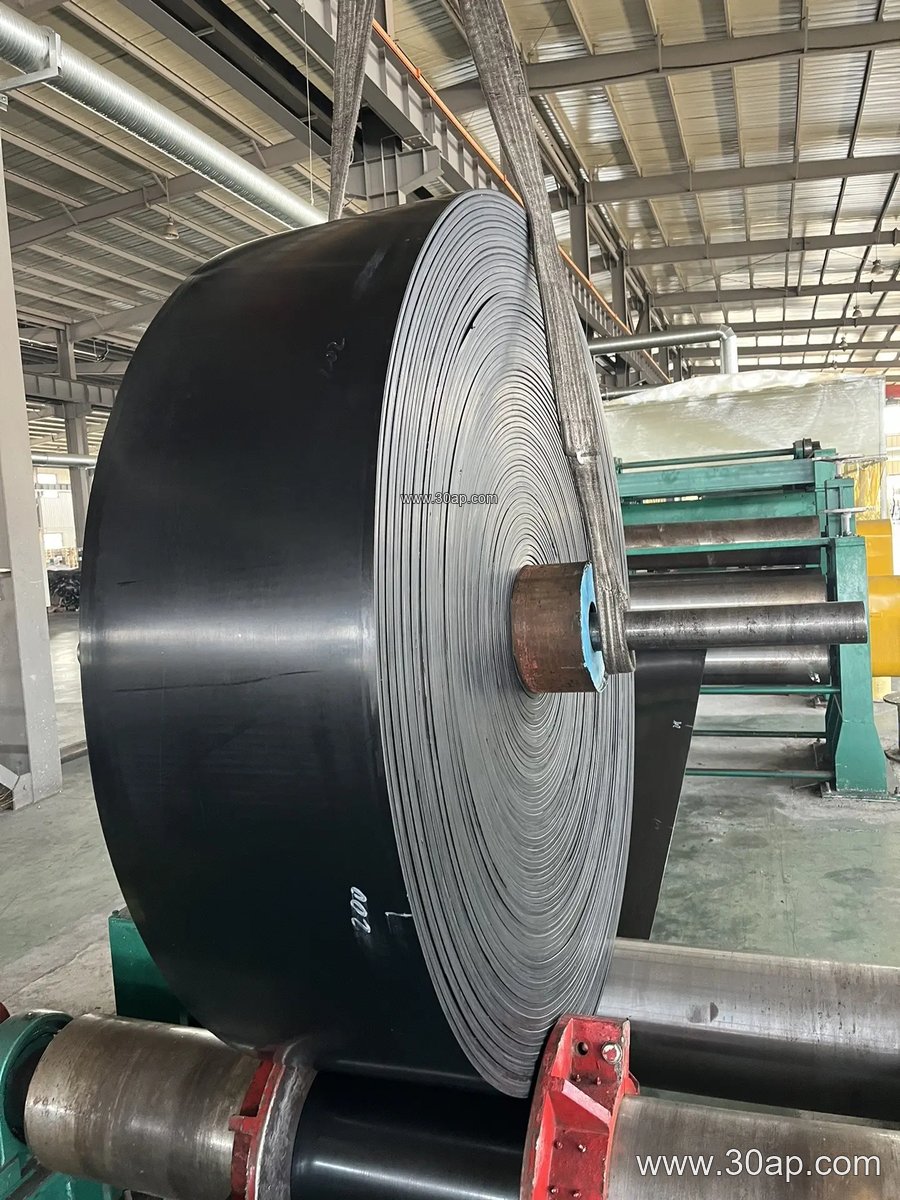
Typical industries include:
- Metal mines and iron ore, copper ore, or gold mining operations
- Coal mining, including underground coal mining conveyor systems
- Cement plants and aggregate conveyor lines
- Power plant coal handling
- Port and ship loading facilities
- Quarries and stone crushing plants
In these settings, the belt often works alongside a rubber conveyor belt in shorter or secondary runs, and with abrasion resistant or heat resistant variants where the material is sharp, hot, or oily.
Specifications Buyers Should Review
Nominal strength and cord grade are only part of the selection. The belt width must suit the tonnage and lump size, while cover thickness and compound quality determine service life in abrasive or corrosive conditions. The table below lists reference ranges commonly discussed for steel cord belts; final values are determined by design and confirmed by the supplier.
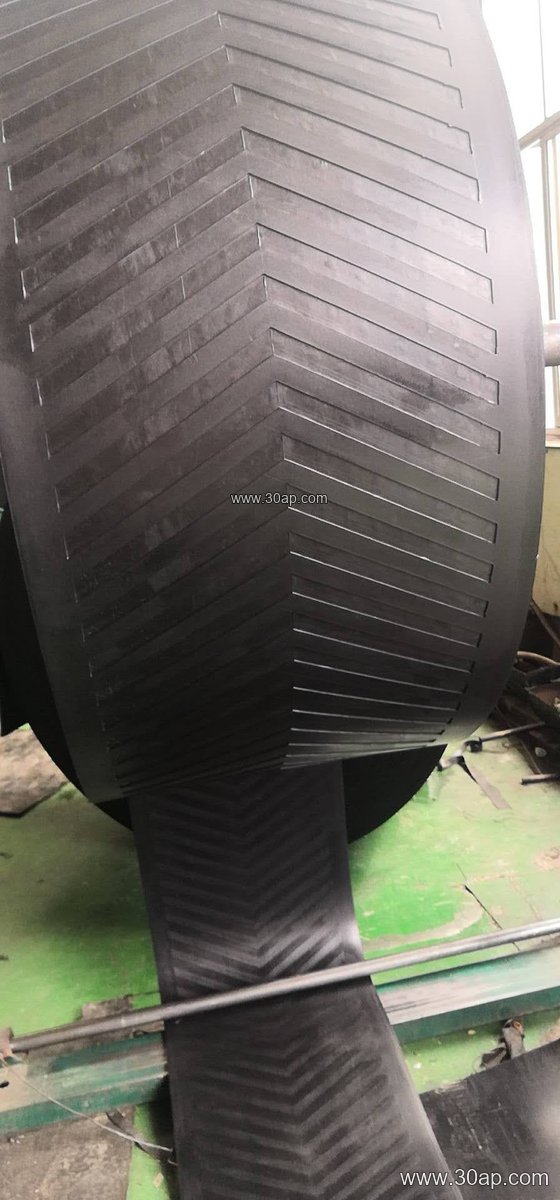
Reference Data for ST2000 Belt Selection
| Parameter | Common Reference Range |
|---|---|
| Nominal tensile strength | ST2000 (2000 N/mm) |
| Belt width | B800, B1000, B1200, B1400, B1600, B1800, B2000 mm |
| Cover thickness | 4+2, 5+2, 6+2, 8+3 mm |
| Cover grade | Abrasion resistant, heat resistant, flame retardant, anti-static, oil resistant |
| Application | Mining, cement, power, port, quarry |
These values are not a fixed match; a wider belt does not automatically dictate one pulley diameter, and the shaft diameter must be calculated from the actual conveyor design. Buyers should confirm cord pitch, splice length, and cover grade with the belt manufacturer.
Selection and Maintenance Notes
When specifying an ST2000 belt, review the maximum operating tension, the pulley diameters, the transition distance, and the loading conditions. Impact at the loading point can damage cords if the belt is under-supported, so impact idlers or a suitable skirted arrangement may be needed. For dusty or flammable environments, a flame retardant conveyor belt with anti-static properties is often preferred. In cold climates, a cold resistant cover helps prevent cracking, while heat resistant belts are used near clinker or sinter.
Maintenance should include checking cord integrity at splices, monitoring cover wear, and keeping idler rollers and pulleys aligned. Record belt tracking and elongation during the first weeks of operation, because steel cord belts can stretch initially and may require take-up adjustment.
For a broader range of heavy-duty options, compare the ST2000 with other steel cord conveyor belt grades and confirm the right cover compound for your material.