What a Conveyor Idler Quotation Covers
A conveyor idler quotation is more than a price list for rollers. It is a document that matches idler type, roll diameter, bearing size, and frame configuration to the actual conveyor belt width and operating conditions. In a quarry, cement plant, or coal handling system, the idler quotation should reflect the load, the environment, and the maintenance strategy. Whether you are sourcing for a limestone mine or a power plant coal yard, the quotation helps you compare apples to apples before you issue a purchase order.
Core Components of an Idler Offer
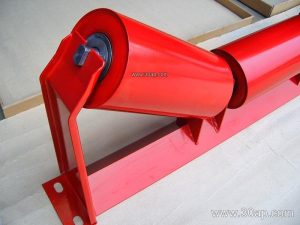
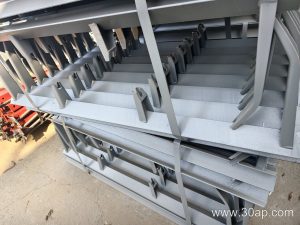
Most quotations describe the idler assembly in layers. The roller shell, bearing housing, shaft, and seal are the heart of the unit. The frame or bracket ties the idler to the conveyor structure. For troughing idlers, the quotation should state the number of rolls (single, two-roll, or three-roll), the trough angle (commonly 20, 30, 35, or 45 degrees), and the roll length. Return idlers may be flat or V-shaped, and impact idlers often use rubber rings to absorb shock at transfer points. A clear offer separates these details so you can verify fit and function.
Roll Diameter and Belt Width Considerations
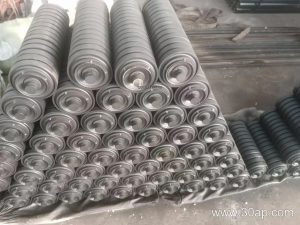
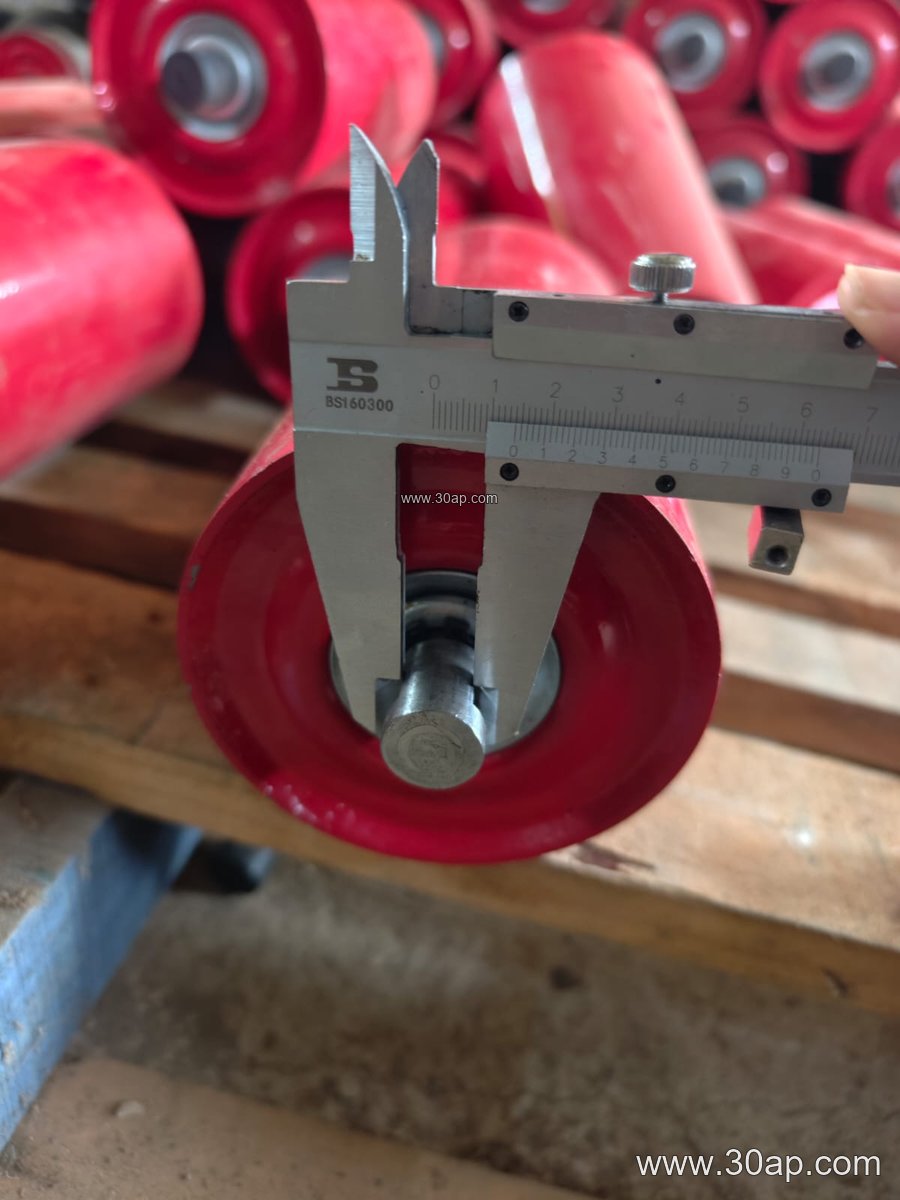
Roll diameter is not chosen by belt width alone. A Ø102 mm idler and a Ø159 mm idler can both be found on the same belt width depending on load and speed. The quotation should list the proposed diameter, the bearing size (such as 6204, 6205, 6305, or 6308), and the shaft end details. Belt width B500 to B2400 is common, and roll length for a three-roll troughing set typically scales with width. For example, a B800 set often uses rolls around 315 mm long, while a B1200 set may use rolls near 465 mm. These are reference points, not fixed rules, and side rolls can differ from the center roll.
Matching Idler Type to Conveyor Section
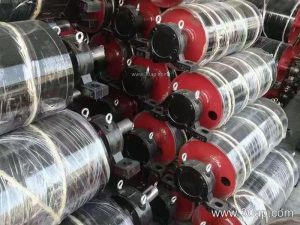
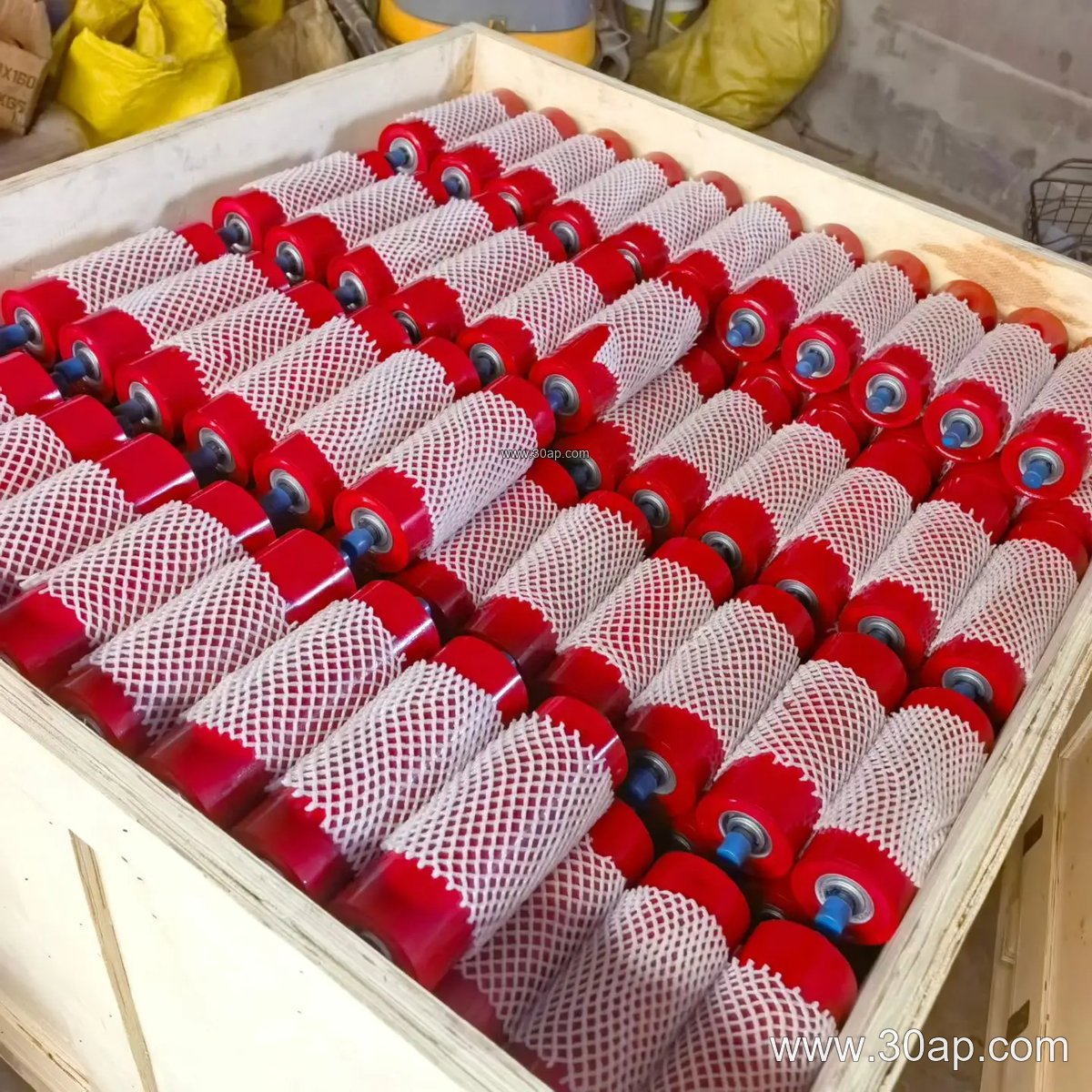
An idler quotation should identify where each unit goes. Troughing idlers carry the loaded belt on the carrying side. Impact idlers and rubber-disc impact idlers sit under loading chutes to protect the belt. Return idlers support the empty belt, and training idlers (friction or tapered) help keep the belt centered. In a crusher conveyor or a ship loading line, the quotation may include a mix of these types. Do not confuse idlers with conveyor pulleys—drive, tail, and bend pulleys are different components with their own specifications. A belt conveyor system needs both, but they are not interchangeable.
Parameters Buyers Should Confirm
Before accepting a conveyor idler quotation, check the following items against your conveyor design:
- Idler type and group arrangement (single, two-roll, three-roll)
- Roll diameter and roll length
- Trough angle for carrying idlers
- Bearing model and sealing arrangement
- Roll surface: steel, nylon, ceramic, or rubber ring
- Frame and bracket dimensions
- Operating environment: dust, moisture, temperature, or corrosive atmosphere
For a coal mining conveyor belt or an underground mining conveyor belt, flame retardant and anti-static properties of the belt matter, but the idler quotation should still focus on the idler’s own materials and clearances. In a cement plant or aggregate conveyor belt line, abrasion resistance of the roll surface can extend service life. Mention these needs in the inquiry so the quotation can reflect them.
How to Read Price and Delivery Notes
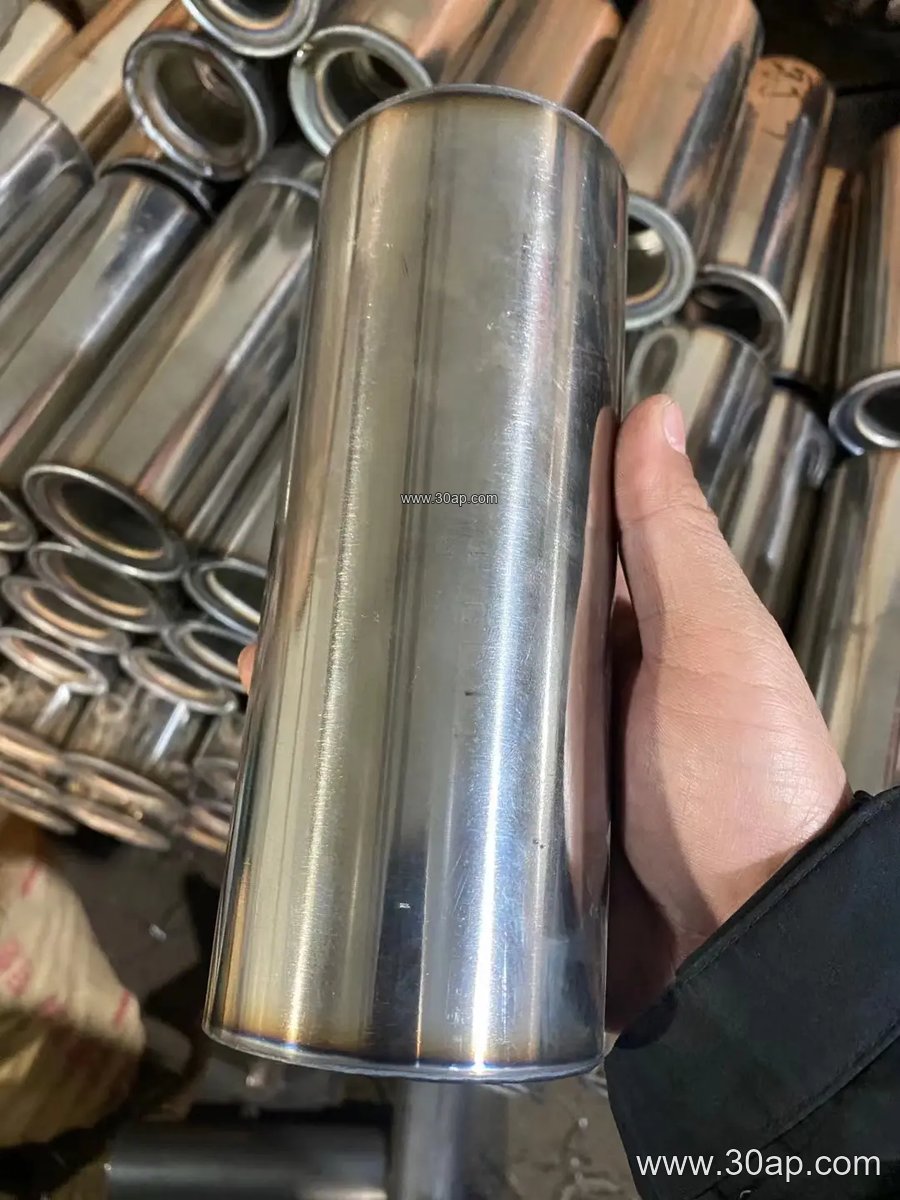
A good quotation separates unit price, quantity, and delivery terms. It may also note whether the idler is supplied with the bracket or frame. For a quarry conveyor belt or a power plant conveyor belt, downtime is costly, so the quotation should state lead time clearly. Ask for a drawing or dimension sheet if the idler is intended for a specific conveyor structure. This is especially important when the belt width is 1200mm conveyor belt or wider, where frame tolerances are tighter.
Practical Tips for a Smooth Inquiry
When you request a conveyor idler quotation, include the conveyor belt width, the belt speed, the material being handled, and the idler location. If you are also buying a rubber conveyor belt, an EP conveyor belt, or a steel cord conveyor belt, keep those items on a separate line so the idler offer stays clear. For harsh duty such as iron ore conveyor belt or copper ore conveyor belt service, specify the expected dust and impact level. A well-structured quotation helps you compare idler rollers, conveyor brackets, and conveyor pulleys without mixing categories. The goal is a quotation that fits your conveyor, not a generic list of parts.