What a Fixed Conveyor Bracket Does on a Belt Line
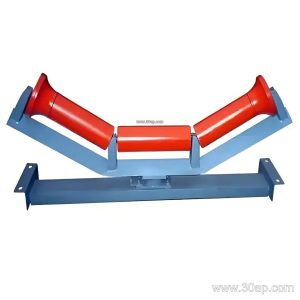
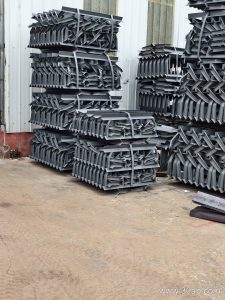
A fixed conveyor bracket is the stationary support frame that holds the carrying idlers in a set position under the belt. Unlike an adjustable bracket, it does not allow the trough angle to be changed after installation. The bracket is bolted or welded to the conveyor stringer, and the idler roller shafts sit in its notches or mounting holes. In a quarry conveyor line or a coal handling system, these brackets keep the belt profile consistent from the load point to the discharge, which matters for tracking and for keeping material centered.
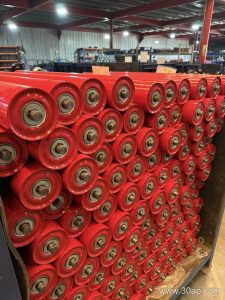
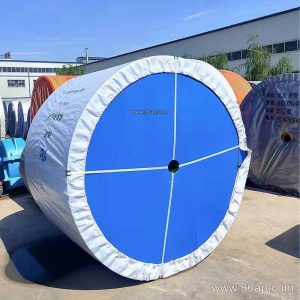
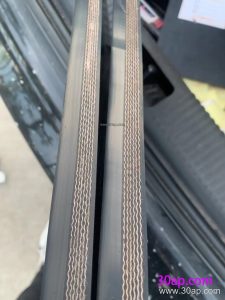
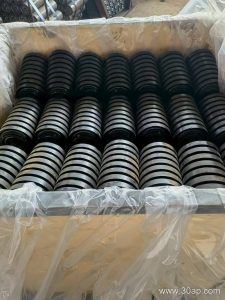
The bracket works together with the conveyor belt, the idler roller and, at the ends of the line, the conveyor pulley. A poorly matched bracket can cause the belt to ride off-center or to wear unevenly, so the bracket should be treated as part of the whole belt support system rather than a simple piece of steel.
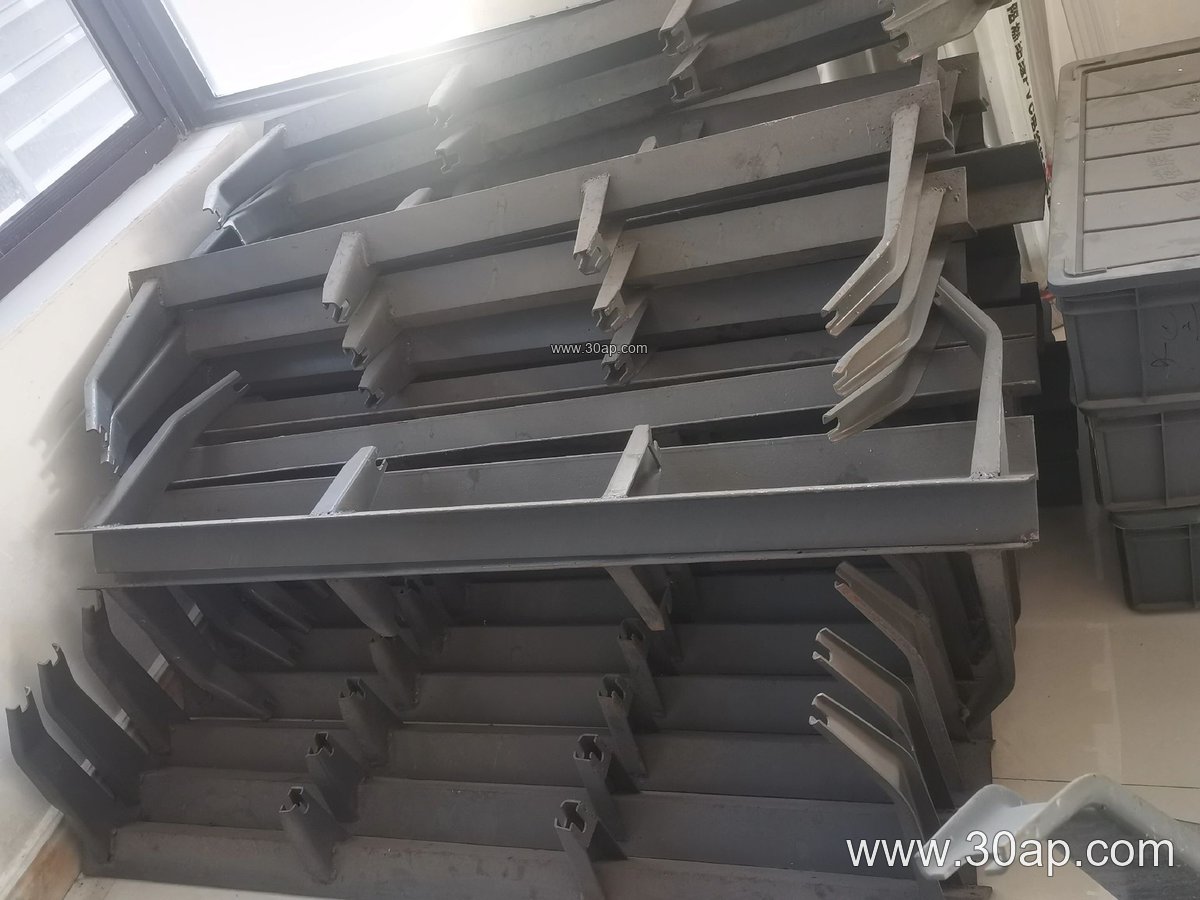
Construction and Materials
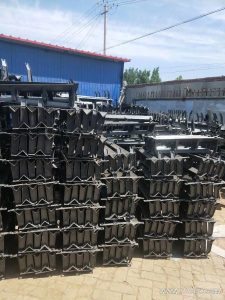
Most fixed brackets are fabricated from angle steel, channel steel, or bent steel plate. The choice depends on the load and the belt width. Heavier bulk material lines, such as an iron ore or copper ore conveyor, usually call for thicker channel sections and reinforced mounting points. Lighter lines in a sand and gravel plant or a grain silo may use bent plate brackets.
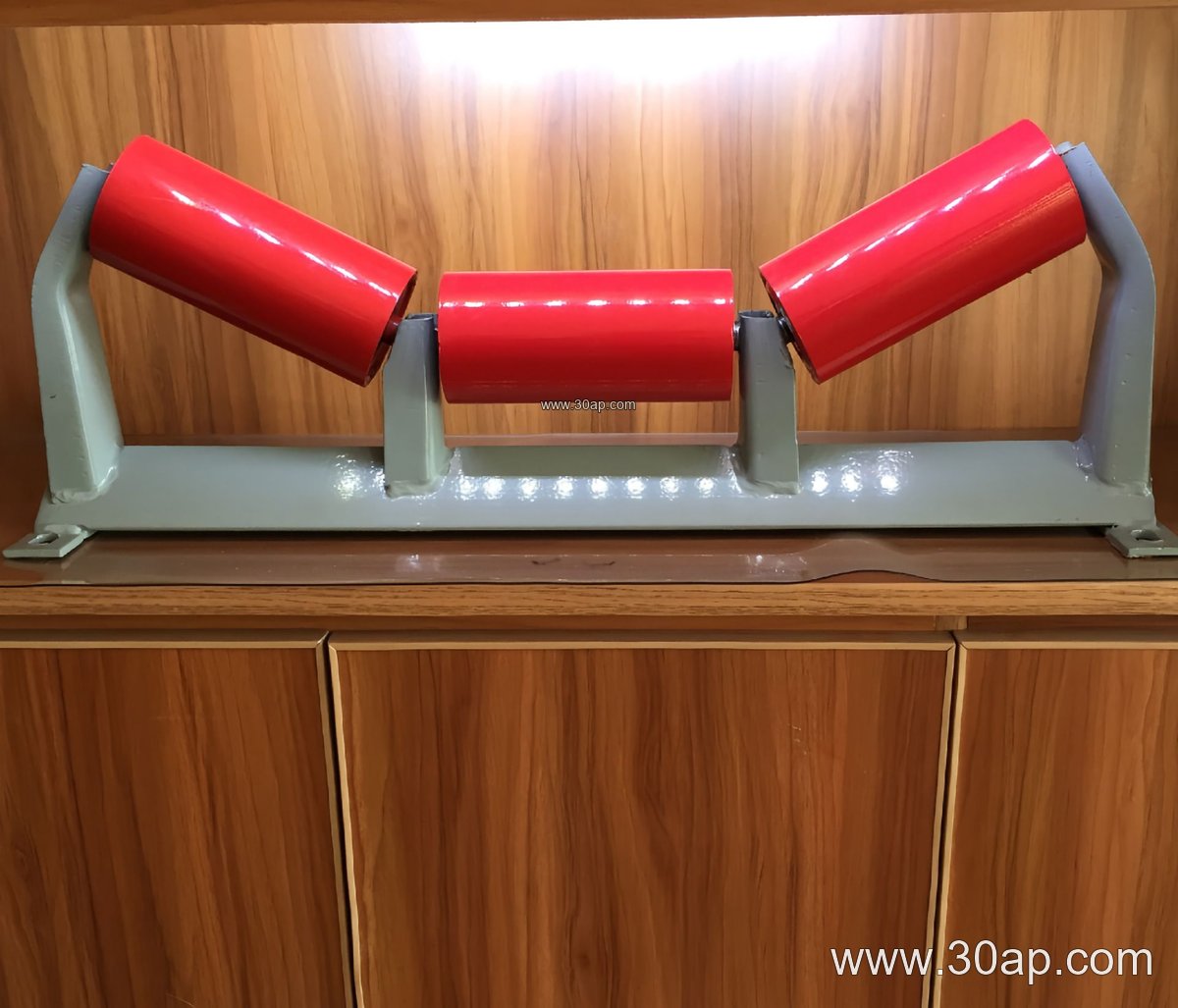
Typical bracket types in this family include the trough bracket, the upper trough bracket, the transition bracket, the return bracket, the flat return bracket, the V-return bracket, the impact bracket and the self-aligning bracket. Each has a fixed position on the conveyor, and each carries a different idler arrangement. The fixed trough bracket, for example, holds three idlers at a set trough angle, while the flat return bracket supports the belt on the return run.
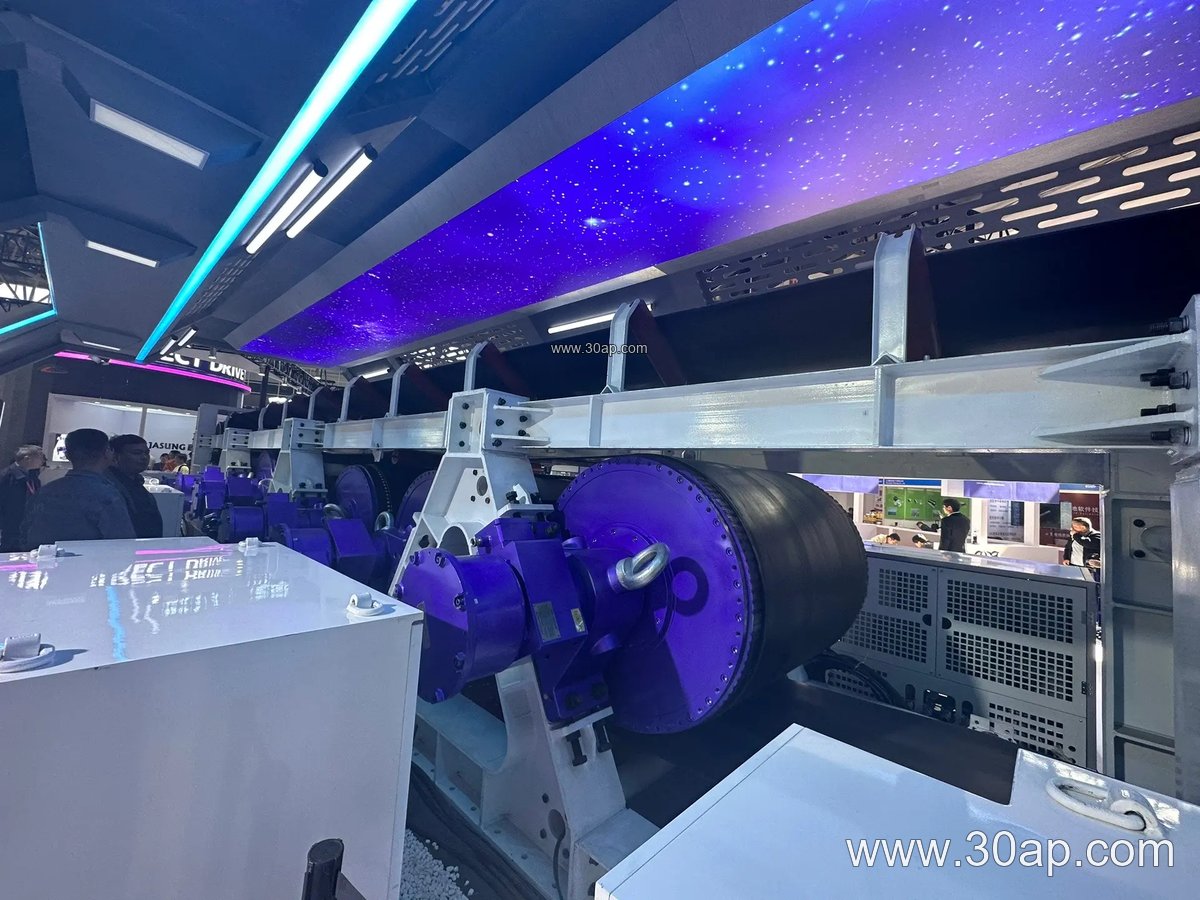
Common Sizes and Matching Values
Bracket dimensions follow the belt width and the idler diameter. The table below lists reference combinations; actual hole spacing and crossbeam length are determined by the conveyor design, not by a single universal rule.
| Belt Width | Trough Angle | Idler Diameter | Typical Use |
|---|---|---|---|
| B500 | 20° | Ø89 | Small aggregate lines |
| B650 | 30° | Ø89 | Sand and gravel plants |
| B800 | 35° | Ø108 | Quarry and cement plants |
| B1000 | 35° | Ø108 | Coal handling, power plant |
| B1200 | 45° | Ø133 | Iron ore, heavy bulk material |
| B1400 | 45° | Ø133 | Port and ship loading |
| B1600 | 35° | Ø159 | Large mining conveyors |
| B1800 | 45° | Ø159 | High-capacity ore lines |
| B2000 | 35° | Ø194 | Extra-wide bulk handling |
These values are common references, not fixed pairings. A B1200 belt may run at 35° with Ø108 idlers in one plant and at 45° with Ø133 in another, depending on the material and the belt speed.
Where Fixed Brackets Fit Best
Fixed brackets suit sections of the conveyor where the belt profile should not change. In a coal washing plant, the fixed trough bracket keeps the belt in a stable trough through the long carrying run. In a crushing and screening line, fixed brackets hold the belt steady after the load zone, while impact brackets absorb the drop from the crusher. On a cement plant clinker line, fixed brackets support the belt through the cooling section, where a flame retardant conveyor belt or heat resistant conveyor belt may be used.
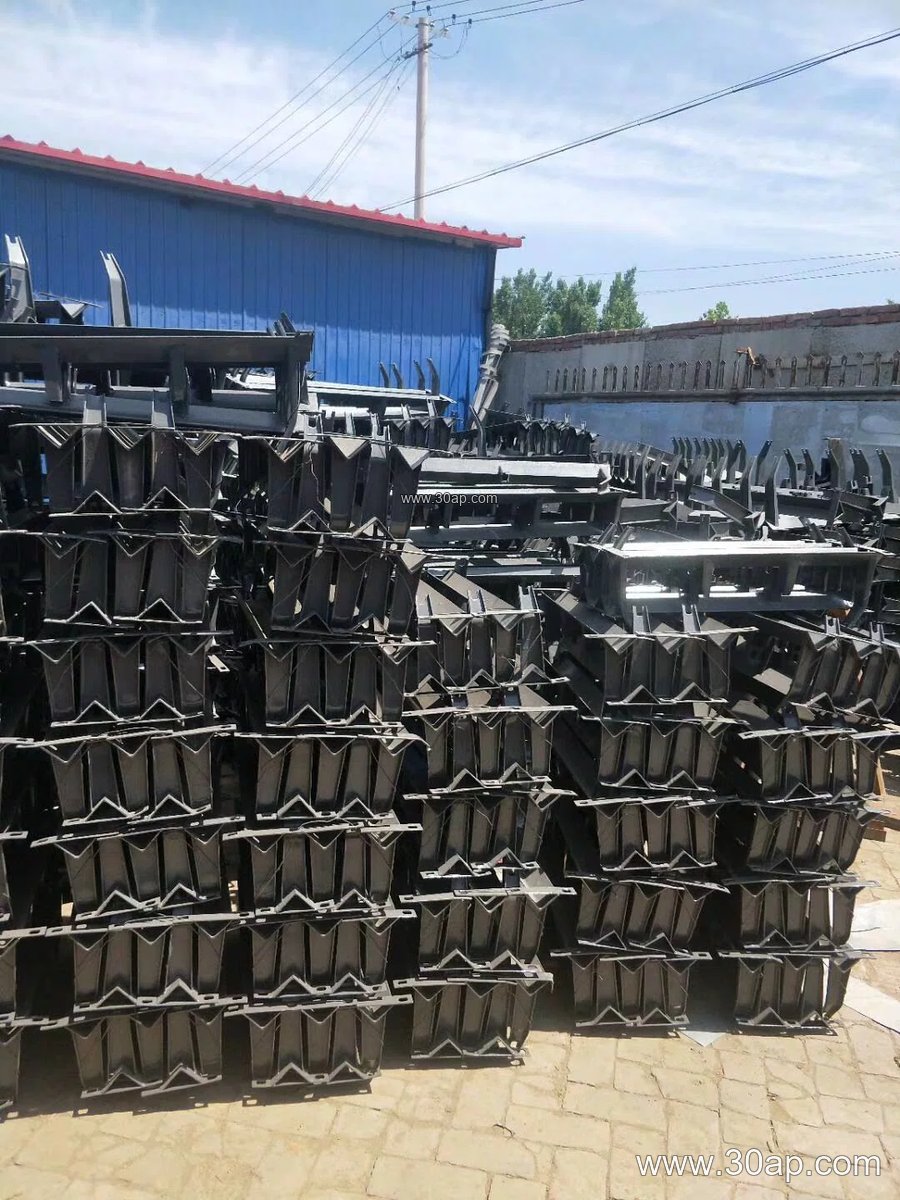
Fixed brackets are also common on the return side, where a V-return bracket or flat return bracket supports the empty belt. Here the fixed design reduces maintenance because there is nothing to adjust.
Buyer Checklist
- Confirm the belt width and the idler diameter before ordering; the bracket must match both.
- Check the trough angle required by the material; a fixed bracket cannot be adjusted later.
- Match the steel section to the load, especially on heavy-duty mining conveyor lines.
- Verify hole spacing and crossbeam length against the stringer drawing.
- Consider whether a transition bracket is needed near the pulley to avoid belt stress.
- For dusty or wet conditions, check that the bracket allows water and fines to drain.
For more conveyor components, including the conveyor bracket, idler roller and conveyor pulley ranges, visit jsconveyor.com conveyor bracket and jsconveyor.com idler roller. The right fixed bracket, matched to the belt and the idlers, keeps a conveyor line running straight in quarry, coal and cement duty.