Evaluating Bearing Seal Configurations to Prevent Premature Idler Roller Failure in Dusty Quarries
Designing an industrial idler roller requires a careful balance between rotational efficiency and contaminant exclusion, particularly when the assembly operates in hostile environments. In a dusty quarry processing abrasive limestone or granite aggregate, airborne particulate matter poses a constant threat to internal moving components. If fine mineral dust breaches the outer defense layers, it mixes with the internal grease to form an abrasive paste. This paste accelerates bearing race wear, increases rotational friction, and ultimately causes the idler roller to seize under load. Consequently, mechanical engineers must look beyond basic dimensions and carefully evaluate the seal arrangement when specifying components for heavy-duty material transport.
The Mechanics of Contaminant Ingress and Seal Engineering
The primary mechanism of failure in a quarry-grade idler roller is rarely structural collapse of the steel shell; rather, it is the compromise of the internal bearing cavity. Rotating components rely on multi-stage sealing systems to isolate the sensitive ball or roller bearings from the external environment. A typical configuration combines a sliding contact lip seal with a non-contact labyrinth seal.
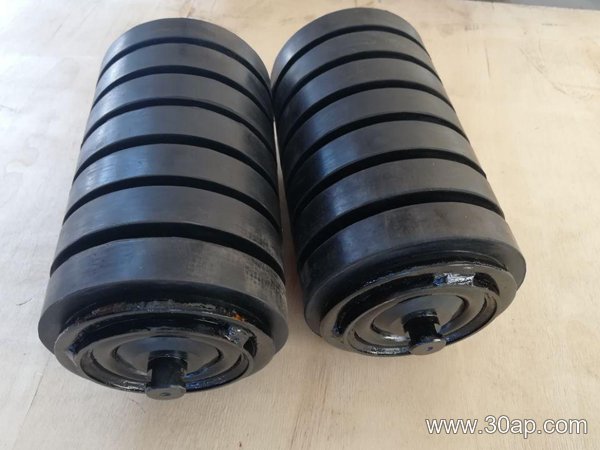
- Labyrinth Seals: These create a tortuous mechanical path that forces entering dust particles to change direction multiple times, losing momentum before reaching the interior.
- Contact Lip Seals: These provide a physical barrier against moisture and fine aerosols, though they introduce slight rotational drag compared to non-contact alternatives.
- Grease Cavities: A packed chamber between the outer labyrinth and inner lip seal acts as a secondary trap, capturing minor particulate intrusions before they can reach the primary bearing shield.
Engineers must weigh the frictional losses introduced by tighter contact seals against the superior contamination exclusion required in heavy aggregate processing. While low-torque labyrinth designs reduce energy consumption along long overland conveyors, they often require supplemental greasing routines to maintain an effective barrier against abrasive quarry dust.
Engineering Trade-Offs Between Seal Complexity and Maintenance Intervals
Choosing an optimal idler roller configuration involves evaluating the operating environment against lifecycle maintenance expectations. Simpler single-lip seals reduce initial manufacturing complexity and component costs, making them adequate for clean indoor material handling. However, deploying that same specification in an outdoor quarry environment leads to rapid seal degradation, grease purging, and catastrophic bearing failure within months.
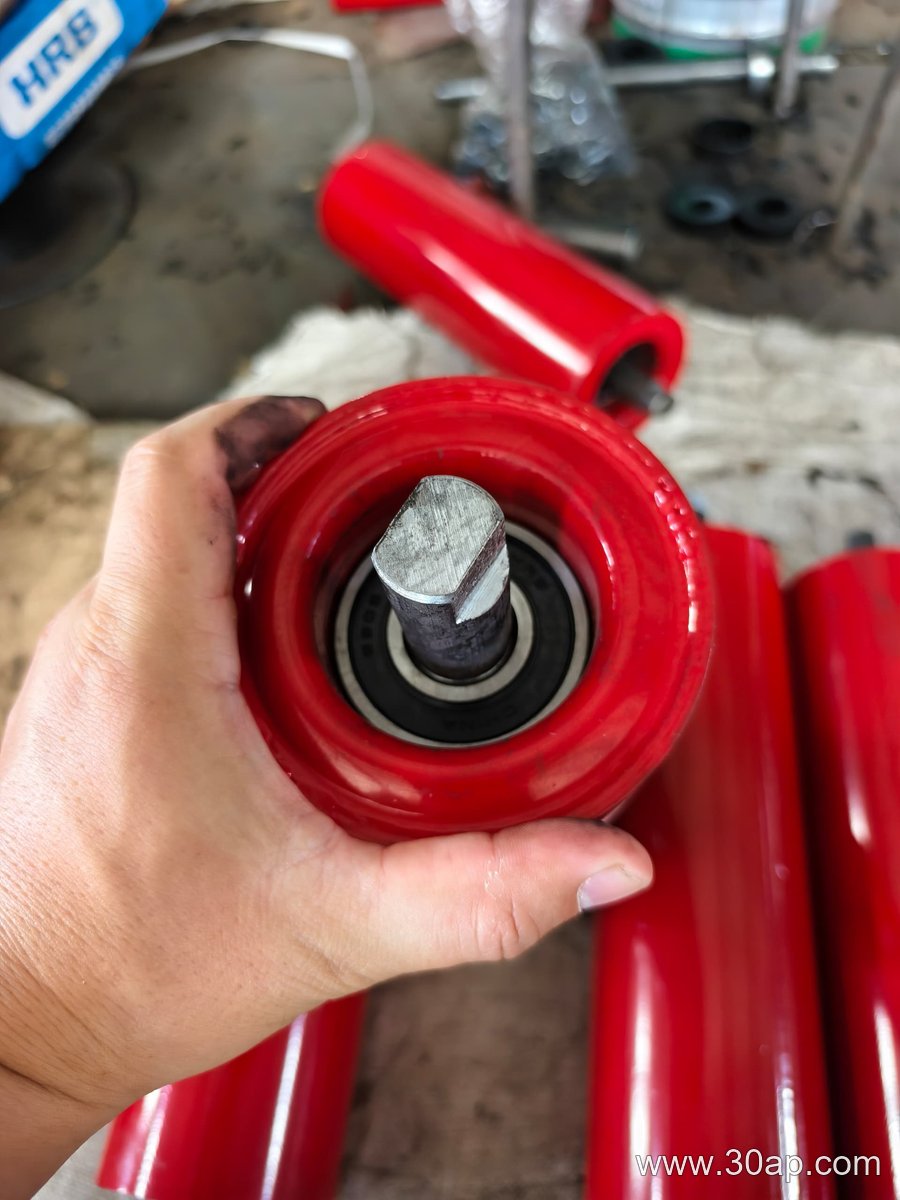
To mitigate this, heavy-duty designs incorporate heavy-gauge steel dust shields that rotate synchronously with the idler roller shell, throwing off larger debris via centrifugal force before it reaches the primary seal interface. While adding mechanical complexity and increasing unit weight, this external shielding dramatically extends operating life in abrasive settings. Maintenance teams must ultimately balance the higher capital cost of multi-stage sealed assemblies against the labor and downtime expense of replacing failed units along a continuous quarry haul line.
Summary of Engineering Priorities
Successfully specifying an idler roller for severe operating conditions demands a thorough understanding of local environmental hazards. By prioritizing robust sealing architectures over marginal reductions in rotational torque, system designers protect the underlying bearings from abrasive dust infiltration, securing long-term reliability and minimizing unexpected production interruptions.