What a Heavy-Load Pulley Does on a Conveyor
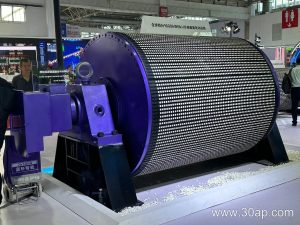
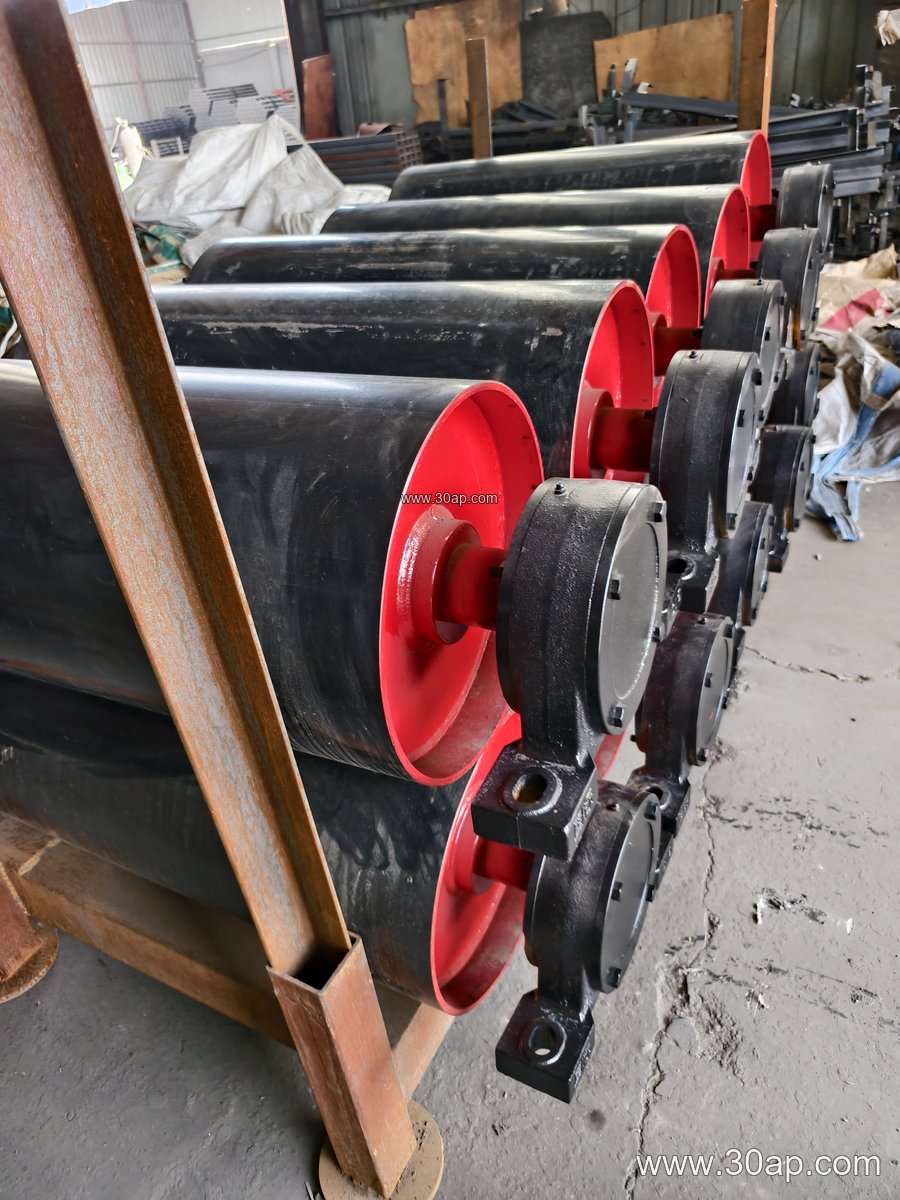
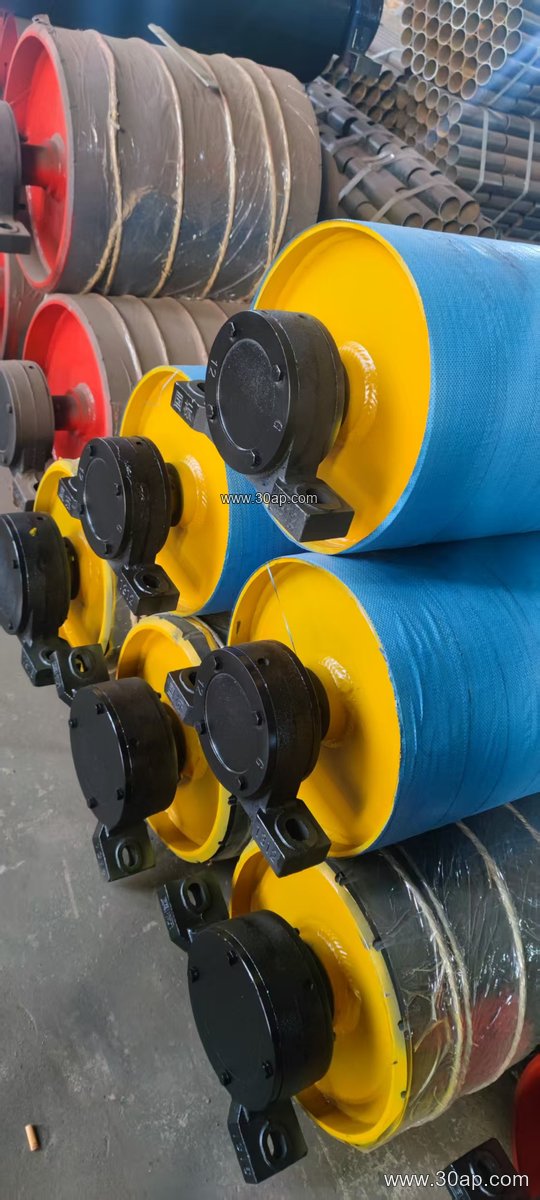
A heavy-load pulley is the robust drum at the heart of a conveyor’s drive, tail, or bend station, engineered to carry high belt tensions and bulk material loads without deflection or premature wear. In a quarry, cement plant, or ore handling line, this component transfers motion to the belt and maintains proper tracking under some of the toughest conditions. Unlike a standard-duty drum, a heavy-load pulley typically features thicker shells, reinforced end discs, and larger shaft diameters to withstand continuous shock loading from large lumps and high throughput.
When specifying a heavy-load pulley, engineers often match it with a compatible conveyor belt such as an EP or steel cord construction, ensuring the belt’s tensile strength and the pulley’s load capacity work together. The pulley itself is not a drive, tail, or bend unit by default—those are position-based roles—but any of them can be built to heavy-load standards when the application demands it.
Construction and Key Components
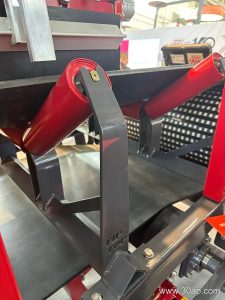
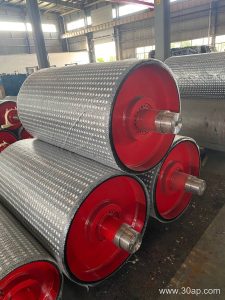
A heavy-load pulley is built around a welded steel shell, usually machined for concentricity. The shell thickness and diameter are selected according to the belt width and the resulting torque. End discs are reinforced and welded to the shaft with double-sided continuous welds. The shaft is sized by torque and radial load, not simply by belt width; common shaft diameters range from Ø50 to Ø200 mm depending on the duty. Bearings are housed in sturdy pillow blocks or flanged bearing housings, and the whole assembly is often protected by a conveyor bracket that aligns with the conveyor frame.
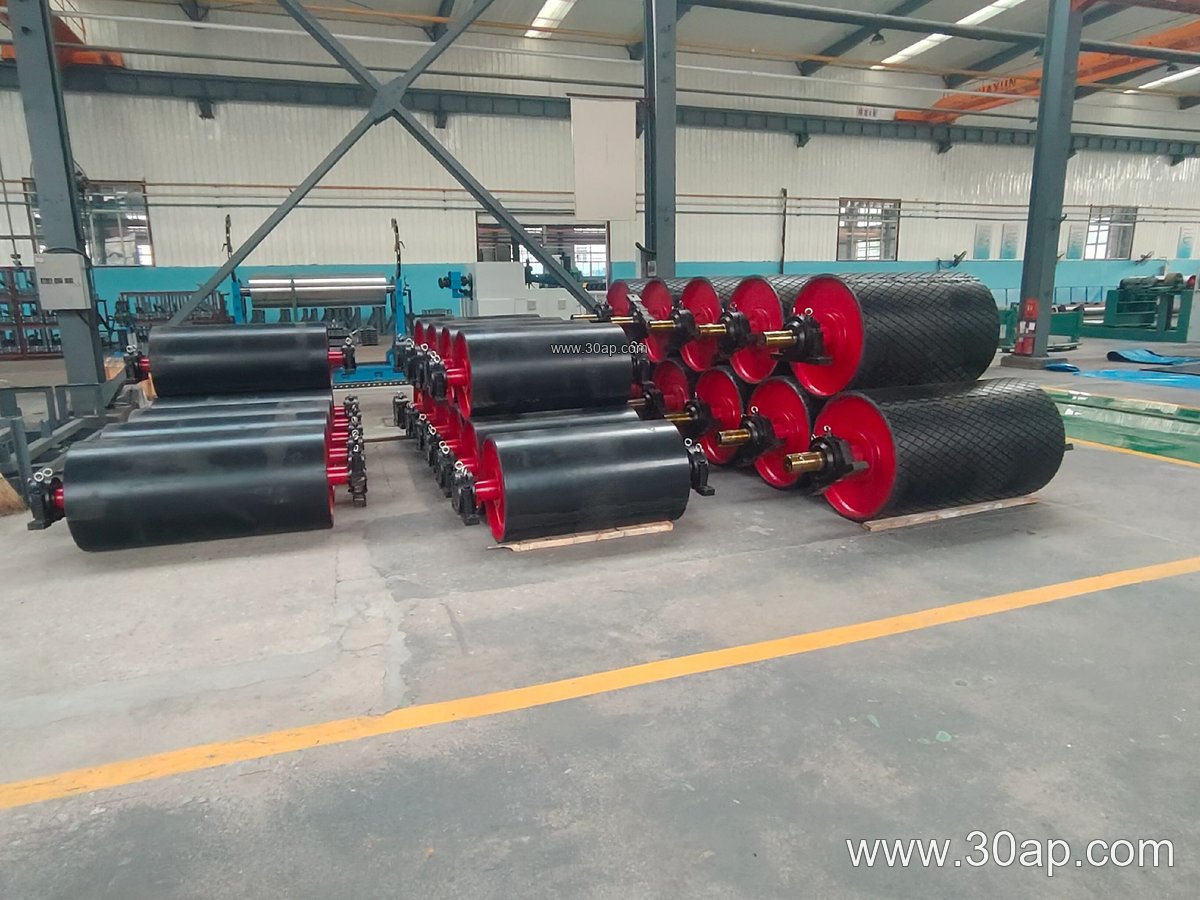
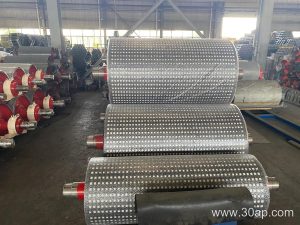
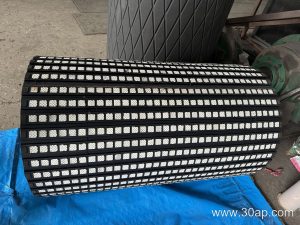
Surface treatment is critical. A plain finish may suit non-drive positions, while drive pulleys frequently use rubber lagging—cold-bonded, hot-vulcanized, or ceramic—to increase friction and reduce belt slip. Lagging thickness commonly falls between 8 mm and 20 mm. Diamond or herringbone patterns help shed water and fines in wet or dusty environments such as a coal washing plant or aggregate yard.
Where Heavy-Load Pulleys Are Used
These pulleys appear in primary crushing circuits, downhill conveyors, and high-capacity ship loaders. In a copper mine, a heavy-load drive pulley may handle a 1,800 mm wide belt carrying ore at high tonnage. In a power plant coal yard, the same class of pulley keeps the coal stream moving through transfer points. The following table shows typical dimensional pairings; note that these are reference examples, not fixed rules, and final selection depends on the actual belt tension and shaft load.
| Belt Width (mm) | Typical Pulley Face Width (mm) | Example Diameter (mm) |
|---|---|---|
| B800 | 950 | Ø500 |
| B1000 | 1150 | Ø630 |
| B1200 | 1400 | Ø1000 |
| B1400 | 1600 | Ø800 |
| B1600 | 1800 | Ø1250 |
Keep in mind that a 1200 mm belt does not exclusively pair with one diameter; a Ø800 or Ø1000 mm pulley may both be viable depending on the wrap angle and belt speed. Similarly, shaft diameter is determined by torque and bearing life, not by belt width alone.
Buyer’s Checklist for Heavy-Load Pulleys
- Load profile: Confirm the maximum belt tension and the radial load the pulley will see. A heavy-load pulley in a primary crusher discharge may face impact loads that require a thicker shell.
- Lagging choice: For dusty conditions like a cement plant, ceramic lagging offers long wear life; for general bulk handling, diamond rubber lagging is common. Specify thickness from 8 to 20 mm as needed.
- Bearing and shaft: Verify that the shaft diameter and bearing type match the calculated torque. Do not assume a Ø100 mm shaft suits every 1000 mm wide belt.
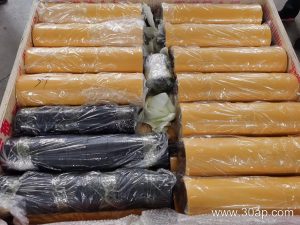
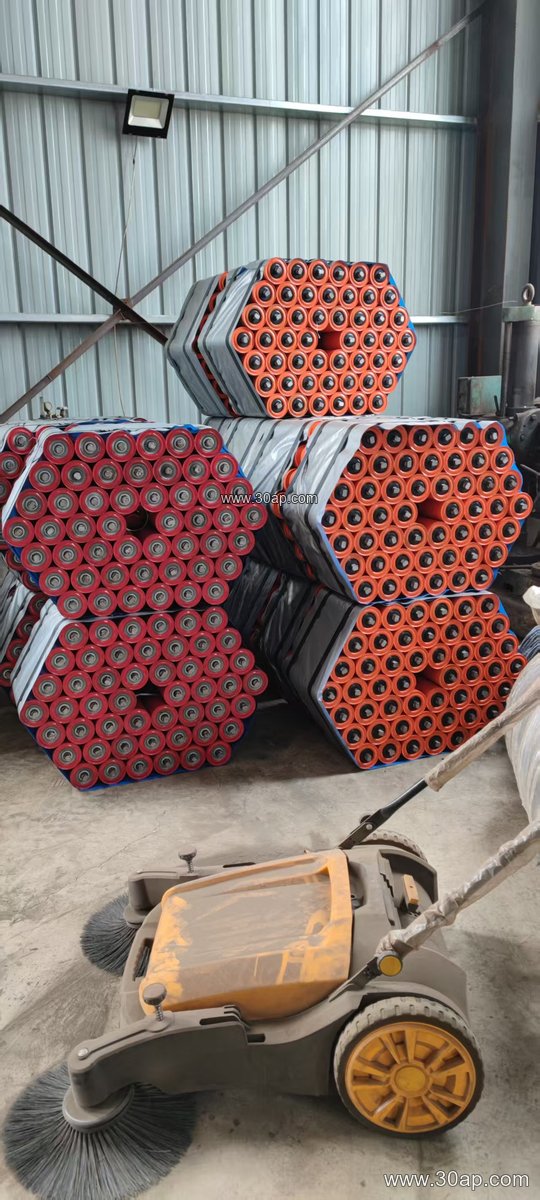
- Compatibility with other components: The pulley works alongside idler roller sets and the conveyor pulley arrangement at the head or tail. Ensure mounting dimensions align with the conveyor bracket.
- Surface finish: Plain, rubber-lagged, or ceramic-lagged surfaces are available. Choose based on slip risk and environmental factors.
Whether the application is a limestone quarry, a sinter plant, or a fertilizer silo, a properly specified heavy-load pulley protects the belt investment and keeps the line running. Always request a dimensional drawing and load calculation from the supplier before ordering.