Where the idler fits in a sand and gravel line
A sand and gravel production line idler is the rotating support that carries the conveyor belt between the head and tail of the conveyor. In a quarry, aggregate plant or crushing and screening circuit, these idlers sit under a heavy, abrasive load that never really stops. The belt may be moving crushed rock, washed sand or a damp blend of both, and every metre of belt is held up by a series of rollers. The idler is a simple component, but its condition decides how much power the drive needs, how long the belt lasts and how often maintenance crews have to walk the line.
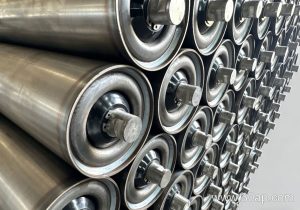
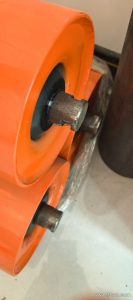
On a typical aggregate conveyor, the belt is supported by troughing idlers on the carrying side and return idlers underneath. The idler roller itself is usually a steel tube fitted with bearing housings at each end, sealed against dust and water, and mounted on a shaft that sits in a conveyor bracket or frame. The quality of the seal matters as much as the tube thickness, because fine sand and grit are relentless once they reach a bearing.
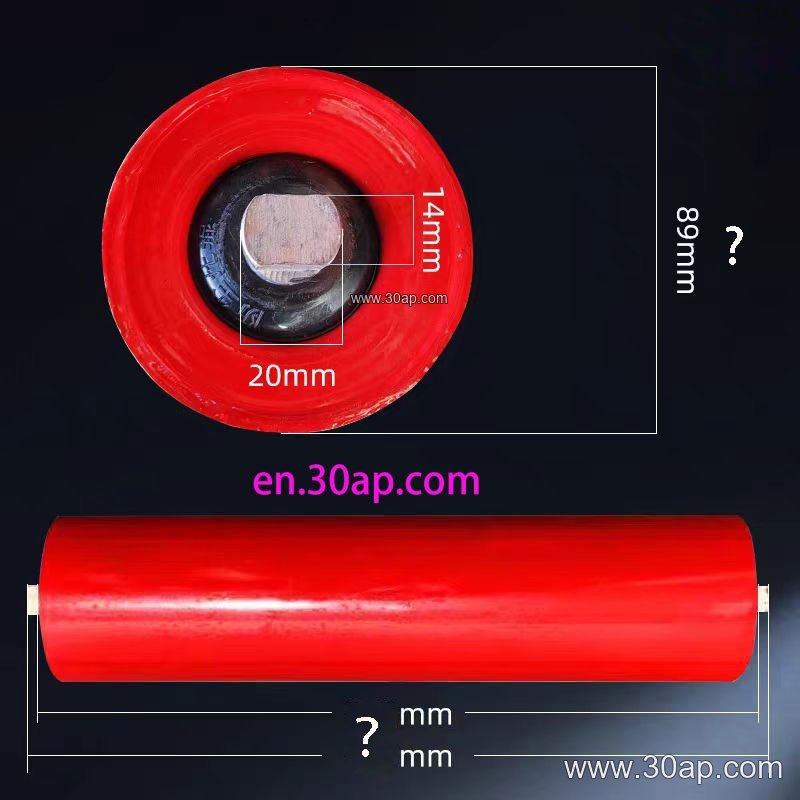
How the idler is built and what the parts do
The main body is a roller shell, commonly steel tube, though nylon, ceramic or rubber-ring versions appear where the duty calls for them. Rubber rings are often chosen at transfer points to soften impact, while ceramic or nylon surfaces may be used where sticking or wear is a concern. Inside, the shaft runs through bearings that are greased for life or fitted with a lubrication point, depending on the design. Common bearing references include 6204, 6205, 6305, 6306, 6308 and 6310, but the bearing should always be matched to the load and the roller diameter rather than picked by habit.
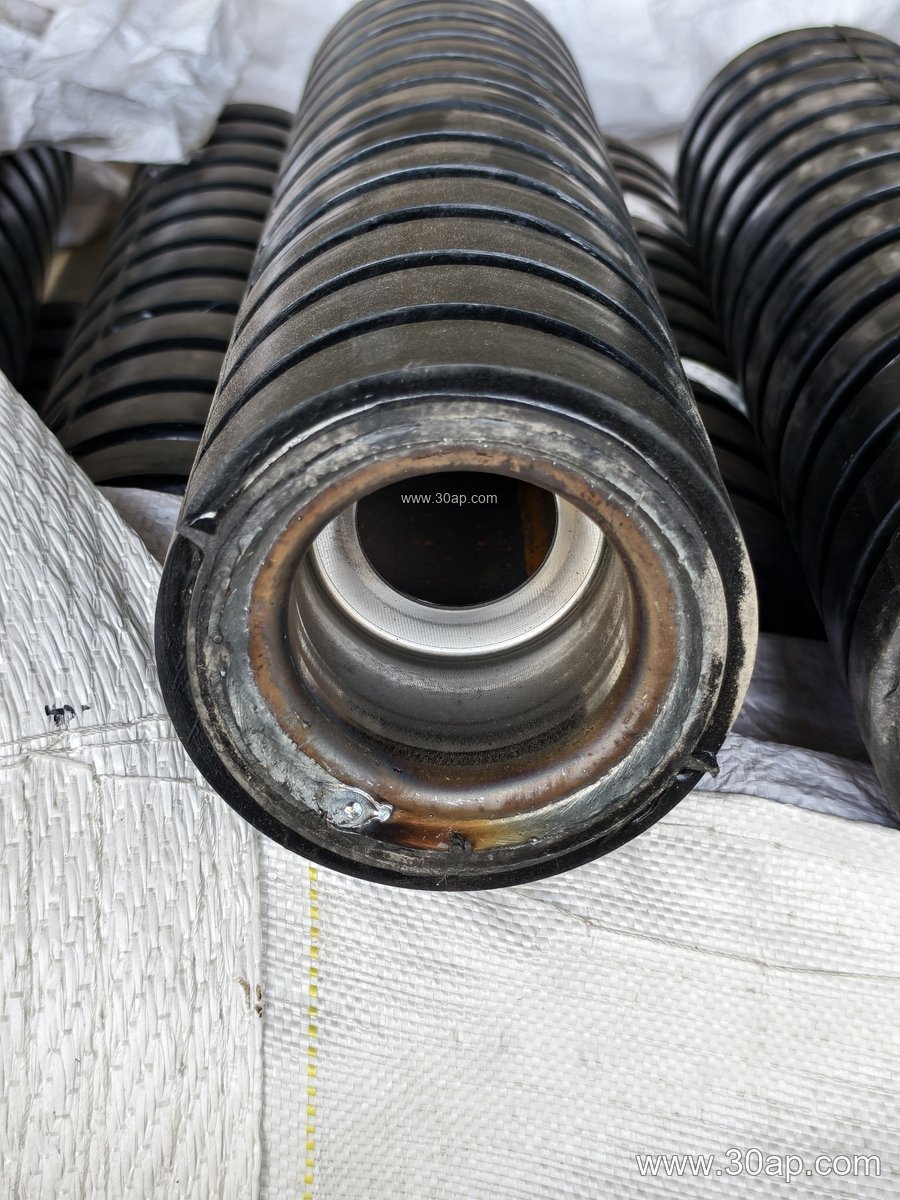
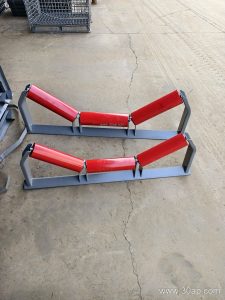
Roller diameters usually range from about Ø63 mm to Ø219 mm. A small diameter suits a light, narrow belt, while larger diameters are used where the load is heavy or the belt is wide. Belt widths in aggregate plants commonly run from B500 to B2000, and the idler length follows the belt width, the trough angle and the number of rolls in the set. A three-roll troughing set is the most common arrangement, and the roll length changes with the belt, for example roughly 200 mm rolls for B500, 315 mm for B800, 465 mm for B1200 and 600 mm for B1600. These are common examples, not fixed rules, and side rolls may differ from the centre roll.
Common idler forms in aggregate duty
- Troughing and carrying idlers, usually in two-roll or three-roll sets, with trough angles of 20, 30, 35 or 45 degrees.
- Transition idlers placed near pulleys to ease the belt from flat to troughed.
- Return idlers, including flat and V-shaped types, supporting the empty belt.
- Impact or rubber-ring idlers under the loading point.
- Self-aligning idlers, including friction and tapered types, to counter belt drift.
- Spiral idlers for sticky material that would otherwise build up on the roller.
Forward tilt of about 1.5 to 2 degrees is sometimes used on carrying idlers to help centre the belt, but it should be applied with care because it also adds resistance.
Matching the idler to the belt and the material
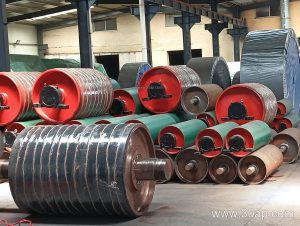
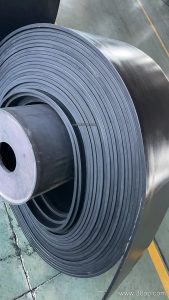
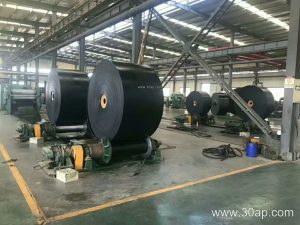
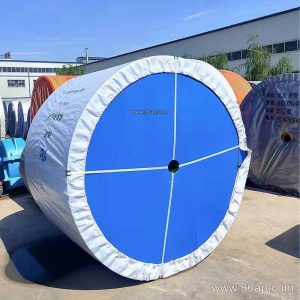
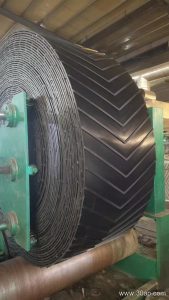
The belt itself is part of the decision. A heavy abrasion resistant conveyor belt running at high tension will benefit from larger rollers and stronger bearings, while a thinner belt on a short transfer may need nothing more than standard troughing idlers. In a crushing circuit, the belt after the primary crusher carries sharp, fast-moving rock, so impact idlers and a robust frame are worth considering. Where the line handles wet sand, spiral or self-cleaning rollers reduce build-up. The idler should never be chosen in isolation from the conveyor pulley layout, because the transition distance and the pulley diameter affect how the belt sits on the first and last idlers.
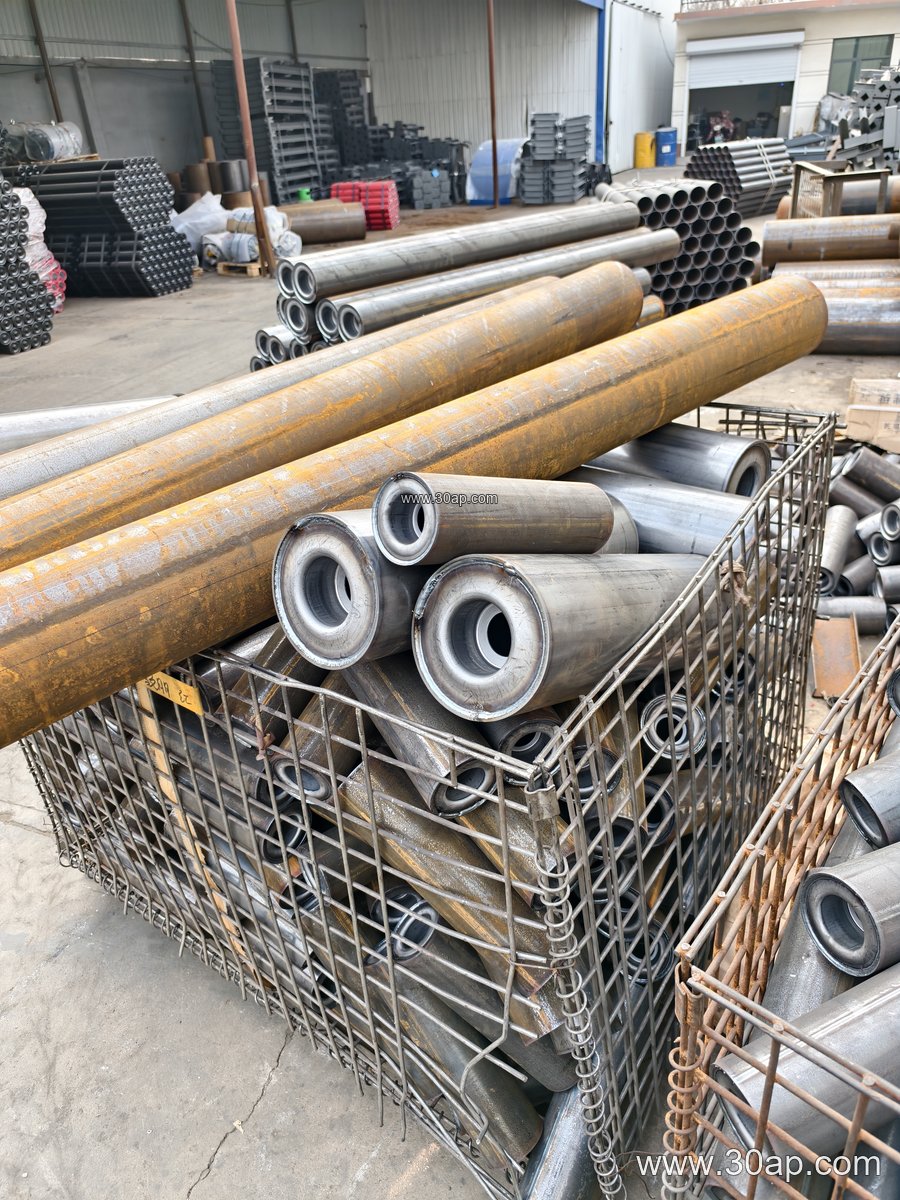
Buyers should ask for the roller diameter, shaft size, bearing reference, seal type, tube wall thickness and the mounting dimensions, and should confirm that the idler frame suits the belt width and trough angle. It also helps to state the belt speed, the material size and whether the line runs in a dusty, wet or cold environment. For a sand and gravel plant, abrasion resistance and seal quality usually matter more than a small difference in roller price.
Maintenance points that keep the line running
Idlers fail quietly. A seized roller will wear a flat spot into the belt, and a wobbly one will damage the frame. Walking the conveyor and listening for noisy or silent rollers is still the simplest check. Re-greasing where grease points exist, keeping the loading point from overflowing, and replacing damaged rollers in matched sets will extend belt life. On a well-run aggregate conveyor, the idler is a low-cost part that protects a much more expensive belt, so the specification deserves proper attention.