What a Heavy-Duty Mining Conveyor Belt Is
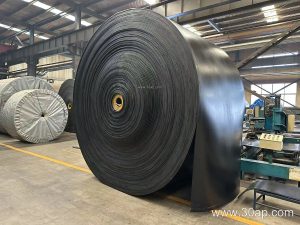
A heavy-duty mining conveyor belt is the load-carrying component of a bulk handling system built for continuous operation in mines, quarries, coal preparation plants, cement works, power stations and sand and gravel yards. It differs from a general-purpose belt in its thicker covers, stronger carcass and reinforced edges, so it can survive sharp rock, wet ore, coarse aggregate and constant flexing over pulleys and idlers. In practice, the same product is often called a heavy-duty conveyor belt for mining, and both names describe one family rather than two different items.
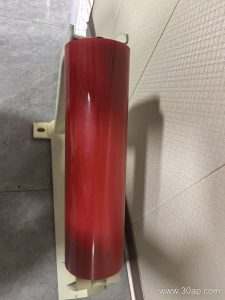
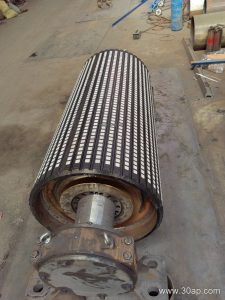
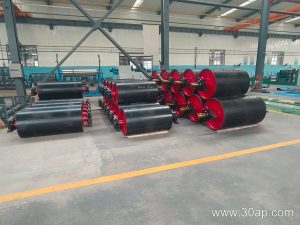
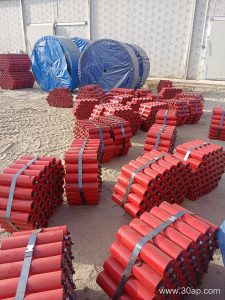
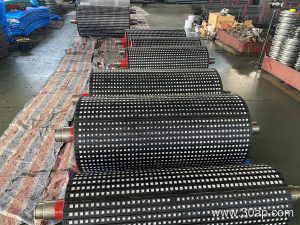
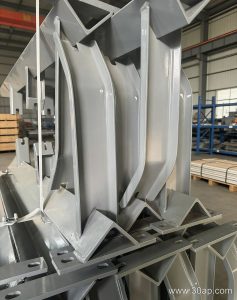
The belt works with a conveyor pulley at the head and tail, idler roller sets along the carry and return sides, and a conveyor bracket structure that keeps everything aligned. Belt quality decides how long those components stay in service, because a wandering or damaged belt loads idlers and pulleys unevenly.
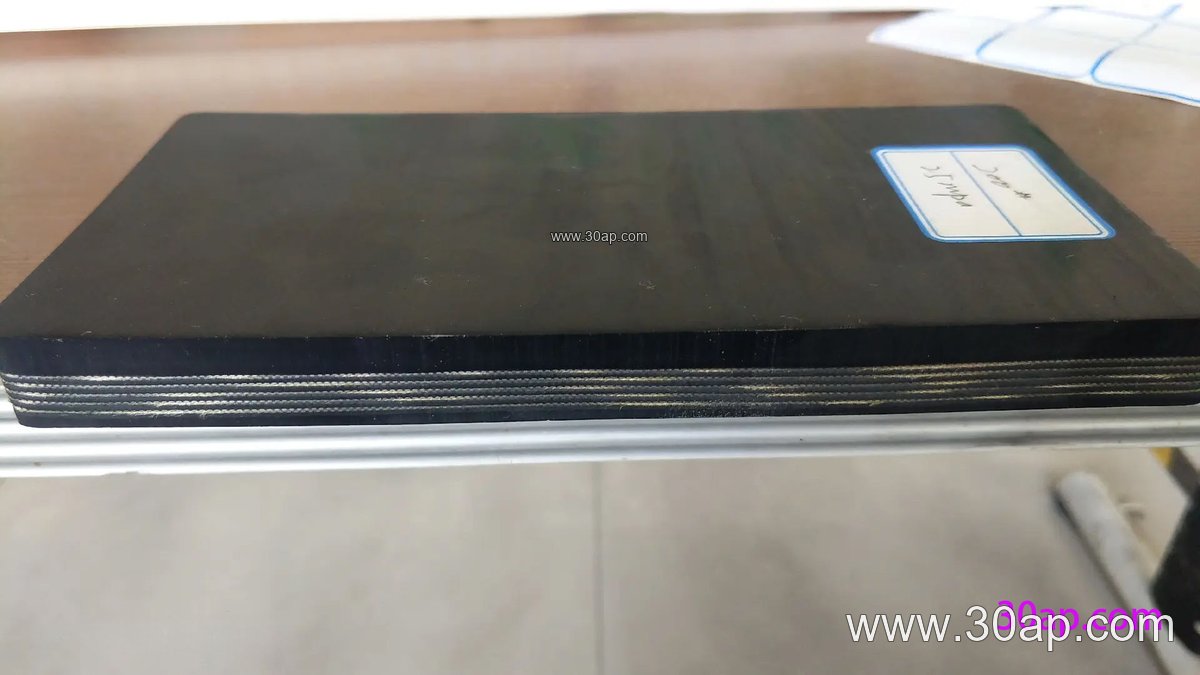
How the Belt Is Built
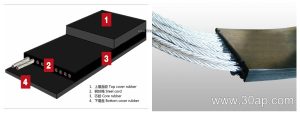
Most heavy-duty mining belts use a fabric core or a steel cord core. Fabric cores are available as EP conveyor belt (polyester warp, nylon weft), NN conveyor belt (nylon warp and weft), and multi-ply fabric core conveyor belt constructions. Steel cord conveyor belt uses brass-plated wire ropes for very long runs and high tension. Rubber covers are bonded to both faces, with the top cover usually thicker because it meets the material directly.
Common cover combinations include 4+2 mm, 5+2 mm, 6+2 mm and 8+3 mm, while carcass plies typically range from 2 to 6 layers. These figures are reference values; final thickness and ply count follow the conveyor design, duty and load.
Construction reference data
| Item | Typical options | Notes |
|---|---|---|
| Core type | EP, NN, steel cord | Selected by tension and run length |
| Strength grade | EP200 to EP2000; ST1000 to ST3150 | Grade must match calculated tension |
| Belt width | B500, B650, B800, B1000, B1200, B1400, B1600, B1800, B2000 | Width follows tonnage and lump size |
| Cover thickness | 3+1.5, 4+2, 5+2, 6+2, 8+3 mm | Top and bottom cover respectively |
| Ply count | 2 to 6 | Fabric core belts |
Where It Fits in the Plant
Underground coal mining conveyor belt duty usually calls for flame retardant and anti-static properties, often met by PVG conveyor belt or PVC mining conveyor belt designs. Surface operations such as an iron ore conveyor belt or copper ore conveyor belt may put abrasion resistance first, with a high abrasion resistant conveyor belt cover protecting against sharp fines. Cement plants and power plants often combine heat resistant conveyor belt covers near clinker or ash with standard covers elsewhere.
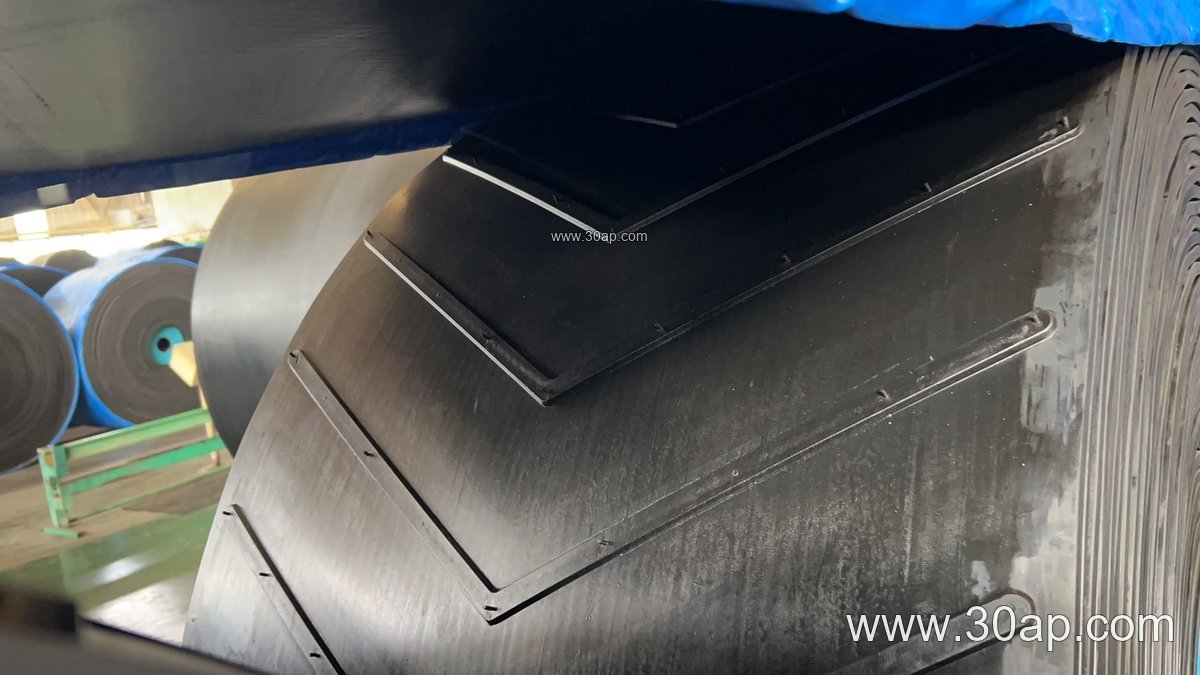
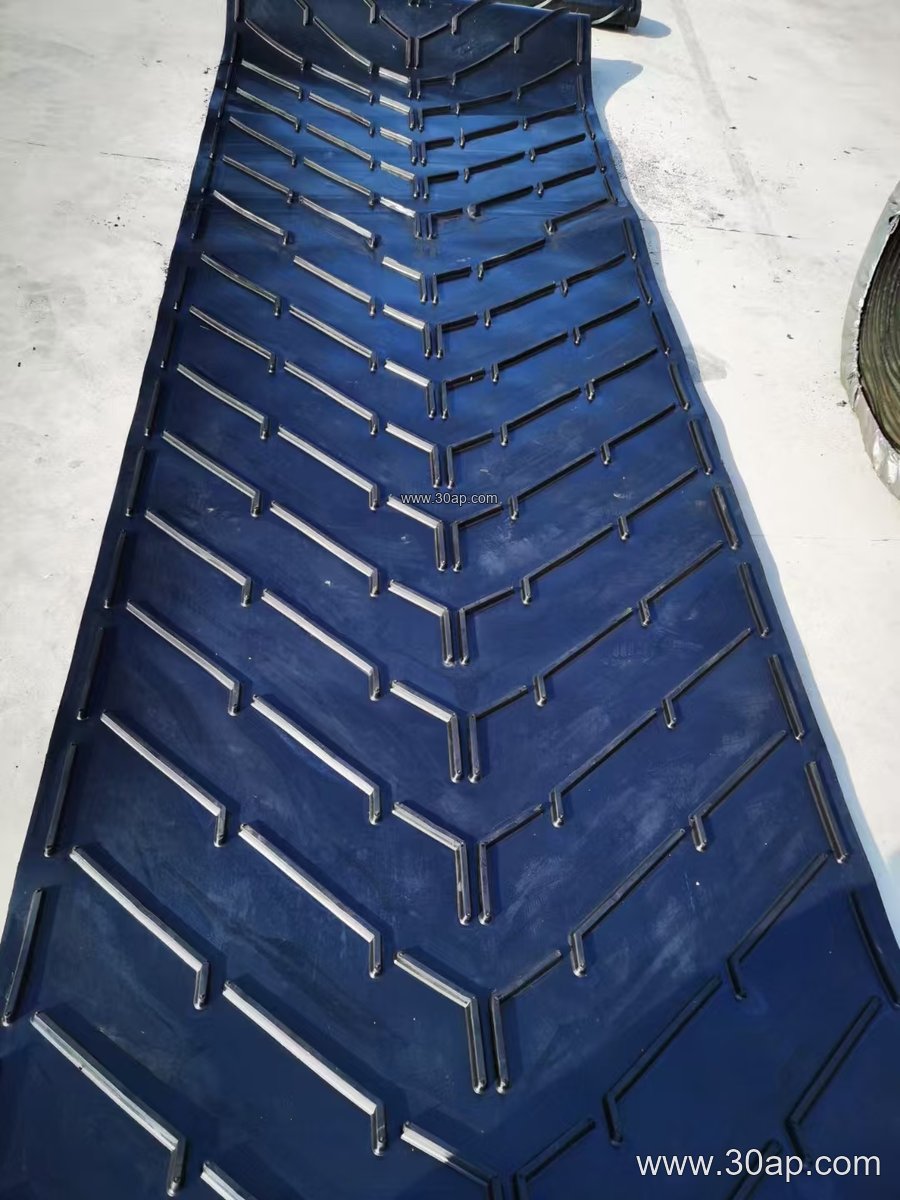
Other working conditions change the compound choice: oil resistant conveyor belt for oily feedstock, cold resistant conveyor belt for winter sites, acid resistant or chemical resistant conveyor belt near processing chemicals, and impact resistant conveyor belt under crusher discharge. A chevron conveyor belt or corrugated sidewall conveyor belt handles steep inclines, while a pipe conveyor belt encloses the load for dust control. Each of these is a different subtype, so specify the one your route needs rather than assuming any belt will do.
Selection Points for Buyers
- Confirm the calculated tension and choose the strength grade accordingly; do not size by belt width alone.
- Match cover grade to the material: abrasive rock, hot clinker, oily scrap or wet coal each needs a different compound.
- Check pulley diameters against belt thickness and carcass type with the conveyor designer; there is no fixed one-to-one pairing between belt width and pulley diameter.
- State the ambient and material temperature, since heat and cold both shorten cover life.
- For underground work, confirm flame retardant and anti-static requirements with the site safety team.
- Plan splicing: an endless conveyor belt joint made at installation reduces weak points compared with mechanical fasteners.
Installation and Maintenance Notes
Alignment is the first defence against edge damage. Keep idler roller frames square, check that every conveyor pulley is level, and inspect conveyor bracket fixings after the first weeks of running. Retension the belt gradually, since over-tensioning shortens splice life. Clean spillage from return idlers so material does not grind into the bottom cover.
Inspect covers for cuts, exposed carcass and edge fraying; small repairs done early are cheaper than a full replacement. Track wear patterns: heavy wear in the centre suggests loading impact, while edge wear points to misalignment or skirt rub. Keep a spare length of the same specification so a repair does not force a mismatched splice.
For a Mining Conveyor Belt used in severe duty, records of cover thickness, ply count and splice history make later replacement straightforward and help the whole conveyor line, from belt to idler roller and pulley, run predictably.