What the Discharge-End Pulley Does
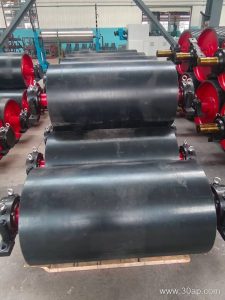
At the head of a conveyor line, the discharge-end pulley is the drum that finally releases the belt and throws the load into a chute, stockpile, or transfer point. It is the same component many plants call a head pulley or terminal drum, and its job is simple to state but demanding in practice: grip the belt without slipping, keep it centered, and hand off material cleanly. In a quarry, a cement clinker line, or a power plant coal yard, this drum is often the last thing the conveyor belt touches before the cycle repeats.
The discharge-end pulley is not a drive pulley and not a tail pulley. A drive pulley transmits torque from the gearbox; a tail pulley turns freely at the loading end; a bend pulley changes belt direction mid-run. Confusing these roles leads to the wrong specification, because each position loads the drum differently.
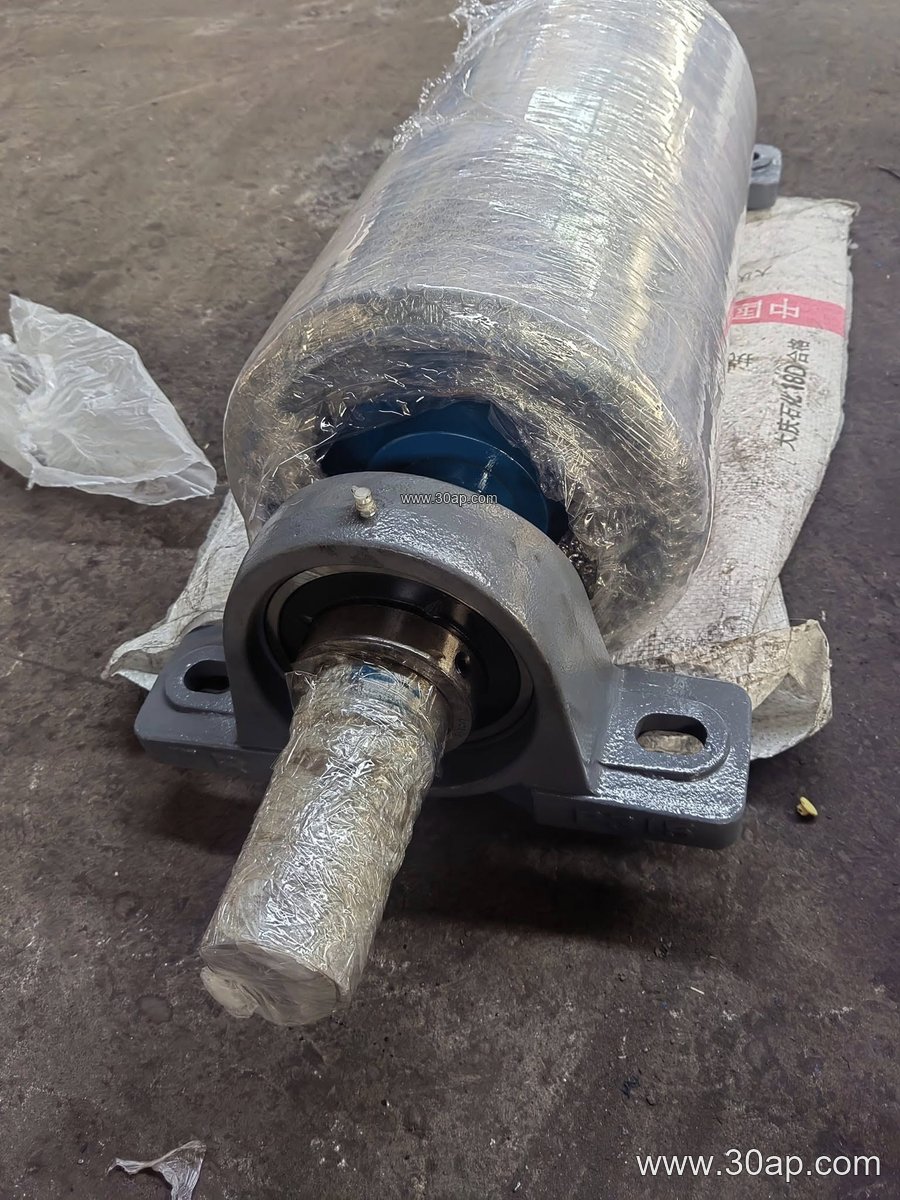
Construction and Surface Options
Most discharge-end pulleys are welded steel drums with a machined shell, end discs, and a through-shaft or stub shafts. The shell may be plain, or it may carry lagging to improve grip and protect the belt. Common surface forms include plain face, hot-vulcanized rubber, cold-bonded rubber, diamond grooving, herringbone grooving, and ceramic lagging. Lagging thickness is often 8, 10, 12, 15, or 20 mm, chosen according to belt speed and load.
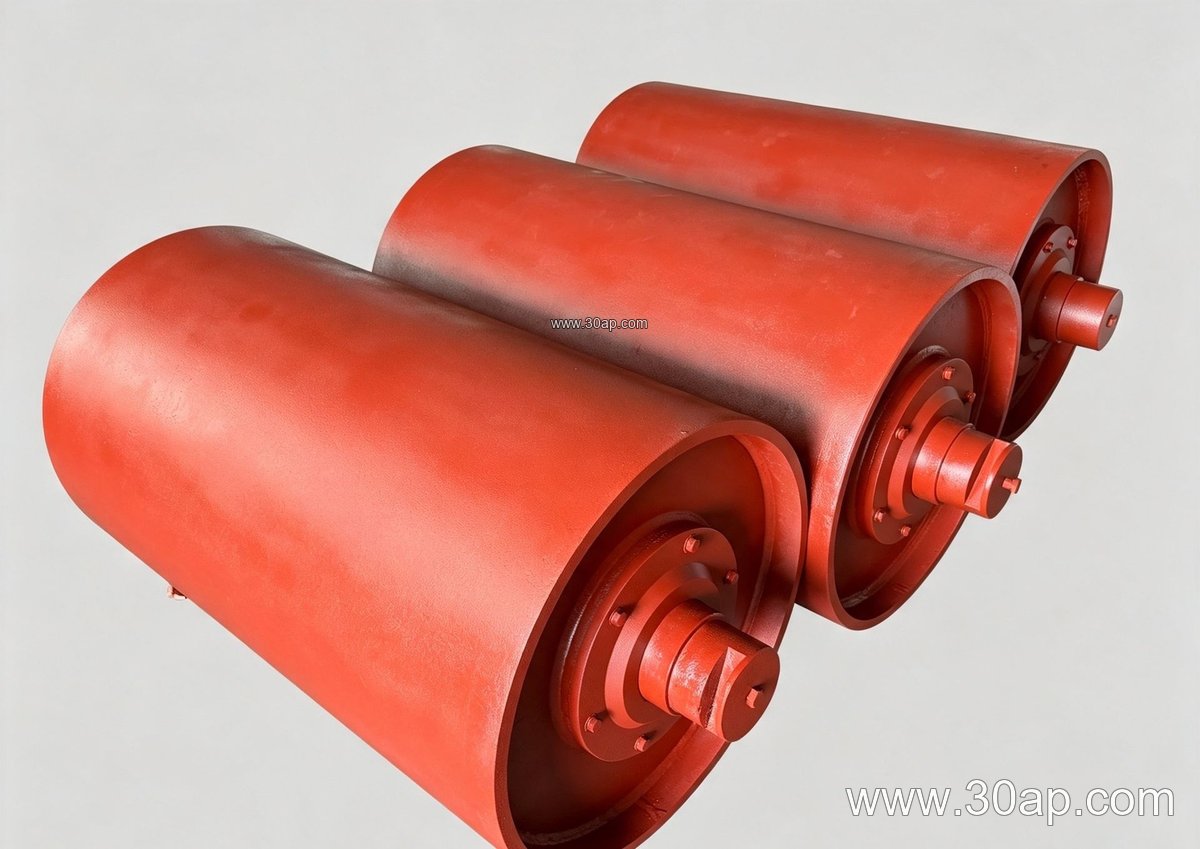
Diameter and face width are not arbitrary. A B800 belt typically runs on a pulley face around 950 mm wide, while B1200 may use about 1400 mm and B1400 about 1600 mm. Diameter is selected with belt tension, wrap angle, and shaft load in mind; a B1200 × Ø1000 combination is common in heavy service, and a B800 × Ø500 unit suits lighter duty. Shaft diameter is determined by torque and bearing load, not by belt width alone.
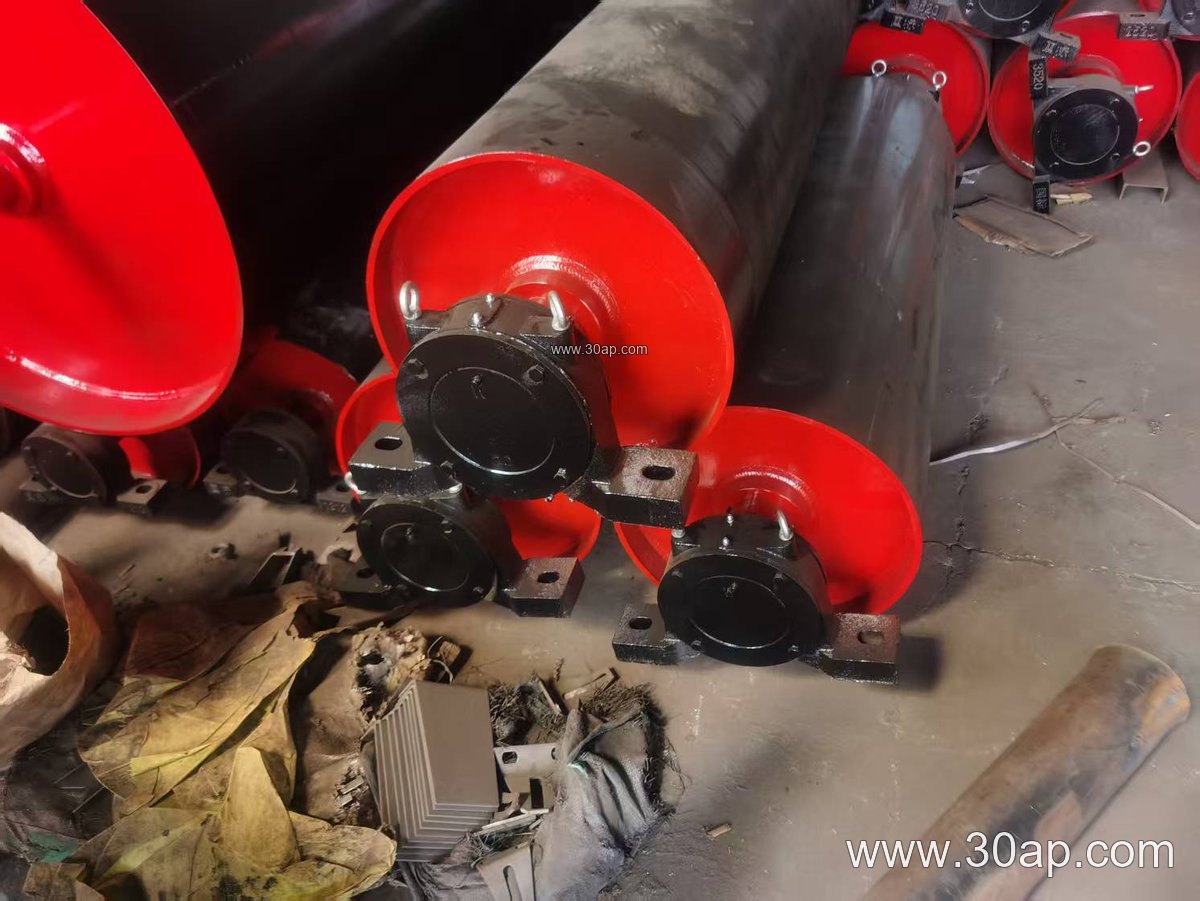
Where It Fits in the Plant
You will find the discharge-end pulley at the transfer tower of an aggregate conveyor, at the head of a crusher feed line, and at the boom of a ship loader. In a coal mining conveyor or an underground coal mining conveyor, it must cope with fines, moisture, and sometimes flame retardant belt grades. In a cement plant it may handle hot clinker, so heat resistant conveyor belt grades and heat-tolerant lagging matter. For ore conveyor duty in an iron ore or copper ore circuit, abrasion resistant conveyor belt and high abrasion resistant conveyor belt grades pair well with a robust drum surface.
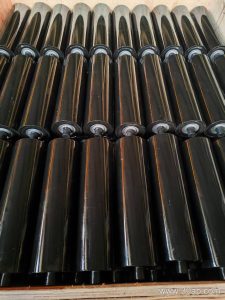
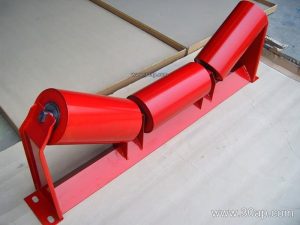
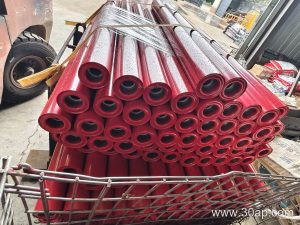
Related hardware matters too: conveyor brackets hold the bearing housings, idler rollers support the belt on the approach, and the conveyor pulley itself must align with the chute so material does not build up on the shell.
Selection Notes for Buyers
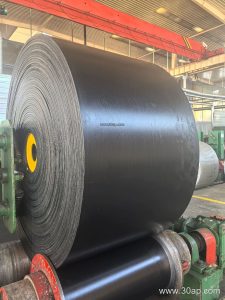
Start with the belt and the duty. A multi-ply fabric core conveyor belt or an EP conveyor belt such as EP100, EP200, or EP300 may call for a moderate drum diameter, while a steel cord conveyor belt like ST1000 or ST1600 usually needs a larger diameter to limit bending stress. Flame retardant conveyor belt and fire resistant conveyor belt requirements affect lagging choice in underground mining conveyor and coal mining conveyor service. In food or chemical lines, oil resistant conveyor belt or chemical resistant conveyor belt grades guide the rubber compound.
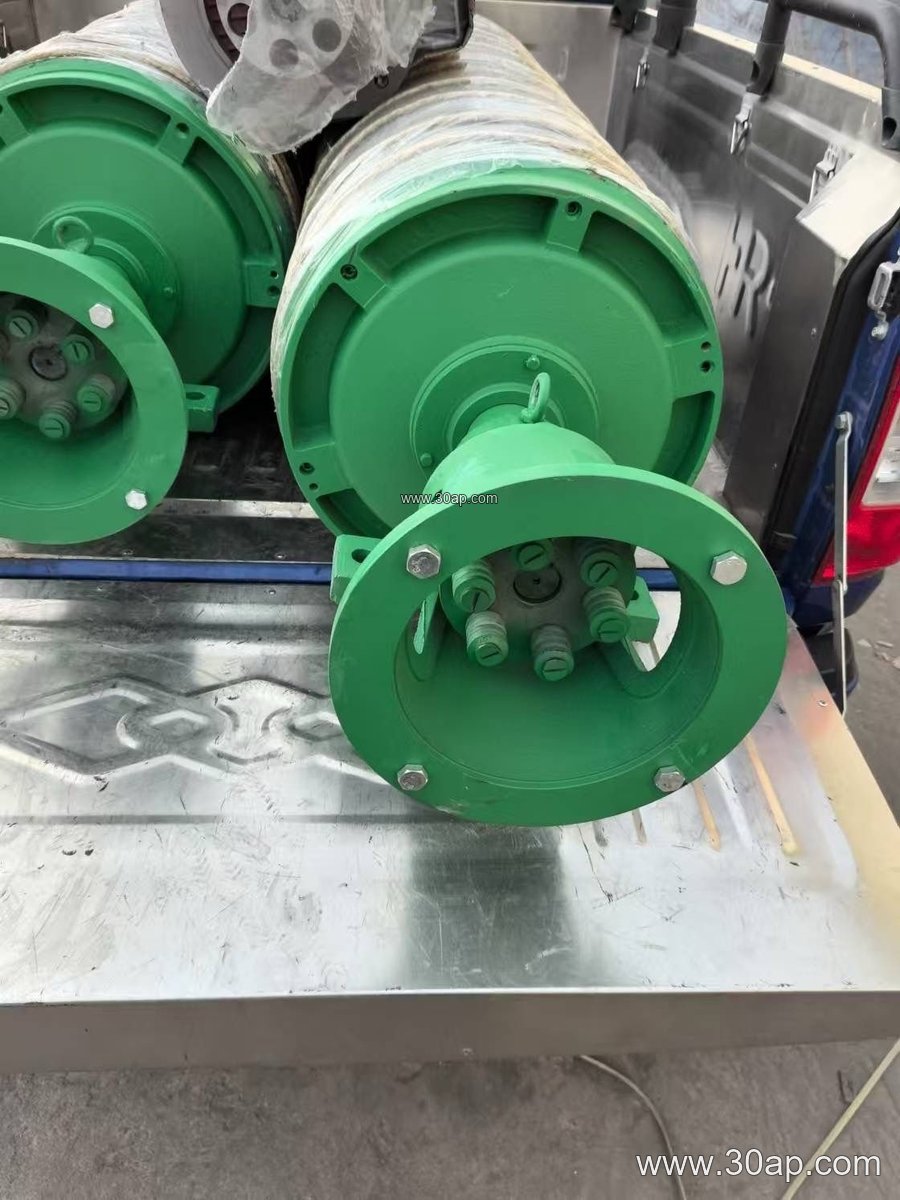
Ask for the drum face width relative to belt width, the lagging pattern, the shaft size, and the bearing type. A discharge-end pulley for a 1200mm wide conveyor belt is not the same as one for a 650mm belt, and no single diameter is mandatory for a given width.
Maintenance and Wear Checks
Inspect lagging for wear, glazing, or missing ceramic tiles. Check that the belt tracks centrally and that no material wraps the drum. Verify bearing temperature and lubrication, and confirm that conveyor brackets and the pulley shaft remain aligned after heavy loads. A worn discharge-end pulley can cause belt slip, edge damage, and spillage, so replacement planning should begin before the lagging reaches the shell.