What a Heavy-Duty Mining Conveyor Belt Is
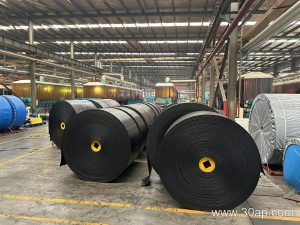
A heavy-duty mining conveyor belt is the load-carrying component engineered for continuous haulage of abrasive rock, coal, ore and aggregate in mines, quarries and processing plants. Unlike a general-purpose belt, this mining conveyor belt is specified around high impact at the loading point, sharp material edges and long centre distances. The same product is often called a heavy-duty conveyor belt for mining, and buyers in coal, cement, steel, power and sand-making plants should treat the two names as one item with one set of duty requirements.
Construction and Rubber Compounds
The carcass carries tension while the rubber covers protect it from wear and the environment. Common builds include multi-ply fabric core with EP or NN plies, and steel cord for very high tension and long runs. Cover grades are chosen by duty: abrasion resistant rubber for crusher discharge, heat resistant grades near sinter or clinker, flame retardant and anti-static compounds for underground coal mining, and oil resistant covers where lubricants or oily feedstock are present.
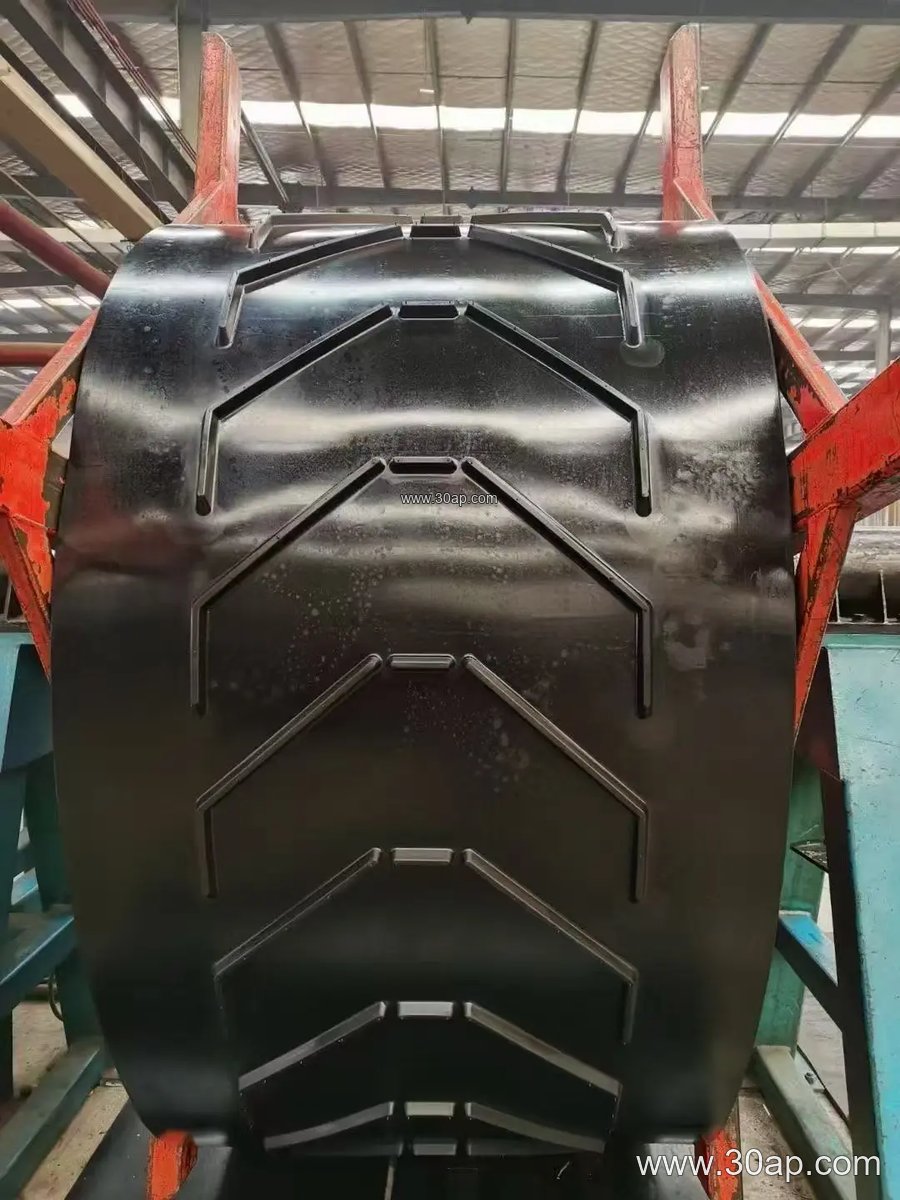
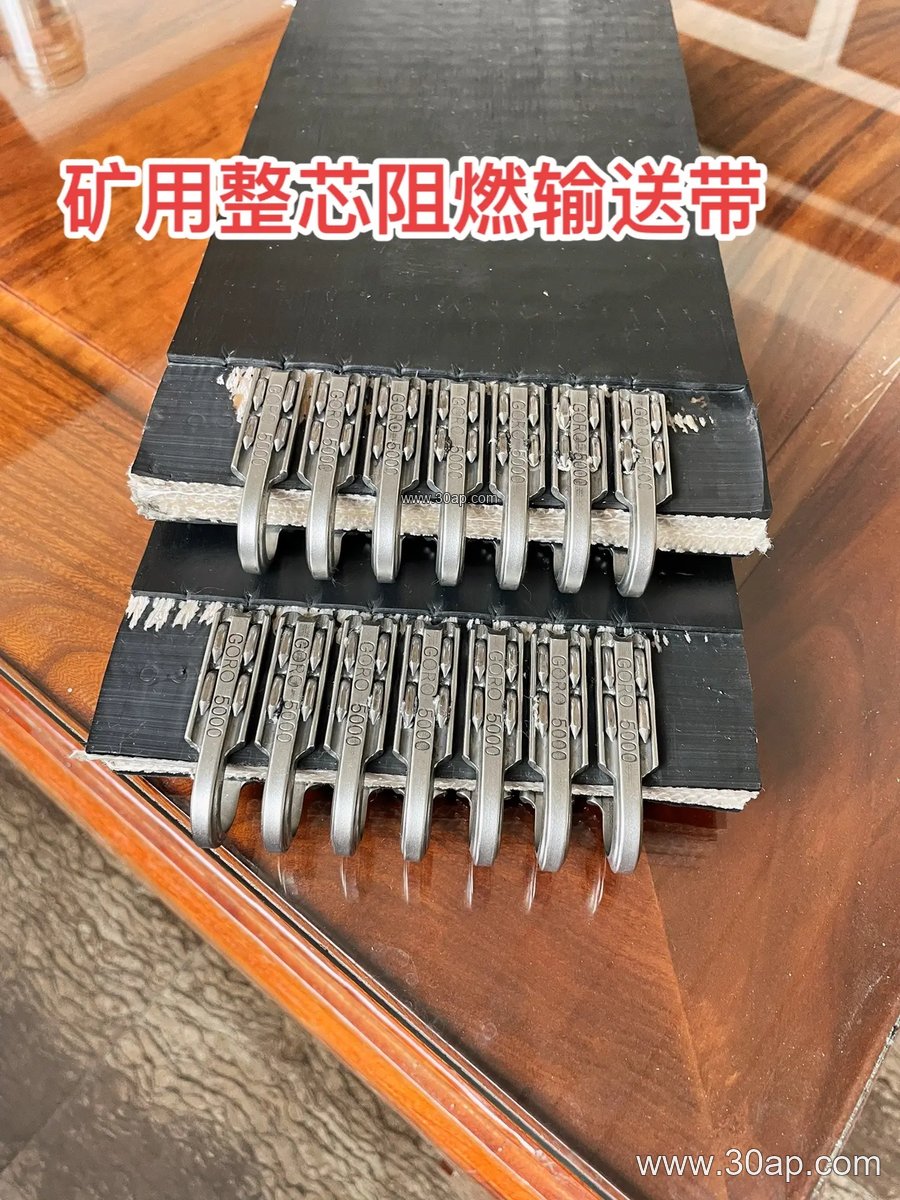
- Top and bottom cover thickness is usually written as a pair, for example 6+2 mm or 8+3 mm.
- Fabric carcass normally runs from 2 to 6 plies depending on strength class.
- Edge construction and skim rubber affect resistance to edge tearing.
Typical Specifications and Reference Data
The table below groups common reference values; actual supply is confirmed by design, and no single width is tied to one pulley diameter.
Strength Classes and Belt Widths
| Item | Common reference values |
|---|---|
| EP strength grades | EP200, EP315, EP400, EP500, EP630, EP800, EP1000, EP1250, EP1600, EP2000 |
| Steel cord grades | ST1000, ST1250, ST1600, ST2000, ST2500, ST3150 |
| Belt width | B500, B650, B800, B1000, B1200, B1400, B1600, B1800, B2000 |
| Cover thickness | 3+1.5, 4+2, 5+2, 6+2, 8+3 mm |
| Fabric plies | 2 to 6 |
For example, an EP1000 belt at 1200 mm width may suit a primary crushed ore line, while a 1800 mm wide EP1250 or ST2000 construction is more typical of high-capacity trunk conveyors. These are examples, not fixed rules.
Where It Works
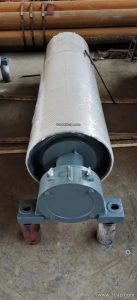
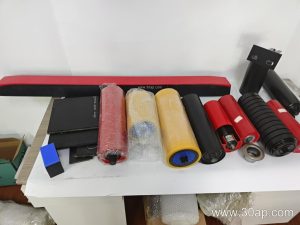
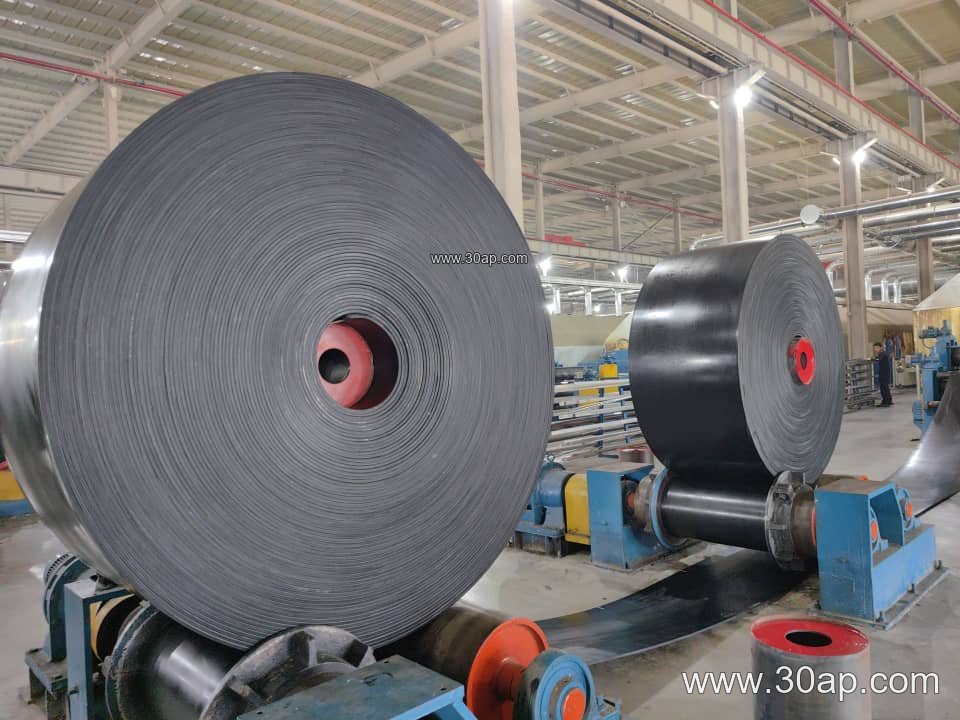
Heavy-duty mining belts appear on primary and secondary crusher discharge, overland conveyors, stockyard and port loading systems, and underground coal mining sections. In cement plants they move limestone and clinker; in power plants, coal; in sand and aggregate plants, crushed stone and sand. Related hardware such as the idler roller, conveyor pulley and conveyor bracket must match the belt’s tension and tracking behaviour, but they remain separate components from the belt itself.
Buyer Checklist
- Define material size, lump weight, moisture and temperature before choosing cover grade.
- Confirm tension class from the conveyor profile, not from belt width alone.
- Check impact resistance at transfer points; consider impact idlers and adequate top cover.
- For underground coal, specify flame retardant and anti-static properties.
- Ask for cover thickness, ply count and carcass type in writing.
Matching the belt to the actual duty, rather than to a catalogue default, is the surest way to reduce splice failures and premature cover wear in mining service.