What an Ore Conveyor Idler Does
An ore conveyor idler is the rotating component that supports the conveyor belt and the load it carries in mines, quarries, and mineral processing plants. Unlike a conveyor pulley, which drives or redirects the belt, idlers are stationary in position and roll under the belt to reduce friction. The term ore conveyor idler often refers to the troughing idler set on the carrying side, but it also covers return idlers, impact idlers, and self-aligning designs used in the same duty. In a typical iron ore or copper ore handling line, these idlers must cope with heavy lumps, abrasive dust, and continuous operation.
Construction and Common Types
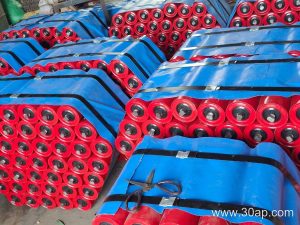
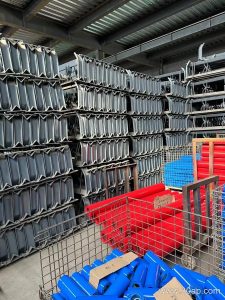
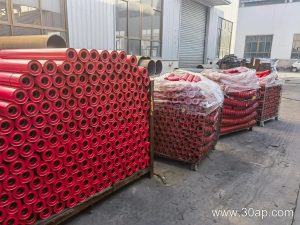
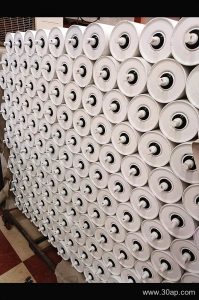
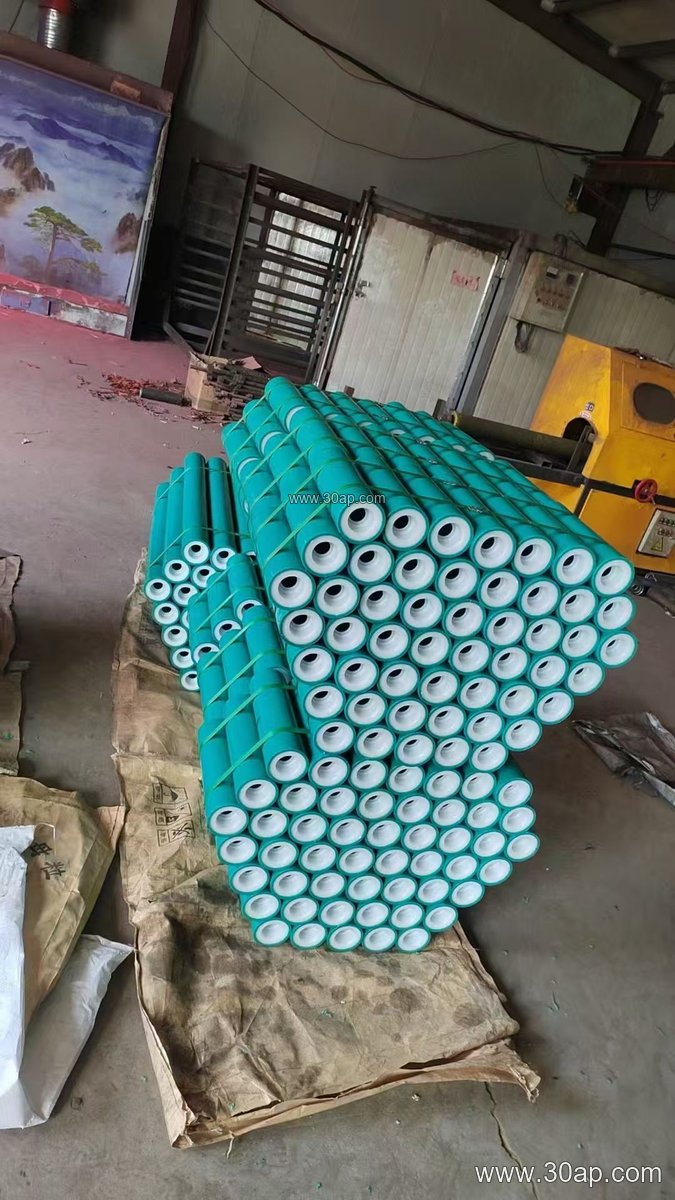
A typical idler roller consists of a steel tube shell, bearing housings, a shaft, and a sealing system. The shell may be plain steel, nylon-coated, or fitted with rubber rings for impact absorption. Bearing sizes such as 6204, 6205, 6305, 6306, 6308, and 6310 are common, matched to the load and speed of the application rather than to a single roll diameter.
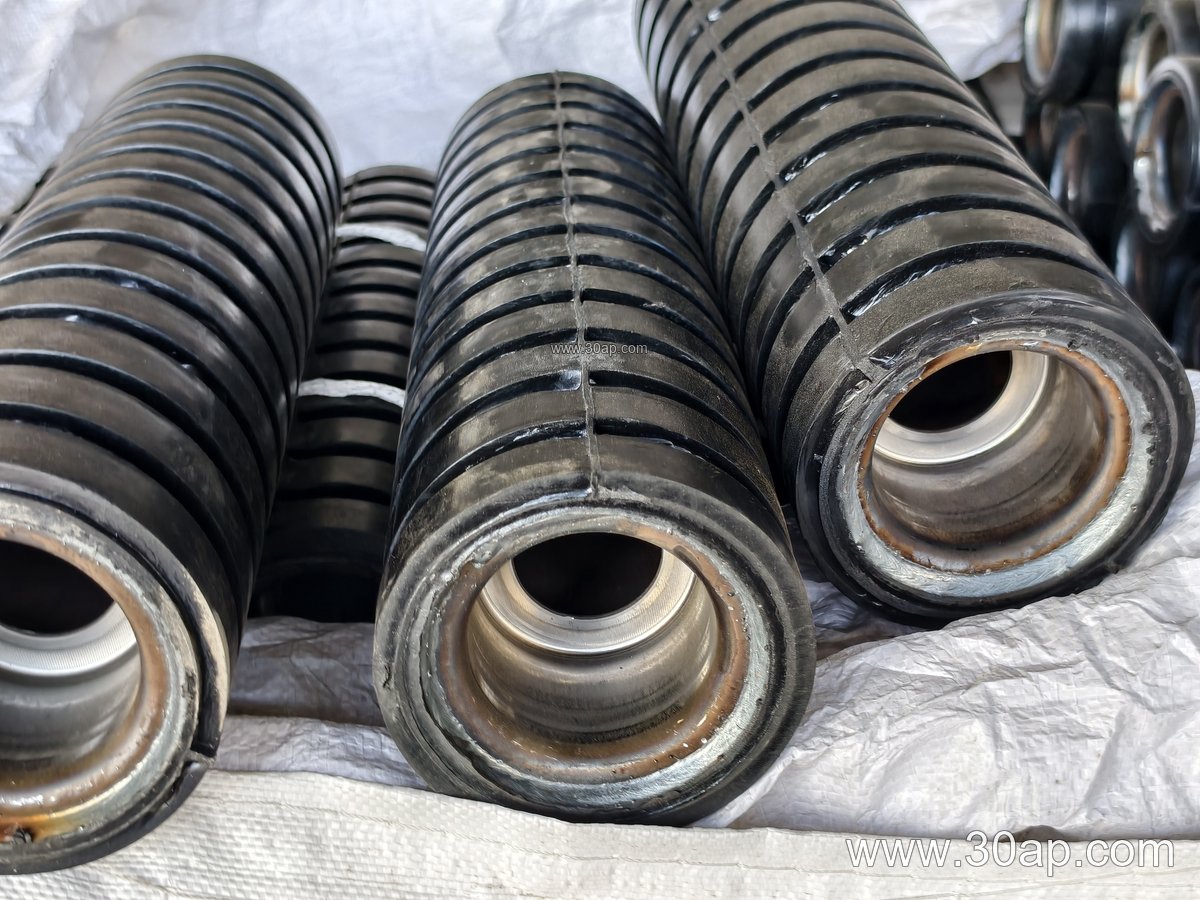
For ore handling, several subtypes appear:
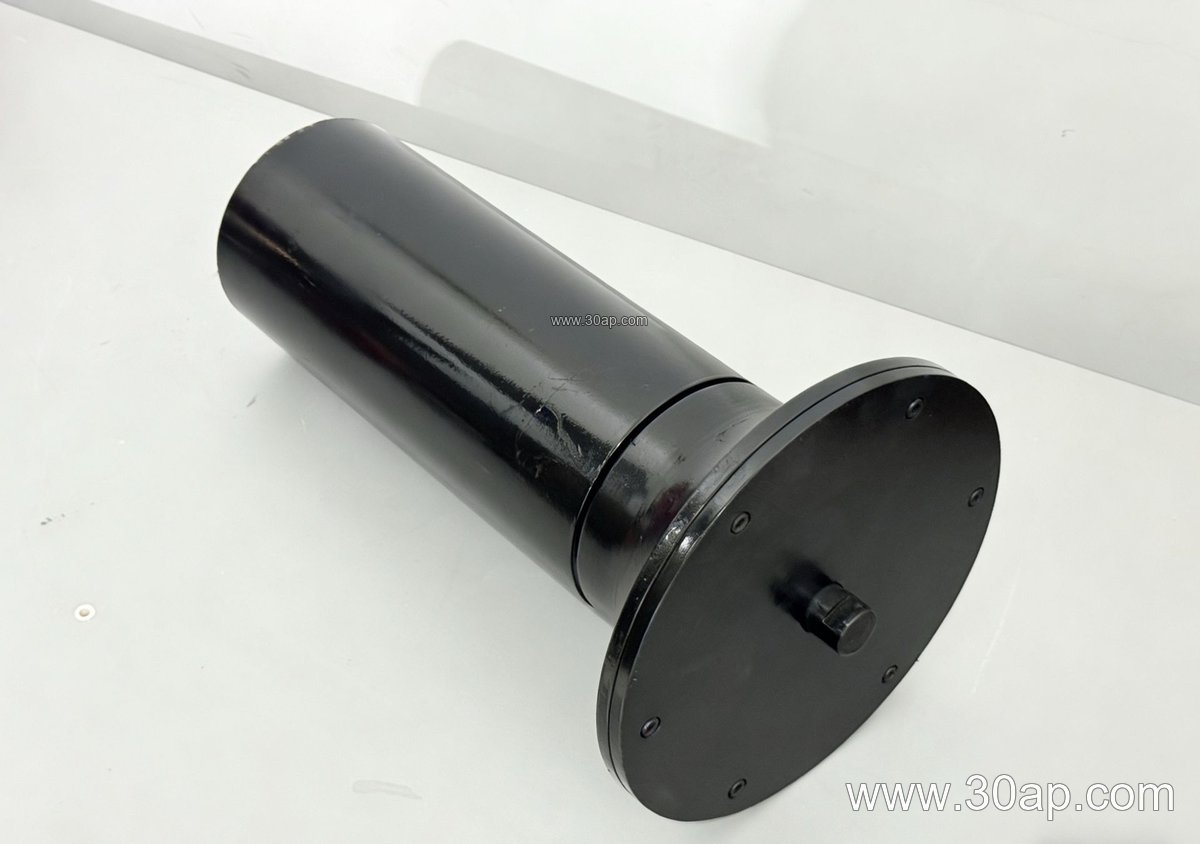
- Troughing idler sets with two or three rolls, set at a trough angle of 20, 30, 35, or 45 degrees to shape the belt.
- Impact idlers or rubber-ring impact idlers placed at transfer points to cushion falling ore.
- Return idlers, including flat and V-type, to support the empty belt.
- Self-aligning idlers, sometimes with a slight forward tilt of about 1.5 to 2 degrees, to correct belt tracking.
These are not interchangeable with drive, tail, or bend pulleys, which serve different functions in the conveyor system.
Where Ore Conveyor Idlers Are Used
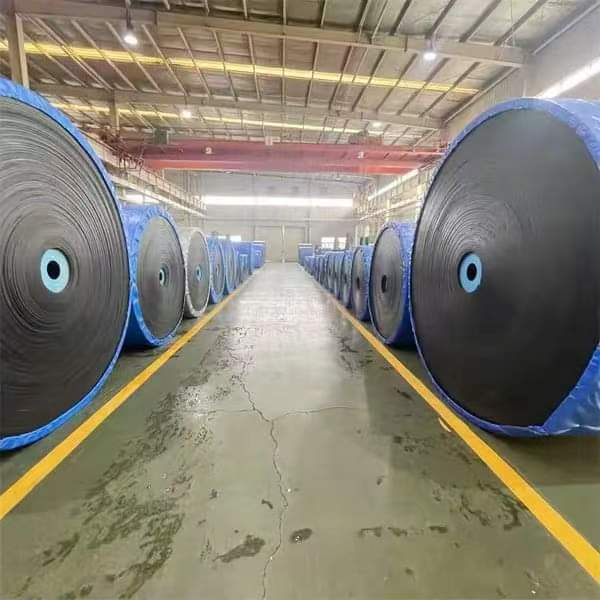
You will find ore conveyor idlers in crushing and screening circuits, wash plants, and bulk terminals. In a limestone quarry, troughing idlers carry crushed rock from the primary crusher to the stockpile. In a coal preparation plant, return idlers keep the belt aligned on the return strand. The same components appear in cement plants, power station coal yards, and port loading facilities. The conveyor belt, idler roller, and conveyor bracket work together as a system, so idler selection should consider the whole installation.
Key Dimensions and Reference Data
Idler dimensions follow the belt width and the idler set configuration. Common roll diameters include Ø63, Ø76, Ø89, Ø102, Ø108, Ø127, Ø133, Ø159, Ø178, Ø194, and Ø219 mm. Belt widths range from B400 to B2400. The table below gives typical reference values for three-roll troughing sets; actual roll lengths, side roll lengths, and shaft sizes are determined by the conveyor design.
| Belt Width | Typical Roll Length (three-roll set) | Common Trough Angle | Example Roll Diameter Range |
|---|---|---|---|
| B500 | 200 mm | 20–35 degrees | Ø63–Ø89 mm |
| B650 | 250 mm | 20–35 degrees | Ø76–Ø108 mm |
| B800 | 315 mm | 20–35 degrees | Ø89–Ø127 mm |
| B1000 | 380 mm | 30–45 degrees | Ø102–Ø133 mm |
| B1200 | 465 mm | 30–45 degrees | Ø108–Ø159 mm |
| B1400 | 530 mm | 30–45 degrees | Ø127–Ø178 mm |
| B1600 | 600 mm | 35–45 degrees | Ø133–Ø194 mm |
| B1800 | 670 mm | 35–45 degrees | Ø159–Ø219 mm |
These figures are common examples, not fixed combinations. The side rolls of a troughing set may differ from the center roll, and the shaft diameter is selected from load calculations.
Buyer Checklist
When specifying an ore conveyor idler, consider the material lump size, belt speed, and the amount of fines and moisture. For transfer points, impact idlers with rubber rings reduce belt damage. For long return runs, V-type return idlers help tracking. Check that the bearing seal suits dusty conditions and that the bracket matches the conveyor frame. Ask for the idler roller diameter, shell thickness, bearing number, and sealing arrangement rather than assuming a standard. A well-chosen idler set extends conveyor belt life and reduces maintenance in any mining, quarry, or bulk handling operation.