What a Herringbone Grooved Lagged Pulley Does
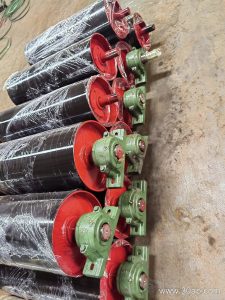
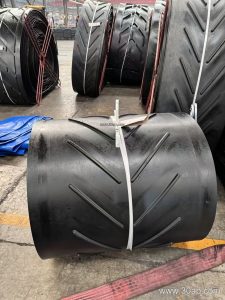
A herringbone grooved lagged pulley is a conveyor pulley whose shell carries a rubber or composite lagging cut with V-shaped grooves that meet at the centre of the face. The pattern looks like a herringbone, and it is there for a practical reason: it channels water, fine dust and slurry away from the contact patch while keeping the friction between pulley and belt high. In a quarry, a coal preparation plant or a power plant coal yard, that combination of grip and self-cleaning is often what keeps a drive from slipping on a damp morning.
The product is also described in the trade as a chevron grooved rubber lagged pulley or a V-groove lagged drum pulley. Those names refer to the same item; the grooving direction is what changes, not the function.
How the Grooving and Lagging Are Built
The pulley body is usually a welded steel drum with machined end discs, hubs and a shaft. Lagging is applied over the shell, either as hot-vulcanised rubber bonded under pressure or as a cold-bonded sheet, and the grooves are then cut or moulded into the surface. A common arrangement is a centre groove that splits the herringbone, so the two halves push contamination outward instead of trapping it under the belt.
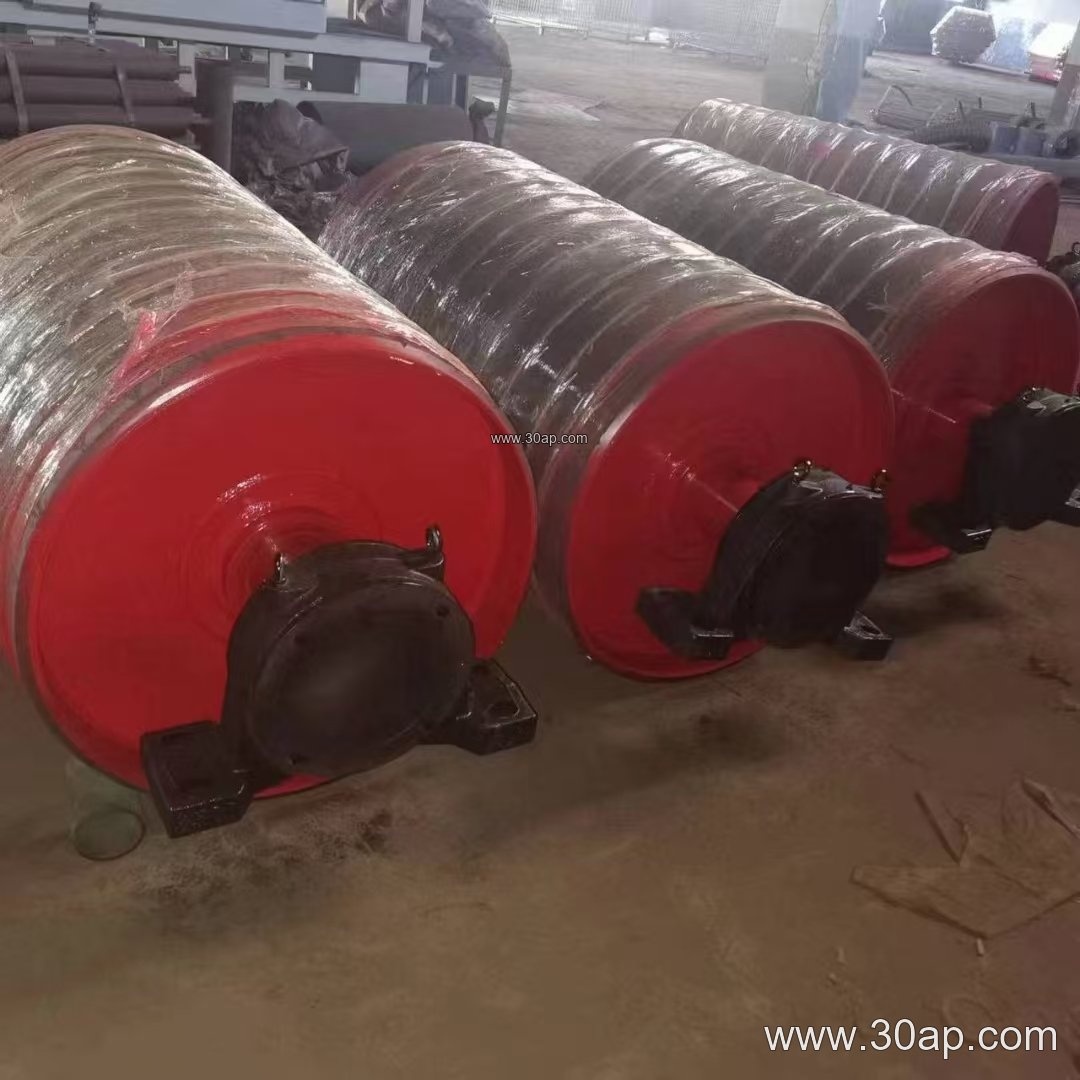
- Groove depth and pitch are chosen to suit belt thickness and the amount of carry-back expected.
- Lagging thickness is commonly 8, 10, 12, 15 or 20 mm; heavier covers suit high-torque drives.
- Rubber hardness and groove profiles are selected together, since too soft a cover can wear quickly in abrasive service.
The shaft diameter is determined by torque and bearing load, not by belt width alone. A B800 pulley might run on a Ø80 shaft in one conveyor and a larger shaft in another where the drive torque and overhung load are higher.
Where the Herringbone Pattern Fits Best
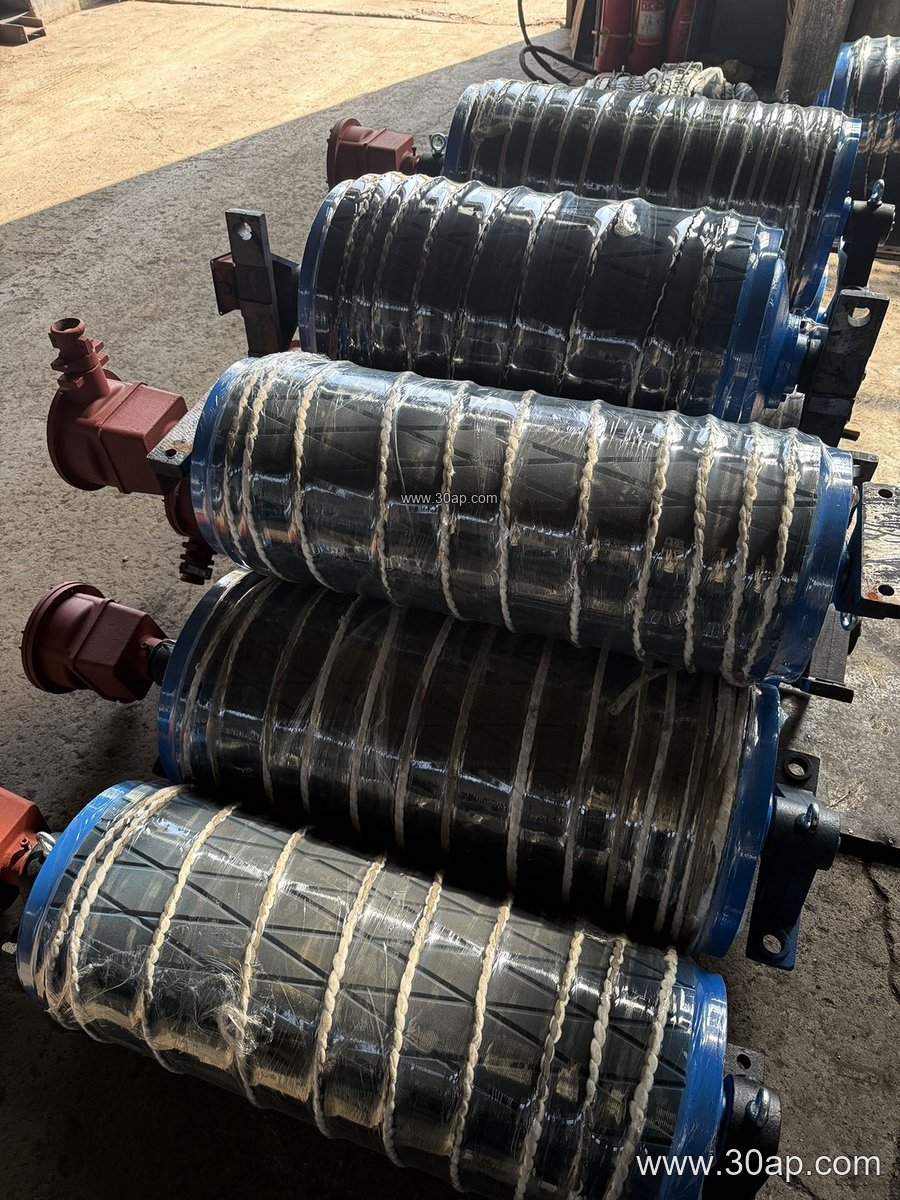
This surface form is most often specified for drive pulleys, and sometimes for bend or snub positions where wrap angle is limited. It is a poor choice for a tail pulley that sees heavy impact from large lump feed, because the grooves do not protect the shell from shock. In that position a plain or diamond-lagged drum is usually more appropriate.
Typical duty includes:
- Wet or washed aggregate on a quarry conveyor belt, where slurry sits on the shell.
- Coal handling in a preparation plant or power station, with fine dust and moisture present.
- Cement plant clinker and raw meal circuits, where carry-back builds up on return runs.
- Ore conveyors in iron ore and copper ore plants, where belt tensions are high.
Because the grooves drain the interface, a herringbone lagged drum also reduces the risk of material packing between belt and pulley, which is a common cause of belt tracking drift.
Sizes, Widths and Related Components
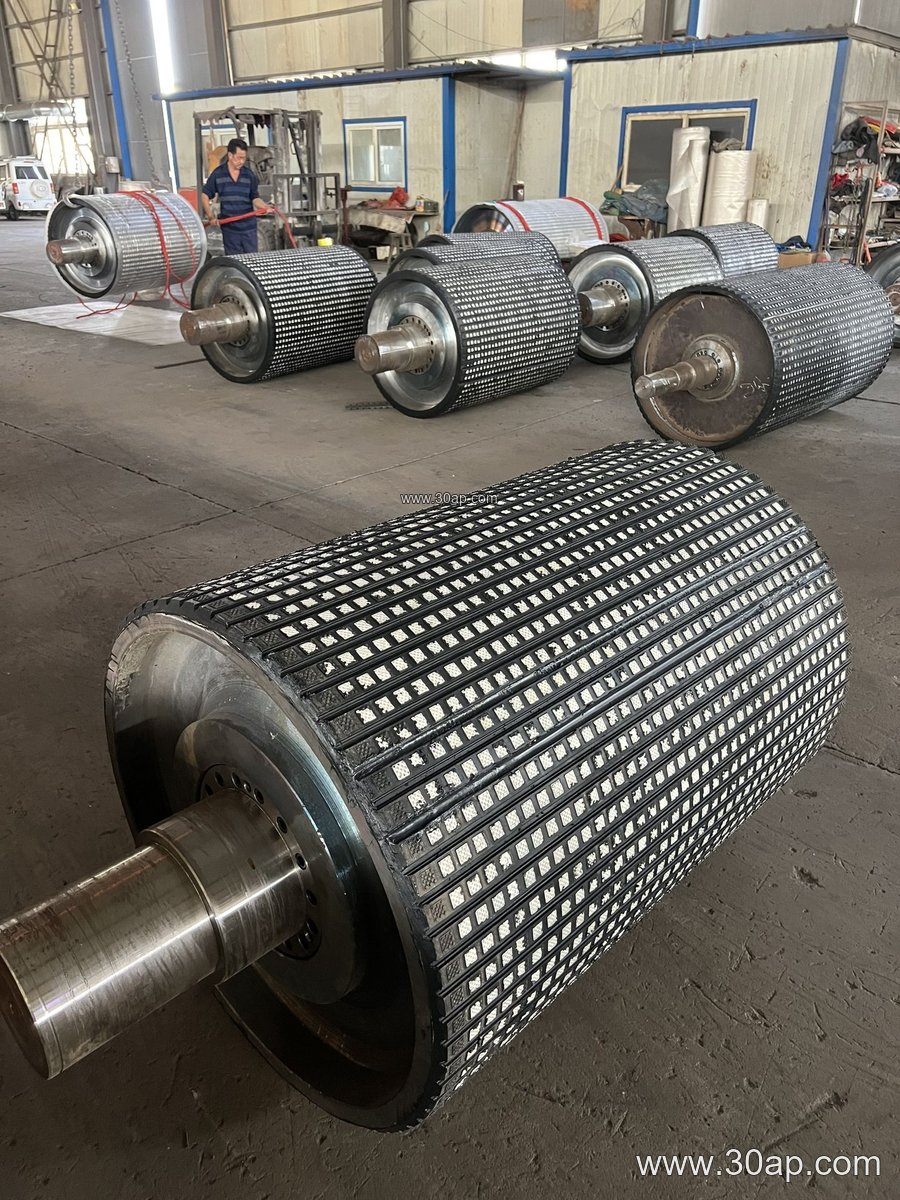
Drum sizes are matched to belt width and to the required wrap and torque. The table below gives representative combinations; final values come from the conveyor design.
| Belt width | Typical face width | Common drum diameter |
|---|---|---|
| B500 | about 600 mm | Ø250 to Ø400 |
| B650 | about 750 mm | Ø315 to Ø500 |
| B800 | about 950 mm | Ø400 to Ø630 |
| B1000 | about 1150 mm | Ø500 to Ø800 |
| B1200 | about 1400 mm | Ø630 to Ø1000 |
| B1400 | about 1600 mm | Ø800 to Ø1250 |
Face width is normally slightly greater than belt width. Shaft sizes in the range Ø50 to Ø200 are common across the whole family, again set by load calculation rather than by width.
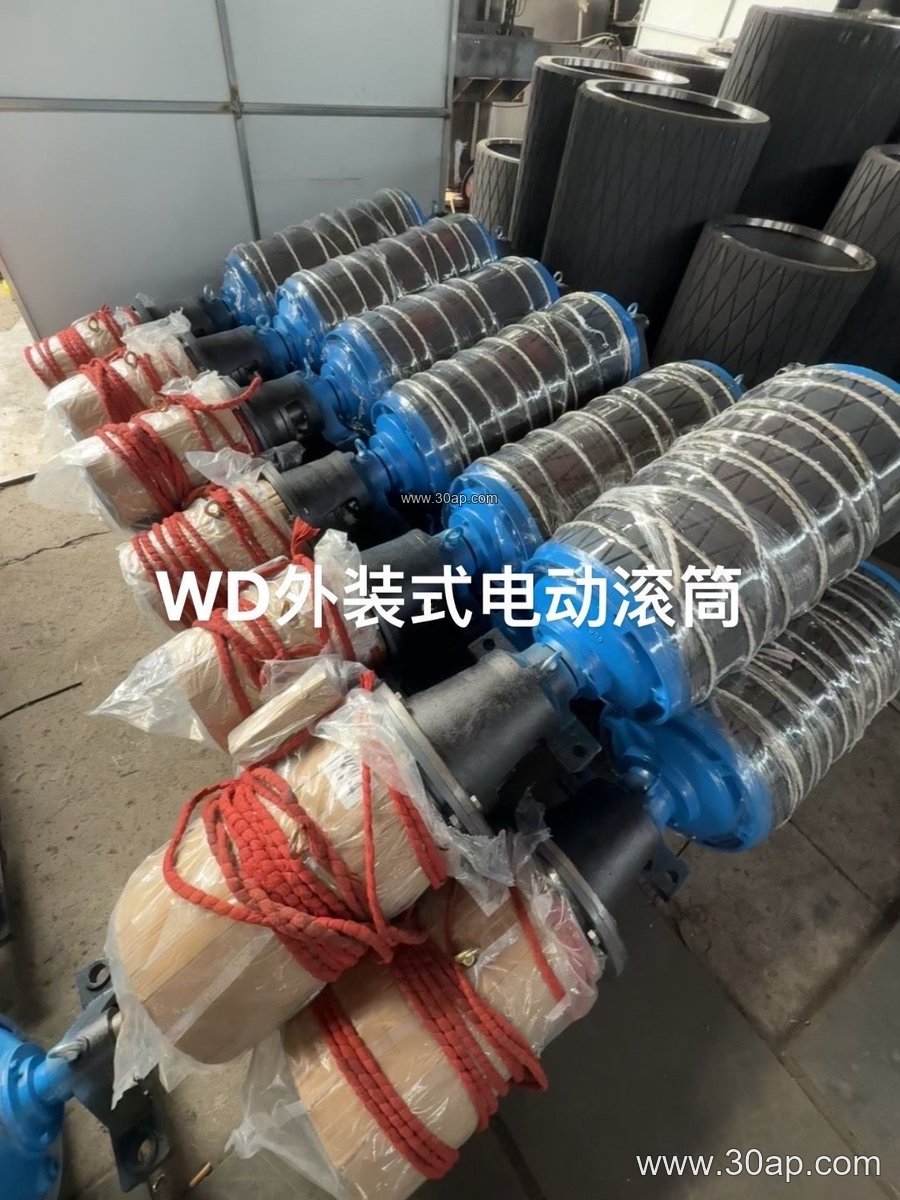
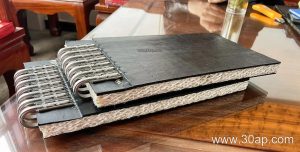
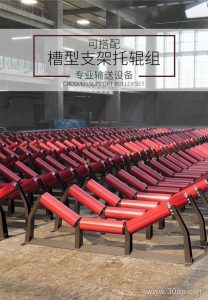
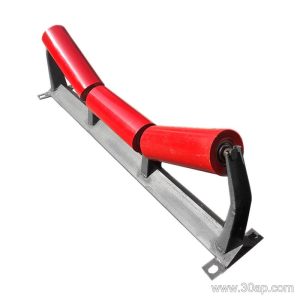
The pulley never works alone. It sits in a conveyor bracket, turns against the belt, and cooperates with the idler roller set on the carry and return sides. On a heavy-duty mining conveyor belt carrying abrasive rock, the lagging grade, groove depth and belt cover quality all interact; a soft drum cover will wear fast if the belt itself sheds grit. Matching the drum to a suitable abrasion resistant conveyor belt, or to a flame retardant conveyor belt in underground coal mining, is part of the same selection.
Buyer Checklist Before Ordering
- Confirm the position: drive, tail, bend or snub. Grooving suits drive and low-wrap positions best.
- State belt width, belt type and belt tension so the drum diameter and shaft can be sized.
- Describe the environment: wet, dusty, oily or hot. Oil resistant and heat resistant belt grades usually call for a matching lagging compound.
- Give the lagging thickness and groove pitch you need, or ask for a recommendation based on carry-back volume.
- Check the interface with the conveyor bracket and bearing housings, and confirm shaft end details.
- Ask how the lagging is bonded and whether grooves are cut after vulcanisation, since this affects groove edge quality.
For plants using EP conveyor belt or steel cord conveyor belt constructions, note the belt’s own pulley-side cover and stiffness when specifying groove depth. A very stiff belt with a thick cover needs a groove profile that still allows full contact at the crown of the drum.
Installation and Upkeep
Alignment matters more than most people expect. A drum that is out of square with the belt will wear one side of the herringbone pattern faster and lose grip unevenly. After installation, check that the belt tracks centrally and that no material lodges in the centre groove. During scheduled shutdowns, inspect the lagging for groove rounding, chunking and embedded debris; a wire brush and water rinse is usually enough to restore drainage. Replace the lagging when groove depth falls below roughly half its original value, because at that point the water-shedding function is largely gone.
In dusty service such as a cement plant or a sand and gravel line, keep the area around the pulley clear and check that scrapers are not pressing too hard, since a worn scraper can push fines into the grooves. Combined with a properly tensioned belt and free-turning idlers, a herringbone grooved lagged pulley gives long, quiet drive service.